Frequently asked questions
Do I need a lawyer to buy or sell real estate?
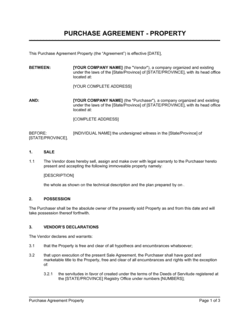
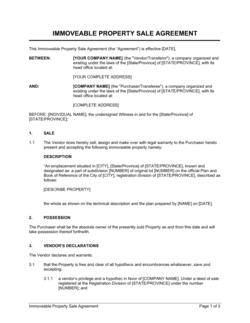
In most jurisdictions, a real estate transaction can be initiated using a standard template, but legal review is strongly recommended before signing any binding purchase agreement. Lawyers or notaries are typically required at closing for title transfer and registration. For complex commercial transactions or high-value residential deals, engage a real estate attorney early in the process.
What makes a real estate purchase agreement legally binding?
A purchase agreement is generally binding when it identifies the property and parties, states an agreed price, is signed by all parties with capacity to contract, and — in most jurisdictions — is in writing. Many states and provinces require real estate contracts to be written to be enforceable. Oral agreements for the sale of land are typically unenforceable under the Statute of Frauds.
What is the difference between a deed of sale and a purchase agreement?
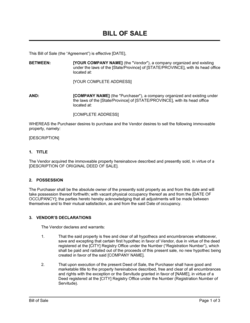
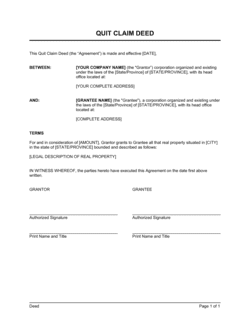
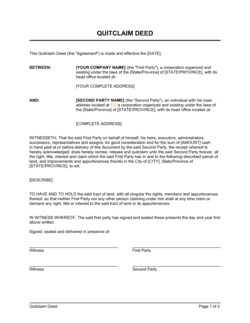
A purchase agreement is the contract that commits both parties to the transaction; it governs everything up to closing. A deed of sale is the instrument that actually transfers title from seller to buyer at closing. Both are necessary: the purchase agreement creates the obligation; the deed fulfills it.
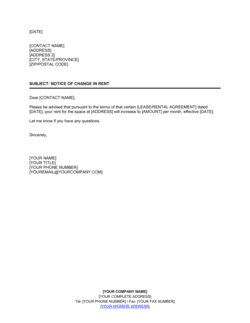
Can a landlord increase rent during a fixed lease term?
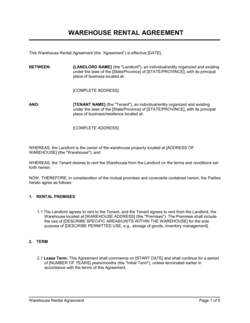
Generally, no. A fixed-term lease locks in the rent for the duration unless the agreement contains a specific escalation clause. Rent increases are typically only permitted at renewal or when the tenancy converts to month-to-month. Local rent-control laws may impose additional restrictions — check regulations in your jurisdiction.
What is an assignment of lease and when is it used?
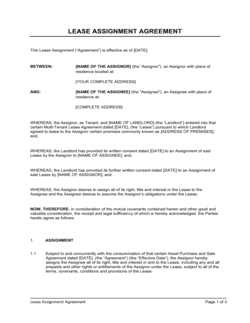
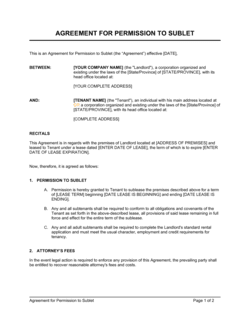
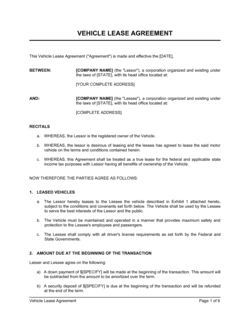
An assignment of lease transfers the original tenant's rights and obligations under the lease to a new tenant. It is commonly used when a business is sold, when a tenant needs to relocate before the lease expires, or when a tenant's circumstances change. Most leases require the landlord's written consent before an assignment is effective.
What should a property management agreement include?
A property management agreement should specify the scope of services (leasing, maintenance, rent collection), the management fee structure, the manager's authority to spend without owner approval, reporting frequency, and termination rights for both parties. Without a clear agreement, disputes over authority and fees are common.
Is an option to purchase the same as a purchase agreement?
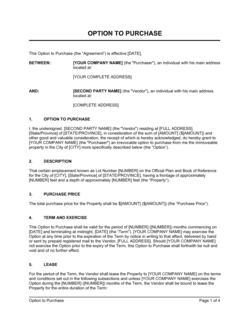
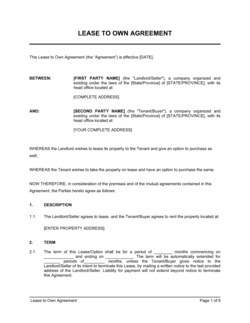
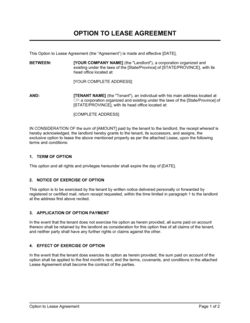
No. An option to purchase gives the potential buyer the right — but not the obligation — to buy a property within a set timeframe at a pre-agreed price. The buyer pays a fee for this right. A purchase agreement, by contrast, creates a mutual obligation: both parties must complete the transaction. Options are common in development projects and lease-to-own arrangements.
What happens if a buyer defaults on a real estate purchase agreement?
Consequences depend on the contract terms, but common remedies include the seller retaining the deposit as liquidated damages, the seller suing for specific performance (forcing the sale to proceed), or the seller suing for actual damages caused by the default. The remedies available should be spelled out explicitly in the agreement to avoid litigation over which applies.
Key clauses every Real Estate And Lease contains
Most real estate and lease documents share a core set of clauses that define property, parties, price, and process — regardless of whether the transaction is a sale, rental, or assignment.
- Property description. Identifies the property by legal description, street address, and any included fixtures or personal property.
- Purchase price or rent amount. States the agreed consideration — purchase price with deposit details for sale contracts, or monthly rent with escalation terms for leases.
- Conditions and contingencies. Lists conditions that must be met before the deal closes — financing approval, satisfactory inspection, clear title.
- Closing or possession date. Specifies the date ownership or possession transfers from seller/landlord to buyer/tenant.
- Representations and warranties. Each party warrants material facts — seller confirms title is clear; buyer confirms ability to close.
- Default and remedies. Defines what constitutes a breach and what the non-defaulting party can do — retain deposit, sue for damages, or terminate.
- Assignment and transfer restrictions. States whether rights under the contract can be transferred to a third party, and under what conditions.
- Governing law and dispute resolution. Names the jurisdiction whose laws apply and the mechanism for resolving disputes — litigation, mediation, or arbitration.
How to write a real estate agreement
Every real estate document — sale, lease, or assignment — follows the same drafting logic: identify the property and parties precisely, set out the commercial terms clearly, and spell out what happens if something goes wrong.
1
Identify the property accurately
Use the full legal description from the title deed — not just the street address — to avoid disputes about what's included.
2
Name all parties with their legal capacity
State whether parties are individuals, corporations, or trusts, and confirm each is authorized to enter the transaction.
3
State the purchase price or rent and payment terms
Include the amount, deposit structure or security deposit, due dates, and the payment method accepted.
4
List every condition and contingency
Write out financing, inspection, zoning, and title conditions with specific deadlines for satisfaction or waiver.
5
Define what transfers with the property
Specify which fixtures, appliances, or improvements are included or excluded — vagueness here is the most common source of closing disputes.
6
Set the closing or possession date
Name a specific date and address what happens if either party cannot meet it — extension rights, penalties, or termination.
7
Add default, remedies, and governing law
State the consequences of breach — deposit forfeiture, specific performance, damages — and which state or province's law governs.
8
Have authorized parties sign and register if required
Property deeds and certain other instruments must be notarized and registered with the relevant land registry to bind third parties.
Glossary
- Deed
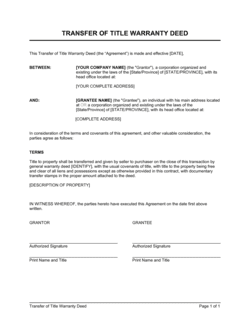
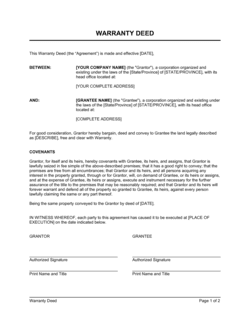
- A legal instrument that transfers ownership of real property from one party to another and must typically be registered to bind third parties.
- Title
- Legal ownership of a property, confirmed by registration in a public land registry.
- Conveyance
- The legal process of transferring property ownership from seller to buyer.
- Contingency
- A condition in a purchase agreement that must be satisfied before the parties are obligated to complete the transaction.
- Closing
- The final step in a real estate transaction where documents are signed, funds are transferred, and title passes to the buyer.
- Escrow
- An arrangement where a neutral third party holds funds or documents until all conditions of the transaction are met.
- Lessee
- The party who rents property under a lease agreement; also called the tenant.
- Lessor
- The party who owns and rents out property under a lease agreement; also called the landlord.
- Assignment
- The transfer of rights or obligations under a contract — such as a lease or mortgage — from one party to a third party.
- Option to purchase
- A contractual right, paid for by the buyer, to purchase a specific property at a specified price within a defined period.
- Security deposit
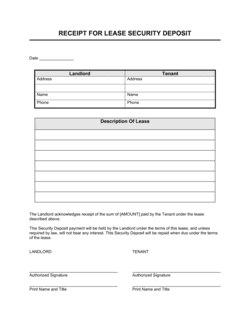
- A sum held by the landlord to cover unpaid rent or damage beyond normal wear and tear at the end of a tenancy.
- Due diligence
- The investigation a buyer or investor conducts on a property before committing to purchase — covering title, condition, zoning, and financials.
What is a real estate and lease agreement?
A real estate and lease agreement is a legally binding document that
governs the rights and obligations of parties involved in a property
transaction — whether that transaction is a purchase, sale, rental, assignment,
or management arrangement. These documents define what property is involved,
who the parties are, what price or rent applies, what conditions must be met,
and what happens if either side fails to perform. Because real estate
represents one of the largest categories of personal and business wealth,
courts in most jurisdictions require property contracts to be in writing to
be enforceable.
Real estate documents cover a wide spectrum of situations. On the transaction
side, they include offers to purchase, purchase agreements, deeds of sale, and
asset purchase agreements. On the rental side, they include apartment leases,
house rental agreements, and sublease assignments. A third category — operational
and investment documents — covers property management agreements, partnership
agreements for real estate ventures, commission agreements for agents and
brokers, and business plans for property development and management companies.
Each document type serves a distinct stage in a property's commercial lifecycle.
When you need a real estate or lease document
Any time money, property, or legal liability changes hands in connection with
real estate, a written document is essential. Verbal agreements about land are
almost universally unenforceable, and even a handshake deal that proceeds
smoothly can cause expensive disputes at closing, renewal, or exit if the terms
were never written down.
Common triggers:
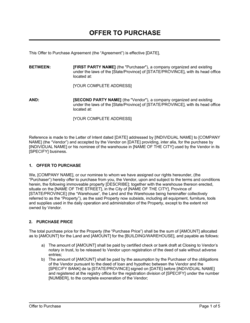
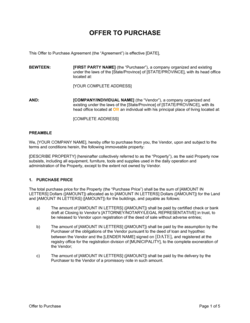
- A buyer is ready to make a formal offer on a residential or commercial property
- Two parties have agreed on price and conditions and need a binding purchase contract
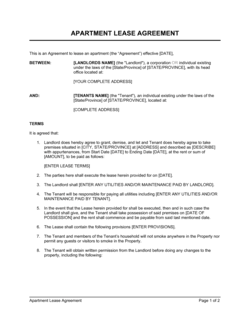
- A landlord is renting a house or apartment to a new tenant
- A tenant needs to assign their lease to another party before the term expires
- A property owner is hiring a management company to oversee a rental portfolio
- Two or more investors are pooling capital to acquire or develop real estate
- A real estate broker is bringing on a sales agent as an independent contractor
- A lender is transferring a mortgage to a new servicer or investor
Skipping proper documentation in a real estate context carries risks that far
exceed most other business categories — titles can become unmarketable, deposits
can be disputed, management fees can go unpaid, and partnerships can dissolve
into costly litigation. Using a purpose-built template for each situation
creates a clear record of what was agreed, protects every party's interests,
and provides a straightforward path to enforcement if something goes wrong.