- Lease Default
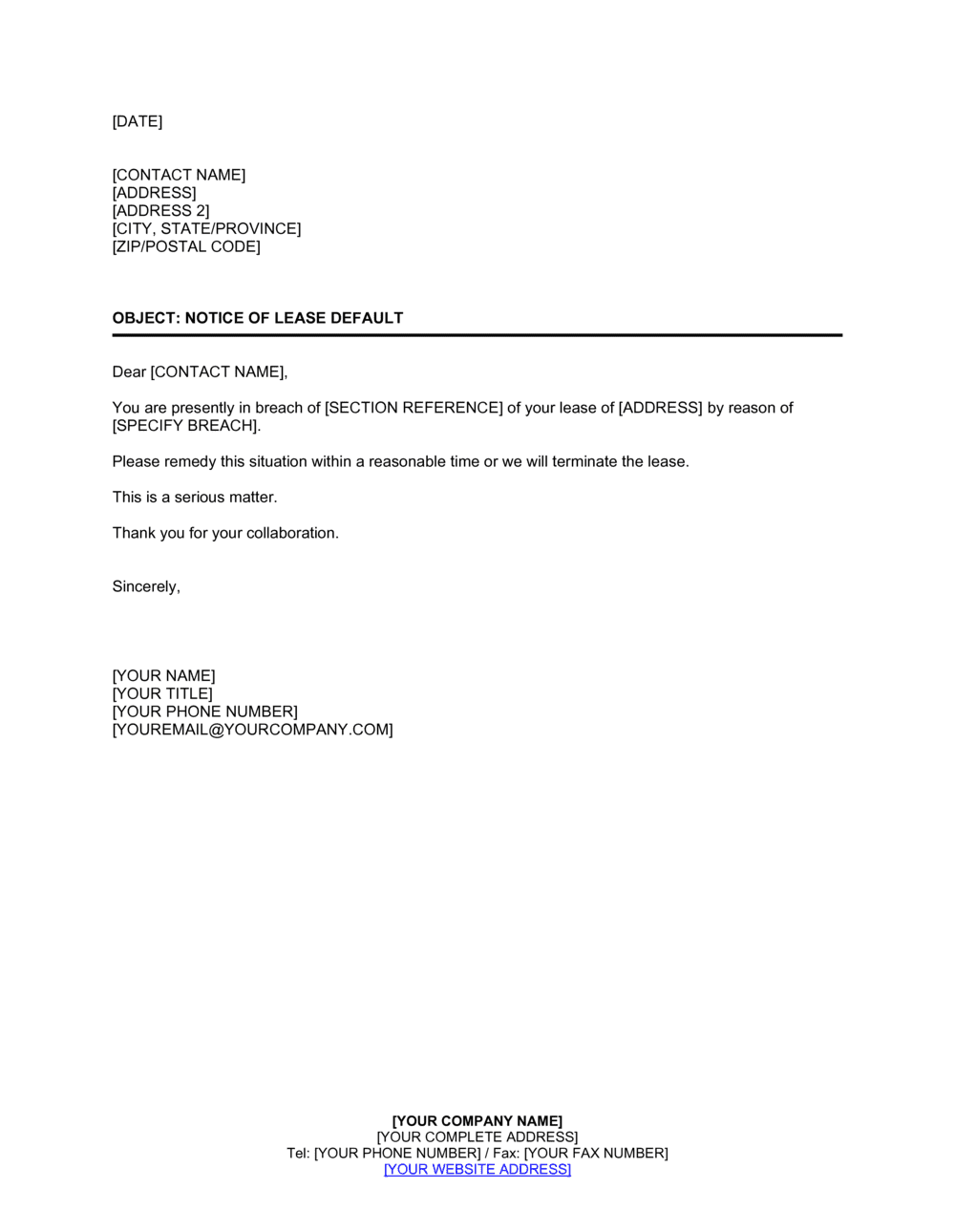
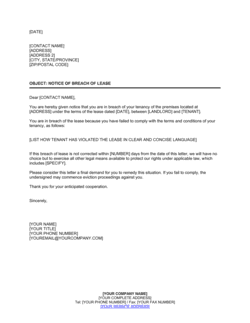
- A tenant's failure to comply with any obligation set out in the lease agreement, whether financial or non-financial.
- Cure Period
- A defined number of days — typically 3 to 30 depending on jurisdiction and breach type — during which the tenant must remedy the default before further action is taken.
- Non-Monetary Default
- A lease breach that does not involve failure to pay rent, such as unauthorized subletting, property damage, or violation of occupancy rules.
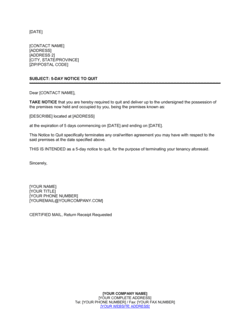
- Notice to Quit
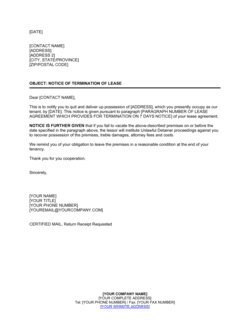
- A formal notice requiring a tenant to vacate the premises, typically issued after a default has not been cured within the allowed period.
- Lease Clause
- A specific numbered or titled provision within a lease agreement that establishes a right, obligation, or restriction for either party.
- Permitted Use
- A lease provision specifying the purposes for which the tenant may use the rented premises — violations are a common basis for non-monetary default notices.
- Holdover Tenant
- A tenant who remains in possession of the property after the lease term has expired without the landlord's formal consent.
- Eviction (Unlawful Detainer)
- A legal process a landlord uses to remove a tenant from a property following uncured default, governed by state or provincial law and requiring court involvement in most jurisdictions.
- Material Breach
- A violation serious enough to justify termination of the lease if not cured, as opposed to a minor or technical breach that does not threaten the fundamental purpose of the agreement.
- Written Notice Requirement
- A lease or statutory requirement that defaults must be communicated in writing — and often delivered by a specific method (certified mail, personal service) — before further action is permitted.