1
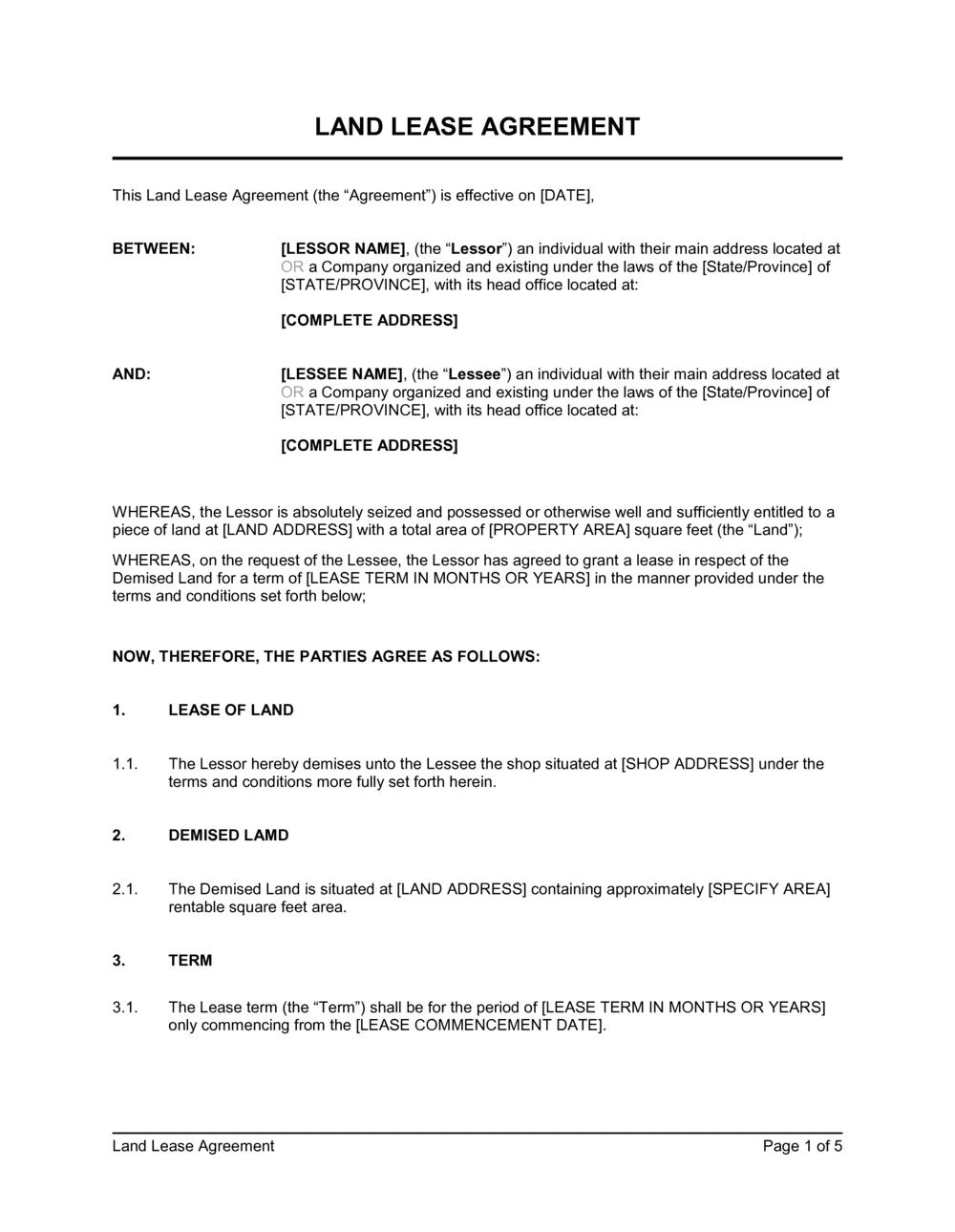
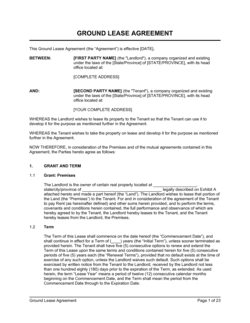
Identify the parties using their full legal names
Enter the lessor's and lessee's full legal names exactly as they appear on government ID or corporate registration documents. For entities, include the jurisdiction of formation and entity type.
💡 If the lessor is a trust or LLC, confirm the signatory has actual authority to bind the entity — a title officer or lender will check this during any financing.
2
Insert the complete legal property description
Copy the full legal description of the parcel from the recorded deed or title report — lot number, block, subdivision, county, and state. Attach a site map as Exhibit A to remove any ambiguity about the exact boundaries leased.
💡 If only a portion of a larger parcel is being leased, have a surveyor prepare a legal description of the sub-parcel before execution — informal descriptions cause title and financing problems later.
3
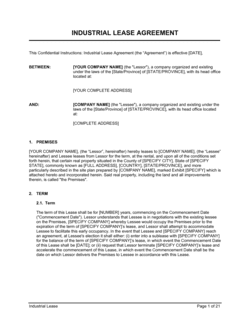
Set the lease term and renewal options
Enter the commencement date, expiration date, and the number and duration of any renewal options. State the notice period required to exercise each option — typically 6 to 12 months before expiration for long-term leases.
💡 For leases over 30 years, check whether the jurisdiction requires recording the lease in the real property records to protect the lessee's interest against subsequent purchasers.
4
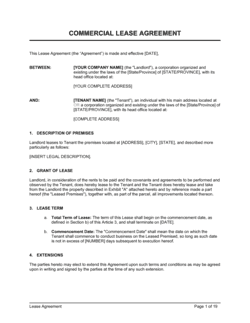
Define base rent and the escalation schedule
Enter the initial rent amount, payment frequency, and due date. Choose an escalation mechanism — fixed annual percentage (2–4% is common), CPI adjustment, or periodic fair market value appraisal — and specify the formula precisely.
💡 For agricultural leases, consider a crop-share or revenue-based rent formula tied to commodity prices rather than a fixed CPI escalator.
5
Specify permitted use with precision
List the exact activities the lessee is authorized to conduct on the land. Reference any applicable zoning classification, entitlements, or permits the lessee must obtain as a condition of the lease.
💡 Include a clause requiring the lessee to restore the land to its pre-lease condition if their use involves excavation, grading, or chemical application — this protects the lessor's future options for the land.
6
Address improvements and their disposition at lease end
List any approved improvements in Exhibit A. State clearly whether improvements revert to the lessor at expiration, must be removed by the lessee, or are subject to a purchase option at appraised value.
💡 For ground leases where the lessee is financing construction, coordinate with the lender early — most construction lenders require a non-disturbance and attornment agreement before they will fund.
7
Set insurance minimums appropriate to the use
Enter commercial general liability minimums calibrated to the lessee's operations — $1M per occurrence and $2M aggregate is a common floor, but energy, construction, and agricultural uses typically require $5M or more. Require the lessor to be named as an additional insured.
💡 Request a certificate of insurance from the lessee before the commencement date and again at each policy renewal — a lapse in coverage is one of the most common and costly oversights in land leases.
8
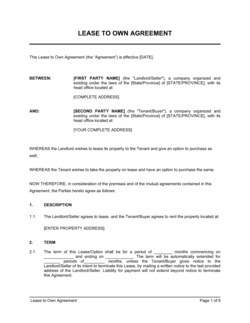
Review and execute before the commencement date
Both parties should sign before the lease term begins. For leases over one year, most jurisdictions require the agreement to be in writing to be enforceable under the Statute of Frauds. Record the lease or a memorandum of lease in the county land records if the term exceeds the jurisdiction's recording threshold.
💡 Use a memorandum of lease — a short recorded document referencing the full agreement — rather than recording the full lease, to keep commercial terms off the public record.