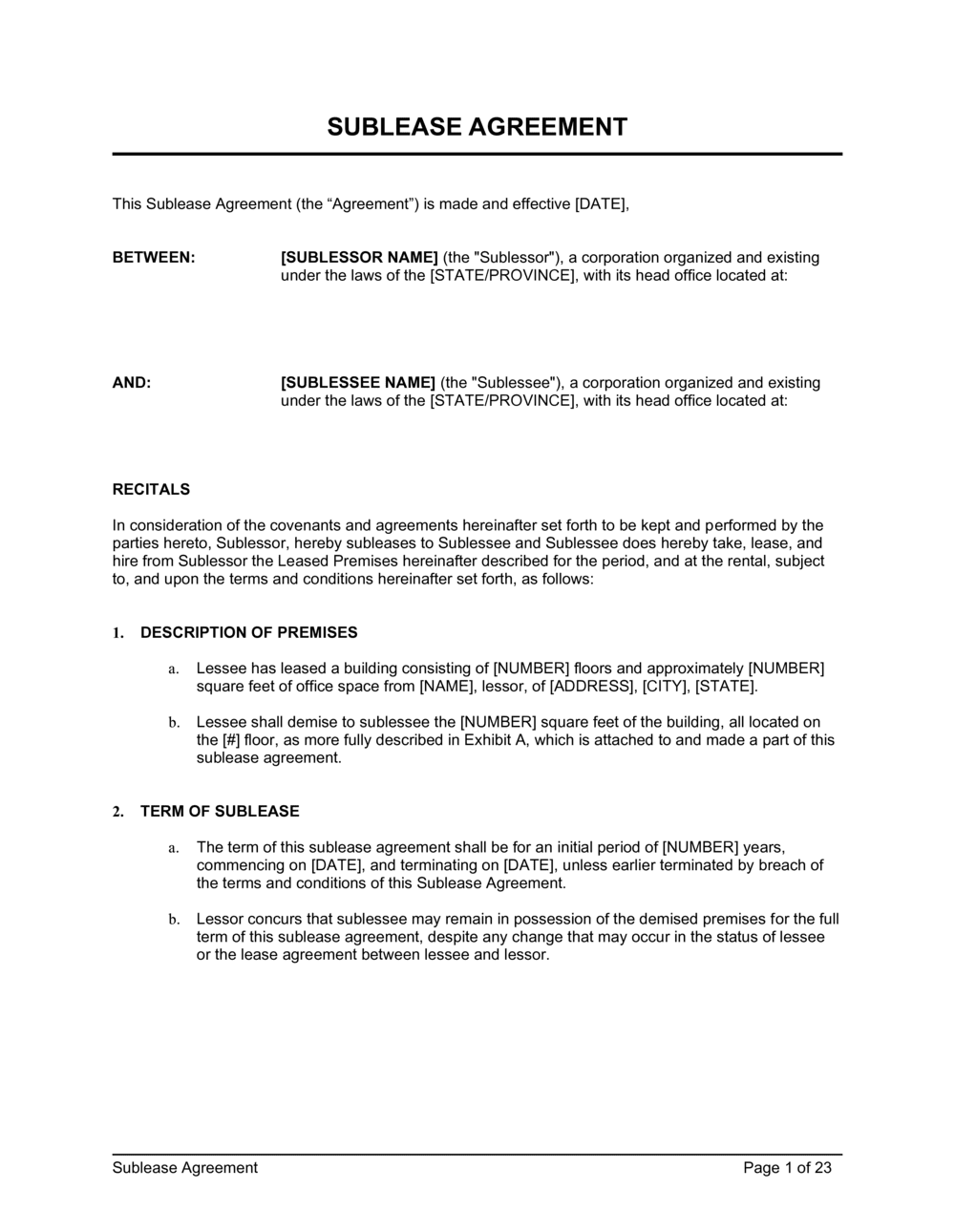
- Sublessor
- The original tenant under the master lease who grants a sublease to a new occupant while remaining liable to the landlord.
- Sublessee
- The new occupant who takes possession of all or part of the leased premises from the sublessor under a sublease agreement.
- Master Lease
- The original lease agreement between the landlord and the tenant, which governs the overall occupancy and into which the sublease must fit.
- Landlord Consent
- Written permission from the property owner authorizing the tenant to sublet the premises, typically required by the master lease before a sublease is valid.
- Privity of Contract
- The direct legal relationship between contracting parties — in a sublease, the landlord has no direct contractual relationship with the sublessee unless a separate agreement is signed.
- Holdover
- A situation in which a sublessee continues to occupy the premises after the sublease term expires without executing a renewal, potentially triggering month-to-month liability or default.
- Security Deposit
- A sum held by the sublessor against damage, unpaid rent, or breach of the sublease, returned to the sublessee at the end of the term subject to deductions.
- Permitted Use
- The specific purpose for which the sublessee is authorized to occupy the premises — it cannot exceed the permitted use stated in the master lease.
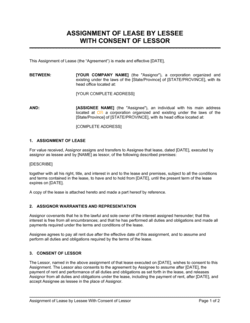
- Assignment of Lease
- A transfer of the entire remaining lease interest from one tenant to a new tenant, as distinct from a sublease in which the original tenant retains residual liability.
- Subordination and Non-Disturbance
- Clauses that rank the sublease below any mortgage or superior interest on the property and protect the sublessee's right to continue occupancy if the landlord's financing is restructured.
- Indemnification
- A clause requiring one party to compensate the other for losses, claims, or damages arising from a specified event — typically the sublessee indemnifying the sublessor against acts or omissions on the premises.
- Attornment
- A sublessee's agreement to recognize a new landlord or lender as their direct superior in the event of a foreclosure or landlord default.