1
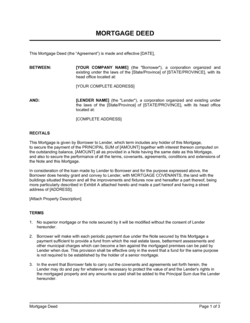
Gather and verify the current title documents
Obtain the existing deed, title commitment, or title insurance policy for the property. Confirm the grantor's exact legal name as it appears on the current vesting deed and verify there are no outstanding liens, probate proceedings, or title disputes.
💡 Order a title search or title insurance commitment before preparing the deed — discovering a cloud on title after execution wastes time and requires a corrective instrument.
2
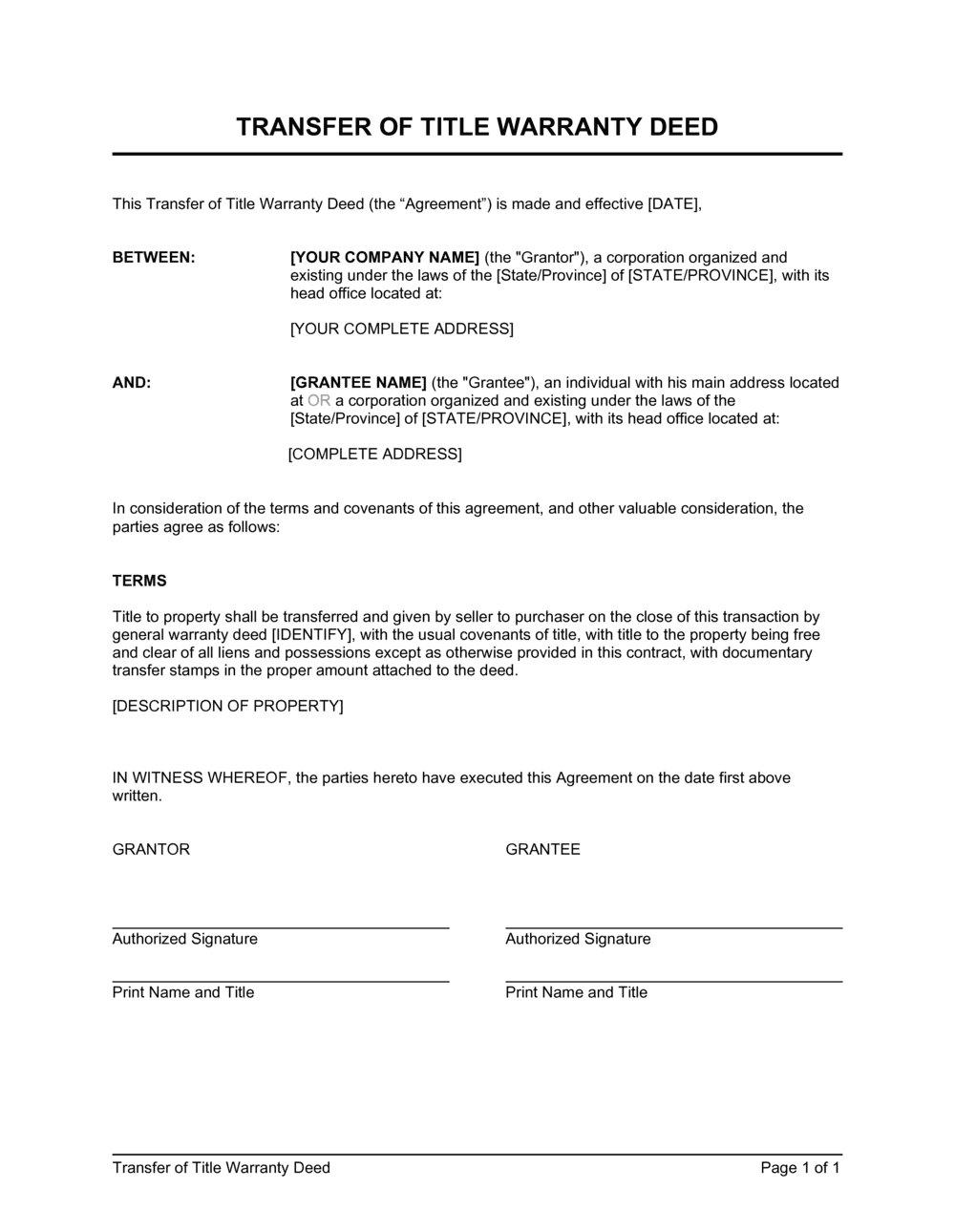
Enter the grantor and grantee legal names precisely
Use full legal names exactly as they appear on government-issued ID and current title documents. For entities, use the registered legal name including the entity type (LLC, Corp, Trust). Include marital status where the jurisdiction requires it for homestead or community property purposes.
💡 For married grantors in community property states, both spouses typically must sign even if only one appears on title — confirm local requirements before execution.
3
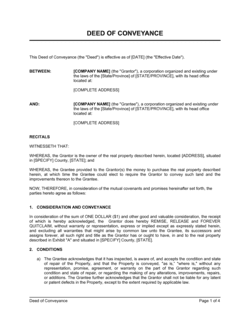
Copy the legal description verbatim
Locate the legal description in the current deed or title commitment and reproduce it word-for-word, including all lot numbers, block numbers, plat book and page references, and metes-and-bounds language. Do not paraphrase, abbreviate, or reformat.
💡 Attach the legal description as a labeled Exhibit A and reference it in the body of the deed to keep the main instrument clean and reduce transcription errors.
4
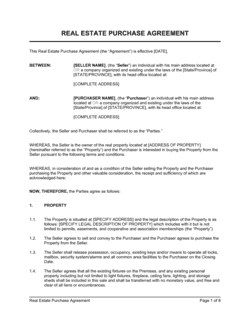
Complete the consideration recital
Enter the agreed consideration. In most residential transactions, nominal consideration ('$10 and other valuable consideration') is used to avoid publicly disclosing the sale price on the recorded instrument where jurisdictions calculate transfer taxes from the deed.
💡 Check whether your state or county requires a separate transfer tax declaration form or affidavit of value — the deed recital and the tax form serve different purposes.
5
List all surviving encumbrances and exceptions
Review the title commitment for Schedule B exceptions — easements, covenants, restrictions, and utility rights-of-way — and list each one by reference. Include current-year taxes not yet due. Do not include liens that are being paid off at closing, as those should be released before or concurrent with recording.
💡 If a mortgage or lien will be paid off at closing, confirm the payoff and release are coordinated with the title company before the deed is recorded — recording the deed before the lien release creates a title defect.
6
Execute before a notary public
Both grantor(s) must sign in the physical presence of a licensed notary public who can verify identity and complete the acknowledgment block. In some states, one or two disinterested witnesses are also required in addition to notarization.
💡 Do not pre-sign the deed and bring it to the notary — the grantor must sign in the notary's presence for the acknowledgment to be valid. A defective acknowledgment makes the deed unrecordable.
7
Record the deed with the county recorder or land registry
Submit the fully executed, notarized deed to the county recorder, register of deeds, or land registry office in the jurisdiction where the property is located. Pay the required recording fee and any applicable transfer taxes at the time of filing.
💡 Recording as promptly as possible after closing is critical — the deed is not effective against third parties (subsequent buyers, lienholders) until it is recorded.
8
Deliver a conformed copy to the grantee
After recording, the recorder returns the original deed (or a certified copy) stamped with the recording information — book, page, and document number. Deliver this to the grantee and retain a copy in your closing file.
💡 Scan and store a digital copy immediately — recorded deeds are permanent public records, but having your own indexed copy prevents delays if you ever need to reference the instrument quickly.