1
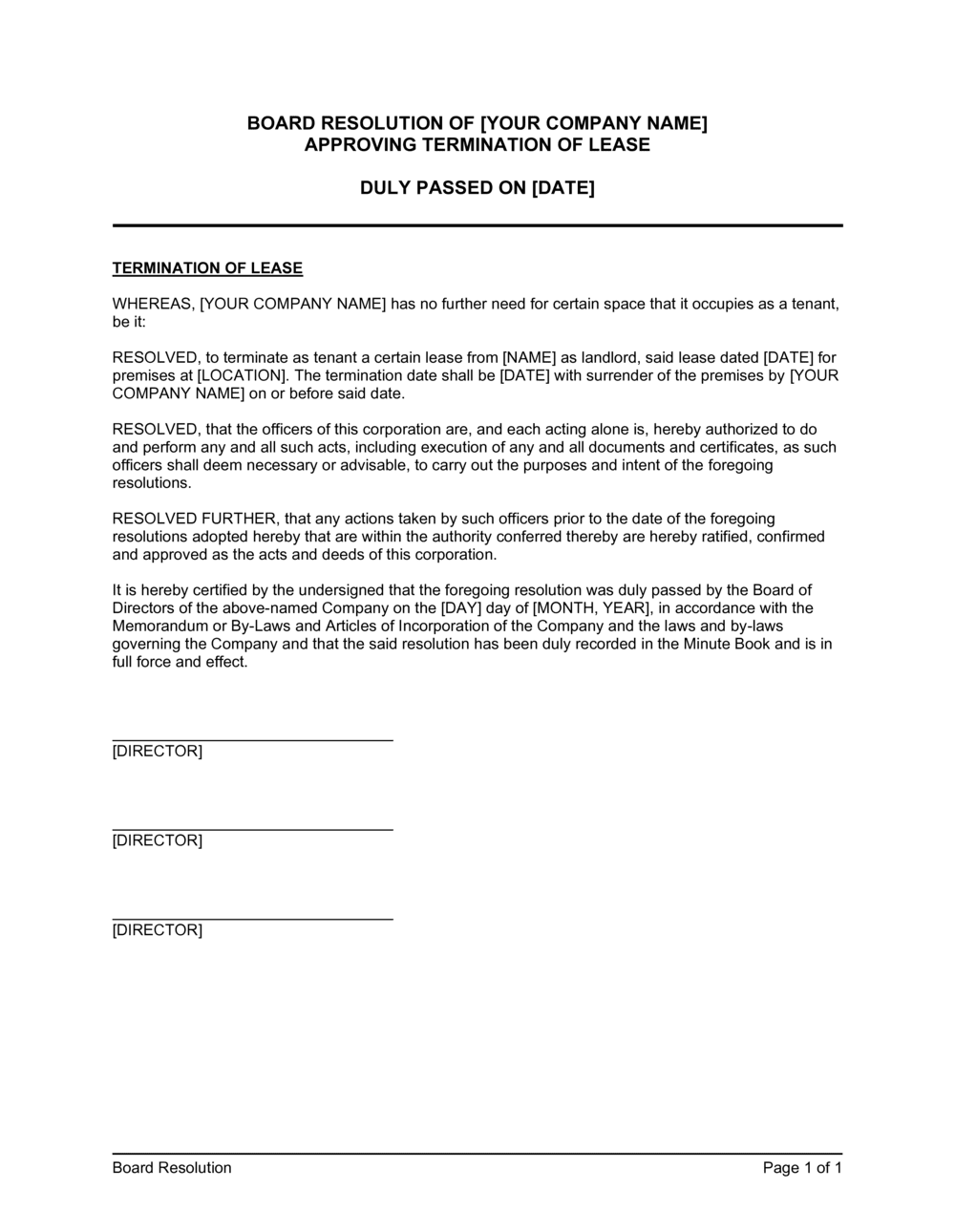
Confirm corporate authority and bylaw requirements
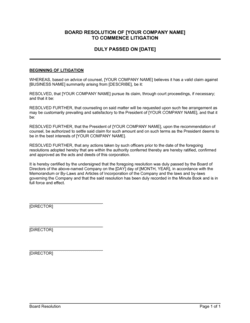
Review your corporation's bylaws to determine whether lease terminations require a board resolution, a simple majority vote, or unanimous consent. Note the quorum requirement and whether a meeting must be held or written consent is permitted.
💡 Some bylaws delegate lease termination authority below a specified annual rental value to a single officer — check before convening the board unnecessarily.
2
Identify the lease being terminated with precision
Gather the original lease agreement, all amendments, extension letters, and side letters. Record the exact agreement date, landlord's registered legal name, premises address, and lease term end date.
💡 Pull the landlord's name from the most recent amendment or assignment notice — the original landlord may have sold the property, and using the wrong name invalidates the notice.
3
Determine the legal basis and effective date
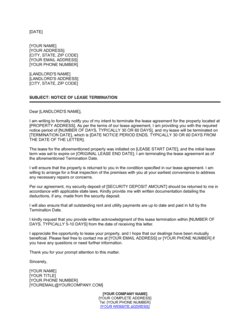
Identify whether you are terminating under an early termination clause, by mutual agreement, due to a landlord default, or at natural lease expiry. Calculate the effective termination date based on the required notice period in the lease.
💡 Calendar the notice deadline carefully — most commercial leases require 60 to 90 days' advance written notice, and missing it by one day can extend your liability by a full notice period.
4
Name the authorized officer and scope their authority
Enter the full name and title of the officer authorized to sign and deliver the termination notice, negotiate surrender terms, and execute any exit documentation. If settlement payments may be required, specify a dollar cap in the negotiation authority clause.
💡 Use the officer's exact title as it appears in the corporate register — discrepancies between the resolution and public records can prompt landlords to demand additional proof of authority.
5
Include a ratification clause if notices have already been sent
If any officer has already communicated the intent to terminate to the landlord — by email, letter, or in person — include the ratification clause and reference those communications by date.
💡 Ask the officer to forward all prior correspondence so the ratification clause can reference specific dates. A vague 'all prior acts' clause is weaker than one citing a specific letter dated [DATE].
6
Circulate for director signatures and record the adoption date
Obtain signatures from the required number of directors — all directors for unanimous written consent, or a quorum for a meeting-based resolution. Record the date each director signs, not the date you started drafting.
💡 If directors are in different time zones, use a digital signature platform and set a signature deadline. The resolution's effective date should be the date the last required signature is obtained.
7
File the resolution in the corporate minute book and deliver the notice
Add the executed resolution to the corporate minute book alongside any related board minutes. Then have the authorized officer deliver the termination notice to the landlord strictly in accordance with the lease's notice requirements — certified mail, overnight courier, or email, as specified.
💡 Retain proof of delivery — return receipt, courier tracking confirmation, or email read receipt — in the same file as the resolution. You will need it if the landlord disputes receipt of the notice.