Notice_Eviction Will Be Filled in Court Template

Free Word download • Edit online • Save & share with Drive • Export to PDF

1 page20–30 min to fillDifficulty: StandardSignature requiredLegal review recommended
Learn more ↓
FreeNotice_Eviction Will Be Filled in Court Template

At a glance

What it is
A Notice Eviction Will Be Filed in Court is a formal written notice a landlord or property owner serves on a tenant to inform them that, unless the stated breach is remedied within the specified period, the landlord will commence eviction proceedings in a court of competent jurisdiction. This template is a free Word download you can edit online, customize with property and tenant details, and export as PDF for service on the tenant.
When you need it
Use it after a prior cure notice (pay or quit, cure or quit) has expired without resolution, or when a lease violation is severe enough to move directly toward court action. It is the final pre-litigation step before filing an unlawful detainer, possession claim, or equivalent action.
What's inside
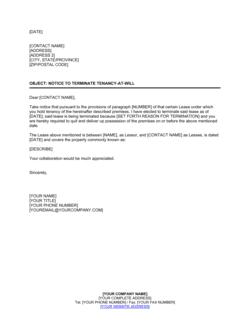
Landlord and tenant identification, property address, description of the lease breach, reference to prior notices served, a clear statement of intent to file in court, a final cure window if applicable, and signature and service blocks confirming proper delivery.

What is a Notice Eviction Will Be Filed in Court?

A Notice Eviction Will Be Filed in Court is a formal pre-litigation document a landlord or property owner serves on a tenant to communicate that, unless a specified breach — most commonly unpaid rent or a lease violation — is resolved within a stated number of days, the landlord will commence eviction proceedings in a court of competent jurisdiction. Unlike a simple demand letter or a pay or quit notice, this notice explicitly invokes the court process and establishes the procedural record courts require before accepting an eviction filing. It identifies both parties, documents the history of prior notices, states the precise default with supporting figures, and sets a final cure deadline that complies with the applicable statutory notice period.

Why You Need This Document

Skipping this notice — or serving a defective one — is the most common reason eviction cases are dismissed at the first hearing, costing landlords weeks or months of additional lost rent and legal fees. Courts in most jurisdictions require strict compliance with notice period requirements, proper service methods, and specific content before they will accept an eviction filing. A tenant who receives a procedurally invalid notice can raise it as a complete defense, forcing the landlord to restart the process from the beginning. Beyond court compliance, a properly executed notice establishes your documented escalation trail: it shows that you gave the tenant every reasonable opportunity to cure before resorting to litigation, which matters both for the merits of the case and in jurisdictions where courts scrutinize landlord conduct. This template gives you the correct structure, required disclosures, and service documentation blocks to serve a notice that holds up at the first hearing — without paying for a lawyer to draft one from scratch for a standard default situation.

Which variant fits your situation?

If your situation is…Use this template
Tenant has not paid rent and a cure period has already passedNotice Eviction Will Be Filed in Court (Non-Payment)
Tenant is violating lease terms other than non-payment (pets, subletting, nuisance)Cure or Quit Notice
Lease has expired and tenant refuses to vacateNotice to Quit (Holdover Tenancy)
First formal warning to a tenant who has missed one paymentPay or Quit Notice
Tenant has already left but owes unpaid rent or damagesDemand Letter for Unpaid Rent
Commercial lease default with right-to-cure period required by leaseCommercial Lease Default Notice
Court filing has been made and a hearing date is setSummons and Complaint (Unlawful Detainer)

Common mistakes to avoid

❌ Serving a notice with a cure period shorter than the statutory minimum

Why it matters: A notice that gives 3 days when the jurisdiction requires 5 is void on its face. The landlord must re-serve a compliant notice, losing weeks and resetting the statutory clock entirely.

Fix: Look up the current statutory notice period for the property's city and state before filling in the cure date. Local ordinances often require longer periods than state law.

❌ Accepting a partial rent payment after service without a written disclaimer

Why it matters: In many states, accepting any rent payment after serving an eviction notice constitutes waiver of the notice and creates a new tenancy, requiring the landlord to start the process from scratch.

Fix: Include an explicit non-waiver clause in the notice and, if you must accept partial payment, do so only under a separate written agreement that preserves your right to proceed.

❌ Omitting co-tenants or unnamed occupants from the notice

Why it matters: A court can only order the removal of parties named in the eviction action. Unnamed occupants can remain lawfully, requiring a separate proceeding to remove them.

Fix: List all adult occupants on the lease and any known unauthorized occupants using 'John Doe' or 'Jane Doe' designations with physical descriptions if names are unknown.

❌ Failing to retain documented proof of service for each prior notice

Why it matters: If the tenant claims they never received a prior cure notice, an undocumented prior service means the landlord cannot prove the required procedural escalation, potentially invalidating the current notice.

Fix: Use certified mail with return receipt or a process server for all eviction-related notices and store the proof of service in a dedicated eviction file from the first notice forward.

❌ Stating an incorrect rent balance on the notice

Why it matters: A discrepancy between the notice amount and the actual rent ledger — even by a small margin — gives the tenant grounds to challenge the notice and can result in dismissal at the first hearing.

Fix: Pull a fresh rent ledger on the day you finalize the notice and reconcile every line item before entering the balance. Have a second person verify the arithmetic.

❌ Using email as the sole method of service

Why it matters: Most jurisdictions do not recognize email service for eviction notices unless the lease explicitly provides for it and the jurisdiction's statutes permit it. Courts routinely reject email-only service.

Fix: Serve the notice by a method explicitly authorized by your jurisdiction's landlord-tenant statute — typically personal delivery, certified mail, or posting with mailing. Email may be used as a supplement, not a substitute.

The 10 key clauses, explained

Parties and property identification

In plain language: Identifies the landlord or property owner, the tenant(s) by full legal name, and the full address of the subject property including unit number.

Sample language
This Notice is issued by [LANDLORD FULL LEGAL NAME] ('Landlord'), owner of the premises located at [FULL PROPERTY ADDRESS, UNIT NUMBER, CITY, STATE, ZIP] ('Premises'), to [TENANT FULL LEGAL NAME(S)] ('Tenant').

Common mistake: Listing only the primary tenant and omitting co-tenants or authorized occupants named on the lease — courts have dismissed eviction filings where unnamed occupants remained in possession.

Reference to prior notices and breach history

In plain language: Summarizes the prior notices already served on the tenant, the dates of service, and the breach or violation that was identified, establishing the procedural record before court action.

Sample language
On [DATE], Landlord served Tenant with a [PAY OR QUIT / CURE OR QUIT] Notice demanding [REMEDY] within [X] days. As of the date of this Notice, Tenant has failed to [PAY / REMEDY / VACATE] in full.

Common mistake: Referencing prior notices without retaining proof of service. If the tenant disputes receipt, an undocumented prior notice may be deemed invalid, restarting the statutory clock.

Description of the lease breach

In plain language: States the specific nature of the default — overdue rent amount and period, lease clause violated, or illegal activity — with enough detail to put the tenant on clear notice of what must be cured.

Sample language
Tenant owes unpaid rent totaling $[AMOUNT] for the period [START DATE] through [END DATE], as required under Section [X] of the Lease Agreement dated [LEASE DATE]. This amount remains outstanding despite prior written demand.

Common mistake: Stating an incorrect overdue rent amount. A dollar discrepancy between the notice and the actual ledger balance gives tenants grounds to challenge the notice in court and can invalidate the entire proceeding.

Statement of intent to file court proceedings

In plain language: The operative clause that formally puts the tenant on notice that the landlord intends to initiate eviction litigation if the breach is not resolved within the final stated period.

Sample language
TAKE NOTICE that if the above-stated breach is not fully resolved on or before [FINAL CURE DATE], Landlord will commence eviction proceedings against you in [COURT NAME / JURISDICTION] for possession of the Premises, unpaid rent, court costs, and reasonable attorney's fees.

Common mistake: Using ambiguous language such as 'may file' or 'reserves the right to file.' Courts and tenants treat permissive language as non-determinative; unequivocal intent to file strengthens the notice's enforceability.

Final cure window

In plain language: States the number of days the tenant has remaining to pay all sums owed or remedy the violation before the landlord files in court, calculated from the date of service.

Sample language
You have [X] days from the date of service of this Notice to pay the full amount of $[AMOUNT] or vacate the Premises. Partial payment will not cure this default unless accepted in writing by Landlord.

Common mistake: Setting a cure period shorter than the statutory minimum for the jurisdiction. A non-compliant notice period voids the notice and requires the landlord to re-serve, losing weeks or months in the eviction timeline.

Rent ledger or account statement attachment

In plain language: Incorporates or references a detailed rent ledger showing all charges, payments, credits, and the current balance owed, providing an auditable basis for the claimed default amount.

Sample language
A true and accurate copy of Tenant's rent ledger for the period [START DATE] through [DATE] is attached hereto as Exhibit A and incorporated by reference.

Common mistake: Omitting the rent ledger from the notice packet. Courts routinely require it at the first hearing; showing up without it causes continuances and delays possession by 30–60 days.

Landlord's right to attorney's fees and costs

In plain language: States that if the matter proceeds to court, the landlord will seek recovery of court filing fees, process server costs, and attorney's fees as permitted by the lease or applicable law.

Sample language
In the event Landlord is required to file for eviction, Landlord will seek recovery of all court costs, filing fees, service fees, and attorney's fees as provided under Section [X] of the Lease Agreement and [APPLICABLE STATUTE].

Common mistake: Claiming attorney's fees in the notice when the lease contains no fee-shifting clause and the jurisdiction does not provide a statutory right — creating a misrepresentation that can be used against the landlord.

Acceptance of partial payment disclaimer

In plain language: Clarifies that any partial payment accepted by the landlord does not waive the eviction rights established by the notice or constitute a new payment arrangement.

Sample language
Landlord's acceptance of any partial payment after the date of this Notice shall not constitute a waiver of Landlord's right to proceed with eviction for the remaining balance and shall not create a new tenancy or cure the existing default.

Common mistake: Accepting a partial payment after service without this disclaimer. In many jurisdictions, accepting rent after serving an eviction notice invalidates the notice and resets the entire process.

Service and delivery block

In plain language: Records how, when, and by whom the notice was delivered to the tenant — personal service, certified mail, posting, or substitute service — to establish an admissible record of proper service.

Sample language
This Notice was served on Tenant on [DATE] by [METHOD: personal delivery / certified mail / posting and mailing / substitute service] by [SERVER NAME / PROCESS SERVER], as required under [APPLICABLE STATUTE].

Common mistake: Using only email service without confirming the lease or jurisdiction authorizes it. Most jurisdictions require physical service methods for eviction notices; email alone is routinely rejected by courts.

Landlord signature and contact information

In plain language: Provides the landlord's or authorized agent's signature, printed name, title, mailing address, phone number, and the date of execution — establishing authority to issue the notice.

Sample language
Dated: [DATE] | [LANDLORD / AGENT SIGNATURE] | [PRINTED NAME] | [TITLE: Owner / Property Manager / Authorized Agent] | [ADDRESS] | [PHONE] | [EMAIL]

Common mistake: Having a property management employee sign without confirming they are an authorized agent under the management agreement. An unauthorized signatory can be challenged, potentially requiring a new notice.

How to fill it out

  1. 1

    Confirm jurisdiction-specific notice requirements before drafting

    Look up the statutory notice period and required service methods for the property's location — state, county, and city rules all apply and can differ. Many cities impose longer notice periods than state law.

    💡 Check whether a local rent control or just-cause eviction ordinance applies before issuing any notice. Ignoring local rules is the single most common reason eviction cases are dismissed.

  2. 2

    Enter full legal names for all parties and the property address

    Use the landlord's legal entity name (LLC, trust, or individual) exactly as it appears in the deed or management agreement. List every adult occupant named in the lease as a tenant.

    💡 Pull the lease signature page to confirm exact name spellings. A misspelled tenant name can be grounds for a motion to dismiss in some courts.

  3. 3

    Document all prior notices served and their dates

    List every prior notice by type, date of issue, and date of service. Attach copies of proof of service for each prior notice to build an unbroken procedural record.

    💡 Keep a physical eviction file from the first missed payment. Courts expect a documented escalation — an eviction notice that arrives without any prior communication raises credibility questions.

  4. 4

    State the breach with specific dollar amounts and dates

    Enter the exact overdue rent figure from your rent ledger, broken down by month. For non-monetary breaches, cite the specific lease clause and describe the violation in concrete terms.

    💡 Cross-check the amount against your accounting system on the day you finalize the notice — late fees or payments posted the same day can change the balance.

  5. 5

    Set the final cure period to meet or exceed the statutory minimum

    Calculate the cure deadline from the intended service date, not the drafting date. Add a business-day buffer if your jurisdiction calculates notice periods in business days rather than calendar days.

    💡 When in doubt, add one extra day to the cure period. A notice that gives one day less than the statutory minimum is void; one that gives one day more is valid.

  6. 6

    Attach the rent ledger as Exhibit A

    Print a complete ledger showing all charges, payments, and credits from the lease start or the past 12 months, whichever is shorter. Label it Exhibit A and reference it in the body of the notice.

    💡 If your ledger is managed in property management software, export a PDF directly from the system rather than manually recreating it — the audit trail matters in court.

  7. 7

    Execute the notice and arrange proper service

    Sign the notice as the landlord or authorized agent, then serve it using the method required by your jurisdiction — personal delivery, certified mail, posting and mailing, or a licensed process server.

    💡 Use a licensed process server for notices where you anticipate the tenant will contest the eviction. Their affidavit of service is harder to challenge than a self-prepared certificate of service.

  8. 8

    Retain complete proof of service and set a calendar reminder for the cure deadline

    File the signed notice, service affidavit, and ledger in your eviction file. Set a calendar reminder for the day after the cure deadline to confirm whether the tenant has complied before filing in court.

    💡 Do not file in court until the cure deadline has fully elapsed. Filing one day early gives the tenant a procedural defense that can delay possession by 30–90 days.

Frequently asked questions

What is a notice that eviction will be filed in court?

A notice that eviction will be filed in court is a formal written communication a landlord serves on a tenant to warn them that, unless a stated breach — typically unpaid rent or a lease violation — is cured within a specified number of days, the landlord will commence eviction litigation to recover possession of the property. It is the final pre-litigation step in the eviction process and creates the procedural record courts require before accepting an eviction filing.

How is this notice different from a pay or quit notice?

A pay or quit notice is the first formal demand — it gives the tenant a short window to pay overdue rent or vacate. A notice that eviction will be filed in court is served after that window has closed without compliance. It signals that the landlord has exhausted cure opportunities and is now prepared to file in court, making the legal consequences immediate and concrete rather than conditional.

How many days notice must I give before filing for eviction?

The required notice period varies by jurisdiction. In the US, state law typically requires 3 to 14 days for non-payment, but many cities — including Los Angeles, New York, and Chicago — impose longer periods under local rent control or just-cause eviction ordinances. In Canada, provincial legislation sets the period, ranging from 14 days in most provinces for non-payment to 60 days for other terminations. Always confirm the current requirement for the property's specific location before setting the cure deadline on the notice.

Can a tenant stop eviction after receiving this notice?

Yes. If the tenant pays all overdue amounts in full — including any late fees and costs specified in the notice — before the cure deadline expires, the landlord typically cannot proceed with the eviction for that particular default. In some jurisdictions tenants have a statutory right to cure a certain number of times per year. Once the landlord files in court, the ability to cure depends on the court's rules and whether the judge allows a pay-and-stay order.

Do I need a lawyer to serve an eviction notice?

You do not legally need a lawyer to serve an eviction notice in most US states, but the procedural requirements — correct notice period, proper service method, accurate rent figures, compliant language — are precise enough that errors are common and costly. For high-value properties, commercial tenancies, rent-controlled units, or situations where you anticipate the tenant will contest the eviction, engaging a landlord-tenant attorney for at least a template review is strongly advisable.

What happens if the tenant ignores the notice?

If the cure deadline passes without payment or remedy, the landlord may file an eviction action in the appropriate court — typically small claims or housing court for residential cases, civil court for commercial ones. The court then schedules a hearing and, if the landlord prevails, issues a judgment for possession and often a money judgment for unpaid rent. A writ of possession directs a sheriff or enforcement officer to physically remove the tenant if they still do not vacate voluntarily.

Can I accept partial rent after serving this notice?

Accepting partial rent after serving an eviction notice is high-risk in most jurisdictions. Many states treat any rent acceptance as a waiver of the notice, which requires you to restart the entire process from a new pay or quit notice. If you must accept a partial payment, do so only under a separate written agreement that explicitly reserves your right to proceed with eviction for the remaining balance. Including a non-waiver clause in the notice itself does not fully protect you in every jurisdiction.

Is this notice enforceable for commercial tenants?

The general structure is applicable to commercial tenancies, but commercial lease evictions follow different procedural rules than residential ones. Commercial leases typically define their own notice and cure periods, which may exceed statutory minimums. Commercial tenants also do not benefit from rent control or many of the consumer protections that apply to residential tenants. A commercial eviction notice should reference the specific default clause in the commercial lease and comply with any contractual notice requirements in addition to statutory ones.

What records should I keep after serving this notice?

Retain a signed copy of the notice, the proof of service (certified mail receipt, process server affidavit, or posting certificate), the rent ledger used to calculate the balance, copies of all prior notices served, and any tenant communications related to the default. Courts require these documents at the initial eviction hearing and, if the tenant appeals or countersues, they form the foundation of your case. Keep originals in a physical file and scanned backups in secure cloud storage.

How this compares to alternatives

vs Pay or Quit Notice

A pay or quit notice is the first step — it gives the tenant a short window to pay overdue rent or vacate before any legal action is threatened. A notice that eviction will be filed in court comes after that window has expired and signals imminent litigation. Using a court-filing notice as the first notice skips a required procedural step in most jurisdictions and can invalidate the entire eviction.

vs Lease Termination Letter

A lease termination letter ends the tenancy at the expiration of a notice period — typically used when the landlord is not renewing or the tenant has given proper notice to vacate. An eviction court-filing notice is a default-driven document used when the tenant is in breach and refuses to leave. Lease termination is non-adversarial; the eviction notice is the start of potential litigation.

vs Demand Letter for Unpaid Rent

A demand letter for unpaid rent requests payment of a debt without threatening possession or court proceedings. A court-filing eviction notice explicitly states that the landlord will seek possession through the courts if the breach is not cured. The demand letter is appropriate when the tenant has vacated and a money judgment is the goal; the eviction notice is used when the landlord needs the tenant out.

vs Writ of Possession Application

A writ of possession is a court order obtained after a landlord wins an eviction judgment — it directs enforcement officers to physically remove the tenant. The notice that eviction will be filed in court is the pre-litigation document served before any court filing takes place. The notice is a prerequisite; the writ is the end result of a successful eviction proceeding.

Industry-specific considerations

Residential real estate

Non-payment of rent and holdover tenancy are the most common triggers; local rent control ordinances and just-cause eviction laws significantly affect required notice periods and permissible grounds.

Commercial real estate

Commercial lease defaults can include non-payment, unauthorized subletting, or breach of use clauses; cure periods are often contractually defined and may exceed statutory minimums.

Property management

Property managers issuing notices as authorized agents must confirm their management agreement grants explicit authority to serve eviction notices on behalf of the owner.

Student housing

Student housing operators face academic-calendar lease structures, guarantor arrangements, and university conduct overlaps that affect the timing and grounds for eviction notices.

Jurisdictional notes

United States

Notice periods for eviction vary from 3 days (California non-payment) to 30 or 60 days (no-fault terminations in many states). Many cities — including Los Angeles, New York, San Francisco, Chicago, and Seattle — layer additional just-cause requirements and longer notice periods on top of state law. The CDC eviction moratorium has expired, but some state and local emergency protections remain active; verify current rules for the specific property address before serving any notice.

Canada

Residential tenancy is governed provincially. Ontario requires a Form N4 (Pay Rent or Terminate) before an application to the Landlord and Tenant Board, with a 14-day remedy window. British Columbia requires a 10-day notice for unpaid rent before applying to the Residential Tenancy Branch. Quebec uses the Tribunal administratif du logement (TAL) for all eviction disputes. Landlords cannot lock out or physically remove tenants — all evictions must go through the applicable tribunal.

United Kingdom

In England and Wales, landlords must serve a Section 8 notice (citing specific lease breach grounds) or a Section 21 notice (no-fault possession) before filing in court. Section 21 notices have been subject to proposed abolition under the Renters Reform Bill — confirm current law before using a no-fault route. Notice periods under Section 8 vary by ground, typically 2 weeks to 2 months. In Scotland and Northern Ireland, separate statutory frameworks apply with different forms and grounds.

European Union

Eviction procedures are governed by individual member state law with no harmonized EU framework. France requires a formal mise en demeure followed by court proceedings before any expulsion; the process typically takes 12–24 months. Germany requires 3 months' notice for most residential tenancies, and eviction for non-payment requires a court order (Räumungsklage) preceded by a formal demand. Spain and Italy also mandate court-supervised eviction with notice periods ranging from 1 to 3 months depending on the ground and region.

Template vs lawyer — what fits your deal?

PathBest forCostTime
Use the templateLandlords with straightforward non-payment defaults in jurisdictions without local rent control or just-cause eviction ordinancesFree30–60 minutes
Template + legal reviewProperties in rent-controlled cities, multi-tenant buildings, commercial leases, or situations where the tenant has previously contested eviction$200–$500 for a landlord-tenant attorney review1–3 days
Custom draftedHigh-value commercial properties, complex lease default disputes, tenant represented by counsel, or cases involving habitability counterclaims$800–$3,000+ depending on property type and complexity3–7 days

Glossary

Unlawful Detainer
A legal action filed by a landlord to regain possession of a property from a tenant who remains without legal right — the most common form of eviction lawsuit in US courts.
Notice to Quit
A formal document requiring a tenant to vacate the premises or remedy a breach within a specified number of days, typically preceding court action.
Pay or Quit Notice
A notice giving a tenant a defined period — usually 3 to 14 days depending on jurisdiction — to pay all overdue rent or surrender the property.
Cure or Quit Notice
A notice requiring a tenant to remedy a specific lease violation within a set period or face eviction proceedings.
Holdover Tenancy
A situation where a tenant remains in possession of a property after the lease has expired without the landlord's consent.
Writ of Possession
A court order directing a sheriff or enforcement officer to physically remove a tenant and restore possession of the property to the landlord.
Service of Process
The formal procedure for delivering legal documents to a party — typically by personal delivery, certified mail, or posting — in a manner recognized as valid by the court.
Statutory Notice Period
The minimum number of days a landlord must give a tenant before taking legal action, as prescribed by state, provincial, or national law.
Lease Default
A tenant's failure to fulfill one or more obligations under the lease agreement, such as paying rent, maintaining the property, or complying with use restrictions.
Constructive Eviction
A situation where a landlord's actions or omissions make the property uninhabitable, effectively forcing the tenant to vacate — which can be raised as a defense against an eviction notice.
Retaliatory Eviction
An eviction initiated in response to a tenant exercising a legal right — such as reporting a housing code violation — which is prohibited in most jurisdictions and constitutes an affirmative defense.

Part of your Business Operating System

This document is one of 3,000+ business & legal templates included in Business in a Box.

  • Fill-in-the-blanks — ready in minutes
  • 100% customizable Word document
  • Compatible with all office suites
  • Export to PDF and share electronically

Create your document in 3 simple steps.

From template to signed document — all inside one Business Operating System.
1
Download or open template

Access over 3,000+ business and legal templates for any business task, project or initiative.

2
Edit and fill in the blanks with AI

Customize your ready-made business document template and save it in the cloud.

3
Save, Share, Send, Sign

Share your files and folders with your team. Create a space of seamless collaboration.

Save time, save money, and create top-quality documents.

★★★★★

"Fantastic value! I'm not sure how I'd do without it. It's worth its weight in gold and paid back for itself many times."

Managing Director · Mall Farm
Robert Whalley
Managing Director, Mall Farm Proprietary Limited
★★★★★

"I have been using Business in a Box for years. It has been the most useful source of templates I have encountered. I recommend it to anyone."

Business Owner · 4+ years
Dr Michael John Freestone
Business Owner
★★★★★

"It has been a life saver so many times I have lost count. Business in a Box has saved me so much time and as you know, time is money."

Owner · Upstate Web
David G. Moore Jr.
Owner, Upstate Web

Run your business with a system — not scattered tools

Stop downloading documents. Start operating with clarity. Business in a Box gives you the Business Operating System used by over 250,000 companies worldwide to structure, run, and grow their business.

Start free · No credit card required