Policy Templates
Company-wide rules and standards — code of conduct, IT policy, HR policy.
Instant downloads • Fully editable • Export to Word, Excel or PDF
360 templates
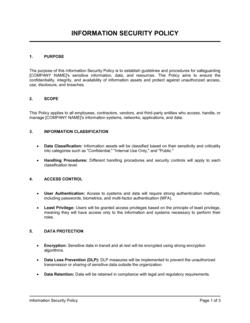
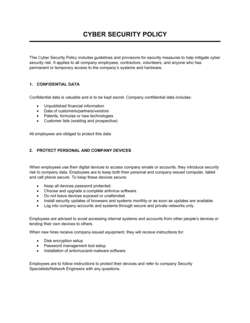
Includes Employee Handbook, Information Security Policy, Cyber Security Policy and 357 more.
At a glance
What it is
Business policy templates are pre-structured documents that define company-wide rules, standards, and expectations — covering areas from HR and IT security to finance and customer service. They give managers a consistent, enforceable framework without requiring every policy to be written from scratch.
When you need one
Organizations reach for policy templates when they are onboarding their first employees, responding to an incident that exposed a gap in written rules, or preparing for an audit or compliance review. Any moment when leadership needs to formalize an expectation — around expense claims, data security, or workplace conduct — is the right time to put a policy in place.
Popular Policy Templates
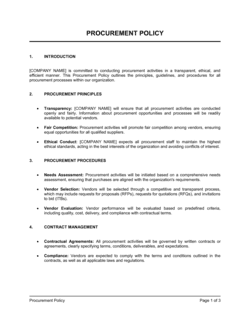
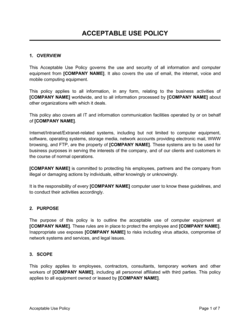
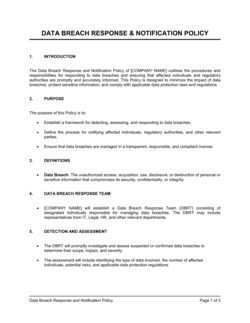
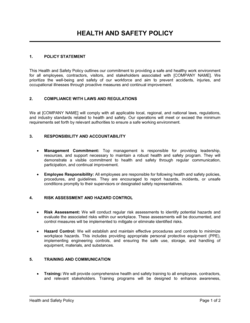
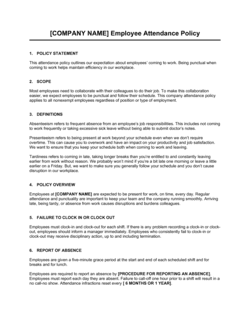
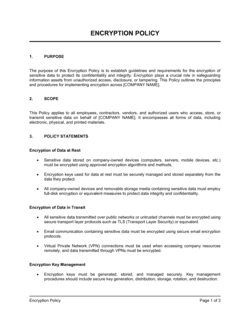
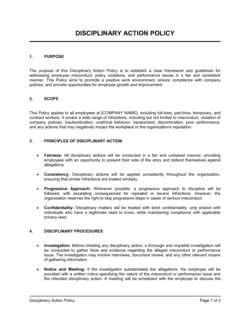
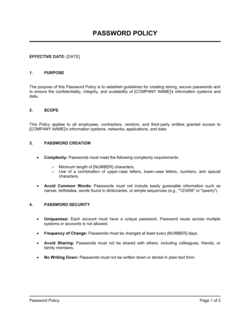
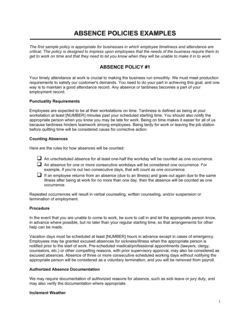
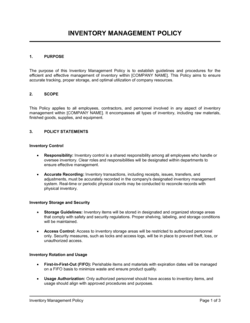
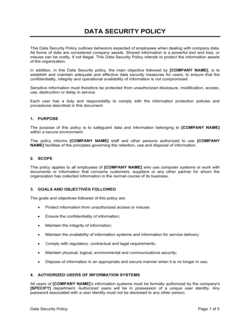
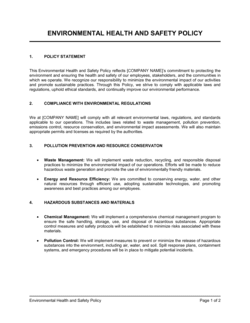
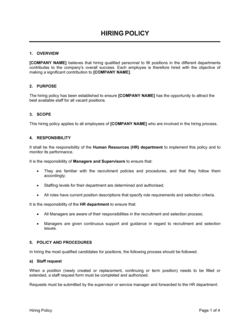
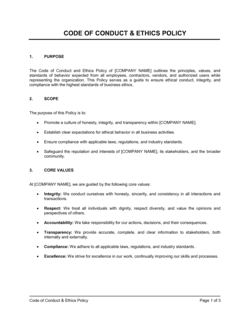
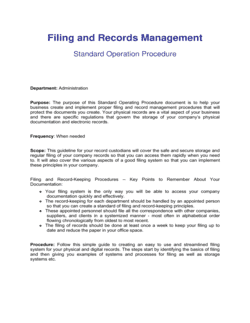
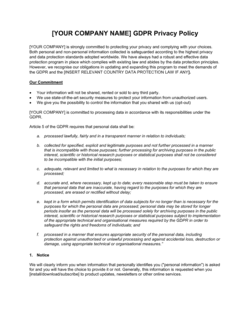
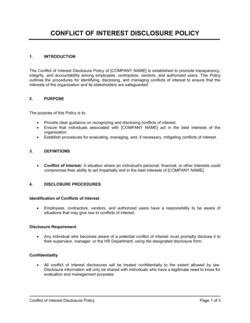
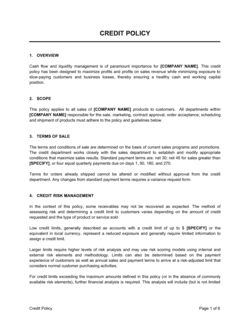
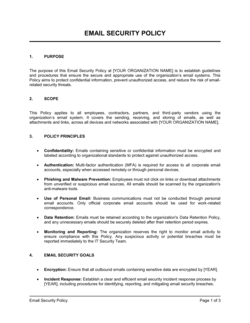
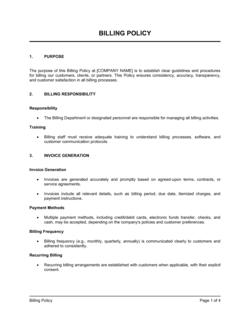
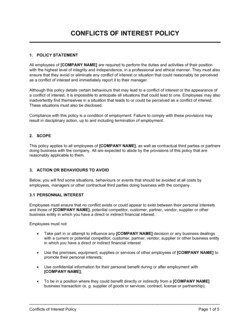
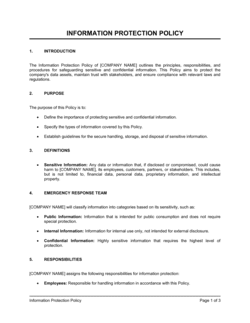
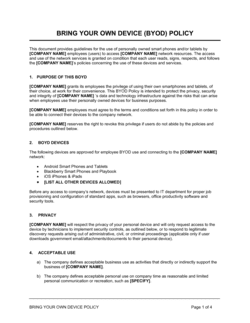
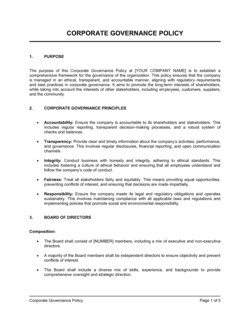
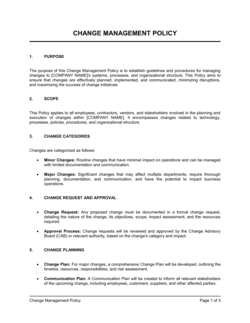
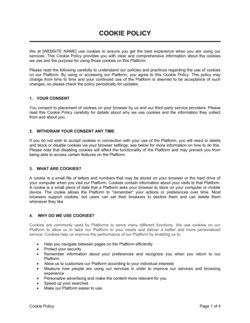
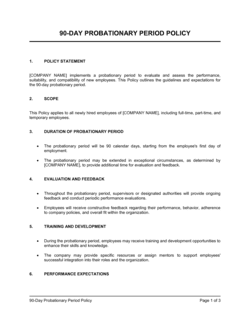
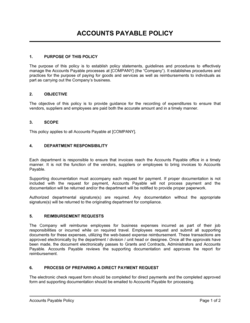
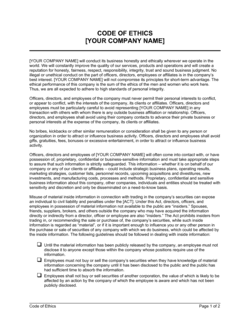
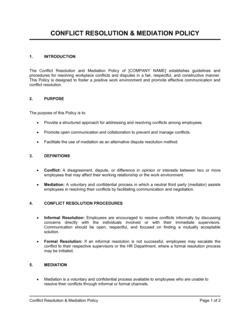
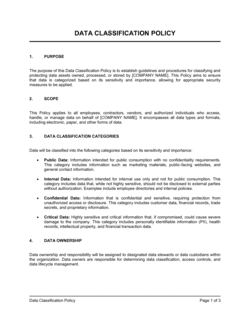
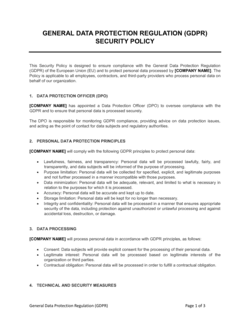
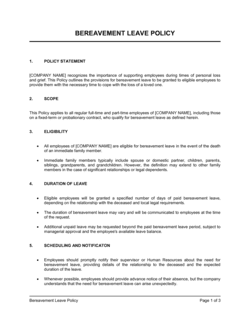
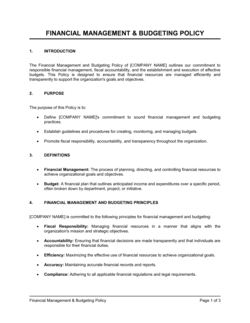
Showing 60 of 360 templates
Looking for something else?
Search all 360 templates in this category by name or keyword.
Business-in-a-Box has all 360 in this category, plus the rest of the library, ready to edit. See what's inside
Which template fits your situation?
The right policy template depends on which operational area or compliance gap you need to address first. Use the scenarios below to find the template that fits your immediate situation.
How to write a business policy
A policy is only effective if it is clear enough for every affected employee to follow without additional guidance — these steps help you get from a blank page to a signed, distributed document.
Identify the gap or risk you are addressing
Start with a specific problem — an incident, a compliance requirement, or a recurring employee question — so the policy has a defined purpose.
Choose the right template for your topic
Select a template that matches the functional area (HR, IT, finance, customer service) to ensure the right structural components are already in place.
Define scope before writing the rules
Clarify upfront who the policy covers and any roles or locations that are excluded, to prevent disputes about applicability.
Write the policy statement in plain language
State each rule as a clear, direct instruction — avoid legal jargon that employees will need to interpret, and test each sentence against the question 'can a new hire follow this?'.
Assign ownership and review dates
Name the person or role responsible for enforcing the policy and set a calendar date for the next formal review.
Get sign-off from legal or HR where required
Policies covering employment conditions, data handling, or health and safety typically require review by a qualified professional before distribution.
Distribute and collect acknowledgement
Share the policy through a trackable channel — email, HRIS, or intranet — and record that each employee has read and acknowledged it.
Glossary
- policy
- A written statement of rules or standards issued by an organization that governs conduct or decisions in a specific area.
- scope
- The section of a policy that defines which people, roles, locations, or situations the policy applies to.
- compliance
- The act of adhering to the rules set out in a policy, regulation, or legal requirement.
- acknowledgement
- A recorded confirmation — typically a signature or digital response — that an employee has read and understood a policy.
- policy brief
- A short document that summarizes the rationale for a proposed policy and recommends a course of action to decision-makers.
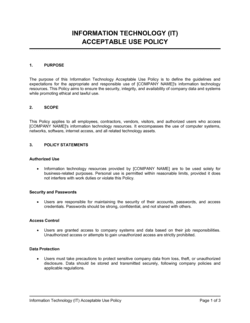
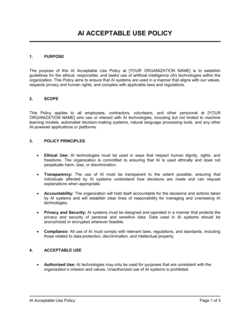
- acceptable use policy
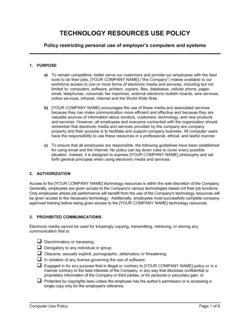
- A policy that defines the permitted and prohibited uses of company-owned technology resources, including computers, networks, and software.
- non-compliance
- A failure by an employee or party to follow the rules set out in a policy, which may trigger disciplinary action.
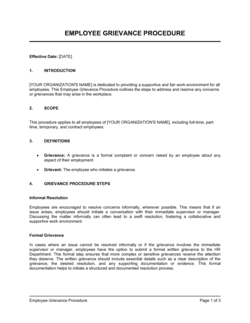
- grievance procedure
- A formal process — often documented in a Grievance Policy — through which an employee raises a complaint about workplace conduct or decisions.
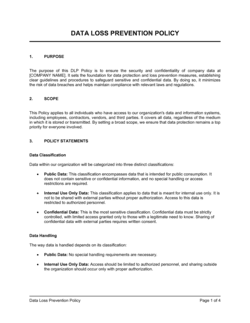
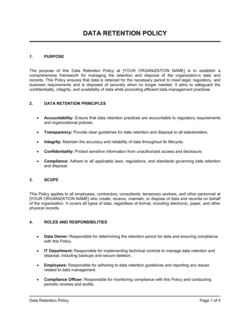
- data retention
- Rules specifying how long particular types of data must be kept and when they must be deleted, often referenced in backup and security policies.
- ESG
- Environmental, Social, and Governance — a framework for measuring and reporting on a company's non-financial impact, often formalized in an ESG Policy.
- policy memo
- An internal communication used to introduce, update, or clarify a policy to a specific audience within an organization.
- review cycle
- The scheduled interval at which a policy is formally re-examined and updated to reflect changes in law, operations, or risk.
Policy Templates by department
Browse other document types
Frequently asked questions
What policy templates are available?
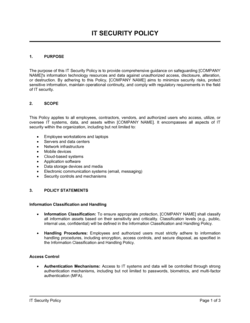
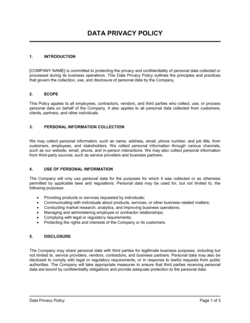
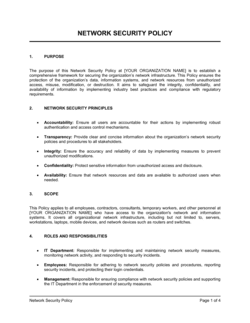
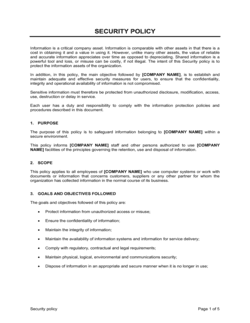
360 policy templates, including Employee Handbook, Information Security Policy, Cyber Security Policy, IT Security Policy, Data Privacy Policy.
What is a business policy document?
A business policy document is a written statement of the rules and standards that govern how an organization and its people behave in a specific area. It differs from a procedure (which explains how to do something) and a contract (which is a mutual agreement between parties). Policies are issued by the organization and apply to everyone within their defined scope. They typically include a purpose statement, the rules themselves, roles, and consequences for non-compliance.
Which policy templates should a new business set up first?
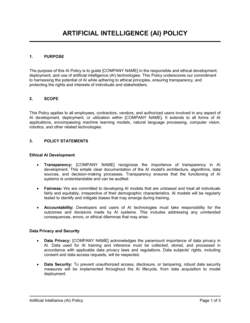
Most new businesses prioritize four policies before hiring their first employee: an Attendance Policy, a Security Policy, an Expense Policy, and an Internet Policy. These four cover the most common day-one employment questions and the most frequent sources of workplace disputes. An AI Policy has also become a high-priority early document as staff increasingly use AI tools in their work.
Are policy templates legally binding?
A policy is generally not a contract in the same sense as a signed agreement, but it can carry legal weight — particularly in employment disputes — if it has been clearly communicated and acknowledged by employees. In most jurisdictions, a consistently enforced written policy strengthens an employer's position in disciplinary or termination proceedings. Consider having an employment lawyer review policies that touch on protected characteristics, health and safety, or termination procedures.
How often should company policies be reviewed?
Most organizations review core policies annually, with an immediate ad-hoc review triggered by a regulatory change, a workplace incident, or a significant change in how the business operates. IT and data policies (such as the Security Policy, Password Policy, and AI Policy) often need more frequent updates — every six to twelve months — given how quickly technology and related regulations evolve.
What is the difference between a policy and a procedure?
A policy sets the rule — what is required or prohibited and why. A procedure sets the steps — exactly how someone carries out an action in compliance with that rule. For example, a Backup Policy requires that all company data be backed up daily; the accompanying backup procedure tells the IT administrator the exact sequence of steps to follow. Both documents are often needed, but the policy is the authoritative governance document.
Do small businesses need formal written policies?
Yes — even a business with five employees benefits from written policies because verbal rules are harder to enforce consistently and leave the organization exposed in disputes. A small team reaching ten or more people typically needs at minimum an attendance policy, an expense policy, and a basic IT policy. Many of these can be adapted from templates in under an hour, making the effort-to-protection ratio strongly positive.
Can I use one policy template across multiple locations or countries?
A single template provides a useful starting structure, but policies covering employment conditions, health and safety, data privacy, or termination typically need to be adapted for each jurisdiction's local laws. Use the template to establish the universal principles and structure, then have a local legal or HR advisor review the jurisdiction-specific sections before distribution.
What should a policy brief be used for?
A Policy Brief is a short, structured document used to propose or summarize a policy position — typically for leadership or stakeholders who need to make a decision. It differs from the policy itself: the brief makes the case for a course of action, while the resulting policy document is the formal ruleset. Policy briefs are common in government, non-profit, and larger corporate settings where formal approval processes require documented rationale.
One document. A more organized business.
Your documents are part of how your business operates. Business in a Box brings the work, people and information around them into one workspace.
Start with the template you need. Bring the rest of your business together when you're ready.
How our templates are made
Every template is written by the Business in a Box editorial team and published by Bruno Goulet, CEO & Editor-in-Chief. Business in a Box has published business and legal templates for more than 20 years. Each document page explains what the template covers and how to fill it in; for legal documents, have a qualified professional review the final version when the stakes warrant it.