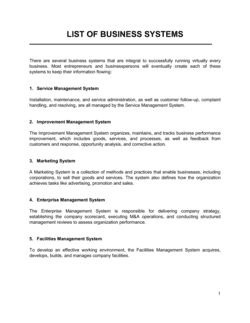
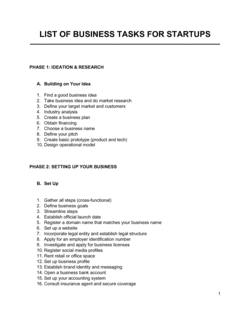
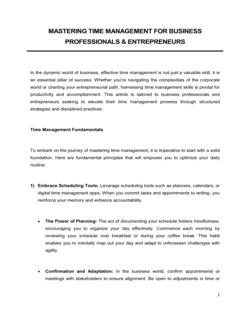
- Administration
- The day-to-day management of a business's operational systems, records, and processes.
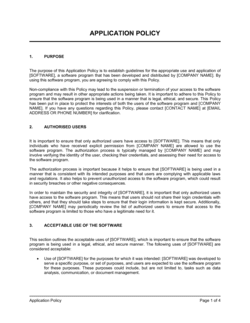
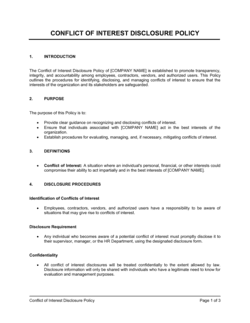
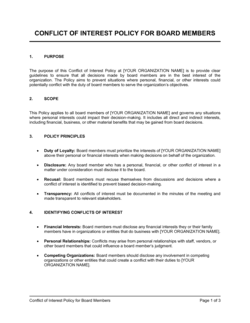
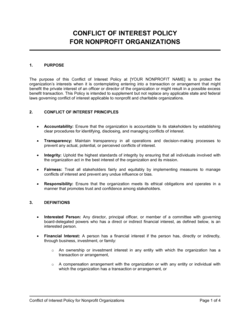
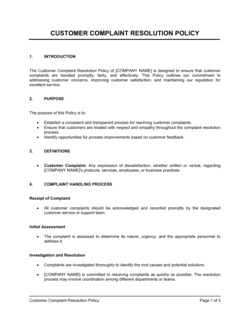
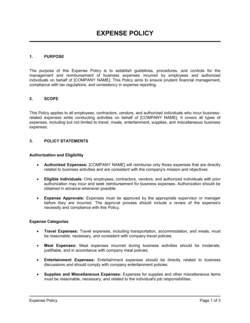
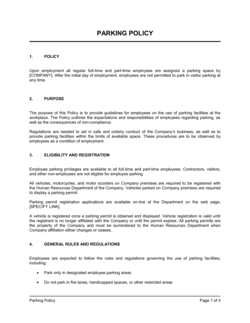
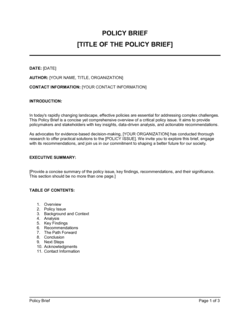
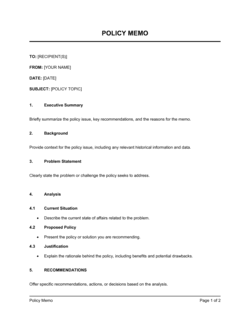
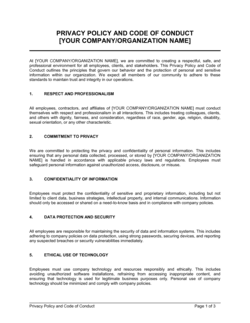
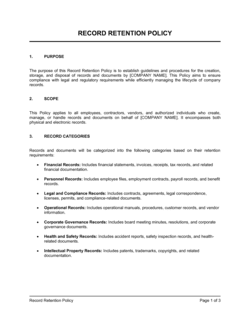
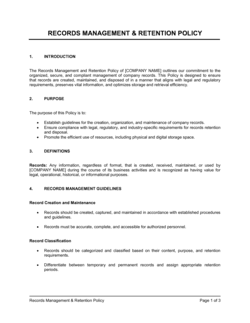
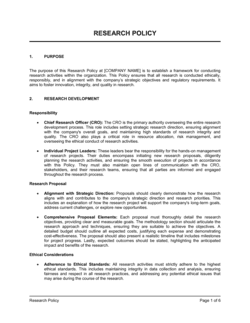
- Policy
- A formal statement of organizational intent that sets the rules for how a specific area of operations will be managed.
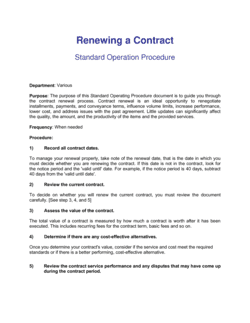
- Procedure
- A step-by-step description of how to carry out a policy or process consistently.
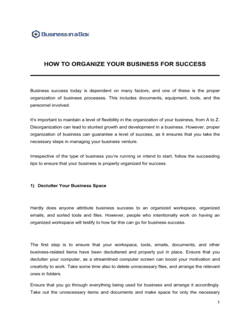
- Management plan
- A document that describes how a specific management function will be executed, resourced, and measured over a defined period.
- Change management
- The structured approach to transitioning people, processes, and technology from a current state to a desired future state.
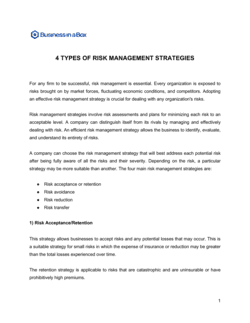
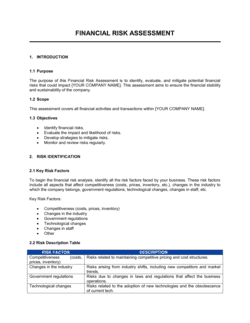
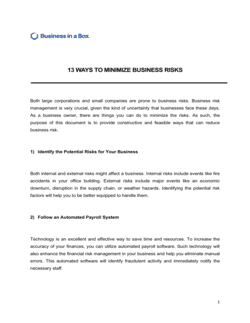
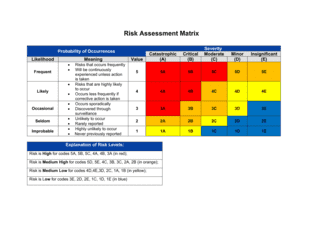
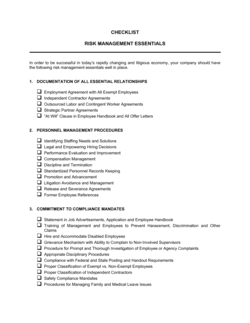
- Risk management
- The process of identifying, assessing, and mitigating threats that could prevent a business from achieving its objectives.
- Crisis management
- The process of preparing for, responding to, and recovering from events that significantly disrupt normal operations.
- Business process management (BPM)
- The discipline of modeling, analyzing, and improving the workflows that deliver value inside an organization.
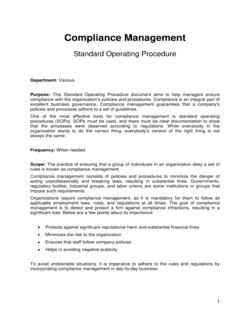
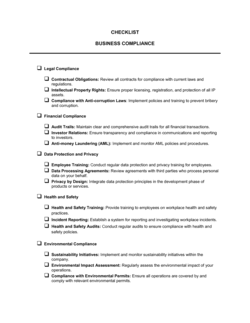
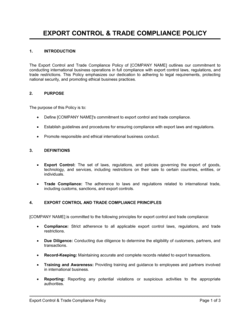
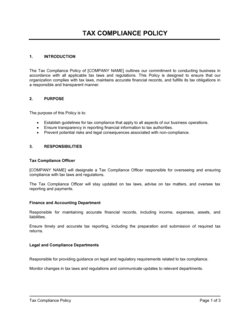
- Compliance management
- The systems and processes a company uses to meet legal, regulatory, and internal policy requirements.
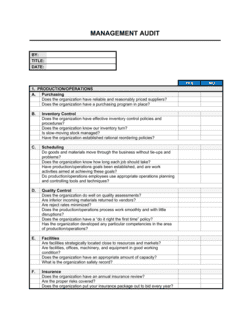
- Management audit
- A systematic evaluation of how well an organization's management practices align with its goals, policies, and standards.
- Version control
- The practice of tracking document revisions so the current approved version is always identifiable.
- Escalation path
- A predefined sequence of contacts or approvals to follow when a standard process cannot resolve a problem.