1
Define scope and identify all affected roles
List every department, subsidiary, and transaction type the manual will govern. Identify the role responsible for owning and updating the manual annually.
💡 Circulate the scope statement to department heads before finalizing — unexpected gaps (e.g., sales team expense cards) surface at this stage rather than after rollout.
2
Document your existing chart of accounts
Export your current account list from your accounting system, assign a logical numbering convention if one does not exist, and document the rules for creating or retiring accounts.
💡 Clean up duplicate or unused accounts before documenting — embedding a messy chart of accounts into a formal policy locks in the mess.
3
Write the revenue recognition policy to match your business model
Identify each revenue stream and specify the event that triggers recognition (delivery, subscription period, project milestone). Reference ASC 606 or IFRS 15 as applicable.
💡 If you have more than one revenue stream, document each separately — a single blanket policy often fails to describe any of them accurately.
4
Set approval thresholds and document the AP workflow
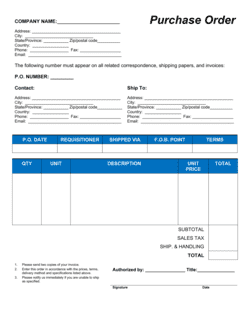
Decide on dollar thresholds for purchase approval, dual authorization, and purchase orders. Map the workflow from purchase request to payment posting and document each step with the responsible role.
💡 Set thresholds based on your actual transaction volume — thresholds that are too low create bottlenecks; thresholds that are too high leave significant spend uncontrolled.
5
Establish expense and payroll controls with segregation of duties
Identify every step in the expense reimbursement and payroll processes, then assign each step to a different person where possible. Document what happens when a small team cannot fully segregate duties.
💡 For small teams where full segregation is impossible, compensating controls — such as owner review of the bank statement — should be documented explicitly.
6
Build the month-end close checklist
List every task required to close a period in the order it should be performed. Assign a responsible person and a target completion date relative to month end (e.g., 'Day 3 — post all AP invoices').
💡 Run the checklist for two consecutive months before embedding it in the policy — you will almost always discover missing steps.
7
Specify financial reporting deliverables and distribution
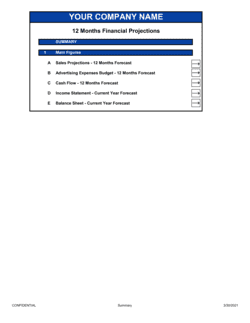
List every regular financial report, its format, the basis of accounting (GAAP, cash, or tax), the delivery deadline, and the distribution list.
💡 Add a variance commentary requirement for any line item that deviates more than 10% from budget or prior period — this forces proactive explanation rather than reactive guessing.
8
Review, approve, and communicate the manual
Have the controller or CFO review the final draft, obtain sign-off from the appropriate authority (owner, board, or audit committee), and distribute to all affected staff with a brief training session.
💡 Version-control the document with an effective date and revision history table so staff always know which version is current.