Production & Operations Management Templates

4.7from 280+ reviews Trusted by 20M+ businesses

Plan, execute, and control your operations with ready-to-use templates built for every management scenario.

WordEditable onlinePDF132+ production & operations templates

Browse 16 categories

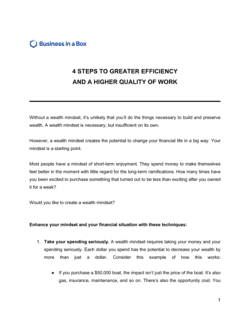
4 Steps To Greater Efficiency And Higher Quality Of
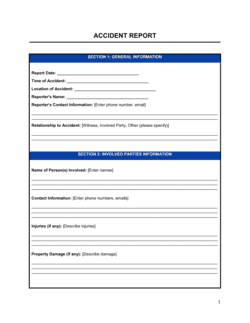
Accident Report Template (Free Word)
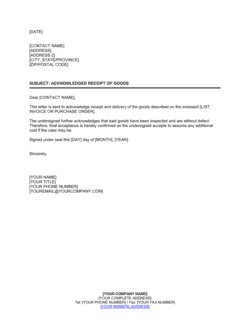
Acknowledged Receipt of Goods Template (Free Word)
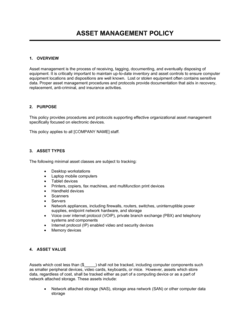
Asset Management Policy Template (Free Word)
Business Contingency Plan Template (Free Word)
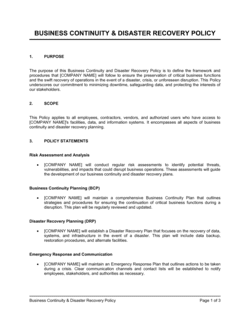
Business Continuity & Disaster Recovery Policy Template (Free Word)
Business Continuity Plan Template (Free Word)
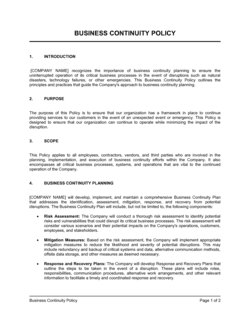
Business Continuity Policy Template (Free Word)
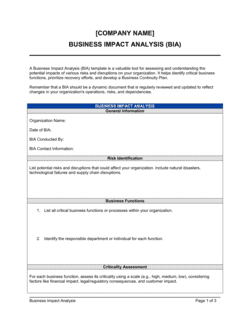
Business Impact Analysis Template (Free Word)
Business Process Management Template (Free Word)
Business Process Mapping Template
Business Processes Management Template (Free Word)
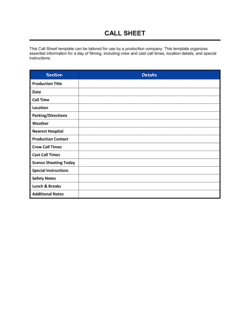
Call Sheet Template
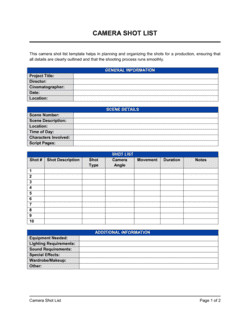
Camera Shot List Template (Free Word)
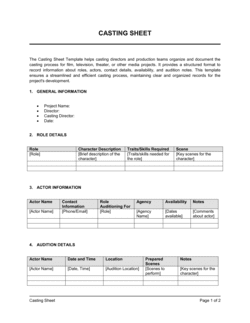
Casting Sheet Template (Free Word)
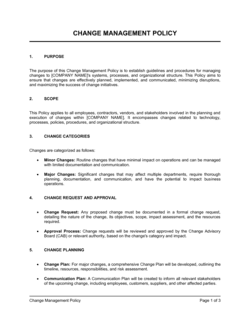
Change Management Policy Template (Free Word)
Change Management Procedure Template (Free Word)
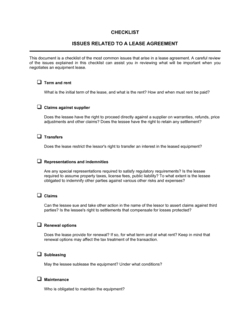
Checklist Equipment Lease Template (Free Word)
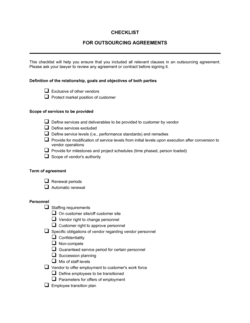
Checklist for Outsourcing Agreements Template (Free Word)
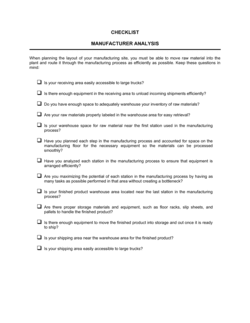
Checklist Manufacturer Analysis Template (Free Word)
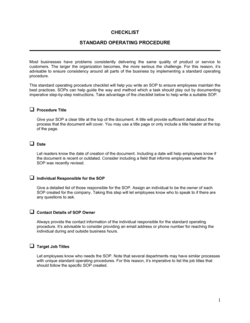
Checklist Standard Operating Procedure Template (Free Word)
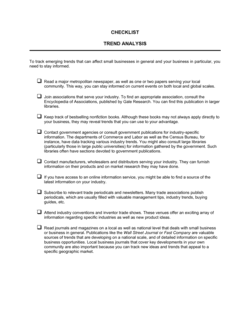
Checklist Trend Analysis Template (Free Word)
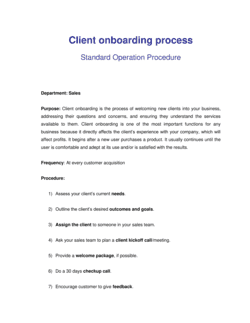
Client Onboarding Process Template (Free Word)
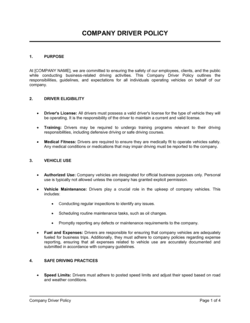
Company Driver Policy Template (Free Word)
Construction Safety Plan Template (Free Word)
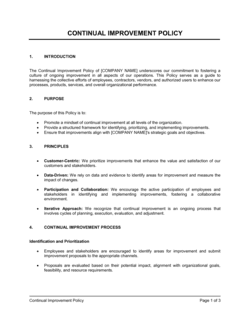
Continual Improvement Policy Template (Free Word)
Continuous Improvement Plan Template (Free Word)
XLS
Cue Sheet Template
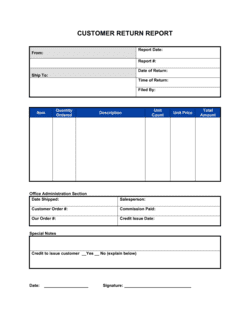
Customer Return Report Template (Free Word)
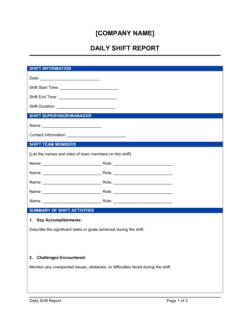
Daily Shift Report Template (Free Word)
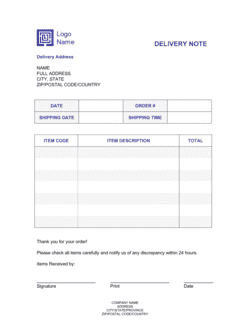
Delivery Note Template (Free Word)
Disaster Recovery Plan Template (Free Word)
Diversity Supplier Program Policy Template (Free Word)
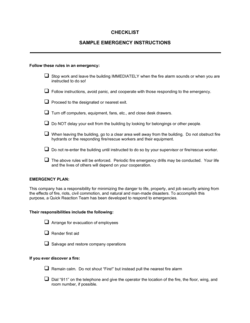
Emergency Procedures Checklist Template (Free Word)
Emergency Response And Evacuation Policy Template (Free Word)
Emergency Response Plan Template (Free Word)
Emergency Response Policy Template (Free Word)
Environmental Impact Assessment Template (Free Word)
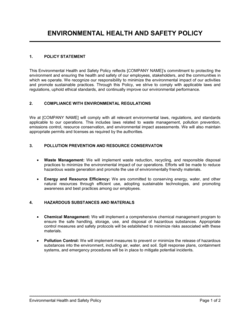
Environmental, Health and Safety Policy Template (Free Word)
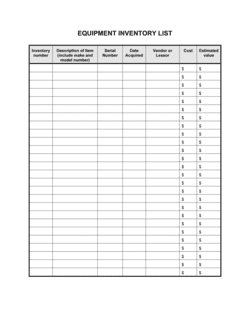
Equipment Inventory Checklist Template (Free Word)
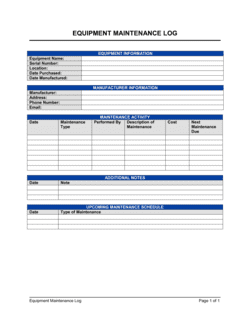
Equipment Maintenance Log Template (Free Word)
Ergonomics Checklist Template (Free Word)
Facility Management Plan Template (Free Word)
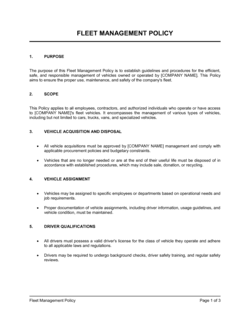
Fleet Management Policy Template (Free Word)
Franchise Operations Manual Template
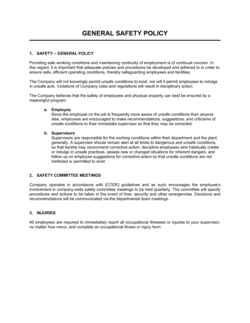
General Safety Policy Template (Free Word)
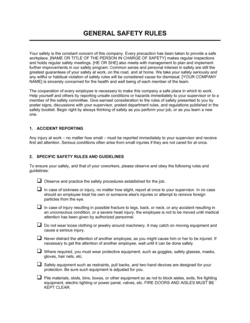
General Safety Rules Template (Free Word)
General Video Script Template (Free Word)
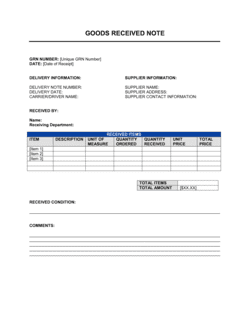
Goods Received Note Template (Free Word)
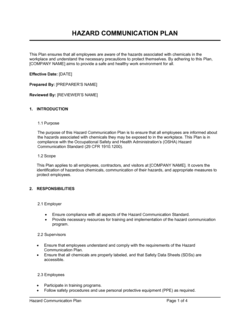
Hazard Communication Plan Template (Free Word)
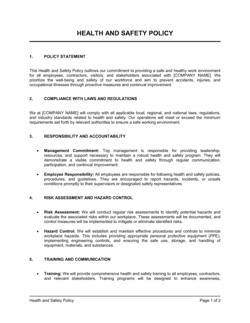
Health and Safety Policy Template (Free Word)
Hotel Standard Operating Procedure Template (Free Word)
Hourly Schedule Planner Template (Free Word)
How To Automate Your Business Processes Template
How To Develop A Script Template
How To Improve Any Business Process Template
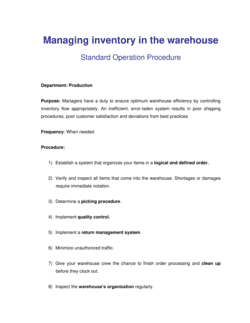
How To Manage Inventory In The Warehouse Template (Free Word)
How To Optimize Transport And Logistic Template (Free Word)
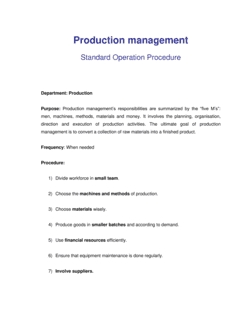
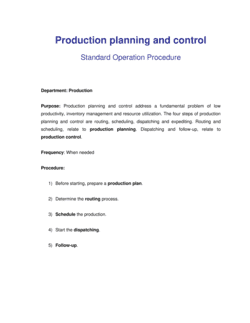
How To Plan And Manage Production Template
How To Review A Supplier Contract Template
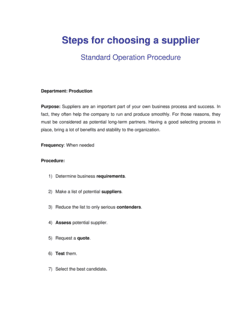
How To Select A Supplier Template
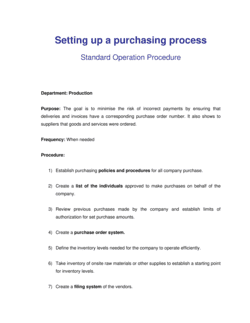
How To Setup A Purchasing Process Template (Free Word)
Incident Investigation Policy Template (Free Word)
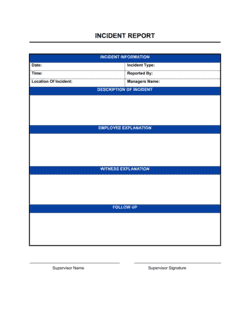
Incident Report Template (Free Word)
XLS
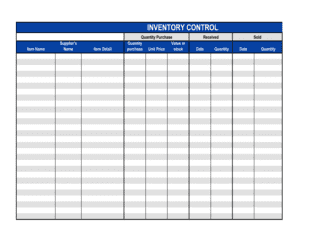
Inventory Control Sheet Template (Free Word)
XLS
Inventory Control Sheet Template (Free Word)
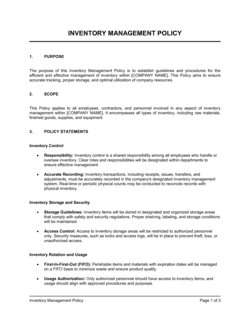
Inventory Management Policy Template (Free Word)
Inventory Reconciliation Template (Free Word)
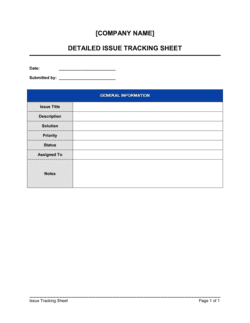
Issue Tracking Sheet Template (Free Word)
XLS
Material Requirement Planning Template (Free Word)
Notice of Packing Slip Requirements Template (Free Word)
Operations Manual Template
Packing List of Order Template (Free Word)
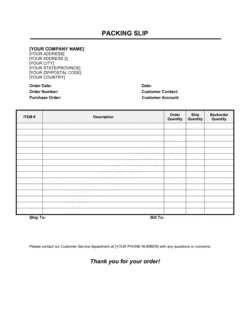
Packing Slip Template (Free Word)
Parts Arrival Notification Template (Free Word)
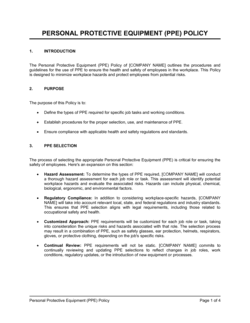
Personal Protective Equipment Policy Template (Free Word)
Podcast Script Template (Free Word)
PPE Checklist Template (Free Word)
XLS
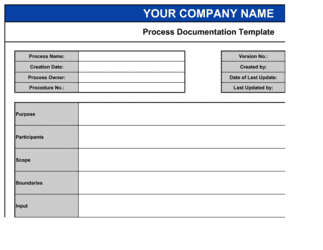
Process Documentation Template (Free Word)
Procurement Plan Template (Free Word)
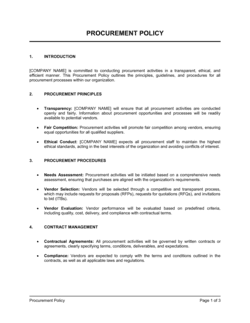
Procurement Policy Template (Free Word)
XLS
Product Comparison Worksheet Template (Free Word)
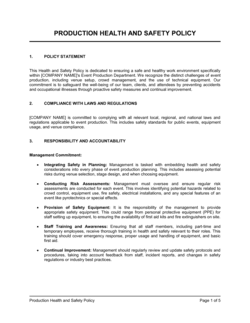
Production Health And Safety Policy Template (Free Word)
Production Management Steps Template (Free Word)
Production Operations Management Strategies Template (Free Word)
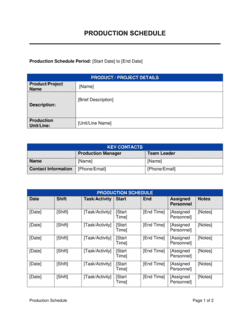
Production Schedule Template (Free Word)
Production Video Script Template (Free Word)
Project Management Plan Template (Free Word)
XLS
Project Timeline Template (Free Word)
Quality Assurance Plan Template (Free Word)
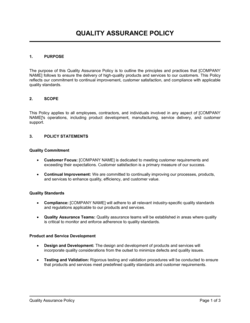
Quality Assurance Policy Template (Free Word)
Quality Comparison Survey Template (Free Word)
Quality Control And Assurance Policy Template (Free Word)
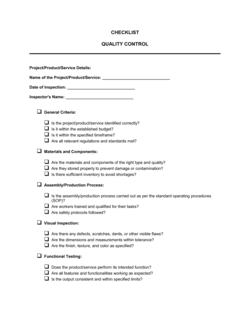
Quality Control Checklist Template (Free Word)
Quality Control Plan Template (Free Word)
Quality Management Guide Template
Quality Management Plan Template (Free Word)
Quality Scale Survey Template (Free Word)
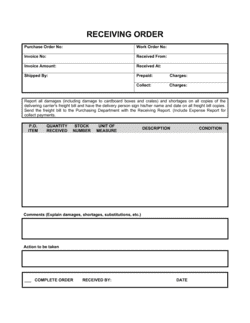
Receiving Order Template (Free Word)
Request For Information In Advance Of Purchase Order Template (Free Word)
Request For Information Template (Free Word)
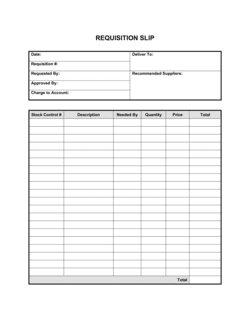
Requisition Slip Template (Free Word)
Restaurant Standard Operating Procedure Template (Free Word)
Return Authorization RMA Template (Free Word)
Safe Driving Policy Template (Free Word)
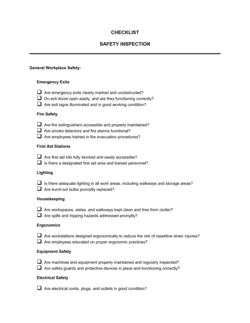
Safety Inspection Checklist Template (Free Word)
Safety Plan Template (Free Word)
Safety Reporting And Incident Investigation Policy Template (Free Word)
XLS
Shipping Manifest Template (Free Word)
SOP Template
Sound Report Template (Free Word)
Supplier Code of Conduct Template (Free Word)
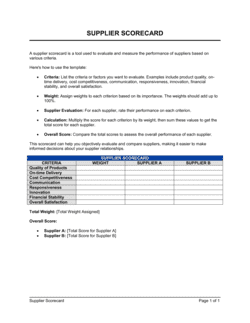
Supplier Scorecard Template (Free Word)
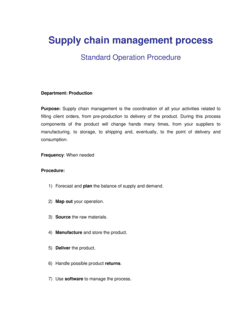
Supply Chain Management Steps Template
Supply Chain Plan Template (Free Word)
Temporary Help Agency Screening Checklist Template (Free Word)
Transport Policy Template (Free Word)
Trucking Company Policy Template (Free Word)
Vehicle Fleet Policy Template (Free Word)
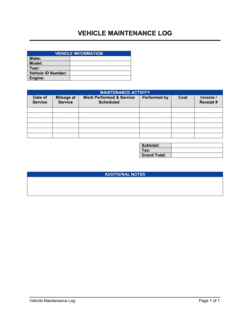
Vehicle Maintenance Log Template (Free Word)
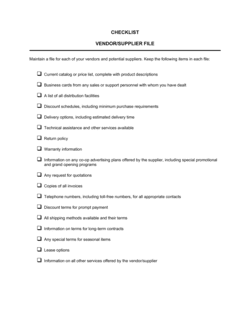
Vendor and Supplier File Checklist Template (Free Word)
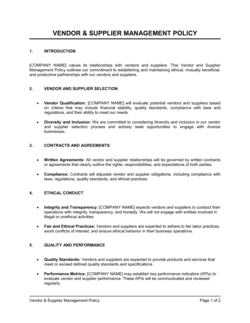
Vendor And Supplier Management Policy Template (Free Word)
Vendor Evaluation Template (Free Word)
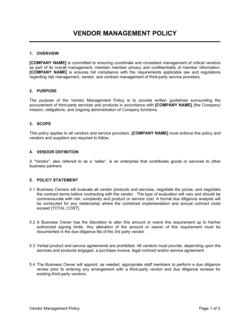
Vendor Management Policy Template (Free Word)
Vendor Onboarding Checklist Template (Free Word)
Visitor Policy Template (Free Word)
Waste Management Plan Template (Free Word)
XLS
Work Breakdown Structure Template (Free Word)
Work Order Form Template (Free Word)
Workplace Ergonomics Policy Template (Free Word)
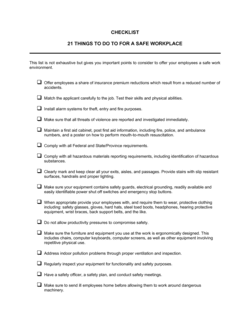
Workplace Safety Checklist Template (Free Word)
250K+Clients
20M+Free users
20+Years
190+Countries
10,000+Law firms
50M+Downloads

Trusted across review platforms

  • Capterra★★★★☆4.649 reviews
  • G2★★★★☆4.713 reviews
  • GetApp★★★★☆4.649 reviews
  • Google Play★★★★☆4.6179 ratings
  • Google Reviews★★★★☆4.567 reviews

Related categories

Frequently asked questions

What does a production and operations management template include?
Most templates in this category include a scope statement, defined roles and responsibilities, step-by-step procedures or plans, performance standards, and a review schedule. More complex documents like the Change Management Plan or Crisis Management Plan also include stakeholder communication sections and escalation paths.
How is operations management different from project management?
Operations management governs ongoing, repeating processes — production runs, quality checks, vendor relationships. Project management governs one-time initiatives with a defined start and end. In practice, you use project management to launch or change an operation, then operations management templates to run it consistently afterward.
When should a business document its production processes?
Document production processes before scaling, before adding new staff, or before any regulatory audit. Businesses that wait until something goes wrong typically find that undocumented processes are the root cause of the failure. Early documentation also speeds up onboarding and reduces dependence on individual institutional knowledge.
What is a change management plan and when do I need one?
A change management plan is a document that describes how an organization will transition from a current state to a desired future state — covering what is changing, who is affected, how communication will work, and how resistance will be managed. You need one any time a change affects more than one team or requires people to work differently than they do today.
Can these templates be adapted for a small business?
Yes. Most templates in this folder are designed to scale — a small business can remove sections that don't apply and fill in the relevant fields without restructuring the document. The Business Management Checklist (D12941) and Task Management Template (D13241) are particularly well-suited to small teams.
What is a production schedule and who uses it?
A production schedule maps out what will be produced, in what quantity, by which team or machine, and by when. It is used by production managers, operations supervisors, and supply chain teams to coordinate resources and meet delivery commitments. It typically feeds into inventory planning and workforce scheduling.
How do I evaluate whether my operations manager is performing well?
Use a structured evaluation tool such as the Manager Evaluation (D13843) or the Worksheet Evaluating Management Performance (D135). These documents assess against defined criteria — decision-making, team development, process adherence, output quality — rather than subjective impressions, which makes feedback more actionable and defensible.
What policies should every operations department have in writing?
At minimum: a vendor management policy, a change management policy, an asset management policy, and a health and safety policy. Businesses with fleets also need a fleet management policy. These documents protect the company in audits, define employee expectations, and provide a basis for consistent decision-making across locations and teams.

Production & Operations Management vs. related documents

Production & Operations Management vs. Project management templates

Operations management covers repeating, ongoing processes — production cycles, vendor relationships, quality control. Project management covers one-time, time-bound initiatives with defined deliverables. You often need both: a project plan to launch a new production line, and operations templates to run it afterward. Templates like the Project Management Plan (D13030) and Task Management Template (D13241) bridge the two.

Production & Operations Management vs. HR management templates

HR templates govern the employee lifecycle — recruiting, onboarding, compensation, and performance. Operations management templates govern the work itself — how tasks are sequenced, how resources are allocated, and how output is measured. Job descriptions and interview guides in this folder sit at the intersection of both, focusing specifically on operations and production roles.

Production & Operations Management vs. Policy templates

A policy states what must be done and why; an operations procedure or plan explains how to do it. This folder contains both. Asset Management Policy (D12879) or Fleet Management Policy (D13840) set rules; Change Management Procedure (D12881) and How to Plan and Manage Production (D12590) explain execution. Both are needed to run a compliant, auditable operation.

Production & Operations Management vs. Business continuity and risk templates

Business continuity plans prepare for long-term disruption; a Crisis Management Plan (D13004) focuses on the immediate response window — the first hours and days of an incident. Operations management templates like quality guides and production schedules reduce the frequency of disruptions; crisis and continuity documents govern what happens when they occur anyway.

Key clauses every Production & Operations Management contains

Regardless of sub-type, production and operations documents share a common set of components that make them actionable and auditable.

  • Scope and objectives. States which processes, teams, or facilities the document covers and what measurable outcome it is designed to achieve.
  • Roles and responsibilities. Names who owns each task or decision — essential for accountability in cross-functional operations.
  • Process steps or procedures. The sequential actions required to execute the operation, written in enough detail that a new team member can follow them.
  • Resources and inputs. Identifies the materials, equipment, budget, or personnel needed to carry out the process.
  • Quality and performance standards. Defines acceptable outputs, error tolerances, or KPIs so teams know when a process is performing correctly.
  • Monitoring and review schedule. Sets how often the process will be audited, who reviews it, and how findings are recorded.
  • Change control. Describes how updates to the procedure are approved, documented, and communicated to affected teams.
  • Health, safety, and compliance requirements. Flags applicable regulations, safety standards, or legal obligations the operation must satisfy.

How to write a production and operations management document

Effective operations documents are specific, not generic — they should describe your actual processes, not a theoretical ideal.

  1. 1

    Define the scope

    Clarify which part of the operation the document covers — one production line, one department, or the entire facility.

  2. 2

    Identify the audience

    Determine who will use the document — frontline operators, supervisors, or executives — and calibrate the language accordingly.

  3. 3

    Map the current process

    Walk through how the operation actually works today, noting each step, decision point, and handoff between teams.

  4. 4

    Assign roles and ownership

    Name the person or role responsible for each step, approval, or review — avoid generic terms like 'the team'.

  5. 5

    Set measurable standards

    Attach a number or observable criterion to each key output: cycle time, defect rate, on-time delivery percentage.

  6. 6

    Document exceptions and escalations

    Describe what happens when something goes wrong — who is notified, what the fallback procedure is, and how it gets resolved.

  7. 7

    Schedule review and version control

    Set a review date (typically annual or after any major change), label the version, and store the signed copy in a central location.

At a glance

What it is
Production and operations management documents are the structured plans, policies, guides, and evaluation tools that govern how a business produces goods or delivers services. They set the procedures, responsibilities, and standards that keep operations consistent, measurable, and improvable.
When you need one
Any time you're launching a new operational process, onboarding a manager, responding to a disruption, or scaling production, you need documented procedures in place before things go wrong.

Which Production & Operations Management do I need?

The right template depends on whether you're managing people, processes, assets, or change. Match your situation below to find the most relevant starting point.

Your situation
Recommended template

Rolling out a change to processes, systems, or structure

Provides a structured framework for planning, communicating, and tracking organizational change.

Scheduling production runs across teams or shifts

Lays out timelines, resources, and output targets for a production cycle.

Building a step-by-step process for managing production

Walks teams through the core actions needed to run production systematically.

Responding to an unexpected operational disruption or crisis

Provides a pre-built response framework to minimize damage and restore operations quickly.

Evaluating the quality of your current management practices

Audits existing management processes against best-practice benchmarks.

Hiring or posting a role for an operations manager

Covers responsibilities, qualifications, and reporting lines specific to operations management roles.

Setting policy for managing vendors and external suppliers

Defines selection criteria, performance standards, and escalation procedures for third-party relationships.

Tracking and improving product or service quality across teams

Establishes quality objectives, control points, and review cadences for consistent output.

Glossary

Operations management
The administration of business practices to create the highest level of efficiency possible within an organization, covering production, supply chain, and service delivery.
Production schedule
A timeline that specifies what will be manufactured or produced, in what volume, using which resources, and by which date.
Change management
A structured approach to transitioning individuals, teams, and organizations from a current state to a desired future state.
Quality management
The ongoing effort to ensure that products or services meet defined standards through planning, control, assurance, and improvement activities.
Asset management policy
A written policy governing how a company acquires, tracks, maintains, and disposes of its physical or financial assets.
Vendor management
The process of selecting, contracting, monitoring, and evaluating external suppliers to ensure they meet cost, quality, and delivery requirements.
Management audit
A systematic review of an organization's management practices to identify gaps, inefficiencies, or non-compliance with established standards.
Crisis management plan
A pre-developed set of procedures that guides an organization's response to an unexpected event that threatens operations, safety, or reputation.
Business process management
A discipline that uses methods to discover, model, analyze, measure, improve, and optimize business processes.
Fleet management policy
A document governing the use, maintenance, safety, and cost control of company vehicles.
KPI (Key Performance Indicator)
A measurable value that demonstrates how effectively an operation or individual is achieving a defined objective.
Compliance management
The process of ensuring that an organization and its operations adhere to applicable laws, regulations, and internal policies.

What is production and operations management?

Production and operations management is the discipline of planning, organizing, directing, and controlling the resources and processes that a business uses to produce goods or deliver services. It covers everything from scheduling production runs and managing vendor relationships to defining quality standards, responding to disruptions, and evaluating the performance of the people who oversee these activities. The goal is to convert inputs — labor, materials, equipment, and information — into outputs efficiently and consistently.
In practice, operations management spans several sub-disciplines: production planning, quality management, supply chain oversight, change management, asset and fleet management, and the policies that govern all of them. Businesses that document these disciplines clearly experience fewer errors, faster onboarding, and a stronger foundation for growth. Those that rely on informal arrangements find them hard to scale and harder to audit.

When you need a production and operations management template

Operations management documents are needed whenever a business wants to standardize how work gets done, not just once but repeatedly and reliably. They become especially critical when headcount grows, when locations multiply, or when a business moves from founder-led operations to team-led ones.
Common triggers:

  • A manufacturer needs to schedule and track production runs across multiple shifts
  • A company is rolling out a new software system and needs a change management plan to guide the transition
  • An HR team is hiring for a production supervisor or operations manager role
  • A quality incident has occurred and the business needs to document corrective procedures
  • A new vendor relationship requires a written policy for performance and escalation
  • A business is preparing for a regulatory audit and needs to demonstrate documented procedures
  • A remote or distributed team needs a standardized approach to managing tasks and projects
  • A crisis — equipment failure, supply chain disruption, or safety incident — reveals the absence of a response framework

Without documented operations management practices, institutional knowledge lives in individual employees rather than in the organization. When those employees leave, or when the business faces an audit, a dispute, or a disruption, the absence of documentation becomes an immediate liability. The templates in this folder give teams a starting structure they can adapt to their actual operations rather than building from scratch.

Award-winning platform

  • Great Place to Work 2025
  • BIG Award — Product of the Year 2025
  • Smartest Companies 2025
  • Global 100 Excellence 2026
  • Best of the Best 2025

Create your document in 3 simple steps.
From template to signed document — all inside one Business Operating System.
1
Download or open template

Access over 3,000+ business and legal templates for any business task, project or initiative.

2
Edit and fill in the blanks with AI

Customize your ready-made business document template and save it in the cloud.

3
Save, Share, Send, Sign

Share your files and folders with your team. Create a space of seamless collaboration.

Save time, save money, and create top-quality documents.

★★★★★

"Fantastic value! I'm not sure how I'd do without it. It's worth its weight in gold and paid back for itself many times."

Managing Director · Mall Farm
Robert Whalley
Managing Director, Mall Farm Proprietary Limited
★★★★★

"I have been using Business in a Box for years. It has been the most useful source of templates I have encountered. I recommend it to anyone."

Business Owner · 4+ years
Dr Michael John Freestone
Business Owner
★★★★★

"It has been a life saver so many times I have lost count. Business in a Box has saved me so much time and as you know, time is money."

Owner · Upstate Web
David G. Moore Jr.
Owner, Upstate Web

Run your business with a system — not scattered tools

Stop downloading documents. Start operating with clarity. Business in a Box gives you the Business Operating System used by over 250,000 companies worldwide to structure, run, and grow their business.

Start free · No credit card required