Resolution Templates
Formal corporate decisions — board resolutions, shareholder resolutions.
Instant downloads • Fully editable • Export to Word, Excel or PDF
75 templates
Includes Board Resolution, Action By Written Consent Of Shareholders, Board Resolution — Corporate Credit Card Use and 72 more.
At a glance
What it is
Resolution templates capture the formal decisions of a board of directors, shareholders, or governing body in writing, giving those decisions legal standing. Companies reach for them whenever a significant corporate action — appointing officers, issuing shares, approving a budget, or settling a dispute — requires documented authority.
When you need one
Any time a corporate body takes an action that binds the company — or that a bank, regulator, or counterparty will ask to see evidence of — a signed resolution is the correct record. Without one, the authority behind the decision can be challenged and transactions can stall.
Popular Resolution Templates
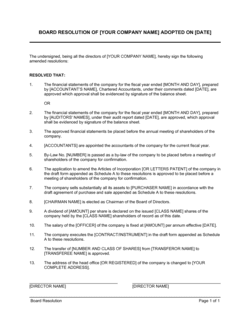
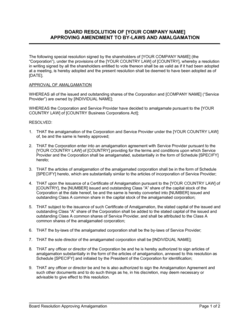
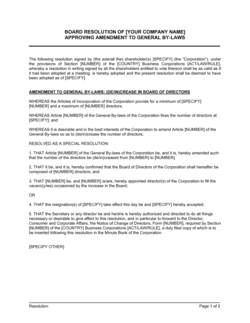
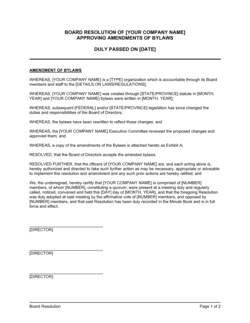
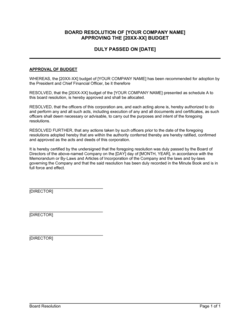
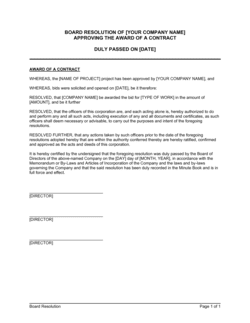
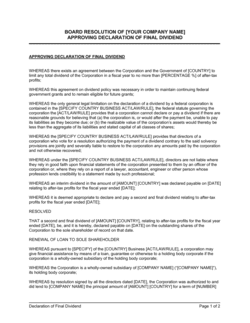
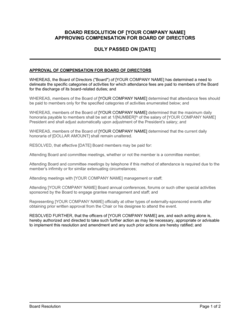
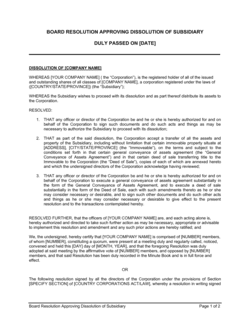
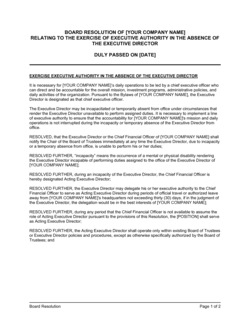
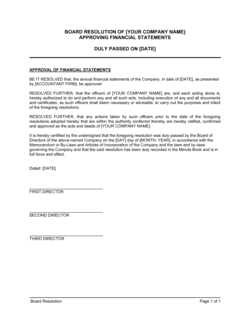
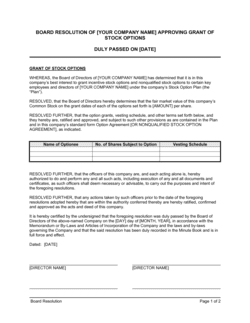
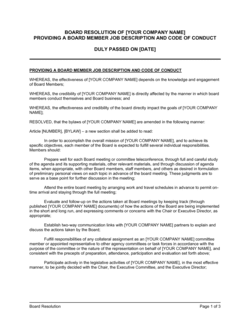
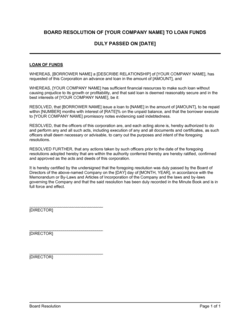
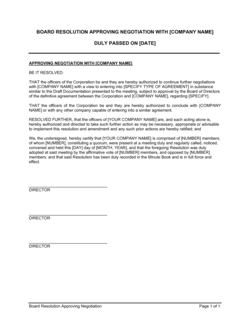
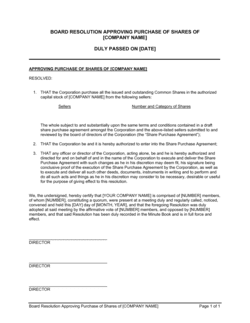
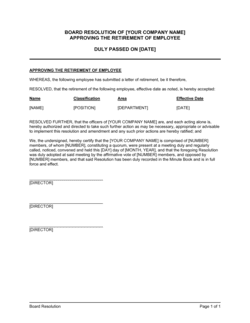
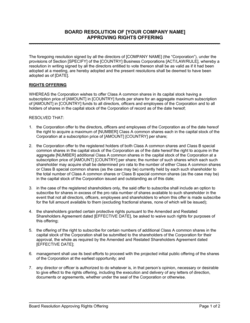
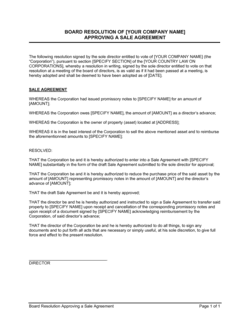
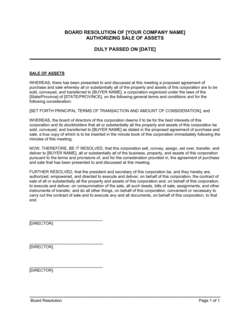
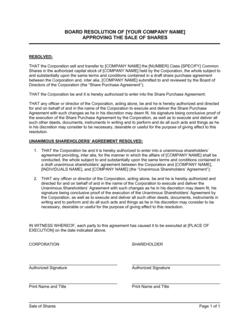
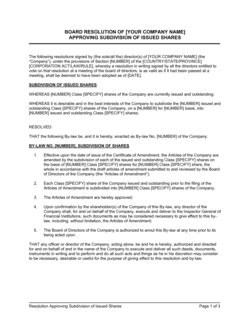
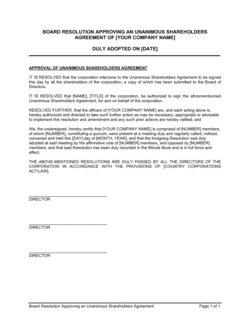
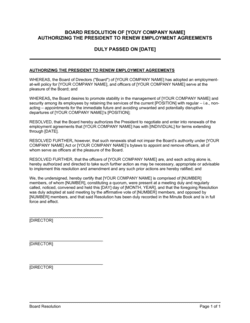
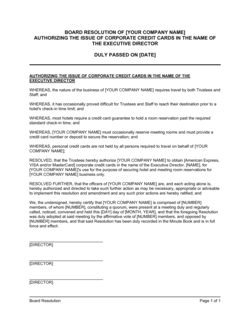
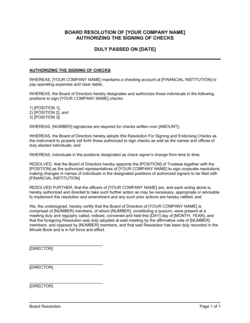
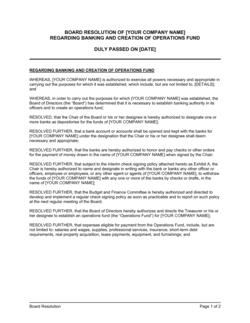
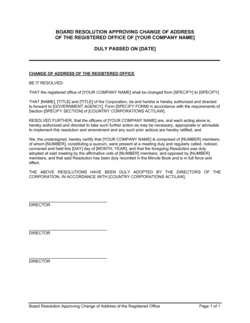
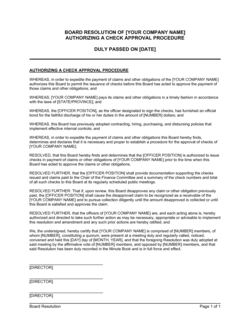
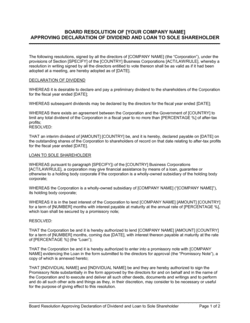
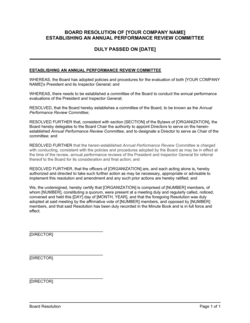
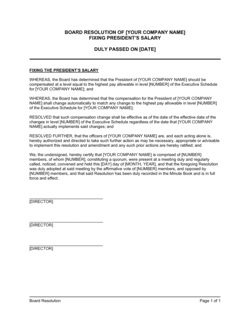
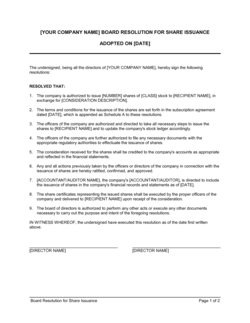
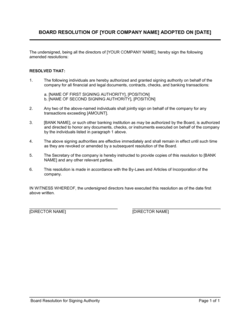
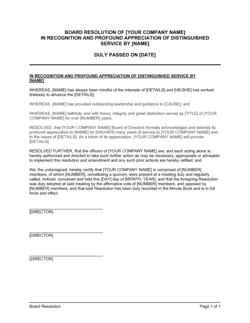
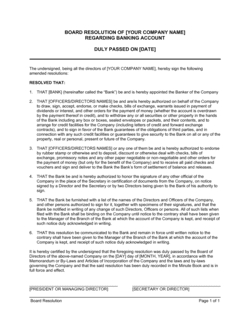
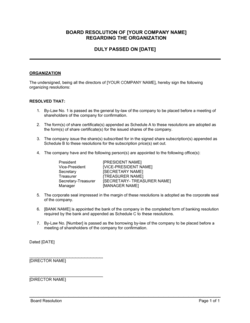
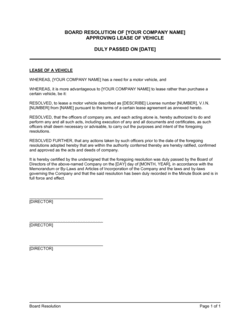
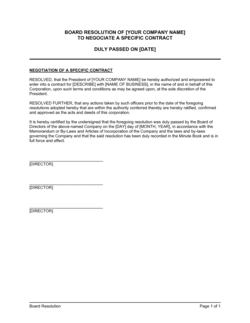
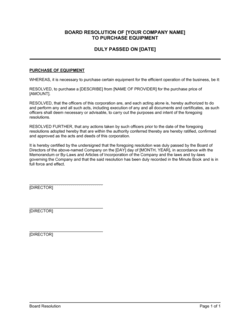
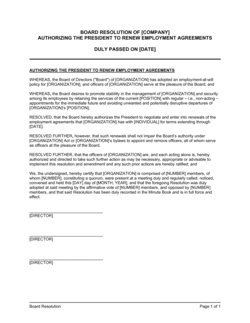
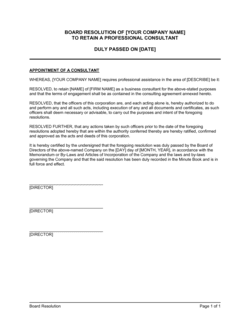
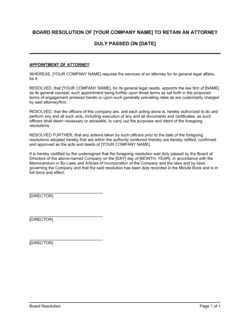
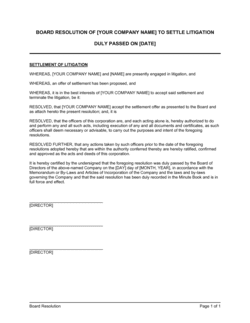
Showing 60 of 75 templates
Looking for something else?
Search all 75 templates in this category by name or keyword.
Business-in-a-Box has all 75 in this category, plus the rest of the library, ready to edit. See what's inside
Which template fits your situation?
Choose the resolution type that matches the specific action being authorized. The scenarios below map common corporate situations to the template that provides the right documentary evidence.
How to write a business resolution
A corporate resolution follows a predictable structure; the steps below apply whether you are documenting a routine officer appointment or a major asset sale.
Identify the action requiring authorization
Confirm that the planned action — signing a contract, issuing shares, appointing an officer — falls within the class of decisions that your bylaws or corporate law require to be formally resolved.
Select the right resolution template
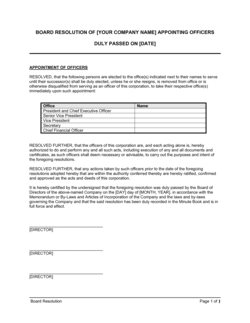
Match the action to the specific template (e.g., Board Resolution For Share Issuance for equity events, Board Resolution Appointing Officers for leadership changes) so the recitals and scope language align with your purpose.
Complete the recitals with accurate background facts
Fill in the whereas clauses with the specific circumstances — dates, party names, transaction amounts, or regulatory triggers — that explain why the board or shareholders are acting.
Draft the resolved clause with precise scope
State exactly what is authorized: named individuals, dollar limits, transaction details, and any conditions or expiry dates that constrain the authority granted.
Confirm quorum and obtain signatures
Verify that the number of signatories meets your jurisdiction's quorum requirement, then collect dated signatures from all participating directors or shareholders.
Have the corporate secretary certify the document
The secretary's certification transforms the signed resolution into a record that banks, regulators, and counterparties will accept as authoritative.
File the resolution in the corporate minute book
Store the executed resolution in chronological order in the minute book so it can be retrieved during audits, due diligence, or regulatory reviews.
Glossary
- board resolution
- A formal written record of a decision made by a company's board of directors, authorized under the company's bylaws and applicable law.
- shareholder resolution
- A decision passed by the shareholders (or members) of a company on matters reserved to them under corporate law or the company's constitution.
- written resolution
- A resolution adopted by directors or shareholders signing a document rather than voting at a physical meeting, permitted in most jurisdictions.
- quorum
- The minimum number of directors or shareholders required to be present or participating for a vote to be valid.
- recitals
- The 'whereas' clauses at the start of a resolution that set out the background facts and reasons for the decision.
- resolved clause
- The operative part of a resolution, beginning with words such as 'RESOLVED THAT', that states what has been formally decided.
- corporate minute book
- The official bound or digital record in which a corporation stores its resolutions, meeting minutes, share registers, and constitutional documents.
- certificate of corporate resolution
- A certified statement, typically signed by the corporate secretary, confirming to a third party that a specific resolution was validly passed.
- signing authority
- The formally granted power of a named individual to sign contracts, cheques, or other documents that legally bind the company.
- counterparts clause
- A provision allowing multiple individuals to sign separate identical copies of a resolution, each of which together constitutes one binding document.
- consent resolution
- Another term for a written resolution — a decision adopted through signed written consent rather than at a formal meeting.
- dispute resolution agreement
- A contract between parties specifying the process — mediation, arbitration, or negotiation — they will use to resolve disagreements before resorting to litigation.
Resolution Templates by department
Browse other document types
Frequently asked questions
What resolution templates are available?
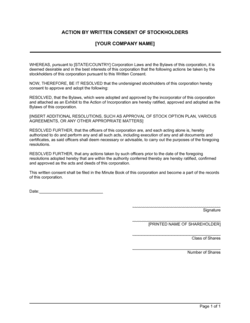
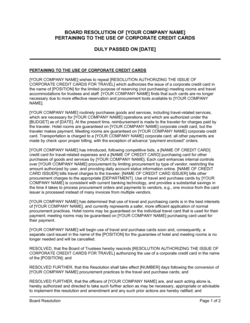
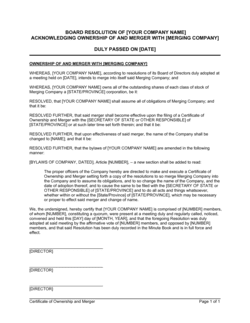
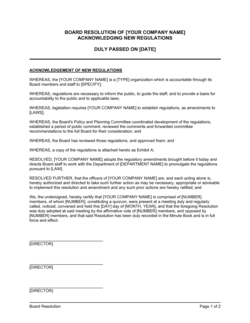
75 resolution templates, including Board Resolution, Action By Written Consent Of Shareholders, Board Resolution — Corporate Credit Card Use, Board Resolution Acknowledging Merger, Board Resolution Acknowledging New Regulations.
What is a corporate board resolution used for?
A board resolution formally records a decision made by a company's board of directors, giving that decision documented legal authority. Common uses include authorizing share issuances, approving major contracts, appointing or removing officers, authorizing borrowing, and adopting company policies. Banks, lawyers, and regulators typically require a signed resolution as evidence that the board actually approved the action in question.
Is a board resolution legally binding?
In most jurisdictions a properly executed board resolution is a legally binding internal corporate act, provided the board had the authority under the company's bylaws and applicable corporate law to pass it. It becomes the basis on which third parties — lenders, registrars, counterparties — rely when dealing with the company. Consulting a lawyer before passing resolutions on significant transactions is advisable.
What is the difference between a board resolution and a shareholder resolution?
A board resolution is passed by the directors of a company and covers matters within the board's authority — day-to-day and strategic management decisions. A shareholder resolution is passed by the shareholders (or members) and is required for matters reserved to them under the company's constitution or statute, such as amending bylaws, approving major asset sales, or electing directors. Some decisions require both.
Can a resolution be passed without a physical meeting?
Yes. Most corporate laws allow written resolutions (sometimes called consent resolutions) where directors or shareholders sign a document confirming their agreement without convening in person. This is common for routine approvals. Each signer typically needs to sign the same version of the document, though a counterparts clause can allow separate signed copies.
What is a certificate of corporate resolution?
A certificate of corporate resolution is a document, typically signed and sometimes notarized by the corporate secretary, that certifies to a third party that a specific board resolution was passed and remains in effect. Banks and lenders routinely request one before releasing funds or opening accounts, because it independently confirms the company's authorization rather than requiring the third party to review full board minutes.
Do non-profit organizations need board resolutions?
Yes. Non-profit boards operate under the same governance principles as for-profit boards and are often held to higher scrutiny by charity regulators and grant-making bodies. A non-profit board resolution template addresses the specific language and authority structures common in charitable organizations, foundations, and associations.
How long should a company keep its resolutions?
Retention requirements vary by jurisdiction, but most corporate lawyers recommend keeping executed resolutions permanently as part of the corporate minute book. Resolutions related to share issuances, asset transactions, or constitutional changes are particularly important because they may need to be produced years later during due diligence or litigation.
Where does conflict resolution fit alongside corporate resolutions?
Conflict resolution policies and dispute resolution agreements are distinct from corporate board resolutions: they govern how the company handles interpersonal or commercial disputes rather than documenting a formal board vote. They appear in this filter because they share the word "resolution" and address the formal, documented process for resolving disagreements — whether between employees, between management and staff, or between contracting parties.
One document. A more organized business.
Your documents are part of how your business operates. Business in a Box brings the work, people and information around them into one workspace.
Start with the template you need. Bring the rest of your business together when you're ready.
How our templates are made
Every template is written by the Business in a Box editorial team and published by Bruno Goulet, CEO & Editor-in-Chief. Business in a Box has published business and legal templates for more than 20 years. Each document page explains what the template covers and how to fill it in; for legal documents, have a qualified professional review the final version when the stakes warrant it.