- ESG
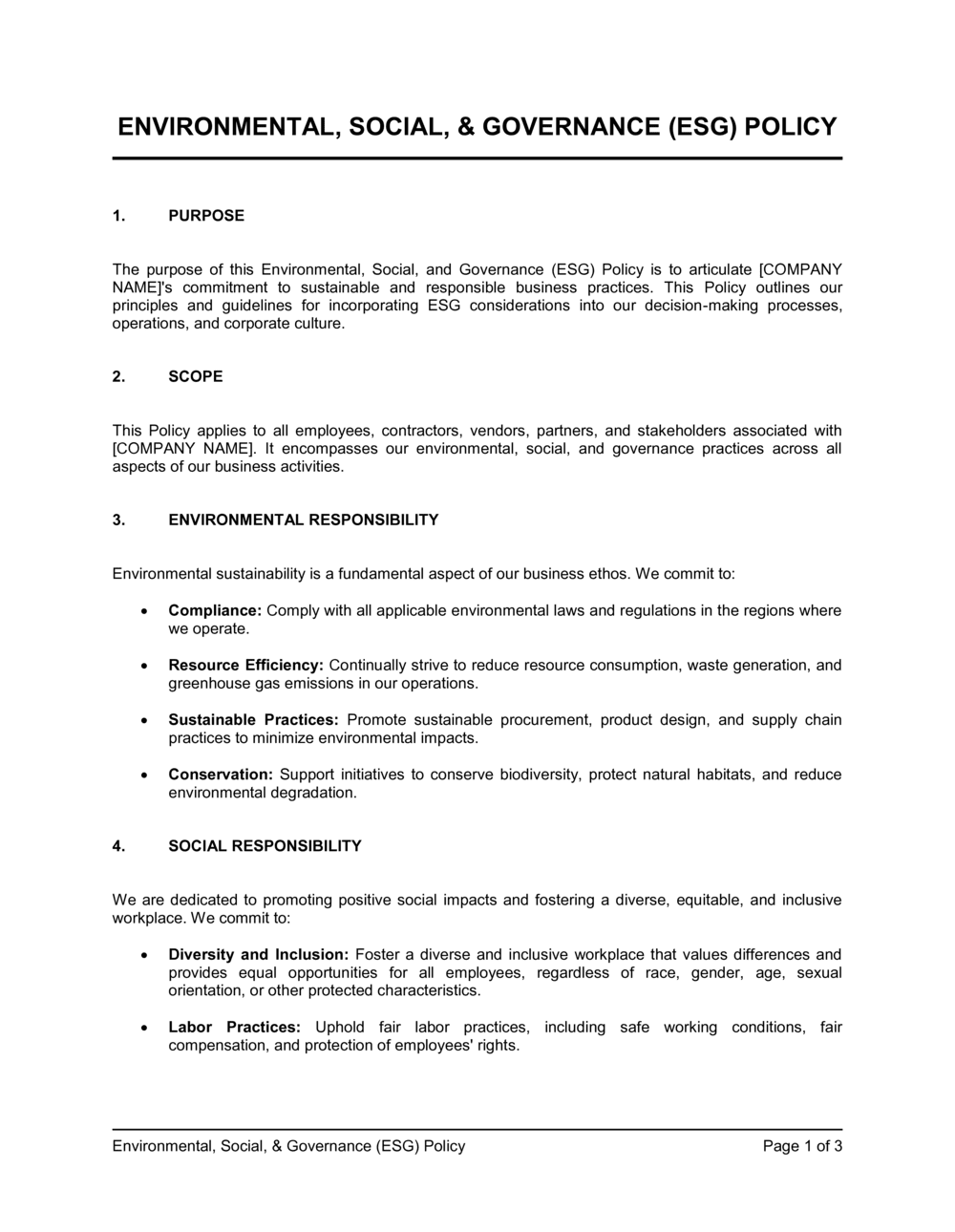
- Environmental, Social, and Governance — the three categories of non-financial factors used to evaluate a company's sustainability practices and ethical conduct.
- CSRD
- Corporate Sustainability Reporting Directive — an EU regulation requiring large and listed companies to disclose standardized sustainability information starting in 2025–2028 depending on company size.
- GRI Standards
- The Global Reporting Initiative Standards — a widely used international framework for sustainability disclosure covering economic, environmental, and social topics.
- Materiality Assessment
- A structured process for identifying which ESG topics are significant enough to a company and its stakeholders to warrant formal disclosure and management.
- Scope 1, 2, and 3 Emissions
- A GHG Protocol classification: Scope 1 is direct emissions from owned sources, Scope 2 is indirect emissions from purchased energy, and Scope 3 covers all other upstream and downstream value chain emissions.
- TCFD
- Task Force on Climate-related Financial Disclosures — a framework for reporting how climate risks and opportunities affect a company's strategy, risk management, and financials.
- Double Materiality
- The CSRD principle requiring companies to assess both how ESG issues affect the business financially and how the business affects the environment and society.
- KPI (Key Performance Indicator)
- A measurable value used to track progress toward a specific ESG target, such as tonnes of CO2e emitted, percentage of women in senior roles, or supplier audit completion rate.
- Stakeholder Engagement
- The structured process of identifying, consulting, and responding to the views of parties affected by or interested in the company's ESG performance.
- Governance Framework
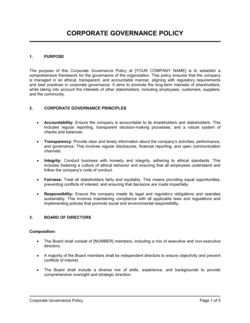
- The structures, policies, and accountability mechanisms — including board oversight, internal controls, and audit processes — through which ESG commitments are managed.