- Trade Credit
- An arrangement where a seller allows a buyer to receive goods or services and pay at a later date, typically Net 30 to Net 90.
- Credit Limit
- The maximum outstanding balance a customer is permitted to carry at any one time under the company's approved credit terms.
- Days Sales Outstanding (DSO)
- The average number of days it takes to collect payment after a sale — a key measure of accounts receivable efficiency.
- Dunning
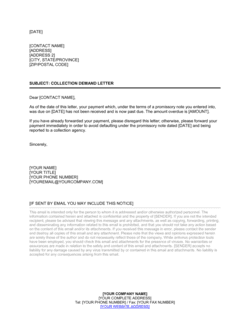
- The structured sequence of communications — statements, reminders, calls, and final notices — sent to customers with overdue balances.
- Write-Off
- The accounting removal of a receivable that has been determined uncollectable, recognizing it as a bad-debt expense.
- Credit Application
- A form completed by a prospective customer requesting trade credit, typically including business details, bank references, and trade references.
- Payment Terms
- The agreed conditions under which payment is due — for example, Net 30 means full payment is required within 30 days of the invoice date.
- Aging Report
- An accounts receivable report that groups outstanding invoices by age — typically 0–30, 31–60, 61–90, and 90+ days — to prioritize collection activity.
- Collections Referral
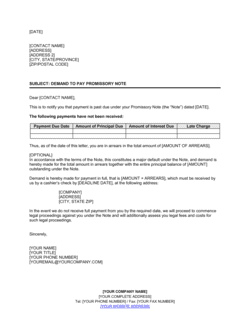
- The formal transfer of an overdue account to a third-party collections agency or legal counsel when internal recovery attempts have been exhausted.
- Credit Score / Rating
- A numerical or letter-grade assessment of a customer's creditworthiness, typically drawn from a commercial credit bureau such as Dun & Bradstreet or Experian.
- Disputed Invoice
- An invoice that a customer formally contests, claiming an error in amount, delivery, or quality — triggering a defined resolution process before collection can proceed.