Notice Templates
Formal announcements with legal weight — termination, eviction, default.
Instant downloads • Fully editable • Export to Word, Excel or PDF
158 templates
Includes Notice of Overdue Payment, Mechanic Lien, 10-Day Collections Notice and 155 more.
At a glance
What it is
Business notice templates are pre-drafted formal documents used to communicate decisions that carry legal or contractual weight — such as terminating employment, declaring a contract in default, or notifying a tenant of a lease breach. Unlike ordinary correspondence, a notice typically triggers a legal clock, preserves rights, or satisfies a statutory obligation to inform the receiving party.
When you need one
You need a notice template whenever a business action requires documented, timestamped communication that can be relied on in a dispute — for example, before pursuing debt collection, ending a supplier relationship, or restructuring your workforce. Sending the wrong notice, or none at all, can waive your rights or expose the business to liability.
Popular Notice Templates
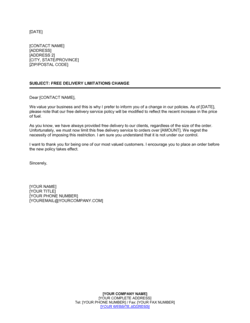
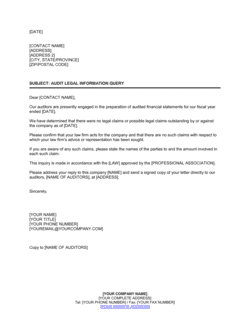
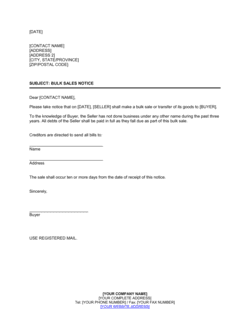
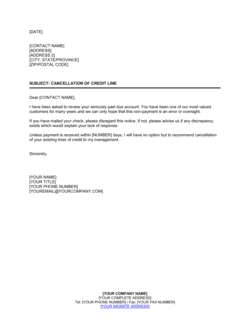
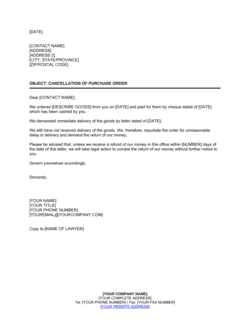
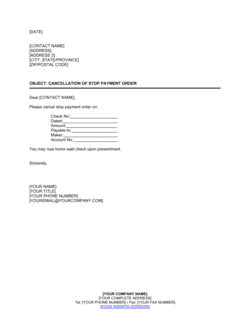
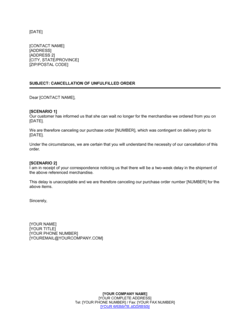
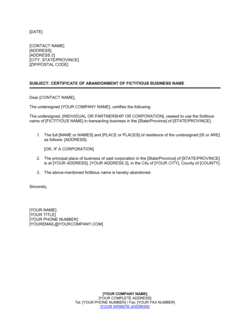
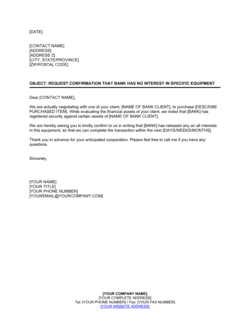
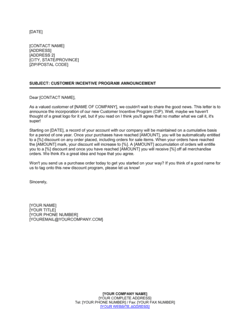
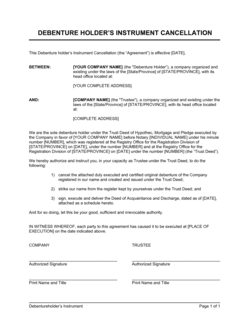
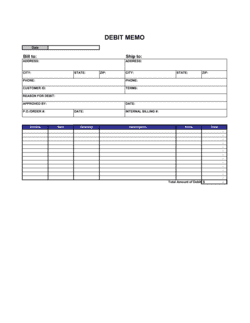 XLS
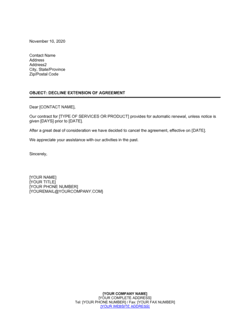
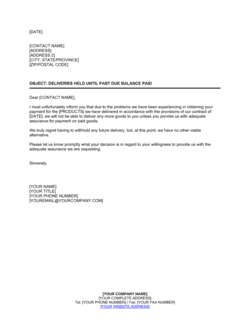
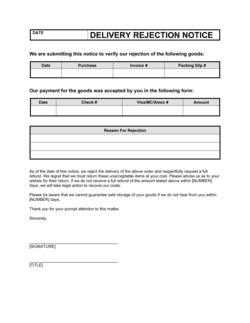
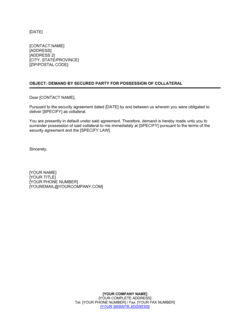
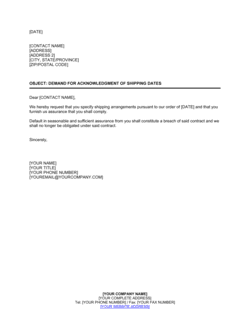
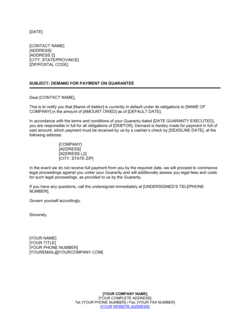
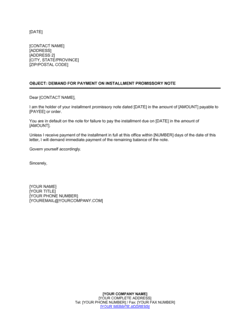
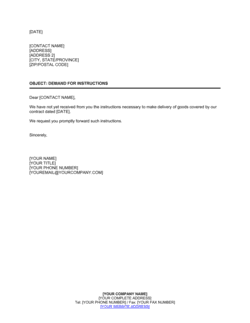
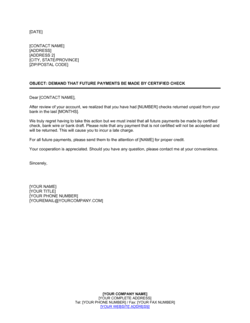
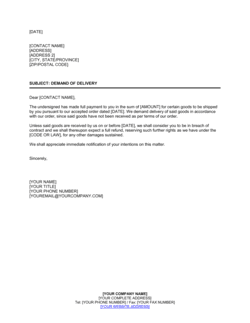
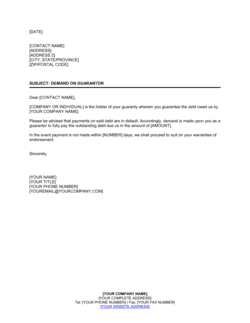
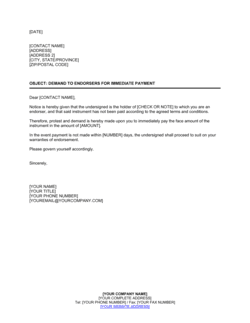
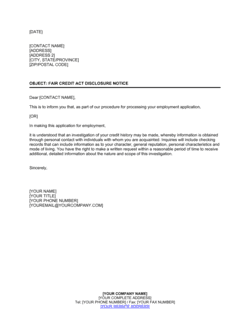
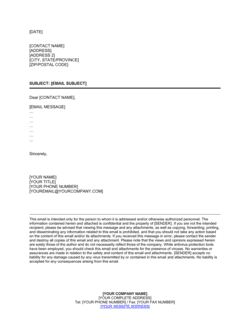
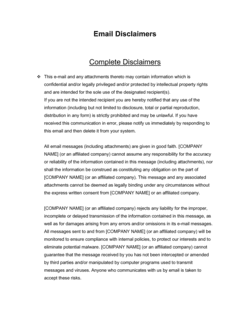
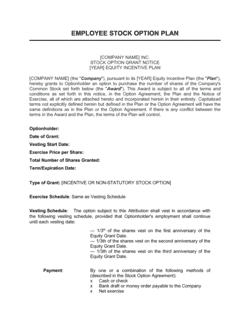
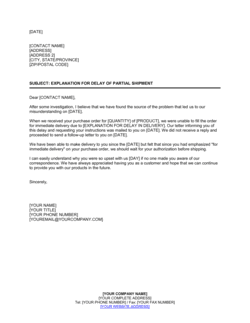
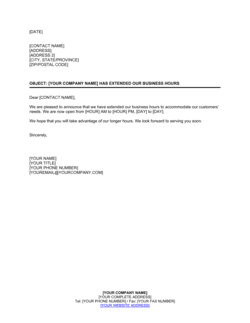
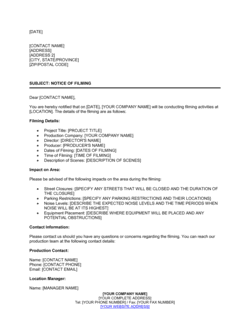
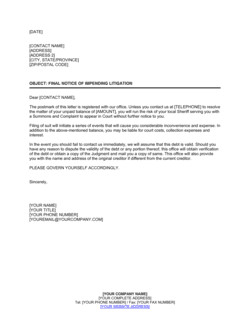
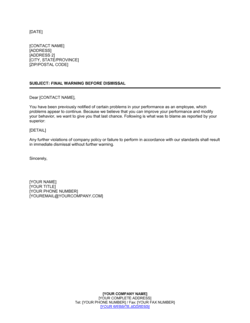
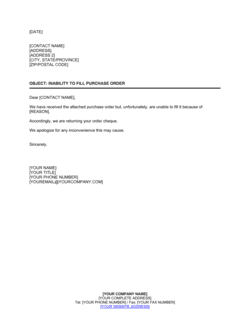
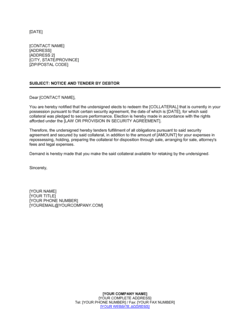
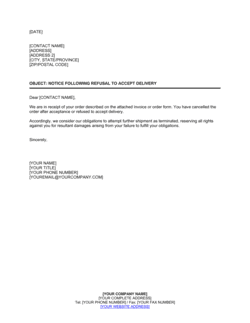
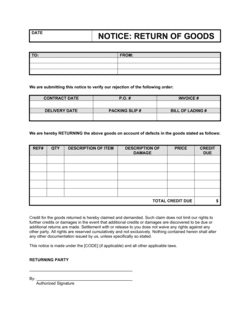
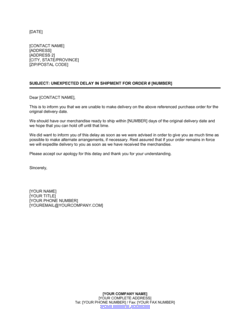
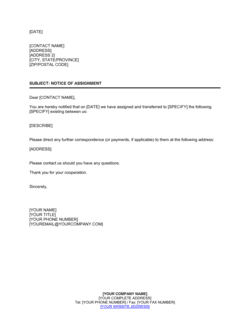
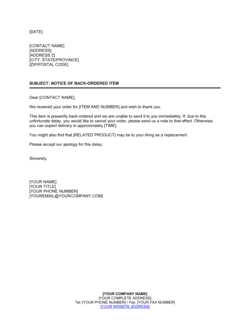
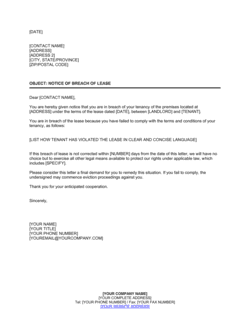
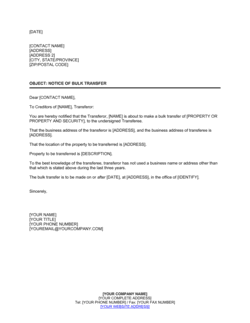
Showing 60 of 158 templates
Looking for something else?
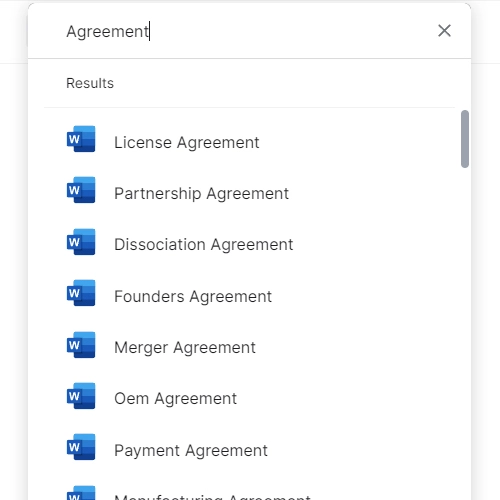
Search all 158 templates in this category by name or keyword.
Business-in-a-Box has all 158 in this category, plus the rest of the library, ready to edit. See what's inside
Which template fits your situation?
The right notice depends on the relationship being addressed (employee, tenant, creditor, supplier, partner) and the specific event triggering the communication. Match the scenario below to find the correct starting point.
How to write a business notice
A valid notice follows a predictable structure — the steps below walk through preparing, drafting, and delivering a notice that will hold up if challenged.
Identify the triggering right or obligation
Locate the clause in your contract, lease, or employment agreement that grants you the right to issue this type of notice, and confirm you have met any preconditions.
Choose the correct notice template
Match the event — termination, default, layoff, breach — to the appropriate template in the list above rather than adapting a generic letter.
Fill in the party details accurately
Use the recipient's full legal name and registered or last-known address exactly as they appear in the underlying agreement.
State the triggering event in plain language
Describe what happened, when it happened, and which specific obligation was breached or decision was made — avoid vague or conclusory language.
Set a clear deadline
State the number of days the recipient has to respond or cure, counting from the date of deemed receipt as defined in the contract or by statute.
Specify the consequences
Briefly state what action you will take if the deadline passes — legal proceedings, contract termination, goods return — so the recipient understands what is at stake.
Deliver through a trackable method
Send the notice by certified mail, courier with signature confirmation, or a platform that logs delivery, and retain proof for your records.
File the notice and proof of delivery together
Store the signed notice alongside the delivery receipt in the relevant contract or personnel file so it is retrievable if a dispute arises later.
Glossary
- cure period
- The number of days after a notice is received within which the recipient may remedy the identified breach before the sender takes further action.
- deemed receipt
- The date on which a notice is legally considered to have been received, as defined by the contract or by statute, regardless of when the recipient actually reads it.
- notice clause
- A provision in a contract that specifies how, to whom, and at what address formal notices must be delivered to be valid under that agreement.
- notice of default
- A formal communication informing a party that they have failed to meet a contractual or financial obligation and that consequences will follow if the failure is not remedied.
- rescission
- The cancellation of a contract so that it is treated as if it never existed, typically triggered by a material breach or misrepresentation.
- reclamation
- A seller's right to demand the return of goods delivered to a buyer who was insolvent or in default at the time of delivery.
- bulk sale notice
- A statutory notice given to creditors before a business sells a large portion of its inventory or assets outside the ordinary course of business.
- NSF notice
- A notice sent when a cheque has been returned by the bank due to non-sufficient funds, formally recording the failed payment.
- constructive notice
- Legal knowledge that a party is assumed to have because the information was publicly available or properly filed, even if they did not read it directly.
- notice of assignment
- A formal communication informing a party that rights or obligations under a contract have been transferred to a third party.
- foreclosure notice
- A notice sent by a lender to a borrower stating that the lender intends to begin foreclosure proceedings if the outstanding debt is not resolved within a specified period.
- disputed account notice
- A formal statement from a debtor contesting the accuracy of a balance or transaction, used to pause collection activity while the dispute is investigated.
Notice Templates by department
Browse other document types
Frequently asked questions
What notice templates are available?
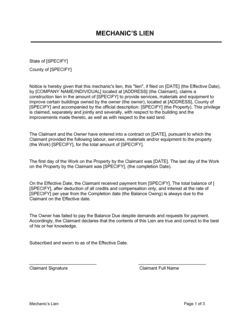
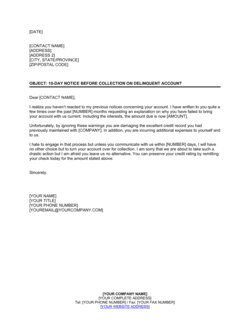
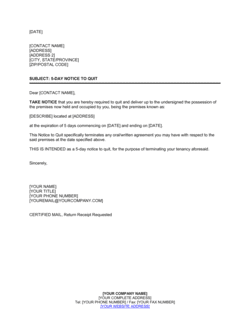
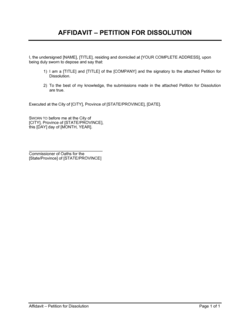
158 notice templates, including Notice of Overdue Payment, Mechanic Lien, 10-Day Collections Notice, 5 Day Notice To Quit, Affidavit Petition for Dissolution.
What makes a business notice legally valid?
A notice is generally valid when it is in writing, identifies the parties correctly, cites the underlying obligation or right being invoked, states the relevant dates and deadlines, and is delivered by the method specified in the contract or required by law. Missing any of these elements can render the notice ineffective and reset the clock on your legal options. Always check the notice provisions in the relevant contract before sending. When significant money or a long-term relationship is at stake, have a lawyer review the notice before delivery.
Can I use the same notice template for different jurisdictions?
The templates provide a solid structural starting point, but notice requirements — content, timing, and delivery method — vary by jurisdiction and contract type. A notice of termination in one country may require different statutory language or a longer lead time than the same document used elsewhere. Review the applicable local law or seek legal advice before relying on any template in a jurisdiction you are unfamiliar with.
What is the difference between a notice and a demand letter?
A notice informs the recipient of a fact, a triggered right, or a forthcoming consequence — it documents the situation. A demand letter asks the recipient to take a specific action, typically pay money or perform an obligation. In practice, many notices contain a demand element, but the primary purpose of a notice is to create a formal record and start a legal clock, while a demand is primarily a request for action.
How much notice do I have to give when terminating an employee?
The required notice period depends on the employment contract, any collective agreement in place, and the minimum standards set by local employment law. Many jurisdictions require one to four weeks depending on the employee's length of service, while senior roles may carry longer contractual notice periods. Use the Notice of Termination template as the vehicle and insert the correct period after confirming it against your contract and applicable legislation.
Do I need a witness or notarisation for a business notice?
Most business notices do not require notarisation — an authorised signature and proof of delivery are typically sufficient. Exceptions include certain statutory notices in real-estate or foreclosure proceedings, which may require notarisation or specific witnessing in some jurisdictions. Check the requirement in the underlying contract and the applicable local law before finalising.
What should I do if the recipient ignores a notice?
Retain your proof of delivery and allow the full cure or response period to expire before taking the next step. Once the deadline has passed without a response, you can escalate — whether that means filing a claim, terminating the contract, or engaging a collections process. Document each step taken after the notice so you have a complete timeline if the matter proceeds to litigation or arbitration.
Can I send a business notice by email?
Email is valid when the contract expressly permits it as a notice delivery method, or when the recipient acknowledges receipt in writing. If the contract specifies certified mail or courier, sending only by email may not satisfy the notice requirement even if the recipient reads it. When in doubt, send by both email and a tracked physical method and keep records of both.
Is a warning notice the same as a notice of termination?
No — a warning notice is a disciplinary document that alerts an employee to unacceptable conduct and gives them an opportunity to improve before further action is taken. A notice of termination formally ends the employment relationship. The warning notice typically precedes termination and forms part of the documented disciplinary record that supports a termination decision if improvement does not follow.
One document. A more organized business.
Your documents are part of how your business operates. Business in a Box brings the work, people and information around them into one workspace.
Start with the template you need. Bring the rest of your business together when you're ready.
How our templates are made
Every template is written by the Business in a Box editorial team and published by Bruno Goulet, CEO & Editor-in-Chief. Business in a Box has published business and legal templates for more than 20 years. Each document page explains what the template covers and how to fill it in; for legal documents, have a qualified professional review the final version when the stakes warrant it.