Workplace Policy Templates

4.7from 280+ reviews Trusted by 20M+ businesses

Draft, implement, and communicate clear company policies that protect your people and your business.

WordEditable onlinePDF90+ workplace policy templates

Other Human Resources categories

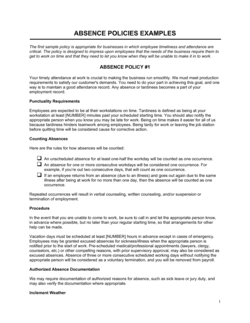
Absence Policies Template
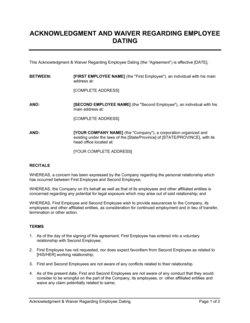
Acknowledgment And Waiver About Employee Dating
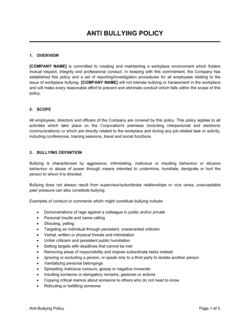
Anti Bullying Policy Template
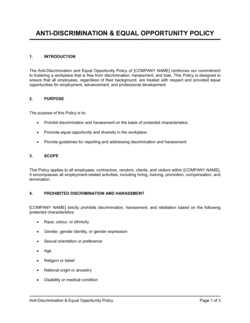
Anti Discrimination & Equal Opportunity Policy
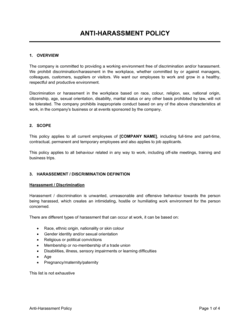
Anti Harassment Policy Template
Attendance Policy Template
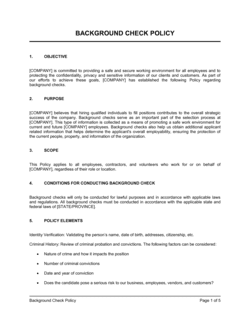
Background Check Policy Template
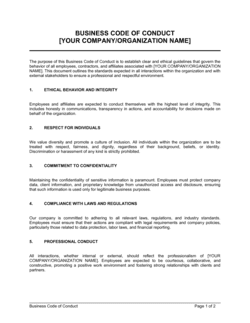
Business Code of Conduct Template
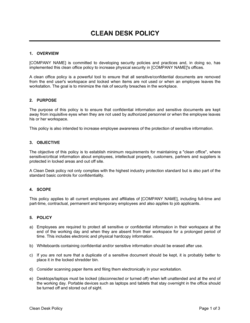
Clean Desk Policy Template
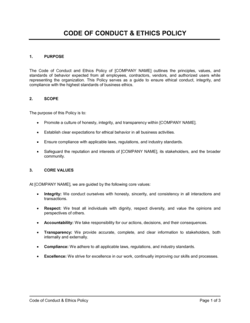
Code of Conduct and Ethics Policy Template
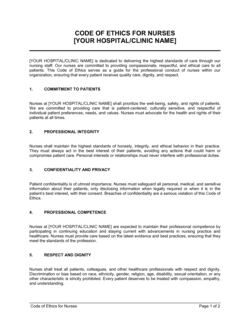
Code of Ethics for Nurses Template
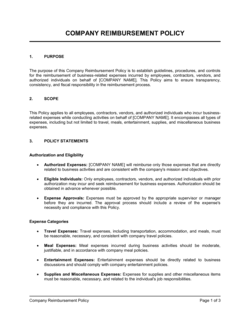
Company Reimbursement Policy Template
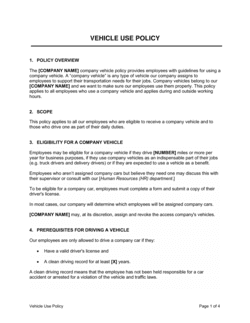
Company Vehicle Policy Template
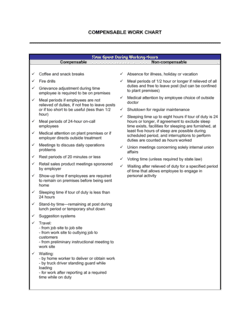
Compensable Work Chart Template
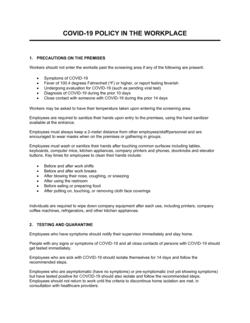
Covid-19 Policy in the Workplace Template
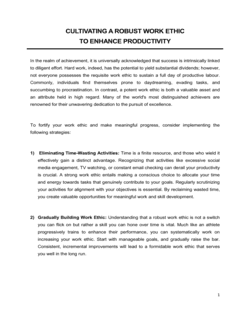
Cultivating A Robust Work Ethic Template
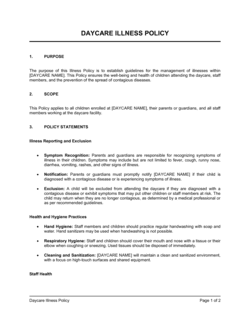
Daycare Illness Policy Template
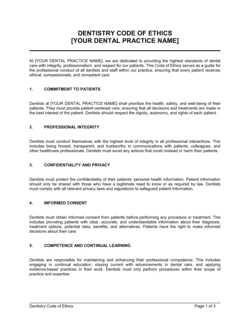
Dentistry Code of Ethics Template
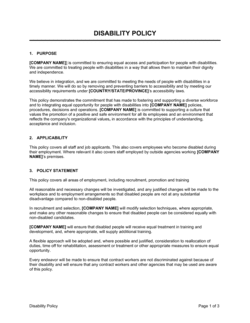
Disability Policy Template
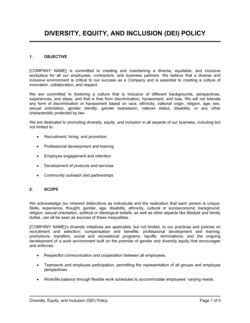
Diversity Equity and Inclusion Policy Template
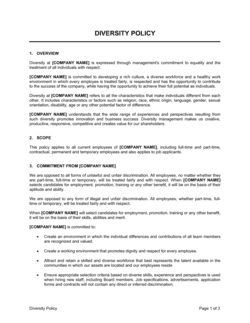
Diversity Policy Template
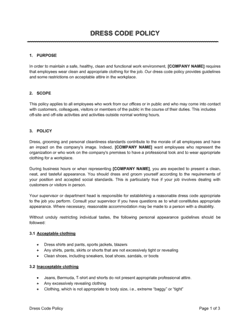
Dress Code Policy Template
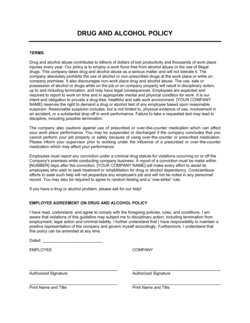
Drug And Alcohol Policy Template
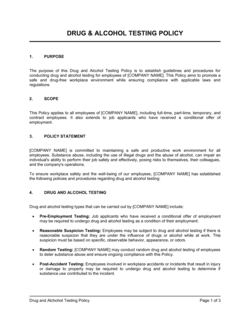
Drug And Alcohol Testing Policy Template
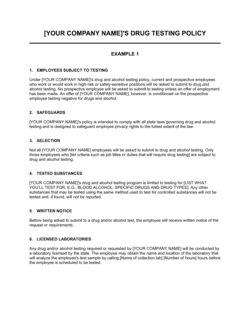
Drug Testing Policy Template
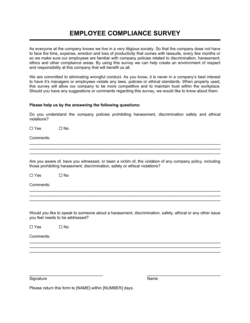
Employee Compliance Survey Template
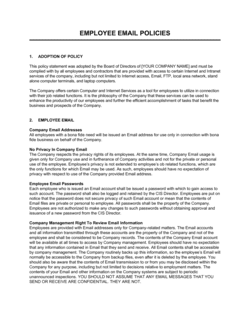
Employee Email Policy Template
Employee Handbook for Remote Workers Template
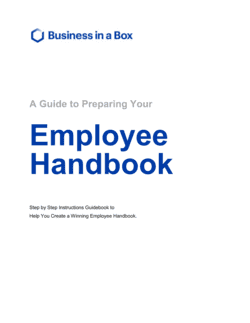
Employee Handbook Template
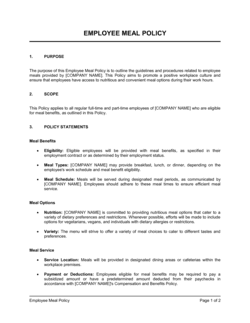
Employee Meal Policy Template
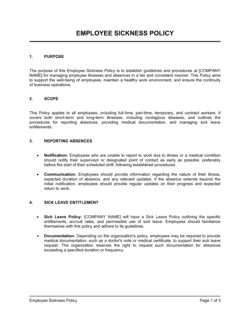
Employee Sickness Policy Template
Employment At Will Policy Template
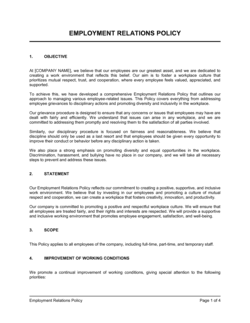
Employment Relations Policy Template
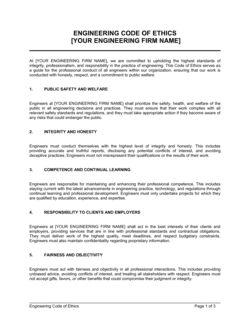
Engineering Code of Ethics Template
Equal Opportunity Policy Template
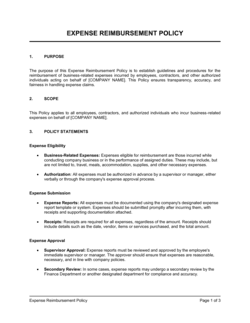
Expense Reimbursement Policy Template
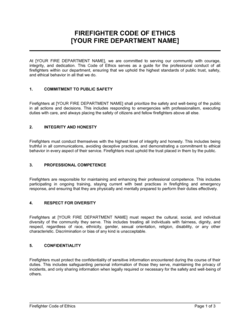
Firefighter Code of Ethics Template
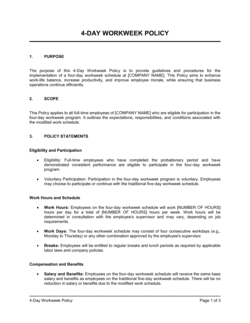
Four Day Work Week Policy Template
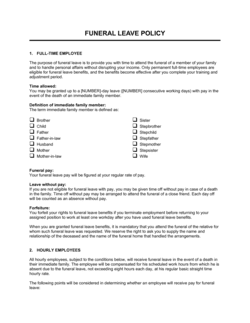
Funeral Leave Policy Template
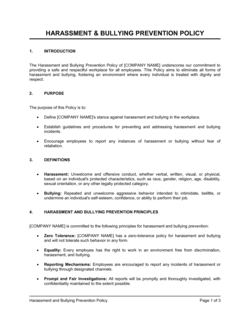
Harassment And Bullying Prevention Policy Template
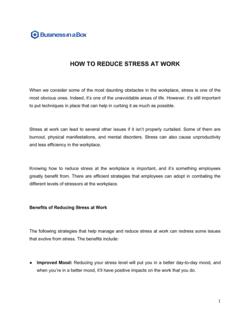
How To Reduce Stress At Work Template
How To Write An Employee Handbook Template
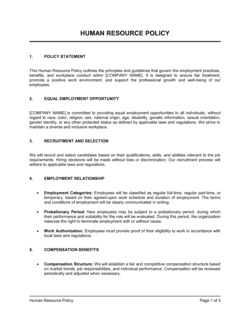
Human Resource Policy Template
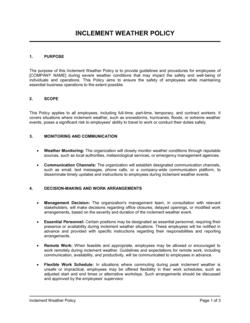
Inclement Weather Policy Template
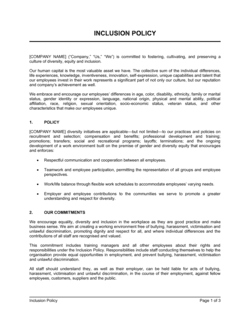
Inclusion Policy Template
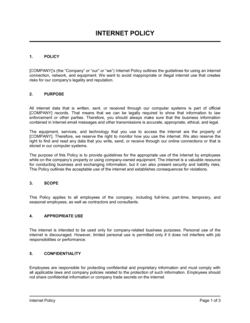
Internet Policy Template
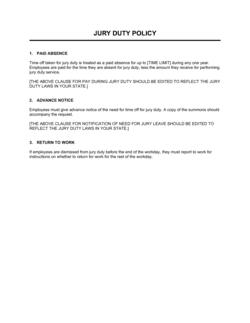
Jury Duty Policy Template
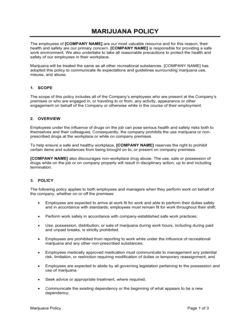
Marijuana Policy Template
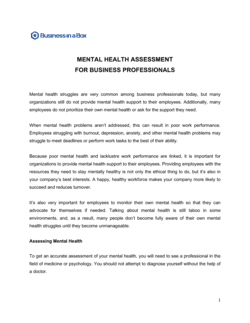
Mental Health Assessment for Business Professionals
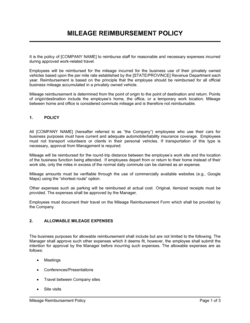
Mileage Reimbursement Policy Template
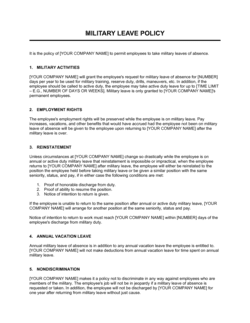
Military Leave Policy Template
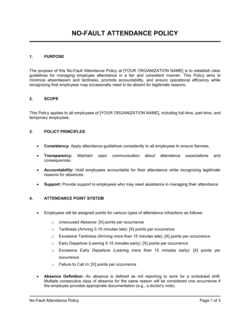
No Fault Attendance Policy Template
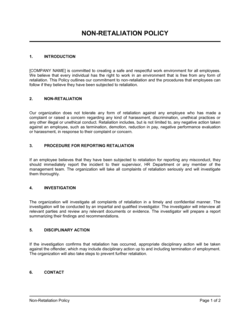
Non Retaliation Policy Template
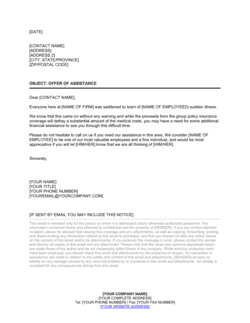
Offer of Assistance to Family During Employee Illness
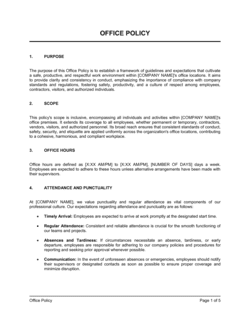
Office Policy Template
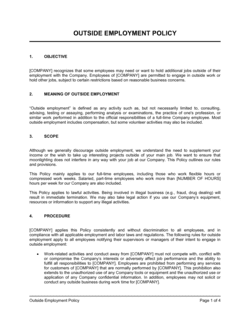
Outside Employment Policy Template
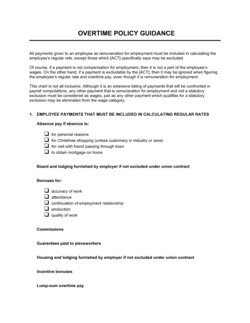
Overtime Policy Guidance Template
Personal Leave Policy Template
Phone Policy Template
Physical Therapy Code of Ethics Template
Policy On Privacy And Employee Monitoring Template
Reasonable Accommodation Policy Template
Religious Accommodation Policy Template
Relocation Policy Template
Reminder To Employee To Renew Drivers License Template
Sexual Harassment Policy Template
Sick Pay Policy Template
Smoking Policy Template
Social Media and Online Conduct Policy Template
Social Media Policy Template
Social Work Code of Ethics Template
Statement & Policy Prohibiting Illegal Discrimination
Stress Management Plan Template
Telecommuting Policy Template
Telework Policy Template
Thank You For Support During Illness Letter Template
Time Off To Vote Policy Template
Training Investment And Reimbursement Policy Template
Transfer Policy Template
Travel And Expense Policy Template
Uniform Policy Template
Whistleblower Policy Template
Work Hours and Attendance Policy Template
Work Life Balance Policy Template
Work Policy Template
Work Rules Template
Workers' Compensation Claims Checklist Template
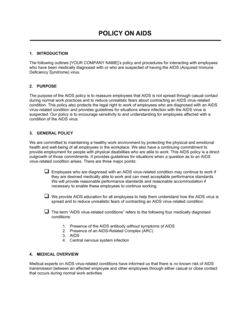
Workplace AIDS Policy Template
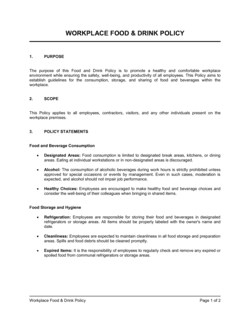
Workplace Food and Drink Policy Template
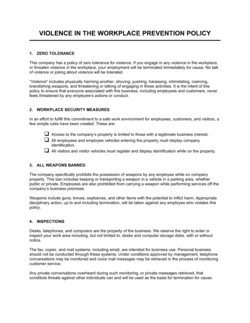
Workplace Violence Prevention Policy Template
250K+Clients
20M+Free users
20+Years
190+Countries
10,000+Law firms
50M+Downloads

Trusted across review platforms

  • Capterra★★★★☆4.649 reviews
  • G2★★★★☆4.713 reviews
  • GetApp★★★★☆4.649 reviews
  • Google Play★★★★☆4.6179 ratings
  • Google Reviews★★★★☆4.567 reviews

Related categories

Frequently asked questions

Are workplace policies legally required?
Some policies are legally required — anti-harassment, health and safety, and equal opportunity policies are mandated in many jurisdictions. Others are not legally required but significantly reduce liability when enforced consistently. The specific obligations depend on your country, state or province, and the size of your organization. A labor attorney can identify which policies are mandatory for your situation.
How often should workplace policies be reviewed?
Most HR professionals recommend a full policy audit at least once a year and an immediate review whenever legislation changes, an incident exposes a gap, or the organization undergoes significant structural change such as a merger or rapid headcount growth. Outdated policies can be worse than no policy at all if they reference roles, laws, or systems that no longer exist.
Do employees need to sign workplace policies?
Yes, in most cases. A signed acknowledgment — dated and stored in the employee file — creates a record that the employee received, read, and understood the policy. Without it, an employer's ability to enforce the policy or defend a related claim is significantly weakened. Electronic acknowledgments through an HRIS system are widely accepted.
Can a company change a workplace policy without employee consent?
Generally yes, but employees must be given reasonable written notice of material changes before they take effect. If a policy change affects terms of employment that are contractually guaranteed — such as a compensation or leave policy — you may need formal agreement. Consult an employment lawyer before making changes that could be read as a unilateral variation of employment terms.
What is the difference between a policy and a procedure?
A policy states a rule and the rationale behind it. A procedure describes the specific steps to follow when implementing or responding to that rule. For example, an attendance policy sets the expectation; the attendance management procedure tells a manager how to log, escalate, and document an absence. Both documents are useful, and many organizations combine them in a single policy-and-procedure document.
How do I write a policy employees will actually read?
Keep it short — ideally under two pages for any single policy. Lead with the rule and the reason, not with definitions and disclaimers. Use bullet points for obligations and numbered steps for procedures. Avoid legal boilerplate that belongs in a contract, not an operational guide. Plain-language policies have lower dispute rates and higher compliance than dense legal documents.
Should small businesses bother with written policies?
Yes. The moment you have a second employee, written policies protect both of you. They ensure consistent treatment, reduce personal liability for managers making judgment calls, and demonstrate reasonable conduct to labor boards or courts. Small businesses that rely on verbal expectations are disproportionately vulnerable in employment disputes.
What topics do most businesses need to cover first?
The highest-priority policies for most organizations are: attendance and leave, anti-harassment and anti-bullying, acceptable use of technology, health and safety, and equal opportunity. These five areas generate the most complaints, claims, and regulatory scrutiny, and should be documented before any other operational policies.

Workplace Policy vs. related documents

Workplace Policy vs. Employee handbook

A workplace policy is a single-topic document — one rule set for one area. An employee handbook bundles many policies together into a single reference document given to new hires. Write individual policies first, then compile the ones you want employees to sign off on into a handbook. Individual policies are easier to update without reissuing the entire handbook.

Workplace Policy vs. Standard operating procedure (SOP)

A policy states the rule ("employees must not share login credentials"); an SOP describes the exact steps to follow when performing a task ("to reset a password, follow steps 1–6"). Policies are broader and set behavioral expectations; SOPs are narrower and govern process execution. Both can coexist in the same topic area.

Workplace Policy vs. Employment contract

An employment contract governs the individual relationship between an employer and a specific employee — compensation, title, and role. A workplace policy governs all employees collectively and can be updated without renegotiating individual contracts, provided employees are given reasonable notice of changes.

Workplace Policy vs. Code of conduct

A code of conduct is a high-level statement of organizational values and expected behaviors, often outward-facing. Workplace policies are operational documents that go deeper — specifying what happens when a rule is broken, who to report to, and what the investigation process looks like. A strong HR program uses both.

Key clauses every Workplace Policy contains

Most workplace policies share a common structure — the wording and scope change by topic, but the same building blocks appear across nearly every one.

  • Policy purpose and scope. States what the policy covers, who it applies to, and why the rule exists.
  • Definitions. Clarifies key terms — for example, what counts as 'bullying,' 'confidential information,' or a 'personal device.'
  • Employee obligations. Lists specific behaviors required or prohibited, written in plain language employees can act on.
  • Manager and HR responsibilities. Assigns accountability for enforcing the policy, receiving reports, and conducting investigations.
  • Reporting procedure. Describes how employees raise concerns — who to contact, what information to provide, and what form to use.
  • Consequences for non-compliance. Specifies the disciplinary steps that follow a breach, from verbal warning to termination.
  • Review and update cycle. States how often the policy is reviewed and who is responsible for keeping it current.
  • Acknowledgment and sign-off. Requires a dated employee signature confirming they have read and understood the policy.

How to write a workplace policy

A workplace policy only works if it is clear, consistent, and actually communicated to employees — here is how to build one that holds up.

  1. 1

    Identify the risk or gap you're addressing

    Start with a specific incident, legal requirement, or operational need — not a desire to document everything at once.

  2. 2

    State the purpose in one sentence

    Tell employees why this policy exists before telling them what to do; purpose drives compliance better than rules alone.

  3. 3

    Define the scope clearly

    Specify which employees, locations, devices, or situations the policy covers — and just as importantly, what it does not cover.

  4. 4

    Write the rules in plain language

    Use short sentences, active voice, and concrete examples; avoid legal jargon that employees will not act on.

  5. 5

    Assign accountability

    Name the role — HR manager, department head, IT — responsible for enforcing each part of the policy.

  6. 6

    Document the reporting and escalation path

    Give employees at least two channels to report violations so no single point of failure blocks disclosure.

  7. 7

    Set consequences that are proportionate and consistent

    Graduated discipline — verbal warning, written warning, suspension, termination — protects both employees and the organization.

  8. 8

    Distribute, collect sign-offs, and schedule reviews

    An unsigned, unreviewed policy provides little legal protection; record when each employee received and acknowledged the document.

At a glance

What it is
A workplace policy is a written document that defines the rules, expectations, and procedures governing employee conduct and business operations. It gives employees a clear reference point and gives managers a consistent basis for decisions and disciplinary action.
When you need one
Any time you hire your first employee, expand into a new jurisdiction, introduce new technology, or respond to a workplace incident that exposed a gap in your rules, you need a written policy in place.

Which Workplace Policy do I need?

The right policy depends on the business risk you're addressing — conduct, safety, technology, or compliance. Match your situation to the template below.

Your situation
Recommended template

Employees are missing shifts or arriving late without consequence

Sets clear expectations for punctuality, absences, and notification procedures.

A harassment complaint has been filed or you want to prevent one

Defines prohibited conduct, reporting channels, and investigation procedures.

Staff use personal smartphones or laptops to access company systems

Governs data security, acceptable use, and liability when personal devices connect to company networks.

You need to formalize rules for employee email and internet use

Covers email etiquette, monitoring rights, prohibited content, and security obligations.

You operate in a safety-sensitive industry and need drug testing rules

Documents when testing occurs, consent requirements, and consequences of positive results.

Workplace bullying or interpersonal conflict has become a pattern

Defines bullying, sets reporting procedures, and outlines manager responsibilities.

A new hire is in their first 90 days and you need a probation framework

Establishes performance expectations, review milestones, and termination criteria during probation.

You need to address physical threats or aggressive behavior at work

Defines prohibited behaviors, emergency procedures, and reporting obligations.

Glossary

Workplace policy
A written document that defines rules, expectations, and procedures employees and managers must follow in a specific area of business operations.
Employee handbook
A single reference document that compiles multiple workplace policies and distributes them to employees, typically at onboarding.
Policy acknowledgment
A dated signature or electronic confirmation from an employee confirming they received, read, and understood a policy.
At-will employment
An employment relationship in which either party can end the relationship at any time; relevant because policies must not inadvertently create implied contracts in at-will jurisdictions.
Progressive discipline
A step-by-step approach to enforcing policy violations — typically verbal warning, written warning, suspension, then termination — applied consistently.
Scope
The explicit statement of which employees, locations, devices, or situations a policy applies to.
BYOD (Bring Your Own Device)
A workplace arrangement where employees use personal smartphones, tablets, or laptops to perform work tasks, governed by a dedicated policy.
Zero-tolerance clause
A policy provision that imposes immediate disciplinary action for a specified behavior without the usual progressive discipline steps.
Duty of care
An employer's legal obligation to take reasonable steps to protect employees from harm — a foundational concept behind most safety and health policies.
Policy review cycle
The scheduled interval at which a policy is formally re-examined and updated to reflect legal changes, organizational changes, or operational experience.
Whistleblower protection
Legal and policy provisions that protect employees from retaliation when they report violations in good faith.

What is a workplace policy?

A workplace policy is a written document that defines the rules, expectations, and standards governing how a business operates and how employees conduct themselves. It tells employees what is expected of them, tells managers how to apply those expectations consistently, and gives the organization a documented basis for disciplinary action, regulatory compliance, and dispute resolution.

Workplace policies cover a wide spectrum: conduct (anti-harassment, anti-bullying, attendance), technology (acceptable use, BYOD, email), safety (violence prevention, drug testing, ergonomics), compliance (anti-corruption, equal opportunity, background checks), and operations (leave, probationary periods, accounting procedures). What they share is a common function — reducing ambiguity and protecting the business and its employees from the consequences of undefined expectations.

A policy differs from a contract: it applies to all employees collectively, can generally be updated with reasonable notice, and does not need to be renegotiated individually. A well-maintained set of workplace policies is one of the most cost-effective risk-management tools any employer can maintain.

When you need a workplace policy

The clearest signal that you need a written policy is the moment you find yourself making a judgment call that you'll have to make again — attendance, technology use, leave requests, workplace behavior. Common triggers:

  • Hiring a first or second employee and needing documented expectations
  • An incident — harassment complaint, data breach, missed shift pattern — that exposes a gap in your rules
  • Expanding into a new jurisdiction with different labor law requirements
  • Introducing new technology such as company-issued devices or a remote work arrangement
  • A regulatory audit or due diligence process that requires policy documentation
  • Rapid headcount growth that makes informal, verbal expectations unscalable
  • A conflict between employees or between an employee and a manager with no written reference to resolve it

The cost of operating without written policies is rarely the absence of the document itself — it is what happens when something goes wrong and you have no consistent, documented basis for action. Employment tribunals, labor boards, and civil courts routinely find against employers who cannot show they communicated a rule before enforcing it. A set of clear, signed, regularly reviewed workplace policies is the most direct way to close that gap.

Award-winning platform

  • Great Place to Work 2025
  • BIG Award — Product of the Year 2025
  • Smartest Companies 2025
  • Global 100 Excellence 2026
  • Best of the Best 2025

Create your document in 3 simple steps.
From template to signed document — all inside one Business Operating System.
1
Download or open template

Access over 3,000+ business and legal templates for any business task, project or initiative.

2
Edit and fill in the blanks with AI

Customize your ready-made business document template and save it in the cloud.

3
Save, Share, Send, Sign

Share your files and folders with your team. Create a space of seamless collaboration.

Save time, save money, and create top-quality documents.

★★★★★

"Fantastic value! I'm not sure how I'd do without it. It's worth its weight in gold and paid back for itself many times."

Managing Director · Mall Farm
Robert Whalley
Managing Director, Mall Farm Proprietary Limited
★★★★★

"I have been using Business in a Box for years. It has been the most useful source of templates I have encountered. I recommend it to anyone."

Business Owner · 4+ years
Dr Michael John Freestone
Business Owner
★★★★★

"It has been a life saver so many times I have lost count. Business in a Box has saved me so much time and as you know, time is money."

Owner · Upstate Web
David G. Moore Jr.
Owner, Upstate Web

Run your business with a system — not scattered tools

Stop downloading documents. Start operating with clarity. Business in a Box gives you the Business Operating System used by over 250,000 companies worldwide to structure, run, and grow their business.

Free Forever Plan · No credit card required