Dashboard
 HR Management
 Links
Links Chat
Chat Connect
 Contacts
 Inbox
Inbox Business Al
 Project Management
 Notes
Notes Business Templates
 Cloud Drive
 Docs
Docs Sheets
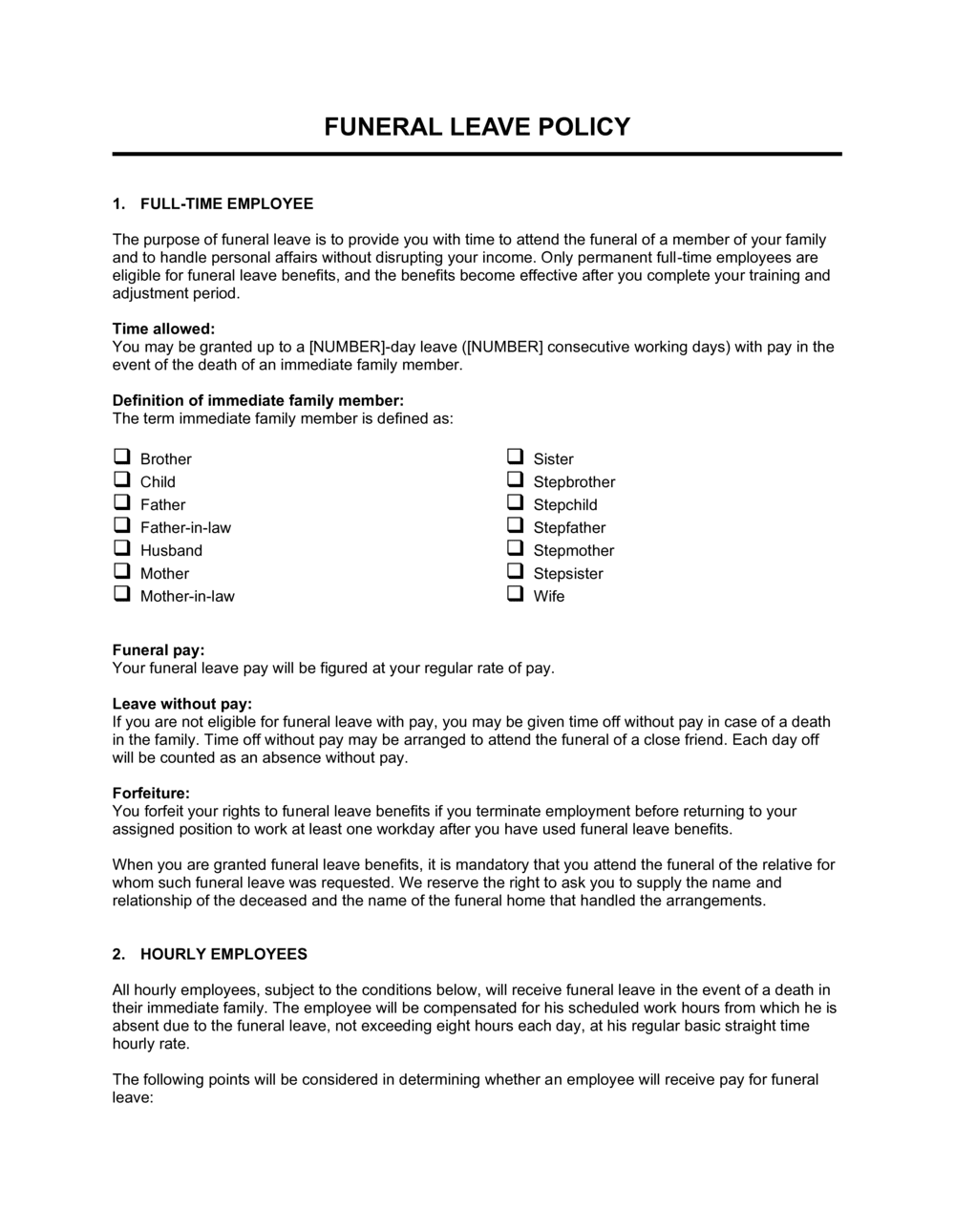


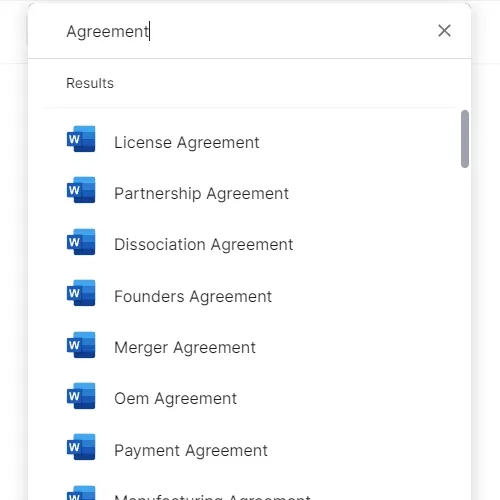
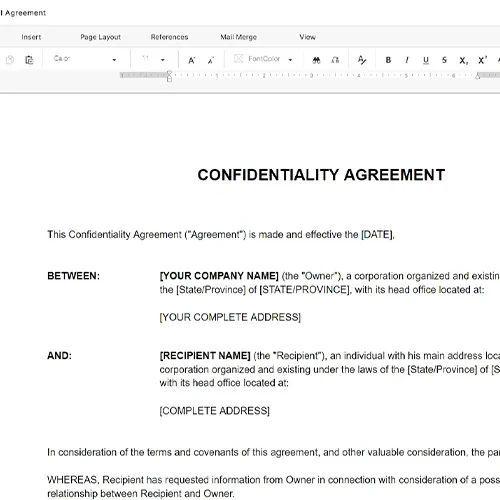
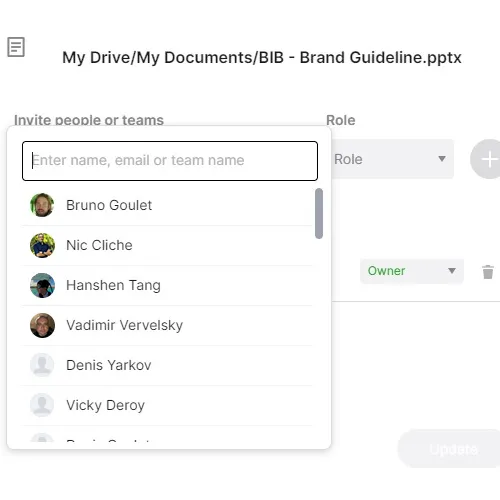
Save Time, Save Money, & Consistently Create Top Quality Documents.
"Fantastic value! I'm not sure how I'd do without it. It’s worth its weight in gold and paid back for itself many times."
Robert Whalley
Managing Director, Mall Farm Proprietary Limited
"I have been using Business in a Box for years. It has been the most useful source of templates I have encountered. I recommend it to anyone."
Dr Michael John Freestone
Business Owner
"It has been a life saver so many times I have lost count. Business in a Box has saved me so much time and as you know, time is money."
David G. Moore Jr.
Owner, Upstate Web