- Beneficence
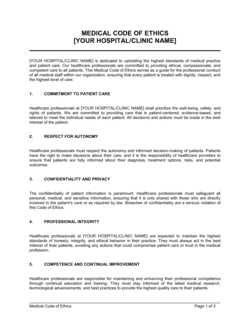
- The ethical duty to act in the patient's best interest and to promote their well-being at all times.
- Non-Maleficence
- The obligation to avoid actions that cause unnecessary harm to patients, a foundational principle of healthcare ethics.
- Patient Autonomy
- The right of a competent patient to make informed decisions about their own care, including the right to refuse treatment.
- Informed Consent
- A patient's voluntary agreement to a treatment or procedure after receiving a clear explanation of its risks, benefits, and alternatives.
- Scope of Practice
- The procedures, actions, and processes a nurse is authorized to perform based on their license, education, and the policies of the employing organization.
- Confidentiality
- The duty to protect identifiable patient health information from unauthorized disclosure, grounded in law and professional ethics.
- Professional Boundaries
- The limits that protect the patient-nurse relationship from becoming personal, financial, or otherwise inappropriately intimate.
- Whistleblower Protection
- Legal and policy safeguards that shield a nurse from retaliation for reporting unsafe conditions, unethical conduct, or regulatory violations in good faith.
- Conflict of Interest
- A situation where a nurse's personal, financial, or professional interests could improperly influence their clinical judgment or actions.
- Duty to Report
- A nurse's mandatory professional and legal obligation to report observed abuse, neglect, unsafe practices, or ethical violations to the appropriate authority.
- Veracity
- The ethical principle requiring nurses to be truthful with patients, families, and colleagues in all communications.
- HIPAA
- The Health Insurance Portability and Accountability Act — the primary US federal law governing the privacy and security of patient health information.