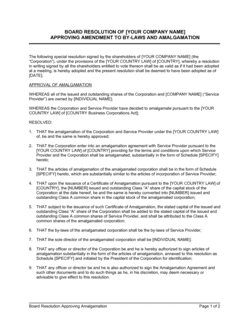
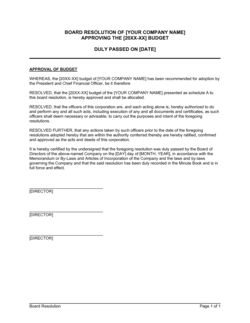
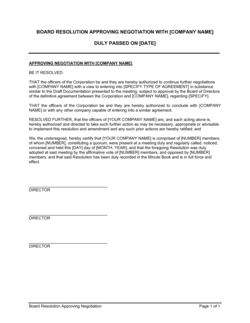
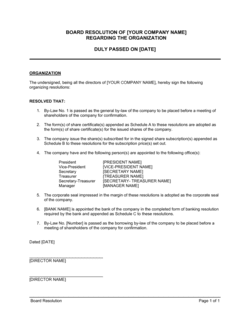
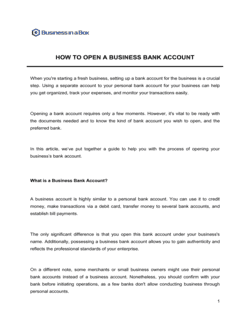
Board Resolution to Retain a Professional Consultant Template

Free Word download • Edit online • Save & share with Drive • Export to PDF

1 page20–30 min to fillDifficulty: StandardSignature requiredLegal review recommended
Learn more ↓
FreeBoard Resolution to Retain a Professional Consultant Template

At a glance

What it is
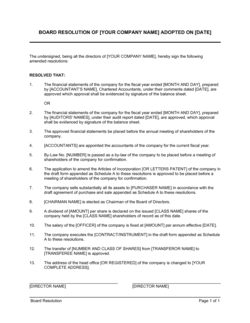
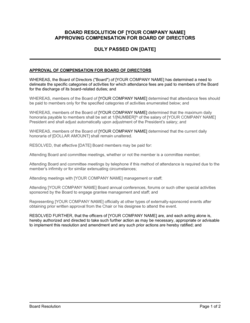
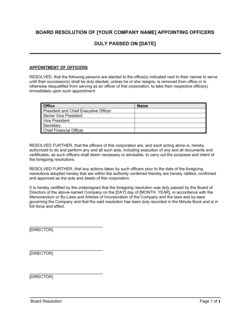
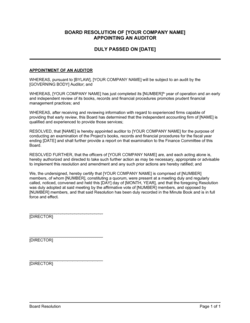
A Board Resolution To Retain A Professional Consultant is a formal corporate document in which a company's board of directors officially authorizes the engagement of an outside consultant for a defined scope of work. This free Word download captures the board's decision in a single, minutes-ready record that you can edit online and export as PDF for execution and filing.
When you need it
Use it any time a board vote is required — by bylaws, corporate governance policy, or applicable law — before a company may enter a consulting agreement exceeding a defined dollar threshold, involve a related party, or commit the organization to multi-year professional services.
What's inside
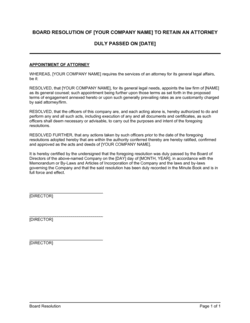
Meeting details and quorum confirmation, recitals explaining the business need, the formal resolved clauses authorizing engagement and fee approval, delegation of signing authority to a named officer, and the secretary's certification attesting to the vote and directors' signatures.

What is a Board Resolution To Retain A Professional Consultant?

A Board Resolution To Retain A Professional Consultant is a formal corporate governance document in which a company's board of directors votes to authorize the engagement of an outside consultant for a defined scope of work. It records the business justification in recital clauses, states the approved fee and scope in operative resolved clauses, delegates signing authority to a named officer, addresses any conflicts of interest, and closes with a secretary's certification attesting to the vote. Once signed, it becomes the authoritative record of the board's decision and the documentary basis for the authorized officer's power to execute the consulting agreement on the company's behalf.

Why You Need This Document

Without a board resolution, an officer who signs a consulting agreement is acting on undocumented authority — creating a governance gap that auditors, investors, and lenders will flag during due diligence. Consultants engaged without formal board approval can later claim broader authority was implied, while directors who approved an engagement informally but left no paper trail expose themselves to fiduciary duty challenges. Regulated industries face additional exposure: financial services examiners and healthcare auditors routinely review minute books for documented authorization of professional service expenditures, and missing resolutions can trigger findings or fund clawbacks. This template gives you a complete, properly structured resolution in 15 minutes — capturing the board's intent, fee ceiling, and conflict disclosure in a single document that stands up to scrutiny.

Which variant fits your situation?

If your situation is…Use this template
Retaining a consultant without convening a full board meetingWritten Consent Resolution (Unanimous)
Engaging an IT or technology consultant for a defined projectBoard Resolution To Retain A Professional Consultant
Hiring a legal firm or outside counselBoard Resolution To Retain Legal Counsel
Formalizing the ongoing authority of an existing C-suite officerBoard Resolution To Appoint An Officer
Authorizing a specific contract or agreement at the board levelBoard Resolution To Authorize Signing Of A Contract
Engaging a financial or investment advisor for a transactionBoard Resolution To Retain A Financial Advisor
Documenting a general board decision outside of a consultant engagementGeneral Board Resolution

Common mistakes to avoid

❌ No fee cap in the authorization

Why it matters: Without a maximum authorized amount, the delegated officer can commit the company to fees far beyond what the board intended, and the company has no contractual basis to limit the exposure.

Fix: Always include a specific dollar ceiling in the fee approval clause. If the total is uncertain, set a conservative cap and pass a supplemental resolution if the scope expands.

❌ Vague scope of services language

Why it matters: A resolution that authorizes 'general consulting services' or 'strategic advice' gives the company no basis to dispute charges for work that falls outside the board's actual intent.

Fix: Describe the scope in one to three specific sentences tied to deliverables, and attach the draft consulting agreement as an exhibit so scope is defined by reference.

❌ Missing secretary's certification

Why it matters: Banks, lenders, and counterparties routinely require a certified copy of board resolutions before accepting an officer's authority to sign. An uncertified resolution may be rejected as insufficient evidence of authorization.

Fix: Always have the corporate secretary complete and sign the certification block before distributing the resolution to external parties.

❌ Skipping the conflict-of-interest disclosure clause

Why it matters: If a director had an undisclosed interest in the consultant and the clause was simply omitted, the resolution can be challenged as a breach of fiduciary duty — potentially voiding the engagement or exposing directors personally.

Fix: Include a conflict clause in every resolution, either disclosing a material conflict and the abstention, or affirmatively confirming no conflict was identified.

❌ Failing to ratify prior actions

Why it matters: Preliminary negotiations, signed term sheets, or initial work orders completed before the resolution was formally adopted are technically unauthorized — creating a gap in the company's authority record.

Fix: Add a ratification clause that expressly confirms and approves all prior actions taken by officers in anticipation of the board's authorization.

❌ Using a trade name instead of the registered legal entity name

Why it matters: A resolution that names 'Acme Solutions' instead of 'Acme Solutions Inc.' may not be accepted by a bank or court as proof of corporate authority, especially if there are multiple entities operating under similar names.

Fix: Verify the exact registered corporate name against your articles of incorporation or certificate of formation before completing the resolution header.

The 9 key clauses, explained

Meeting identification and quorum confirmation

In plain language: Records the date, time, location (or virtual platform), and confirms that a quorum of directors was present and the meeting was properly convened.

Sample language
A duly convened meeting of the Board of Directors of [COMPANY NAME] was held on [DATE] at [TIME] at [LOCATION / via [PLATFORM]]. The following directors, constituting a quorum, were present: [DIRECTOR NAMES].

Common mistake: Omitting the quorum confirmation — if a resolution is ever challenged, inability to prove a quorum was present can render the entire authorization void.

Recitals (whereas clauses)

In plain language: Provides the factual and business justification for the engagement — why the consultant is needed, what expertise they bring, and what problem they are being hired to address.

Sample language
WHEREAS, the Board has determined that it is in the best interests of the Company to engage [CONSULTANT NAME / FIRM] to provide [DESCRIPTION OF SERVICES]; and WHEREAS, [CONSULTANT NAME] possesses specialized expertise in [FIELD] that is not available within the Company's current staff;

Common mistake: Writing generic recitals that could apply to any consultant. Specific recitals reduce the risk of a board member later claiming the resolution lacked a legitimate business purpose.

Authorization to engage the consultant

In plain language: The core operative clause that formally authorizes the company to retain the named consultant for the described scope of work.

Sample language
BE IT RESOLVED, that the Company is hereby authorized to retain [CONSULTANT FULL NAME / FIRM NAME] to provide [SCOPE OF SERVICES] for the period commencing [START DATE] and ending [END DATE / upon completion of deliverables].

Common mistake: Using vague scope language such as 'various consulting services.' Ambiguous scope creates disputes over what was authorized and what falls outside the resolution.

Fee and compensation approval

In plain language: Specifies the maximum fee, retainer amount, or hourly rate the board is approving, preventing the authorized officer from committing to amounts beyond the resolution.

Sample language
BE IT FURTHER RESOLVED, that the Company is authorized to pay [CONSULTANT NAME] fees not to exceed $[AMOUNT] in aggregate, at a rate of $[RATE] per [HOUR / MONTH / PROJECT], plus pre-approved reimbursable expenses.

Common mistake: Omitting a fee cap. Without a maximum authorized amount, the delegated officer has effectively unlimited authority to commit company funds to the consultant.

Delegation of signing authority

In plain language: Names the specific officer — typically the CEO or CFO — who is authorized to execute the consulting agreement on the company's behalf.

Sample language
BE IT FURTHER RESOLVED, that [OFFICER TITLE], [OFFICER NAME], is hereby authorized and directed to execute, deliver, and perform any and all agreements, instruments, and documents necessary to carry out the purposes of the foregoing resolutions on behalf of the Company.

Common mistake: Delegating authority to a title rather than a named individual. If the title is vacant or disputed, the authority is ambiguous and the counterparty's counsel will flag it.

Conflict of interest disclosure

In plain language: Records whether any director has a personal or financial interest in the consultant being retained and confirms that any conflicted director abstained from the vote.

Sample language
BE IT FURTHER RESOLVED, that the Board acknowledges that [DIRECTOR NAME] has disclosed a potential interest in this engagement and has [abstained from voting / confirmed no material conflict exists], as noted in the minutes.

Common mistake: Skipping this clause when no conflict exists. A blank conflict section looks like oversight; a clause confirming 'no director disclosed a material conflict' is evidence of proper governance process.

Ratification of prior actions

In plain language: Confirms and ratifies any actions already taken by officers in anticipation of board approval — protecting preliminary steps taken before the formal resolution was adopted.

Sample language
BE IT FURTHER RESOLVED, that all actions previously taken by any officer of the Company in connection with the engagement of [CONSULTANT NAME], consistent with the foregoing resolutions, are hereby ratified, confirmed, and approved.

Common mistake: Omitting ratification language when preliminary work or negotiations have already begun. Without it, actions taken before the resolution are technically unauthorized.

Term and termination authority

In plain language: States the duration of the authorized engagement and, if applicable, delegates authority to the named officer to terminate the consulting agreement in accordance with its terms.

Sample language
BE IT FURTHER RESOLVED, that the authorized officer is further empowered to terminate the consulting engagement in accordance with its terms, provided that any termination fee or liability exceeding $[AMOUNT] shall require further board approval.

Common mistake: Authorizing engagement without specifying who can terminate it. Omitting termination authority means another board vote may be required to end an unsatisfactory engagement.

Secretary's certification

In plain language: A closing statement signed by the corporate secretary attesting that the resolution was duly adopted at a properly convened meeting, with the required quorum, and that the attached signatures are those of the directors present.

Sample language
I, [SECRETARY NAME], Secretary of [COMPANY NAME], hereby certify that the foregoing is a true and correct copy of a resolution duly adopted by the Board of Directors at a meeting held on [DATE], at which a quorum was present and acting throughout.

Common mistake: Having the resolution signed only by directors without the secretary's certification. Banks, counterparties, and courts routinely require the certified copy — an uncertified resolution may not be accepted as evidence of authority.

How to fill it out

  1. 1

    Enter the company's legal name and meeting details

    Fill in the company's full registered legal name, the meeting date, time, and location (or virtual platform). List every director present by full name.

    💡 Use the exact name shown in your articles of incorporation — not a trade name or abbreviation — to ensure the resolution is valid for filing and counterparty review.

  2. 2

    Confirm quorum and record attendees

    Check your bylaws for the quorum requirement (typically a majority of directors). List each attendee, note any proxies, and confirm the count meets the threshold before proceeding.

    💡 If your bylaws allow written consent resolutions in lieu of a meeting, use the unanimous written consent variant to avoid scheduling conflicts.

  3. 3

    Complete the recitals with specific business justification

    Write at least two whereas clauses explaining why the consultant is needed — the specific gap in internal expertise, the project requiring outside support, or the regulatory or strategic driver.

    💡 Reference a concrete deliverable or outcome (e.g., 'ERP implementation readiness assessment') rather than generic service categories.

  4. 4

    Define the scope of services precisely

    In the authorization clause, name the consultant or firm, describe the scope in one to three specific sentences, and state the engagement period with a start date and end date or completion milestone.

    💡 Attach the executed or draft consulting agreement as Exhibit A to the resolution so the scope is defined by reference and cannot be disputed later.

  5. 5

    Set the authorized fee and expense cap

    Enter the maximum aggregate fee the board is approving, the rate structure (hourly, monthly retainer, or fixed project fee), and any reimbursable expense policy.

    💡 Set the cap 10–15% above your expected fee to avoid needing a second resolution for minor overruns — but never leave it blank.

  6. 6

    Name the authorized signing officer

    Identify the specific officer by name and title who is delegated authority to sign the consulting agreement and any related documents.

    💡 Name a backup officer as well (e.g., 'or in their absence, the CFO') to prevent execution delays if the primary officer is unavailable.

  7. 7

    Address conflicts of interest

    Review whether any director has a personal, financial, or family relationship with the consultant. Record the disclosure and any abstention in the resolution, or affirmatively state that no conflict was disclosed.

    💡 Even an apparent conflict that was disclosed and found immaterial should be recorded — the process matters as much as the outcome for governance audits.

  8. 8

    Obtain director signatures and secretary's certification

    Circulate the resolution for signature by all directors present at the meeting (or all directors for a written consent). Have the corporate secretary sign and date the certification block.

    💡 File the certified original in the corporate minute book and provide a certified copy to the consultant's counsel — this is the document they will rely on to confirm your officer's authority to bind the company.

Frequently asked questions

What is a board resolution to retain a professional consultant?

A board resolution to retain a professional consultant is a formal corporate document in which a company's board of directors votes to authorize the engagement of an outside consultant. It records the business justification, the approved scope and fees, the officer delegated to execute the consulting agreement, and the secretary's certification of the vote. It serves as the company's official authorization record and is typically filed in the corporate minute book.

When does a company need a board resolution to hire a consultant?

Most corporate bylaws require a board resolution for consulting engagements above a defined dollar threshold — commonly $10,000 to $50,000 — or for any engagement involving a related party. Banks and investors may require one before disbursing funds for consulting expenses. Publicly traded companies and nonprofits often have stricter governance policies requiring board approval for any material professional services engagement.

Is a board resolution legally binding?

Yes — a board resolution adopted at a properly convened meeting with a quorum present is generally binding on the company and its officers. It authorizes the delegated officer to execute the consulting agreement on the company's behalf, creating enforceable contractual obligations. The resolution itself is not a contract; it is the corporate authority that allows an officer to enter the contract.

Can a board resolution be passed without holding a meeting?

In most jurisdictions, yes. Corporate statutes in the US, Canada, and the UK permit directors to adopt resolutions by written consent (also called unanimous written consent or resolution in writing) without convening a physical or virtual meeting, provided all directors entitled to vote sign the written consent. This is a common approach for routine authorizations where a meeting would be impractical.

What is the difference between a board resolution and a consulting agreement?

A board resolution is an internal corporate governance document that authorizes the company to enter a consulting engagement — it records the board's decision and delegates signing authority. A consulting agreement is the external contract between the company and the consultant that defines deliverables, fees, IP ownership, confidentiality, and termination terms. You need the resolution before your officer has documented authority to sign the consulting agreement.

Does the resolution need to name the specific consultant?

Best practice is to name the specific consultant or firm in the resolution. Some resolutions authorize a class of engagement (e.g., 'an IT security consultant to be selected by the CEO') when the specific vendor has not yet been chosen, but this approach provides weaker governance documentation. Once a consultant is selected, a supplemental resolution or officer certificate confirming the selection is advisable.

What happens if an officer signs a consulting agreement without a board resolution?

If an officer signs a consulting agreement without proper board authorization, the contract may still be enforceable against the company under apparent authority doctrine — particularly if the company benefited from the services. However, the officer may face personal liability to the company for exceeding their authority, and the company's audit or compliance program will flag the gap. Banks and institutional counterparties reviewing the company's corporate records may also treat it as a governance deficiency.

How should the resolution be stored after it is signed?

The certified original should be filed in the corporate minute book, which is typically maintained by the corporate secretary. Digital copies should be stored in a secure document management system with access controls. Provide a certified copy to the consultant's counsel upon request and retain one with the executed consulting agreement for the life of the engagement plus the applicable statute of limitations — typically 6 to 10 years depending on jurisdiction.

Do nonprofits need a board resolution to hire a consultant?

Yes — nonprofit boards have a fiduciary duty to authorize material expenditures, and most nonprofit bylaws and grant agreements explicitly require board approval for consulting engagements above a threshold. Foundations and government funders routinely audit for board authorization of consulting fees, and missing resolutions can trigger clawback of grant funds or findings in an IRS Form 990 audit. Nonprofits should adopt a clear dollar threshold policy and apply it consistently.

How this compares to alternatives

vs Consulting Agreement

A consulting agreement is the external contract between the company and the consultant defining services, fees, IP, and termination. A board resolution is the internal corporate authorization that empowers an officer to sign that agreement on the company's behalf. The resolution must precede — or accompany — execution of the consulting agreement; without it, the officer's authority to bind the company is undocumented.

vs Board Resolution To Authorize Signing Of A Contract

A general contract-signing resolution authorizes an officer to execute a specific agreement of any type. A resolution to retain a professional consultant is purpose-built for professional services engagements, adding recitals about expertise and business need, a fee-cap clause, and conflict-of-interest language tailored to the governance risks of consultant retention. Use the purpose-specific resolution when the engagement is with an individual professional or advisory firm.

vs Board Resolution To Appoint An Officer

An officer appointment resolution creates an ongoing internal role with defined authority. A consultant retention resolution authorizes a time-limited, fee-based external engagement. The two documents are not interchangeable — using an officer appointment to formalize a consultant relationship creates employment classification risk and bypasses the fee and scope controls built into a retention resolution.

vs Independent Contractor Agreement

An independent contractor agreement governs the working relationship between the company and an individual contractor — covering deliverables, payment terms, IP, and non-solicitation. The board resolution is the upstream corporate governance step that authorizes the company to enter that agreement. For high-value or governance-sensitive engagements, both documents are required: the resolution to document authority and the contractor agreement to define obligations.

Industry-specific considerations

Financial Services

Regulatory requirements from bodies such as the SEC, FINRA, and FCA often mandate documented board approval before engaging compliance, risk, or audit consultants — and examiners review minute books as part of routine inspections.

Healthcare

Hospitals, medical groups, and health systems must document board authorization for consultants with access to patient data or billing systems to satisfy HIPAA governance requirements and CMS audit standards.

Nonprofit and Education

Foundations, universities, and grant-funded organizations are required by most funders and IRS governance guidelines to show board-level approval for any consulting engagement charged to restricted or public funds.

Technology / SaaS

Fast-growing companies with investor boards routinely pass resolutions authorizing fractional executives, technical advisors, and go-to-market consultants as a condition of funding disbursement or board governance policy.

Jurisdictional notes

United States

Corporate resolutions are governed by state law — Delaware, Nevada, and most other states permit unanimous written consent resolutions without a meeting under their general corporation laws. Quorum requirements and director voting thresholds are set by your bylaws, not federal law. California imposes stricter disclosure requirements for director conflicts of interest under Corporations Code Section 310, requiring independent director approval or shareholder ratification for related-party engagements.

Canada

Federal and provincial business corporations acts (CBCA and provincial equivalents) permit resolutions by written consent signed by all directors entitled to vote, without a meeting. Quebec's Business Corporations Act follows the same framework but all corporate documents must be available in French for provincially-regulated Quebec entities. Conflict-of-interest rules under the CBCA require a director to disclose any material interest in a contract and abstain from the related vote.

United Kingdom

Under the Companies Act 2006, private limited companies may pass board resolutions by written consent signed by a majority of directors, or unanimously without a meeting. Directors must disclose any personal interest in a proposed transaction under Section 177 before the board votes. For public companies (PLCs), additional listing rules may require shareholder approval for material consultant engagements with related parties.

European Union

Board resolution requirements vary by member state — Germany's GmbH and AG frameworks, France's SAS and SA structures, and the Netherlands' BV rules each impose different quorum, consent, and conflict-of-interest disclosure obligations. The EU Shareholder Rights Directive II requires listed companies to obtain shareholder approval or independent board approval for related-party transactions above defined materiality thresholds. GDPR compliance is relevant when the consultant will process personal data — the resolution should reference or attach a data processing agreement.

Template vs lawyer — what fits your deal?

PathBest forCostTime
Use the templatePrivate companies with straightforward consultant engagements below $100,000 and no related-party conflictsFree15–30 minutes
Template + legal reviewEngagements above $100,000, related-party consultants, regulated industries, or companies preparing for a financing round or audit$300–$8001–3 days
Custom draftedPublic companies, heavily regulated entities (financial services, healthcare), or engagements with complex conflict-of-interest or indemnification terms$1,000–$3,500+1–2 weeks

Glossary

Board Resolution
A formal written record of a decision made by a company's board of directors, which carries the same binding authority as a vote taken at a meeting.
Quorum
The minimum number of directors who must be present at a board meeting for the proceedings and any votes taken to be legally valid.
Recital
A 'whereas' clause that appears at the top of a resolution to provide factual background and the business justification for the action being authorized.
Resolved Clause
The operative 'be it resolved' language in a board resolution that states exactly what the board has decided and authorized.
Secretary's Certification
A statement signed by the corporate secretary confirming that the resolution was duly adopted, the quorum was met, and the signatures are genuine.
Delegated Authority
A board's formal grant of power to a named officer or agent to take specific actions — such as signing a consulting agreement — on the company's behalf.
Retainer
A fixed periodic fee paid to a consultant to secure their availability and services, distinct from a per-project or hourly fee arrangement.
Scope of Work
A defined description of the services the consultant is engaged to perform, including deliverables, timelines, and any exclusions.
Fiduciary Duty
The legal obligation of board directors to act in the best interests of the company and its shareholders when making decisions, including authorizing expenditures.
Minutes
The official written record of a board meeting, including attendees, agenda items, discussions, motions, votes, and resolutions adopted.

Part of your Business Operating System

This document is one of 3,000+ business & legal templates included in Business in a Box.

  • Fill-in-the-blanks — ready in minutes
  • 100% customizable Word document
  • Compatible with all office suites
  • Export to PDF and share electronically

Create your document in 3 simple steps.

From template to signed document — all inside one Business Operating System.
1
Download or open template

Access over 3,000+ business and legal templates for any business task, project or initiative.

2
Edit and fill in the blanks with AI

Customize your ready-made business document template and save it in the cloud.

3
Save, Share, Send, Sign

Share your files and folders with your team. Create a space of seamless collaboration.

Save time, save money, and create top-quality documents.

★★★★★

"Fantastic value! I'm not sure how I'd do without it. It's worth its weight in gold and paid back for itself many times."

Managing Director · Mall Farm
Robert Whalley
Managing Director, Mall Farm Proprietary Limited
★★★★★

"I have been using Business in a Box for years. It has been the most useful source of templates I have encountered. I recommend it to anyone."

Business Owner · 4+ years
Dr Michael John Freestone
Business Owner
★★★★★

"It has been a life saver so many times I have lost count. Business in a Box has saved me so much time and as you know, time is money."

Owner · Upstate Web
David G. Moore Jr.
Owner, Upstate Web

Run your business with a system — not scattered tools

Stop downloading documents. Start operating with clarity. Business in a Box gives you the Business Operating System used by over 250,000 companies worldwide to structure, run, and grow their business.

Free Forever Plan · No credit card required