Notice for Unexpected Delay in Shipment Template

Free Word download β€’ Edit online β€’ Save & share with Drive β€’ Export to PDF

1 pageβ€’15–25 min to fillβ€’Difficulty: Standard
Learn more ↓
FreeNotice for Unexpected Delay in Shipment Template

At a glance

What it is
A Notice for Unexpected Delay in Shipment is a formal business letter a seller, supplier, or logistics provider sends to a buyer or customer to communicate that a delivery will not arrive on the originally committed date. This free Word download is editable online and exportable as PDF β€” ready to send the moment a delay is confirmed.
When you need it
Use it as soon as you learn that a confirmed shipment will be late due to supplier disruptions, carrier issues, customs holds, weather events, or production delays. Sending it promptly protects the business relationship and gives the recipient time to adjust their own operations.
What's inside
A professional opening identifying the delayed order, a plain-English explanation of the cause, a revised estimated delivery date, a brief apology, any remedial actions being taken, and contact details for follow-up questions.

What is a Notice for Unexpected Delay in Shipment?

A Notice for Unexpected Delay in Shipment is a formal business letter a seller, supplier, or logistics provider sends to a buyer or customer when a confirmed order will not arrive by the originally promised delivery date. It identifies the affected shipment by order or purchase order number, explains the cause of the delay in plain terms, provides a revised estimated delivery date, and describes any steps being taken to minimize the disruption. The letter creates a written record of when the recipient was informed, which matters both for relationship management and for any contractual notice obligations that may apply.

Why You Need This Document

Failing to send a formal delay notice β€” or sending one too late β€” forces the recipient to discover the problem themselves, typically after they have already committed to their own customers or adjusted their production schedule around the expected delivery. That sequence converts a manageable logistics issue into a trust problem that can cost the account. A prompt, well-structured notice gives the recipient time to take action, signals that your company manages problems proactively, and creates a documented paper trail if the delay later becomes a contract dispute. This template lets you produce a professional, complete notice in under ten minutes, with every required reference β€” PO number, revised date, named contact β€” already built into the structure.

Which variant fits your situation?

If your situation is…Use this template
Notifying a consumer customer of a delayed online orderNotice for Unexpected Delay in Shipment
Formally acknowledging a supplier's delivery failure to document for contract purposesNotice of Breach of Contract
Requesting a revised delivery schedule from a supplier who missed the original dateRequest for Revised Delivery Schedule
Cancelling an order entirely due to an unacceptable delayPurchase Order Cancellation Letter
Offering a customer a refund or credit as compensation for the delayCredit Note
Notifying a buyer that a shipment has been damaged in transitNotice of Damaged Goods

Common mistakes to avoid

❌ Delaying the notice itself

Why it matters: Every hour of delay in sending the notice is an hour the recipient cannot adjust their own inventory, production, or customer commitments. In supply chain contexts, a 24-hour delay in notification can cascade into days of downstream disruption.

Fix: Send the notice within one business day of confirming the delay β€” even if the revised date is still uncertain, an interim notice with a follow-up commitment is better than silence.

❌ No specific revised delivery date

Why it matters: Vague language like 'as soon as possible' or 'within the next few weeks' gives the recipient nothing to plan against and typically triggers immediate escalation calls.

Fix: Provide the most specific date available, even if qualified β€” 'on or around [DATE], subject to carrier confirmation by [DATE]' is more useful than any open-ended phrase.

❌ Missing order or PO reference in the subject line

Why it matters: Recipients managing multiple open orders cannot route an unidentified notice to the right team, and it may be filed or ignored rather than acted on.

Fix: Always include the buyer's PO number, your invoice or order number, and the original order date in the subject line and opening paragraph.

❌ Promising remediation before it is confirmed

Why it matters: Committing to expedited shipping or a partial delivery that then also fails compounds the original issue and converts a delay into a trust breach that may cost the account.

Fix: Only state remedial actions you have already arranged and confirmed with your carrier or production team before sending the notice.

The 9 key clauses, explained

Header and date

In plain language: The sender's letterhead, the date the notice is sent, and the recipient's name, title, and address.

Sample language
[COMPANY NAME] | [ADDRESS] | [CITY, STATE, ZIP] | [DATE] | Attn: [RECIPIENT NAME], [TITLE] | [RECIPIENT COMPANY] | [ADDRESS]

Common mistake: Using the original order date instead of today's date β€” recipients need to know when they were informed of the delay to track response obligations.

Subject line

In plain language: A concise reference line identifying the specific order or shipment affected.

Sample language
Re: Notice of Shipment Delay β€” Purchase Order #[PO NUMBER], Order Date [DATE]

Common mistake: Writing a generic subject line like 'Shipping Update' with no PO or order reference β€” recipients with multiple open orders cannot route the notice to the right team.

Opening and identification of the delay

In plain language: A direct statement acknowledging the delay and identifying the specific shipment by PO number, product description, or order reference.

Sample language
We regret to inform you that your order for [PRODUCT DESCRIPTION] (Purchase Order #[PO NUMBER]) will not be shipped by the originally confirmed date of [ORIGINAL DATE].

Common mistake: Burying the delay announcement in the second or third paragraph β€” recipients who skim miss the core message and fail to take timely action.

Explanation of the cause

In plain language: A brief, factual account of what caused the delay β€” carrier disruption, supplier shortage, customs hold, or weather event β€” without over-promising that the cause is resolved.

Sample language
This delay is due to [CAUSE β€” e.g., an unexpected production halt at our [LOCATION] facility / a carrier service disruption affecting routes from [ORIGIN] / customs clearance requirements at [PORT]].

Common mistake: Providing excessive detail about internal failures that shifts blame internally rather than addressing the recipient's practical concern β€” what is the new date.

Revised estimated delivery date

In plain language: The updated date by which the recipient should expect the shipment, stated as specifically as possible.

Sample language
We currently estimate that your shipment will depart our facility on [REVISED SHIP DATE] and arrive at [DESTINATION] on or around [REVISED DELIVERY DATE].

Common mistake: Giving a vague range like 'within the next few weeks' rather than a specific date β€” this forces the recipient to follow up repeatedly and damages trust.

Apology and acknowledgment of impact

In plain language: A sincere, professional acknowledgment that the delay may affect the recipient's operations, without making exaggerated promises.

Sample language
We sincerely apologize for the inconvenience this delay may cause to your operations and appreciate your patience as we work to resolve the situation.

Common mistake: Omitting any apology or acknowledgment of impact β€” even in B2B contexts, a notice with no apology reads as indifferent and escalates complaints.

Remedial actions being taken

In plain language: Specific steps the sender is taking to minimize the delay or its impact β€” expedited shipping, partial shipment, or a goodwill credit.

Sample language
To minimize further disruption, we have [arranged expedited freight at our cost / initiated a partial shipment of [ITEMS] expected to arrive by [DATE] / applied a [X]% credit to your account for this order].

Common mistake: Promising remediation (such as expedited shipping) without confirming it has actually been arranged β€” a second failure to deliver on a committed remedy causes significantly more damage than the original delay.

Contact information and invitation to respond

In plain language: The name, phone number, and email of a specific person the recipient can contact with questions β€” not a generic mailbox.

Sample language
If you have any questions or require further information, please contact [CONTACT NAME] at [PHONE NUMBER] or [EMAIL ADDRESS]. We are available [HOURS / DAYS].

Common mistake: Listing only a general customer-service email with no name or direct number β€” for B2B recipients managing procurement schedules, a named contact signals accountability.

Closing and signature

In plain language: A professional closing, the sender's printed name, title, and company β€” signed manually or with an electronic signature.

Sample language
Yours sincerely, [SENDER NAME] | [TITLE] | [COMPANY NAME] | [DATE]

Common mistake: Closing with only a company name and no individual name or title β€” unsigned notices feel automated and reduce the likelihood of a constructive response.

How to fill it out

  1. 1

    Enter the sender's letterhead details

    Add your company's full legal name, mailing address, phone number, and email to the header. Include your logo if the template supports it.

    πŸ’‘ Use your registered business name in the header, not a brand or DBA, to ensure the notice is traceable to the legal entity responsible for the shipment.

  2. 2

    Address the notice to the correct recipient

    Enter the recipient's full name, job title, company name, and mailing or email address. For B2B shipments, address it to the procurement or logistics contact, not the general company address.

    πŸ’‘ Confirm the AP or procurement contact before sending β€” the notice should reach the person who can act on it, not just be on file.

  3. 3

    Complete the subject line with the PO or order number

    Include the buyer's purchase order number, your internal order reference, and the original order date in the subject line so the recipient can match it immediately.

    πŸ’‘ If the buyer issued a PO number, always lead with that β€” their system will be tracking by PO, not your internal reference.

  4. 4

    State the delay clearly in the opening paragraph

    Identify the specific shipment affected, the original promised delivery date, and the fact that it will not be met. Lead with this β€” do not bury it.

    πŸ’‘ Write the opening paragraph as if the recipient will only read the first three sentences. If the delay is not obvious from those sentences, revise.

  5. 5

    Describe the cause briefly and factually

    Provide one to two sentences explaining the reason for the delay. Stick to facts β€” carrier disruption, supplier shortage, customs hold β€” without speculating or assigning blame prematurely.

    πŸ’‘ If the cause involves a force majeure event, name it specifically β€” this matters for any contractual notice obligations the buyer may need to document.

  6. 6

    Provide a specific revised delivery date

    Enter the updated ship date and estimated arrival date. If uncertainty remains, give a range of no more than five business days and commit to a follow-up notice if the date changes again.

    πŸ’‘ A five-business-day range is the outer limit of what B2B recipients find acceptable β€” wider than that signals you do not actually know and erodes confidence.

  7. 7

    Describe any remedial actions and name your contact

    List the specific steps you are taking to address the delay, then provide the name, phone, and email of the person handling follow-up. Close with a professional sign-off.

    πŸ’‘ Only commit to remediation you have already confirmed β€” a promised expedited shipment that also fails doubles the damage to the relationship.

Frequently asked questions

What is a notice for unexpected delay in shipment?

It is a formal business letter a seller, supplier, or carrier sends to a buyer or customer to communicate that a confirmed shipment will arrive later than originally promised. It identifies the affected order, explains the cause, provides a revised estimated delivery date, and outlines any steps being taken to minimize the impact. Sending it promptly protects the business relationship and creates a written record of the notification.

When should I send a shipment delay notice?

Send it within one business day of confirming the delay β€” not when the original delivery date passes. Early notification gives the recipient time to adjust their own inventory, production schedule, or customer commitments. If the revised date is still uncertain, send an interim notice with a follow-up commitment rather than waiting for full clarity.

Does a shipment delay notice need to be signed?

No signature is legally required for most commercial shipment delay notices. However, including the name and title of a specific individual at your company signals accountability and gives the recipient a direct contact, which reduces follow-up friction and escalation. Electronic signatures or even a printed name are sufficient for most B2B contexts.

What information must a shipment delay notice include?

At minimum: the sender's and recipient's full details, the date, the affected order or PO number, the original promised delivery date, the reason for the delay, the revised estimated delivery date, and contact information for follow-up. Including a brief description of remedial actions β€” such as expedited freight β€” adds credibility and often de-escalates the recipient's concern.

Can a shipment delay notice protect me from breach-of-contract claims?

A timely, well-documented delay notice is one of several factors courts and arbitrators consider when evaluating whether a party acted in good faith. It demonstrates that the sender communicated promptly rather than allowing the buyer to rely on a delivery date they could no longer meet. For delays caused by qualifying force majeure events, the notice may also satisfy a contractual notice obligation. Consider consulting a lawyer if the delayed shipment has significant financial consequences for either party.

What is the difference between a shipment delay notice and a force majeure notice?

A shipment delay notice communicates an operational fact β€” the shipment is late β€” and provides a revised timeline. A force majeure notice formally invokes a contract clause to suspend or excuse a party's obligations due to an extraordinary event outside their control, such as a natural disaster or government-mandated shutdown. Both may reference the same event, but a force majeure notice carries specific legal implications and typically requires a lawyer's review before sending.

How formal does a shipment delay notice need to be?

For B2C consumer orders, a clear, polite email or letter using this template is entirely appropriate. For B2B commercial relationships, particularly those governed by a supply agreement, the notice should be on company letterhead, reference the specific contract or PO, and be sent to the named procurement or AP contact. The more material the delayed shipment is to the buyer's operations, the more formal and specific the notice should be.

Should I offer compensation in a shipment delay notice?

For significant or recurring delays, offering a practical remedy β€” such as expedited freight at your cost, a partial shipment of available items, or a small account credit β€” can preserve the relationship and reduce the likelihood of a formal complaint or order cancellation. Only offer compensation you have already confirmed and can deliver. An unfulfilled compensation promise compounds the original problem considerably.

How this compares to alternatives

vs Notice of Damaged Goods

A notice of damaged goods reports that a shipment arrived but was damaged in transit, triggering a claims or replacement process. A shipment delay notice reports that the goods have not yet arrived and provides a revised delivery timeline. Both are reactive communications, but they address different stages of the delivery failure β€” one pre-arrival, one post-arrival.

vs Purchase Order Cancellation Letter

A purchase order cancellation letter terminates an order entirely, typically because the delay is unacceptable or the goods are no longer needed. A shipment delay notice preserves the order while communicating a revised timeline. Use the delay notice first; escalate to a cancellation letter only if the revised date is unworkable or a further delay occurs.

vs Force Majeure Notice

A force majeure notice formally invokes a contract clause to suspend obligations due to an extraordinary event outside the sender's control, with potential legal consequences for both parties. A shipment delay notice is an operational communication with no formal legal trigger. If the delay stems from a qualifying force majeure event, send both β€” the delay notice to the logistics contact and the force majeure notice to the contract counterparty.

vs Apology Letter to Customer

An apology letter to a customer addresses a general service failure or complaint with an empathetic, relationship-focused tone. A shipment delay notice is a specific operational document that must include order references, revised dates, and contact details. For high-value or relationship-critical delays, consider sending both β€” the formal notice to the procurement contact and a personal apology letter to the account owner.

Industry-specific considerations

E-commerce and Retail

High volume of consumer-facing delay notices driven by carrier exceptions, stockouts, and peak-season backlogs β€” often sent automatically but benefiting from a personalized template for high-value orders.

Manufacturing and Industrial Supply

Delays in component or raw-material shipments can halt production lines downstream β€” notices must include a specific revised date and any partial-delivery option to allow procurement teams to source alternatives.

Wholesale Distribution

Retailer accounts managing tight shelf-replenishment cycles require prompt, PO-referenced notices so buyers can reallocate shelf space or trigger secondary supplier orders.

International Trade and Freight

Customs holds, port congestion, and documentation errors are common delay triggers β€” notices should reference the bill of lading number and name the specific port or customs authority causing the hold.

Template vs pro β€” what fits your needs?

PathBest forCostTime
Use the templateAny seller, supplier, or logistics team needing to notify a customer or partner of a shipment delay quickly and professionallyFree5–10 minutes per notice
Template + professional reviewHigh-value shipments where the delay may trigger contractual penalties or a formal dispute$100–$300 (legal or contract manager review)1–2 hours
Custom draftedComplex international shipments involving force majeure clauses, regulated goods, or potential litigation$300–$800 (commercial lawyer)1–3 days

Glossary

Estimated Delivery Date (EDD)
The date originally communicated to the recipient by which goods were expected to arrive.
Revised EDD
The updated delivery date provided after a delay has been identified, based on the best available information at the time of notice.
Force Majeure
An unforeseeable event β€” such as a natural disaster, strike, or government action β€” that makes contract performance impossible or impractical and may excuse the delay.
Consignee
The party named on a shipment as the recipient of the goods β€” typically the buyer or their designated warehouse.
Bill of Lading (BOL)
A legal document issued by a carrier to a shipper that details the type, quantity, and destination of goods β€” used as a reference in delay notices.
Purchase Order (PO) Number
A buyer-issued reference number tied to a specific order, included in the notice so the recipient can match the communication to their records.
Transit Time
The time elapsed between a shipment leaving the origin facility and arriving at the destination β€” a key variable affected by delays.
Carrier
The transportation company (e.g., a freight forwarder, courier, or shipping line) physically moving the goods from origin to destination.
Remediation
The corrective action a sender commits to in response to the delay β€” such as expedited shipping, partial delivery, or a discount.

Part of your Business Operating System

This document is one of 3,000+ business & legal templates included in Business in a Box.

  • Fill-in-the-blanks β€” ready in minutes
  • 100% customizable Word document
  • Compatible with all office suites
  • Export to PDF and share electronically

Create your document in 3 simple steps.

From template to signed document β€” all inside one Business Operating System.
1
Download or open template

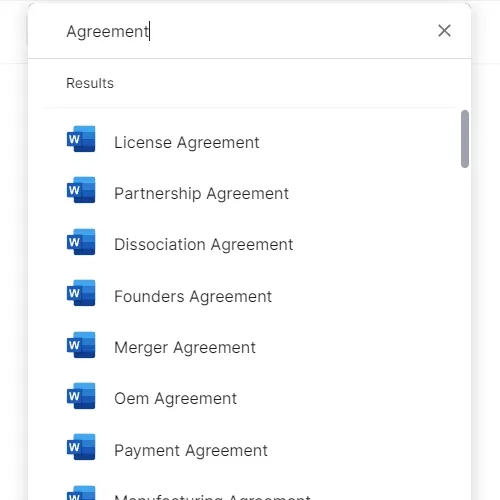
Access over 3,000+ business and legal templates for any business task, project or initiative.

2
Edit and fill in the blanks with AI

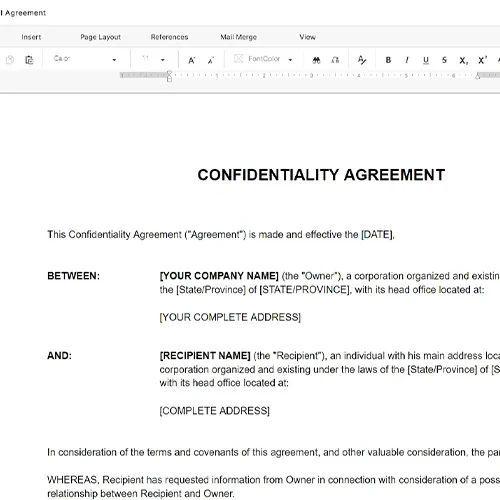
Customize your ready-made business document template and save it in the cloud.

3
Save, Share, Send, Sign

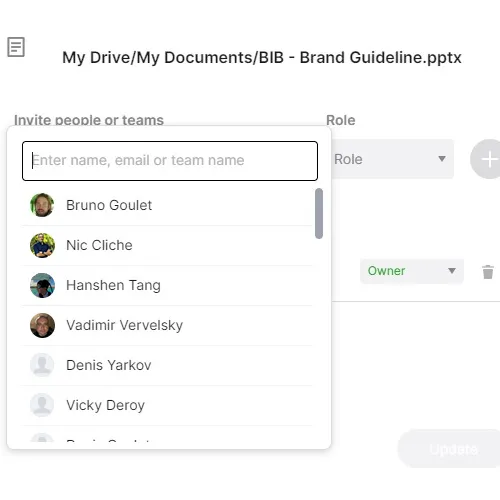
Share your files and folders with your team. Create a space of seamless collaboration.

Save time, save money, and create top-quality documents.

β˜…β˜…β˜…β˜…β˜…

"Fantastic value! I'm not sure how I'd do without it. It's worth its weight in gold and paid back for itself many times."

Managing Director Β· Mall Farm
Robert Whalley
Managing Director, Mall Farm Proprietary Limited
β˜…β˜…β˜…β˜…β˜…

"I have been using Business in a Box for years. It has been the most useful source of templates I have encountered. I recommend it to anyone."

Business Owner Β· 4+ years
Dr Michael John Freestone
Business Owner
β˜…β˜…β˜…β˜…β˜…

"It has been a life saver so many times I have lost count. Business in a Box has saved me so much time and as you know, time is money."

Owner Β· Upstate Web
David G. Moore Jr.
Owner, Upstate Web

Run your business with a system β€” not scattered tools

Stop downloading documents. Start operating with clarity. Business in a Box gives you the Business Operating System used by over 250,000 companies worldwide to structure, run, and grow their business.

Free Forever PlanΒ Β·Β No credit card required