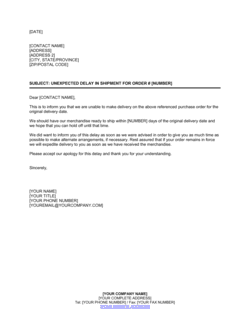
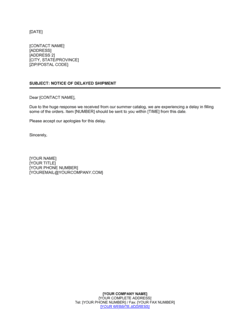
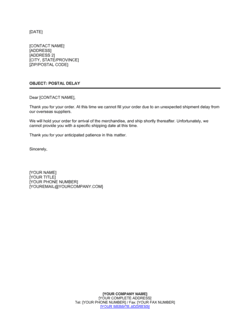
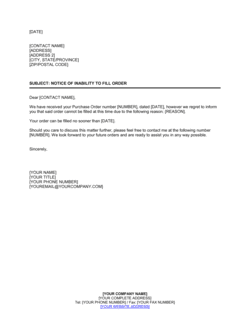
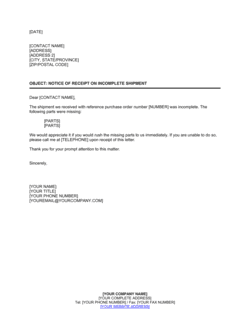
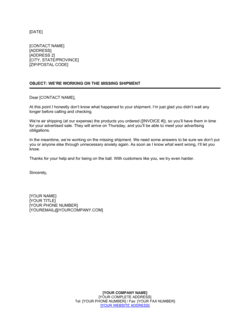
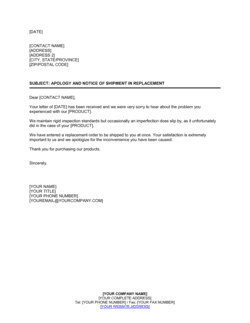
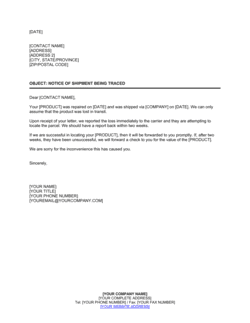
Explanation for Delay of Shipment Template

Free Word download • Edit online • Save & share with Drive • Export to PDF

1 page20–30 min to fillDifficulty: StandardSignature requiredLegal review recommended
Learn more ↓
FreeExplanation for Delay of Shipment Template

At a glance

What it is
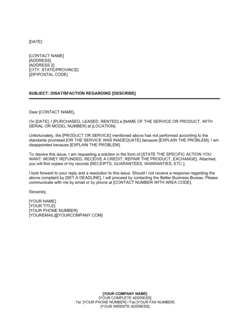
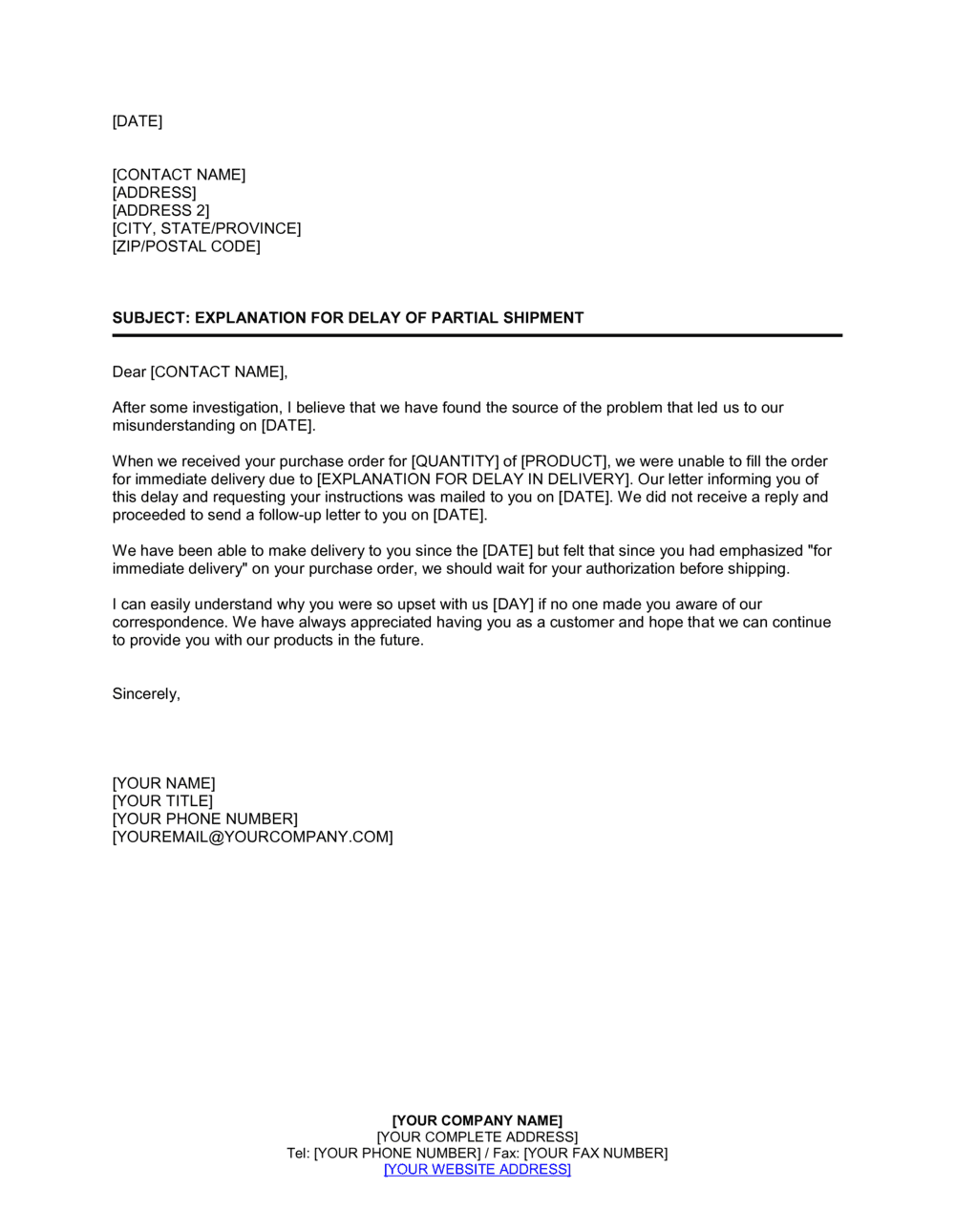
An Explanation For Delay Of Shipment is a formal written notice a seller, supplier, or logistics provider sends to a buyer or customer when a contracted shipment will not arrive on the originally agreed date. This free Word download gives you a structured, professionally worded document you can edit online and export as PDF — covering the cause of the delay, the revised delivery timeline, and any remedial steps being taken.
When you need it
Use it as soon as you become aware that a shipment cannot meet the contracted delivery date — whether the cause is a supplier disruption, carrier failure, port congestion, customs hold, or force majeure event. Prompt written notice protects you legally and preserves the business relationship by demonstrating transparency.
What's inside
Identifying details for both parties and the original order, a clear statement of the delay and its root cause, a revised estimated delivery date, remedial actions being taken, any contractual protections invoked such as force majeure, and an authorized signature block. Each clause is drafted to meet the notice requirements found in most standard commercial supply agreements.

What is an Explanation For Delay Of Shipment?

An Explanation For Delay Of Shipment is a formal written notice a seller, supplier, or logistics provider issues to a buyer when a contracted delivery cannot be made on the originally agreed date. It identifies the affected purchase order, states the specific cause of the delay, provides a revised estimated delivery date, and documents the remedial steps being taken to fulfill the order as quickly as possible. Where the cause qualifies, it also formally invokes any force majeure or limitation-of-liability provisions in the underlying supply agreement. Unlike a casual email update, a properly drafted delay notice creates a contemporaneous documentary record that is essential if the parties later dispute liability, damages, or termination rights.

Why You Need This Document

Failing to send a timely, properly structured shipment delay notice exposes a seller to the full weight of the contract's breach remedies — including liquidated damages that can accumulate daily, the buyer's right to cancel the order without notice, and liability for the buyer's cover costs if they source replacement goods elsewhere. In contracts governed by the CISG, the UCC, or most standard commercial supply agreements, the right to invoke force majeure is conditioned on giving prompt written notice — miss the window and the protection is forfeited regardless of how genuine the underlying cause was. Beyond legal exposure, an undocumented verbal update gives the buyer's legal team nothing to acknowledge and nothing to waive, leaving every claim on the table. This template gives you a structured, professionally worded notice that satisfies the contractual notice requirements found in most supply agreements, documents your mitigation efforts, and requests the buyer's written response — turning a difficult operational situation into a managed, documented process rather than an open-ended legal dispute.

Which variant fits your situation?

If your situation is…Use this template
Delay caused by an unforeseeable event outside the supplier's controlForce Majeure Notice
Buyer seeks compensation for losses caused by the late deliveryClaim for Damages Letter
Shipment is partially delivered with the remainder to followPartial Shipment Notice
Buyer wishes to cancel the order due to the delayPurchase Order Cancellation Letter
Parties need to amend the original contract delivery date in writingContract Amendment Agreement
Carrier or freight forwarder is at fault and must be notifiedFreight Claim Letter
Supplier needs to update delivery terms for future ordersSupply Agreement Amendment

Common mistakes to avoid

❌ Sending notice after the contractual deadline

Why it matters: Most supply agreements specify a notice window — often 5 to 10 business days from when the delay becomes known. Missing it can forfeit your right to invoke force majeure or limit liability, leaving you exposed to full liquidated damages.

Fix: Review the notice provisions in your supply agreement before drafting. Send the notice as soon as the delay is reasonably foreseeable — do not wait until the original delivery date has already passed.

❌ Using vague root-cause language

Why it matters: Phrases like 'unforeseen supply chain disruption' or 'logistics issues' provide no evidentiary basis for a force majeure or limitation-of-liability claim and invite the buyer to dispute the cause entirely.

Fix: Name the specific event, the date it occurred, the carrier or supplier affected, and attach any supporting documentation — port authority notices, carrier delay bulletins, or supplier letters — as exhibits.

❌ Omitting the remediation and mitigation section

Why it matters: Courts and arbitrators in most jurisdictions require a party invoking force majeure to demonstrate that it took all reasonable steps to minimize the delay. A notice without a mitigation section undermines that defense.

Fix: List at least two to three specific steps taken — rerouting the shipment, engaging a backup supplier, or air-freighting critical units — and the dates those actions were initiated.

❌ Delivering notice by the wrong method

Why it matters: If the contract specifies certified mail or courier and you send the notice by email only, the notice may have no legal effect — even if the buyer received and read it.

Fix: Re-read the notice provisions in the supply agreement every time before sending. Use the exact delivery method specified, and for high-value transactions, use both email and courier simultaneously.

❌ Not requesting a written response from the buyer

Why it matters: Without the buyer's written acknowledgment and election, you cannot confirm whether they accept the revised date, intend to claim damages, or plan to cancel — each of which requires a different operational and legal response.

Fix: Include a clear response request with a specific deadline — typically 5 to 7 business days — and two or three defined options for the buyer to elect.

❌ Failing to include a reservation of rights clause

Why it matters: Offering remedies or contingency options without a reservation of rights can be read as an admission of full liability, giving the buyer grounds to claim all consequential losses beyond what the contract limits.

Fix: Include a standard reservation-of-rights paragraph stating that nothing in the notice waives any right or defense available to the seller under the agreement or applicable law.

The 9 key clauses, explained

Parties and order identification

In plain language: Identifies the seller and buyer by legal name and address, references the specific purchase order number, shipment number, and original contracted delivery date.

Sample language
This notice is issued by [SELLER LEGAL NAME] ('Seller') to [BUYER LEGAL NAME] ('Buyer') in connection with Purchase Order No. [PO NUMBER] dated [DATE], with a contracted delivery date of [ORIGINAL DELIVERY DATE].

Common mistake: Referencing only the invoice number instead of the purchase order number. The PO is the controlling document in most supply agreements; mismatching it causes the notice to be filed incorrectly by the buyer's AP team and delays any formal response.

Statement of delay

In plain language: Formally declares that the shipment will not be delivered by the contracted date and states the expected new delivery date.

Sample language
Seller hereby notifies Buyer that the shipment described in PO No. [PO NUMBER] will not be delivered by the contracted date of [ORIGINAL DATE]. The current revised estimated delivery date is [NEW DATE].

Common mistake: Providing a vague revised date like 'within the next few weeks' instead of a specific calendar date. Vague timelines give the buyer no actionable information and may restart the notice clock under the contract.

Root cause of the delay

In plain language: Explains the specific reason for the delay with enough detail to demonstrate the cause was genuine, not foreseeable, and outside the seller's reasonable control where applicable.

Sample language
The delay is attributable to [SPECIFIC CAUSE — e.g., port congestion at [PORT NAME] resulting from [EVENT], which caused a [X]-day hold on all outbound containers effective [DATE]].

Common mistake: Writing a single vague sentence like 'due to supply chain issues.' Courts and arbitrators treat vague cause statements as evidence the seller did not take the notice obligation seriously, weakening any force majeure or limitation-of-liability defense.

Force majeure invocation (conditional)

In plain language: Formally invokes the force majeure clause of the underlying contract if the cause qualifies, limiting the seller's liability for the delay.

Sample language
Seller hereby invokes the force majeure provisions of Section [X] of the Agreement dated [DATE]. The [SPECIFIC EVENT] constitutes an event of force majeure as defined therein, and Seller's obligations are suspended for the duration of such event.

Common mistake: Invoking force majeure without citing the specific contract clause and section number. If the buyer disputes the invocation, a generic force majeure claim without a contractual anchor is far harder to defend.

Remedial and mitigation actions

In plain language: Describes the concrete steps the seller is taking to minimize the impact of the delay and fulfill the order as soon as possible.

Sample language
To mitigate the impact of this delay, Seller has taken the following steps: (a) [ACTION 1 — e.g., rerouted the shipment via [ALTERNATIVE PORT/CARRIER]]; (b) [ACTION 2 — e.g., prioritized production of Buyer's order ahead of other commitments]; (c) [ACTION 3].

Common mistake: Omitting the mitigation section entirely. Many contracts require the seller to demonstrate reasonable efforts to minimize delay — without this clause, the seller may lose the right to invoke force majeure or limitation-of-liability protections.

Impact on buyer and contingency options

In plain language: Acknowledges the potential impact of the delay on the buyer's operations and offers any available alternatives — partial delivery, substitute goods, or temporary arrangements.

Sample language
Seller acknowledges that this delay may impact Buyer's operations. Seller is prepared to discuss the following contingency options at Buyer's election: (a) partial delivery of available units by [DATE]; (b) [ALTERNATIVE OPTION]; or (c) a mutually agreed order modification.

Common mistake: Leaving the buyer with no options. A notice that only reports bad news without offering any path forward increases the risk of the buyer exercising termination rights or claiming anticipatory breach.

Liability limitation and reservation of rights

In plain language: States that the seller's liability for the delay is limited to the terms of the underlying contract and reserves all rights and defenses available to the seller.

Sample language
Seller's liability arising from this delay, if any, shall be limited to the remedies expressly provided in the Agreement. Nothing in this notice shall be construed as a waiver of any right or defense available to Seller under the Agreement or applicable law.

Common mistake: Omitting a reservation of rights clause. Without it, the act of sending the notice and offering remedies can be interpreted as admitting full liability for all downstream losses the buyer claims.

Buyer acknowledgment and waiver request

In plain language: Requests the buyer's written acknowledgment of the delay notice and, where appropriate, a waiver of any breach claim arising from the revised delivery date.

Sample language
Seller respectfully requests that Buyer acknowledge receipt of this notice and confirm in writing whether Buyer elects to (a) accept delivery on the revised date of [DATE] and waive any breach claim arising therefrom, or (b) exercise any remedies available under the Agreement.

Common mistake: Not requesting a response deadline. An open-ended acknowledgment request leaves the seller uncertain whether the buyer intends to accept the delay, pursue damages, or cancel — all of which require different operational responses.

Governing law and notice details

In plain language: States which jurisdiction's law governs the notice and confirms that the notice is being delivered by the method specified in the underlying contract (email, courier, certified mail).

Sample language
This notice is governed by the laws of [STATE / PROVINCE / COUNTRY] and is delivered pursuant to the notice provisions of the Agreement. Seller's authorized representative may be contacted at [NAME], [TITLE], [EMAIL], [PHONE].

Common mistake: Sending the delay notice by a method not specified in the contract — for example, email only when the contract requires certified mail or courier. Improper delivery of notice can void its legal effect entirely.

How to fill it out

  1. 1

    Identify the parties and reference the correct order documents

    Enter both parties' full legal names and addresses. Pull the exact purchase order number, shipment reference, and original contracted delivery date from the underlying agreement.

    💡 Use the legal entity name from the signed supply contract, not a trading name or abbreviation — mismatches create processing delays on the buyer's side.

  2. 2

    State the revised delivery date as a specific calendar date

    Determine your most realistic revised delivery date based on current carrier and supplier information, then enter it as a specific date — not a range or estimate in days.

    💡 If you are genuinely uncertain, provide a worst-case date with a note that you will update Buyer in writing no later than [X days] if circumstances change. This is more defensible than no date at all.

  3. 3

    Document the root cause with specifics

    Write a concise but specific explanation of what caused the delay: the event, when it occurred, and how it directly affected your shipment. Attach supporting documentation (carrier notices, port authority bulletins, supplier letters) as exhibits.

    💡 Bullet-point the causal chain — e.g., 'Port X closed on [date] → container held [X] days → vessel departed [date] → revised ETA [date].' A clear chain is harder to dispute than a narrative paragraph.

  4. 4

    Assess whether force majeure applies and invoke it explicitly

    Review the force majeure clause in your underlying supply agreement. If the cause qualifies, cite the specific contract section and invoke the clause explicitly in this notice. Do not assume the buyer will infer force majeure from the description of the event.

    💡 Force majeure notice deadlines are often 5–10 business days from when the event became known — check your contract and send the notice before that deadline expires.

  5. 5

    List concrete mitigation steps taken

    Describe at least two to three specific actions you have taken or are taking to minimize the delay — alternative routing, production prioritization, expedited handling, or carrier upgrades.

    💡 Use verbs that signal active effort: 'rerouted,' 'expedited,' 'prioritized,' 'engaged alternative carrier.' Passive language like 'monitoring the situation' weakens your mitigation defense.

  6. 6

    Offer the buyer clear response options

    Give the buyer at least two actionable options — typically accept the revised date or discuss an order modification — and set a deadline for their response.

    💡 A 5–7 business day response deadline is standard. It keeps the situation moving and prevents the buyer from sitting on the notice and claiming they incurred additional losses while waiting.

  7. 7

    Have an authorized signatory execute the document

    The notice must be signed by an officer or authorized representative of the seller. Enter their full name, title, and contact details in the signature block.

    💡 Send the signed notice via the delivery method specified in the contract — typically email with read-receipt confirmation plus a courier copy for high-value shipments.

  8. 8

    File a copy and track the buyer's response

    Retain a date-stamped copy of the sent notice and any exhibits. Set a calendar reminder for the buyer's response deadline and follow up in writing if no acknowledgment is received.

    💡 If the buyer does not respond by the deadline, send a short written follow-up noting the lack of response and confirming you will proceed with the revised delivery date unless instructed otherwise.

Frequently asked questions

What is an explanation for delay of shipment?

An explanation for delay of shipment is a formal written notice a seller or supplier sends to a buyer when a contracted delivery will not arrive on time. It states the specific cause of the delay, provides a revised estimated delivery date, and outlines the remedial steps being taken. In most commercial supply relationships, sending this notice promptly is a contractual obligation that protects the seller's legal position and preserves the buyer relationship.

Is a delay of shipment notice legally required?

Whether a formal notice is legally required depends on the terms of the underlying supply or purchase agreement. Most commercial contracts include a notice provision requiring the seller to inform the buyer in writing within a specified window — often 5 to 10 business days — when a delivery cannot be met. Failing to give timely notice typically forfeits the right to invoke force majeure protections and may expose the seller to the full liquidated damages clause. Even where not strictly required, sending a formal written notice is strongly advisable to document the cause and demonstrate good faith.

What is the difference between a delay notice and a force majeure notice?

A delay notice formally informs the buyer that a shipment will be late and provides a revised delivery date — it covers any cause, including the seller's own operational failures. A force majeure notice is a specific type of delay notice that invokes a contractual clause excusing performance due to an extraordinary event beyond the seller's control, such as a natural disaster, port closure, or government embargo. A single document can serve both purposes if the cause qualifies — this template includes a conditional force majeure invocation clause for that reason.

Can a buyer cancel the order if the shipment is delayed?

A buyer's right to cancel depends on the terms of the supply agreement, the nature of the delay, and whether the seller gave proper notice and is taking reasonable steps to mitigate. Many contracts allow cancellation only if the delay exceeds a defined threshold — for example, 30 or 60 days beyond the original delivery date — or if the seller has not provided a credible revised timeline. Where force majeure is properly invoked, the buyer's right to cancel is typically suspended during the force majeure period. Consider consulting a lawyer before accepting or contesting a cancellation notice.

What documentation should be attached to a shipment delay notice?

Attach any documents that substantiate the stated cause of the delay. Common exhibits include: carrier delay notifications or booking cancellation confirmations, port authority or customs hold notices, supplier letters citing production disruptions, government-issued emergency or trade restriction orders, and weather or force majeure event declarations from a recognized authority. Attaching supporting documents contemporaneously makes the notice far more defensible if the buyer later disputes the cause.

How specific does the revised delivery date need to be?

The revised date should be a specific calendar date, not a range or an estimate expressed in days. If uncertainty makes a precise date impossible, state the most realistic worst-case date and include a commitment to provide a written update no later than a defined number of days if circumstances change. Vague revised timelines — 'within a few weeks' or 'as soon as possible' — are treated by courts and buyers alike as evidence that the seller has not made a genuine assessment of the situation.

Does the notice need to be signed?

Yes. A shipment delay notice should be signed by an authorized officer or representative of the sending organization. An unsigned notice may be disputed as informal or non-binding under the notice provisions of the supply agreement. The signatory's full name, title, and direct contact details should appear in the signature block so the buyer's team can follow up immediately.

What happens if the revised delivery date is also missed?

If the shipment is not delivered by the revised date stated in the first notice, the seller must issue a second written notice promptly, explaining the continued or new cause and providing a further revised date. Repeated delays without adequate notice and explanation erode the seller's legal defenses, increase the buyer's grounds for cancellation and damages claims, and damage the commercial relationship. Some contracts treat a missed revised date as an automatic right to cancel.

Can this template be used for international shipments?

Yes, with appropriate adjustments. For international transactions governed by Incoterms, specify the applicable Incoterm (e.g., FOB, CIF, DDP) and the point at which delivery risk transfers from seller to buyer. Include the governing law and dispute resolution forum from the underlying contract. For shipments subject to customs controls or import/export regulations, attach any relevant customs authority notices as exhibits. Consider having a lawyer familiar with the applicable jurisdiction review the notice before sending for high-value cross-border transactions.

How this compares to alternatives

vs Force Majeure Notice

A force majeure notice is a specific legal invocation excusing performance due to an extraordinary event beyond the sender's control, typically suspending obligations and limiting liability for the duration of the event. An explanation for delay of shipment is a broader communication that covers any cause of delay — including the seller's own operational issues — and focuses on the revised timeline and remediation steps. When the cause qualifies as force majeure, a single document should serve both purposes; this template includes a conditional force majeure clause for that reason.

vs Purchase Order Cancellation Letter

A purchase order cancellation letter terminates the transaction and the parties' obligations under it. An explanation for delay of shipment preserves the order and commits to a revised delivery date. Use the delay notice first; the cancellation letter is the appropriate next step only if the buyer elects to cancel after receiving the delay notice or if the delay exceeds any contractual cancellation threshold.

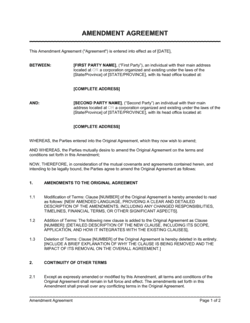
vs Contract Amendment Agreement

A contract amendment formally modifies the delivery terms in the underlying supply agreement — changing the contracted date with mutual agreement. A delay notice is a unilateral communication from the seller, not a bilateral modification. If the buyer agrees to the revised date and waives any breach claim, the parties may choose to memorialize that agreement in a contract amendment; otherwise the original contract terms remain in force.

vs Demand Letter

A demand letter is issued by the injured party — typically the buyer — demanding performance or compensation for a breach. An explanation for delay of shipment is issued by the breaching party — the seller — proactively disclosing the delay before a demand is made. Sending a timely, well-documented delay notice often prevents the situation from escalating to a demand letter by demonstrating transparency, good faith, and active mitigation.

Industry-specific considerations

Manufacturing and wholesale

Production line stoppages, raw material shortages, and component backorders require detailed root-cause documentation and revised production schedules attached as exhibits.

Retail and e-commerce

Peak-season delays affecting multiple customers require notices tailored to individual purchase orders, with specific per-order revised dates rather than a blanket communication.

Import and export trade

Customs holds, port congestion, and trade restriction events require citation of the specific Incoterm allocation and any applicable government-issued force majeure declarations.

Logistics and freight forwarding

Carrier-issued delay notices must be distinguished from the freight forwarder's own obligations; the notice should clearly identify which party is responsible for each leg of the shipment.

Construction and engineering

Material delivery delays that trigger project schedule impacts require cross-referencing the construction contract's delay notification clause and any liquidated damages provisions.

Food and beverage

Perishable goods delays raise spoilage liability questions and may require immediate notification of the buyer's quality control team alongside the formal delay notice.

Jurisdictional notes

United States

In the US, shipment delay obligations are primarily governed by the underlying commercial contract rather than federal statute. The UCC Article 2 (adopted in all states except Louisiana) implies a duty to notify the buyer promptly of any delay and allows the buyer to seek cover goods if the seller cannot perform. Force majeure clauses are generally enforceable but narrowly interpreted — courts require the event to be truly unforeseeable and outside the seller's reasonable control. State-specific commercial law variations can affect the notice requirements and remedies available.

Canada

Canadian commercial contracts are governed provincially, with the Sale of Goods Act in each province implying similar notice obligations to the UCC. Quebec's Civil Code applies a distinct legal framework emphasizing good faith and imposing broader implied obligations on the seller. Force majeure — referred to as superior force in Quebec — must be explicitly documented. Federal customs and import regulations may impose additional notice requirements for cross-border shipments entering Canada.

United Kingdom

Under the UK Sale of Goods Act 1979 and the Commercial Agents Regulations, sellers have an implied duty to deliver within a reasonable time and must notify buyers promptly of any inability to perform. Post-Brexit, UK standard-form contracts may reference UK-specific Incoterms interpretations rather than EU customs procedures. Force majeure clauses are enforceable in English law but require clear contractual language — English courts do not recognize a general doctrine of force majeure outside of contract.

European Union

The UN Convention on Contracts for the International Sale of Goods (CISG) applies to many cross-border EU commercial sales and requires the seller to give notice of an impediment as soon as reasonably possible after the seller knew or ought to have known of it. Failure to give timely CISG notice removes the seller's exemption from liability for the delay. GDPR considerations apply if personal data is included in shipping documentation shared with logistics partners. Member state consumer protection laws may impose additional disclosure obligations for B2C shipments.

Template vs lawyer — what fits your deal?

PathBest forCostTime
Use the templateStandard domestic shipment delays where the cause is straightforward and the order value is below $50,000Free20–30 minutes
Template + legal reviewDelays involving force majeure invocation, high-value orders, or international trade governed by Incoterms$200–$500 for a lawyer review of the completed notice1–2 business days
Custom draftedDelays triggering liquidated damages clauses, multi-jurisdiction contracts, or situations likely to proceed to arbitration or litigation$800–$3,000+3–7 business days

Glossary

Force Majeure
A contractual clause excusing a party from performance obligations when an extraordinary, unforeseeable event beyond their control prevents delivery.
Revised Estimated Delivery Date (EDD)
The new target date by which the supplier commits to completing the shipment, replacing the originally contracted date.
Purchase Order (PO)
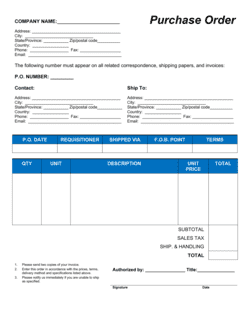
A buyer-issued commercial document authorizing a specific purchase; referenced in the delay notice to identify the affected transaction.
Bill of Lading (BOL)
A legal document issued by a carrier acknowledging receipt of cargo for shipment and specifying the terms of transport.
Liquidated Damages
A pre-agreed sum specified in the contract that a seller pays the buyer for each day or week of late delivery, as compensation for the breach.
Notice Period
The minimum time before a deadline by which one party must formally inform the other of a delay, change, or breach — as defined in the underlying contract.
Root Cause
The primary, specific reason for the delay — such as supplier insolvency, port congestion, or component shortage — as opposed to a general description.
Remedial Action
The concrete steps a supplier is taking to resolve the delay and fulfill the order, such as switching carriers, expediting production, or air-freighting goods.
Waiver
A buyer's written agreement to accept the delayed delivery without treating it as a breach, typically in exchange for the seller's transparency and mitigation efforts.
Incoterms
Internationally recognized trade terms (e.g., FOB, CIF, DDP) published by the International Chamber of Commerce that allocate delivery risk and cost between buyer and seller.

Part of your Business Operating System

This document is one of 3,000+ business & legal templates included in Business in a Box.

  • Fill-in-the-blanks — ready in minutes
  • 100% customizable Word document
  • Compatible with all office suites
  • Export to PDF and share electronically

Create your document in 3 simple steps.

From template to signed document — all inside one Business Operating System.
1
Download or open template

Access over 3,000+ business and legal templates for any business task, project or initiative.

2
Edit and fill in the blanks with AI

Customize your ready-made business document template and save it in the cloud.

3
Save, Share, Send, Sign

Share your files and folders with your team. Create a space of seamless collaboration.

Save time, save money, and create top-quality documents.

★★★★★

"Fantastic value! I'm not sure how I'd do without it. It's worth its weight in gold and paid back for itself many times."

Managing Director · Mall Farm
Robert Whalley
Managing Director, Mall Farm Proprietary Limited
★★★★★

"I have been using Business in a Box for years. It has been the most useful source of templates I have encountered. I recommend it to anyone."

Business Owner · 4+ years
Dr Michael John Freestone
Business Owner
★★★★★

"It has been a life saver so many times I have lost count. Business in a Box has saved me so much time and as you know, time is money."

Owner · Upstate Web
David G. Moore Jr.
Owner, Upstate Web

Run your business with a system — not scattered tools

Stop downloading documents. Start operating with clarity. Business in a Box gives you the Business Operating System used by over 250,000 companies worldwide to structure, run, and grow their business.

Free Forever Plan · No credit card required