Real Estate Templates
Brokerages, agents, property management, real-estate investment.
Instant downloads • Fully editable • Export to Word, Excel or PDF
101 templates
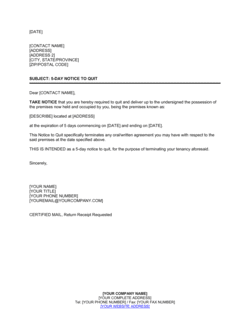
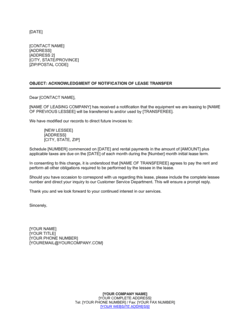
Includes Lease Agreement, 5 Day Notice To Quit, Acknowledgment Of Notification Of Lease Transfer and 98 more.
At a glance
What it is
This filter surfaces the documents that real estate professionals reach for most — purchase agreements, lease agreements, commission structures, partnership arrangements, and business plans. Whether you operate a brokerage, manage rental properties, or run an investment company, these templates cover the paperwork that moves deals forward and keeps operations compliant.
When you need one
Real estate operators need structured documents at every stage of a transaction or tenancy — from the first offer through closing, from onboarding an agent to terminating a lease. Using a tested template reduces the risk of missing a material clause and speeds up the time between intent and execution.
Popular Real Estate Templates
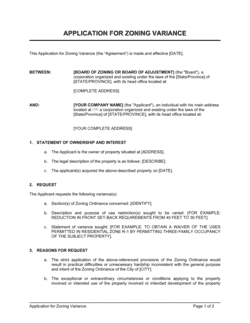
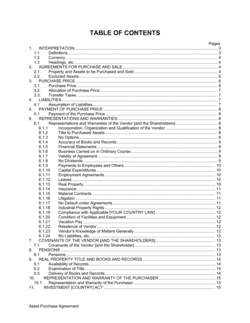
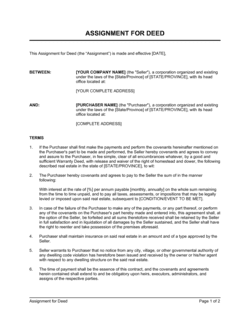
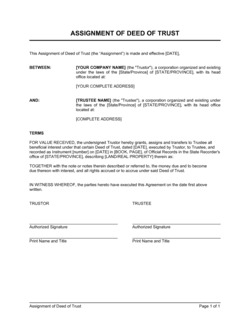
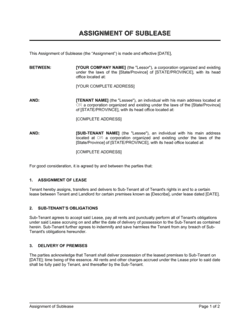
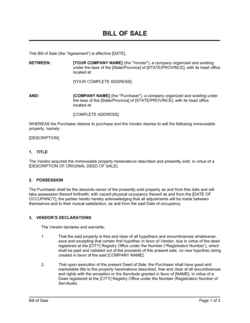
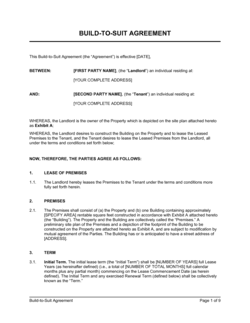
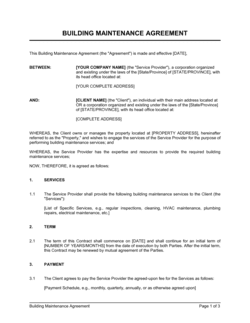

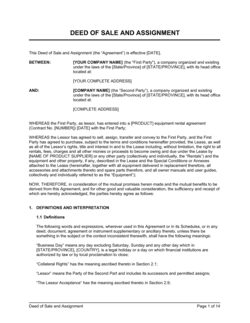
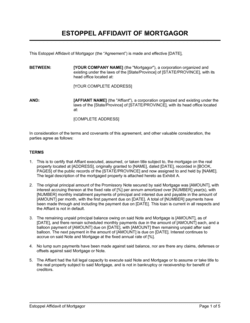
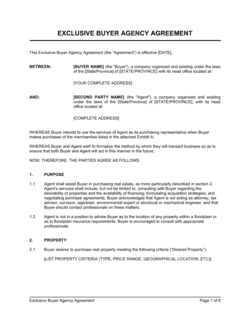
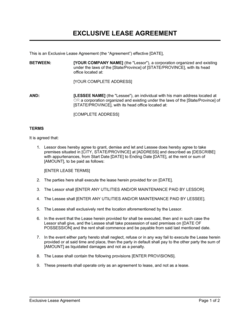
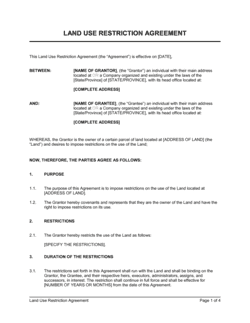
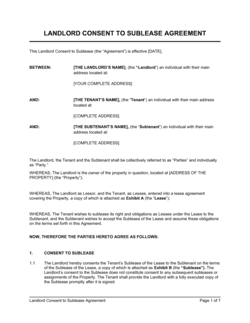
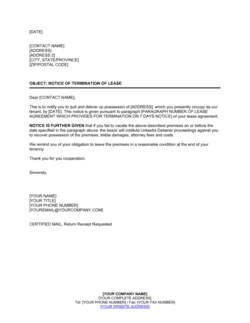
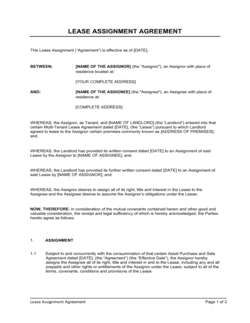
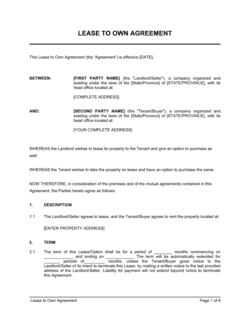
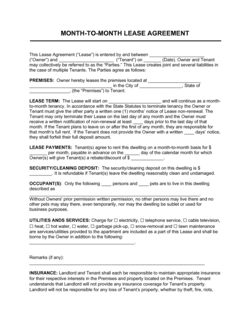
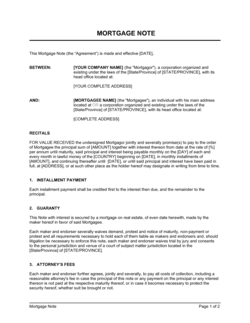
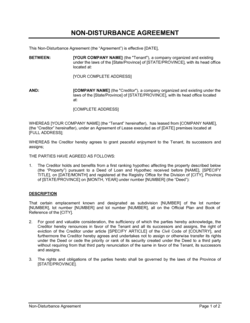
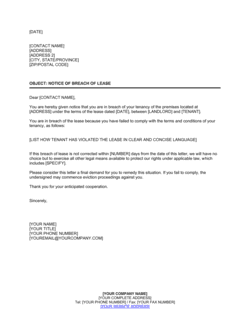
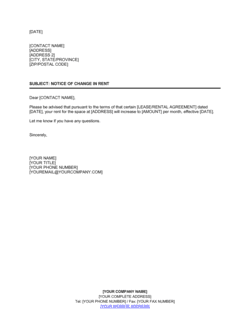
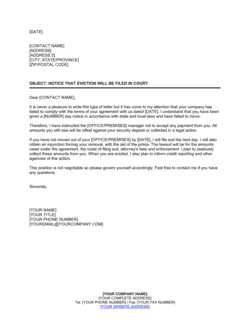
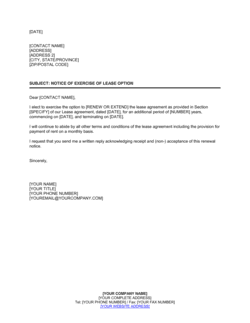
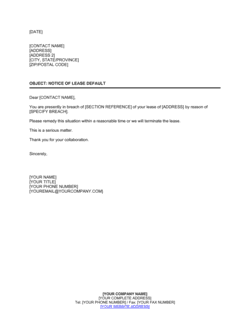
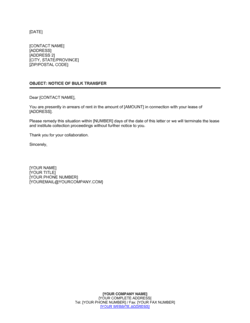
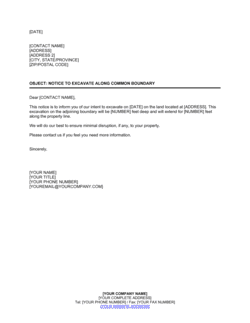

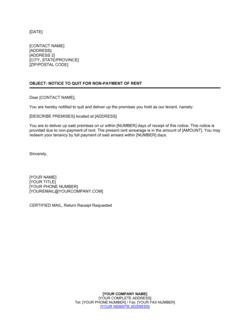
Showing 60 of 101 templates
Looking for something else?
Search all 101 templates in this category by name or keyword.
Business-in-a-Box has all 101 in this category, plus the rest of the library, ready to edit. See what's inside
Which template fits your situation?
The right template depends on where you sit in a transaction — buyer, seller, manager, investor, or brokerage owner. Use the scenarios below to match your situation to the correct document.
How real estate operators get the most from these templates
Real estate documents are high-stakes — a missing clause or incorrect party name can delay a closing or void a lease — so a consistent process for selecting, customizing, and executing each template matters.
Identify your role in the transaction
Determine whether you are acting as buyer, seller, investor, manager, or brokerage — each role points to a different subset of templates in this filter.
Select the right document for the transaction type
Choose between residential and commercial variants, short-form and long-form offers, or active and passive partnership agreements based on the specific deal structure.
Insert full legal property details
Use the exact legal description from the title search or land registry, not just the civic address, to ensure the document can be recorded if required.
Fill in all financial and timeline fields
Complete purchase price, deposit amounts, commission rates, and all dates before circulating — leaving blanks invites disputes about what was agreed.
Review jurisdiction-specific requirements
Real estate law varies significantly by state and province; confirm that your chosen template's notice periods, disclosure requirements, and execution formalities match local rules.
Have counsel review high-value transactions
For commercial acquisitions, multi-unit deals, or partnership structures above a material threshold, a real estate lawyer should review the final document before signing.
Execute with the correct formalities
Some instruments — deeds, mortgages, and certain notices — require notarization or witness signatures; ensure the execution block is completed properly before submission.
Retain executed copies and update your records
File a copy of every signed document in your transaction or property management system so you can retrieve it quickly if a dispute or audit arises.
Glossary
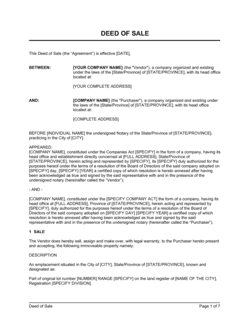
- deed of sale
- The legal instrument that formally transfers title to real property from seller to buyer upon completion of the agreed conditions.
- contingency
- A condition written into a purchase contract that must be satisfied — such as financing approval or a satisfactory inspection — before either party is obligated to close.
- assignment of contract
- A transfer of one party's rights and obligations under an existing contract to a third party, used in real estate to pass a purchase contract before closing.
- property management agreement
- A contract between a property owner and a manager that defines the manager's authority, responsibilities, and compensation for overseeing a rental property.
- commission agreement
- A document that sets out the rate, trigger, and payment terms for a real estate agent's or broker's fee on a transaction.
- mechanics lien
- A security interest placed on a property title by a contractor or supplier who performed work or supplied materials and has not been paid.
- option to purchase
- An agreement that gives a potential buyer the exclusive right to purchase a property at a set price within a specified period, without obligating them to do so.
- passive partnership
- A real estate ownership structure in which one partner provides capital but does not participate in management, leaving operational decisions to the active partner.
- independent contractor agreement
- A contract between a brokerage and a sales agent that establishes the agent's self-employed status, scope of services, and compensation arrangement.
- assignment of rents
- A document by which a property owner transfers the right to collect rental income to a lender or other party, typically as security for a loan.
- notice to quit
- A formal written notice from a landlord to a tenant demanding that the tenant cure a lease violation or vacate the property within a stated period.
- due diligence period
- The window of time after an offer is accepted during which the buyer investigates the property's condition, financials, and legal status before being bound to close.
Real Estate Templates by department
Browse other industries
Frequently asked questions
What real estate templates are available?
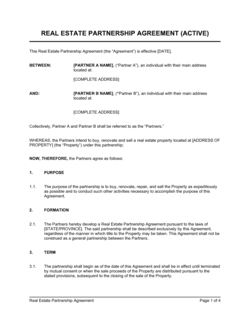
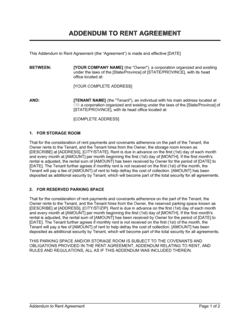
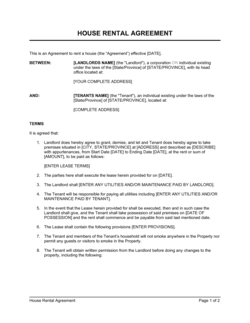
101 real estate templates, including Lease Agreement, 5 Day Notice To Quit, Acknowledgment Of Notification Of Lease Transfer, Active Real Estate Partnership Agreement, Addendum To Rent Agreement.
What is the difference between an offer to purchase and a purchase agreement?
An offer to purchase is a buyer's initial proposal — it states the offered price and conditions but is not yet fully agreed. A purchase agreement (or sale agreement) is the executed contract that both parties have signed, making it binding. In practice, the offer to purchase often becomes the purchase agreement once the seller accepts and both parties countersign.
Do I need a property management agreement if the manager is a family member?
Yes. A signed property management agreement protects both parties regardless of their relationship. It defines the manager's authority to sign leases, collect rent, and authorize repairs, which third parties such as tenants and contractors need to see. Without it, the scope of the manager's authority is ambiguous and disputes are harder to resolve.
When should a real estate investor use a passive rather than an active partnership agreement?
A passive real estate partnership agreement (D13232) is appropriate when one partner contributes capital but takes no role in day-to-day management or decision-making. An active partnership agreement (D13216) applies when both partners share management responsibilities. The distinction matters for liability exposure, tax treatment, and the allocation of decision rights within the agreement.
Can I use the short-form offer to purchase for commercial property?
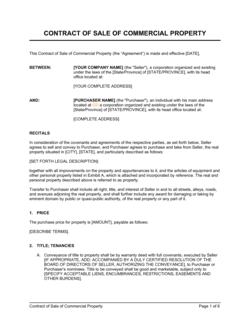
The short-form offer (D1191) is designed for straightforward residential transactions where speed matters. For commercial property, the Contract of Sale of Commercial Property (D1169) or the full Real Estate Purchase Agreement (D13234) is more appropriate because commercial deals typically involve zoning contingencies, due diligence periods, and lease assignment reviews that the short form does not address.
What is an assignment of real estate contract and when is it used?
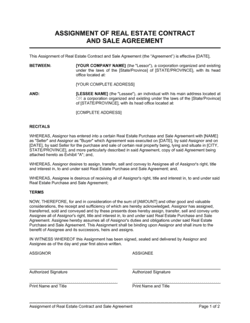
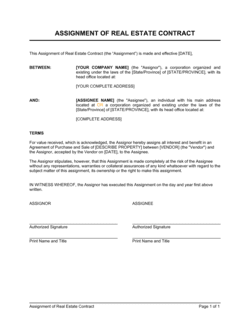
An assignment of real estate contract transfers the rights and obligations of a purchase contract from the original buyer to a new buyer before closing. Investors use this technique — commonly called wholesaling — to pass a deal to another purchaser without taking title themselves. The Assignment of Real Estate Contract (D1158) documents the transfer and the fee paid to the original purchaser.
What templates does a new real estate brokerage need on day one?
A new brokerage typically needs a real estate business plan (D12033), an independent contractor agreement for agents (D1198), a commission agreement (D13759), a code of ethics (D14042), and job descriptions for broker (D11699) and sales agent (D11700) roles. These documents establish the brokerage's operating framework before the first transaction closes.
Is the 5-day notice to quit sufficient to begin eviction proceedings?
The 5-Day Notice to Quit (D1204) is a required first step in many jurisdictions before a landlord can file for eviction, but it is not the only step. After the notice period expires without cure or vacancy, the landlord typically must file a court application. Requirements vary by jurisdiction, so confirm local procedure before proceeding.
What is a mechanics lien notice and when does it apply to real estate?
A Notice of Claim of Mechanics Lien (D1211) is filed by a contractor, subcontractor, or supplier who has not been paid for work or materials on a property. It attaches a claim to the property title, which can block a sale or refinance until the debt is resolved. Property owners and investors should be aware of lien rights when managing renovation or construction work.
One document. A more organized business.
Your documents are part of how your business operates. Business in a Box brings the work, people and information around them into one workspace.
Start with the template you need. Bring the rest of your business together when you're ready.
How our templates are made
Every template is written by the Business in a Box editorial team and published by Bruno Goulet, CEO & Editor-in-Chief. Business in a Box has published business and legal templates for more than 20 years. Each document page explains what the template covers and how to fill it in; for legal documents, have a qualified professional review the final version when the stakes warrant it.