Media Templates
Publishing, broadcasting, journalism, film, music, entertainment.
Instant downloads • Fully editable • Export to Word, Excel or PDF
39 templates
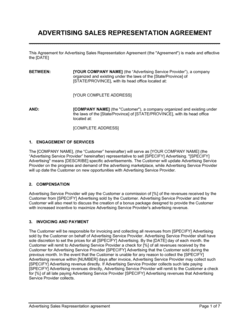
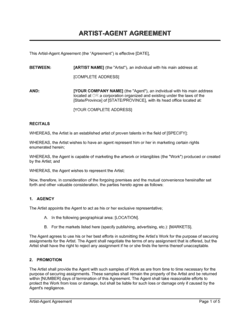
Includes Multimedia Publisher Development Agreement, Advertising Sales Representation Agreement, Artist Agent Agreement and 36 more.
At a glance
What it is
Media business templates are pre-built documents that publishing, broadcasting, entertainment, and social media operators use to manage press relations, content workflows, staff conduct, and audience permissions. This filter surfaces every template in the catalog that directly applies to running or growing a media-facing operation.
When you need one
Operators in this slice typically reach for these templates when launching a new media channel, hiring a social media team, onboarding brand partners, or responding to a public-facing incident. They are equally useful when building out internal governance around how staff represent the organization online.
Popular Media Templates
 XLS
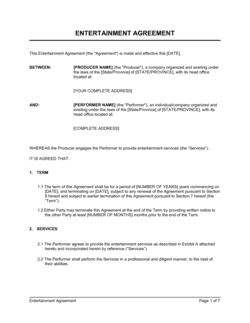
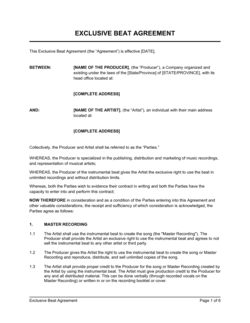
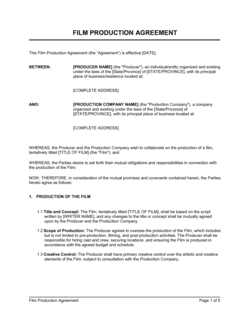
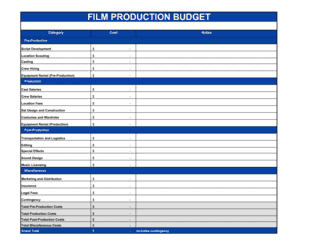 XLS
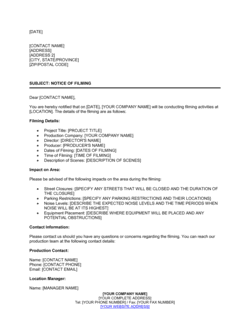
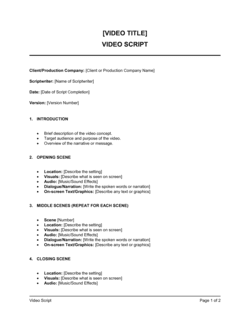
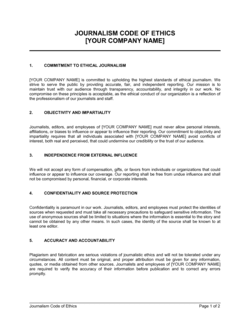
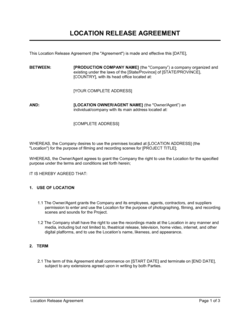
 XLS
 XLS
Which template fits your situation?
The right starting point depends on whether you are governing internal conduct, managing external press relationships, or building audience-facing content operations. Use the scenarios below to find your best first template.
How media operators get the most from these templates
The templates in this filter work best when adopted in sequence — governance first, then planning, then execution and reporting.
Establish your press and conduct policies
Start with the Media Relations Policy and Corporate Social Media Use Policy to define who speaks for the organization and how.
Build your external-facing media kit
Complete the Media Kit template so journalists, sponsors, and partners have a single, accurate source of brand information.
Put consent and release forms in place
Before publishing any footage, photography, or quoted content, collect signed Media Consent Forms and Media Release Forms.
Draft your social media strategy and plan
Use the Social Media Strategy and Social Media Plan templates to align platform priorities with business goals.
Build a publishing schedule
Populate the Social Media Content Calendar to assign content types, platforms, and publication dates across the team.
Formalize any agency or contractor relationships
If you outsource channel management, complete the Social Media Management Contract before granting account access.
Audit and report on performance
Run a Social Media Audit at least quarterly, then use the Social Media Marketing Report to share results with stakeholders.
Glossary
- media relations policy
- An internal document that designates authorized spokespersons and sets the process for responding to press inquiries.
- media consent form
- A signed agreement in which an individual permits an organization to record their likeness, voice, or statements.
- media release form
- A signed authorization allowing an organization to publish or distribute content featuring a named individual.
- media kit
- A packaged document sent to journalists, sponsors, or partners that summarizes a media organization's audience, brand, and contact details.
- crisis communication policy
- A pre-written protocol specifying how an organization responds to negative press events, including who speaks and what can be said.
- social media audit
- A structured review of an organization's existing social channels measuring profile completeness, audience size, and post performance.
- social media content calendar
- A scheduling document that maps planned posts to specific platforms, formats, and publication dates.
- social media management contract
- A service agreement between a business and an external agency or freelancer covering scope, deliverables, account ownership, and payment.
- editorial calendar
- A broader planning document that coordinates content publication across all formats — not just social media — over a defined period.
- earned media
- Press coverage, shares, or mentions that an organization receives without paying for placement.
- social media strategy
- A high-level document that defines platform priorities, target audiences, and content goals for an organization's social presence.
- authorized spokesperson
- An individual formally designated to represent an organization in press interviews, public statements, or on-the-record conversations.
Media Templates by department
Browse other industries
Frequently asked questions
What media templates are available?
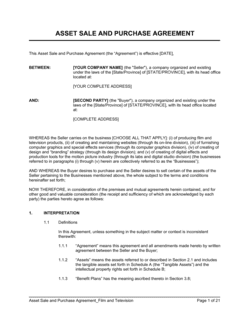
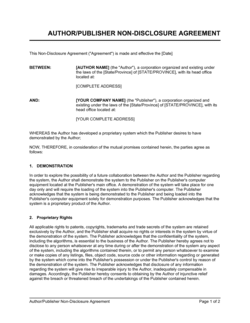
39 media templates, including Multimedia Publisher Development Agreement, Advertising Sales Representation Agreement, Artist Agent Agreement, Asset Sale And Purchase Agreement Film Television, Author-Publisher Non-Disclosure Agreement.
What types of documents does the media filter include?
This filter surfaces templates across four main areas: press and public relations governance, social media policy and conduct, content strategy and planning, and contracts for media roles or agencies. Operators in publishing, broadcasting, entertainment, journalism, and digital media will find relevant documents throughout all four groups.
Do I need a media release form and a media consent form, or just one?
They serve different purposes and you typically need both. A Media Consent Form documents that an individual agrees to be filmed, photographed, or quoted before the session takes place. A Media Release Form is the formal authorization to publish or distribute that content afterward. Using both creates a clear, documented trail of permission at each stage.
What should a media kit template include?
A media kit typically includes a short company overview, audience or circulation statistics, key personnel contacts, advertising or sponsorship options, past media coverage highlights, and brand assets such as logos and approved images. The Media Kit template in this filter provides all of these sections in an editable format.
How does a social media policy differ from a crisis communication policy?
A social media policy governs everyday conduct — what staff can post, what tone is required, and who has posting authority. A crisis communication and media relations policy activates when something goes wrong: it defines escalation paths, approved spokespersons, holding statements, and response timelines. Both documents should be in place before they are needed.
Can a small media business use these templates without a legal team?
Yes. The templates are written in plain language and require no legal background to complete. That said, consent forms, release forms, and contracts involve legally binding language, so it is advisable to have a local attorney review finalized documents before relying on them, particularly in jurisdictions with strong privacy or publicity rights laws.
What is the difference between a social media strategy and a social media plan?
A social media strategy defines the goals, target audiences, and platform priorities at a high level — the why and the where. A social media plan translates that strategy into concrete actions, timelines, and responsibilities — the what and the when. Use the strategy first to set direction, then the plan to operationalize it.
When should a media company hire a social media manager versus use an agency?
An in-house social media manager is typically more cost-effective when your content volume is high, your brand voice is complex, or you need real-time responsiveness. An agency tends to suit operators who need specialized platform expertise or a short-term campaign push without adding headcount. The Social Media Manager Job Description and Social Media Management Contract templates cover both paths.
How often should a media operator run a social media audit?
Most media operators benefit from running an audit at least once per quarter, and again before any significant rebrand, platform expansion, or change in editorial direction. The Social Media Audit template in this filter is structured to track profile completeness, engagement benchmarks, and competitive positioning across each active channel.
One document. A more organized business.
Your documents are part of how your business operates. Business in a Box brings the work, people and information around them into one workspace.
Start with the template you need. Bring the rest of your business together when you're ready.
How our templates are made
Every template is written by the Business in a Box editorial team and published by Bruno Goulet, CEO & Editor-in-Chief. Business in a Box has published business and legal templates for more than 20 years. Each document page explains what the template covers and how to fill it in; for legal documents, have a qualified professional review the final version when the stakes warrant it.