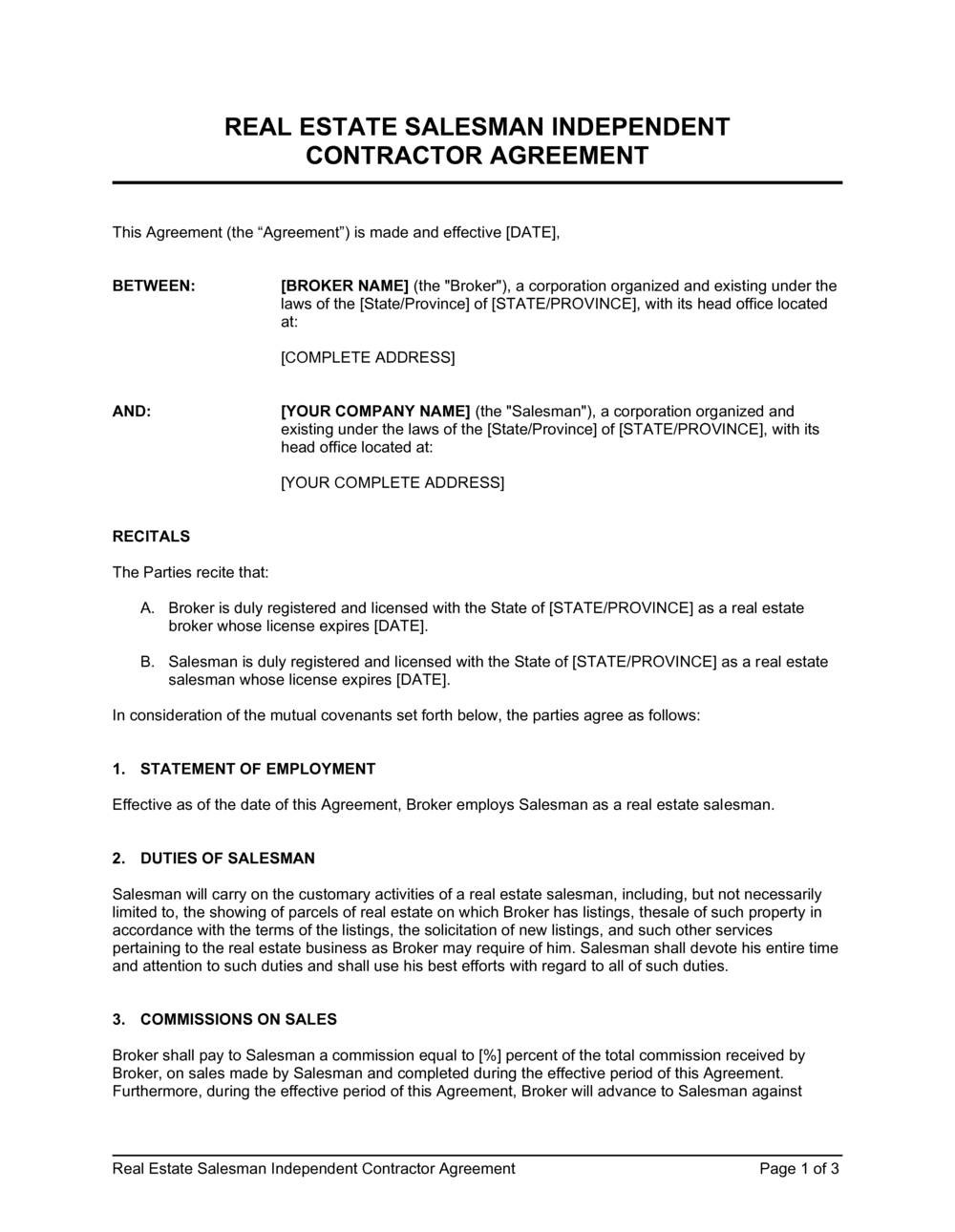
Real Estate Salesman Independent Contractor Agreement Template

Free Word download • Edit online • Save & share with Drive • Export to PDF

3 pages25–30 min to fillDifficulty: ComplexSignature requiredLegal review recommended
Learn more ↓
FreeReal Estate Salesman Independent Contractor Agreement Template

At a glance

What it is
A Real Estate Salesman Independent Contractor Agreement is a legally binding contract between a licensed real estate broker and a licensed salesperson that establishes the salesperson as an independent contractor rather than an employee. This free Word download covers commission splits, licensing obligations, expense allocation, non-solicitation, and termination — ready to edit online and export as PDF before the salesperson's first transaction.
When you need it
Use it whenever a broker brings on a licensed salesperson, agent, or associate on a commission-only or split-commission basis rather than as a W-2 employee. It is also required when restructuring an existing employment-style relationship to contractor status or when a salesperson moves from one brokerage to another.
What's inside
Parties and license numbers, independent contractor status and tax responsibilities, commission structure and split schedule, duties and compliance obligations, MLS and brokerage resource access, confidentiality, non-solicitation of clients and agents, termination procedures, and governing law.

What is a Real Estate Salesman Independent Contractor Agreement?

A Real Estate Salesman Independent Contractor Agreement is a legally binding contract between a licensed real estate broker and a licensed salesperson that formally establishes the salesperson as an independent contractor affiliated with the brokerage rather than as a W-2 employee. It defines every material term of the working relationship: commission splits, authorized transaction types, expense allocation, errors and omissions insurance requirements, client data confidentiality, non-solicitation restrictions, and the procedures for terminating the affiliation and transferring the salesperson's license. The agreement also serves as the written contract required by the IRS Section 3508 safe harbor, which permits real estate salespersons to be classified as independent contractors for federal tax purposes provided their compensation is substantially commission-based and the written contract explicitly states they are not employees.

Why You Need This Document

Without a signed independent contractor agreement in place before the first transaction, a broker operates in a classification gray zone — one that the IRS, state labor agencies, and state real estate commissions will resolve against the broker if a dispute arises. A salesperson who later claims employee status can trigger back payroll taxes, penalties, and retroactive benefits liability. An undocumented commission arrangement leaves no enforceable basis for resolving disputes over pending deals when a salesperson departs mid-transaction. Confidentiality obligations and non-solicitation restrictions are unenforceable unless they exist in a signed writing. And many state real estate commissions require brokers to maintain written agreements with all affiliated salespersons as a condition of license compliance. This template eliminates every one of those gaps in a single document you can execute before the salesperson takes their first listing or represents their first buyer.

Which variant fits your situation?

If your situation is…Use this template
Engaging a salesperson on a traditional percentage commission splitReal Estate Salesman Independent Contractor Agreement
Engaging a buyer's agent on a flat-fee per-transaction basisReal Estate Buyer's Agent Agreement
Hiring a licensed salesperson as a salaried W-2 employeeEmployment Contract
Engaging a non-licensed referral partner for lead generationReferral Agreement
Contracting a general independent contractor outside real estateIndependent Contractor Agreement
Establishing a team-within-brokerage arrangement with profit shareReal Estate Team Agreement
Formalizing a property management engagement with a licensed agentProperty Management Agreement

Common mistakes to avoid

❌ Controlling salesperson hours and activities while calling them a contractor

Why it matters: The IRS and state labor agencies apply a behavioral-control test — mandatory meeting schedules, required floor time, and dictated working methods all point to employment, regardless of contract language. Misclassification triggers back payroll taxes, penalties, and potential benefits liability.

Fix: Reserve only the right to establish reasonable compliance policies and ethical standards. Do not dictate when, where, or how the salesperson solicits or works.

❌ No commission provision for transactions in progress at termination

Why it matters: Without a clear rule, a salesperson who leaves mid-transaction and the brokerage that closes it will dispute who earned the commission — often ending in litigation or arbitration.

Fix: Add a Schedule A that specifies how commissions on pending transactions are split based on how far the deal had progressed before termination.

❌ Reimbursing the salesperson for routine business expenses

Why it matters: Reimbursement of expenses like fuel, phone, or office supplies is a recognized indicator of employment status. Even informal reimbursements can support a reclassification claim.

Fix: State explicitly that the salesperson bears all ordinary business expenses and receives no reimbursement. If any brokerage-provided resource has value, document it as a desk-fee offset rather than expense reimbursement.

❌ Omitting a definition of confidential information

Why it matters: A confidentiality clause without a defined scope is difficult to enforce. Courts require specificity to distinguish protectable trade secrets from general industry knowledge freely available to any licensee.

Fix: Define confidential information to include client lists, transaction files, referral source data, proprietary marketing processes, and commission schedules — and exclude information the salesperson can demonstrate they knew before engagement.

❌ Setting non-solicitation terms that are overbroad in scope or duration

Why it matters: Courts in most jurisdictions strike down non-solicitation clauses that are unlimited in geography or extend beyond 12–18 months, often voiding the clause entirely rather than narrowing it.

Fix: Limit non-solicitation to clients the brokerage introduced to the salesperson, restrict it to 6–12 months post-termination, and carve out the salesperson's pre-existing personal contacts.

❌ No license transfer procedure on termination

Why it matters: Without a defined process, a departing salesperson may be unable to affiliate with a new broker for weeks while administrative steps are sorted out — creating liability for unlicensed activity if they transact in the gap.

Fix: Specify the notice period for license transfer, name the applicable state commission form, and commit to a turnaround time for the broker's signature on transfer paperwork.

The 10 key clauses, explained

Parties, license numbers, and effective date

In plain language: Identifies the broker and salesperson by legal name, brokerage entity, and active license numbers, and states the date the agreement takes effect.

Sample language
This Agreement is entered into as of [DATE] between [BROKER LEGAL NAME], a [STATE] licensed real estate broker (License No. [BROKER LICENSE NUMBER]) ('Broker'), and [SALESPERSON FULL NAME], a [STATE] licensed real estate salesperson (License No. [SALESPERSON LICENSE NUMBER]) ('Salesperson').

Common mistake: Omitting license numbers. If a license lapses and a dispute arises, the absence of license documentation weakens the broker's supervisory defense and can complicate state commission proceedings.

Independent contractor status and tax responsibilities

In plain language: Explicitly establishes that the salesperson is an independent contractor and not an employee, and confirms that the salesperson is solely responsible for self-employment taxes, estimated payments, and their own benefits.

Sample language
Salesperson is engaged as an independent contractor and not as an employee of Broker. Salesperson is solely responsible for all federal, state, and local taxes on compensation received hereunder, including self-employment taxes, and shall receive a Form 1099-NEC rather than a W-2.

Common mistake: Treating the salesperson as a contractor on paper while controlling their hours, requiring attendance at mandatory meetings, and supplying all equipment — the IRS and state labor agencies apply a behavioral-control test, not just the contract label.

Duties, scope of services, and compliance

In plain language: Describes the salesperson's authorized activities (listing, buyer representation, leasing, etc.), requires compliance with the broker's policies and applicable real estate law, and reserves to the broker the right to establish reasonable operating policies.

Sample language
Salesperson shall perform licensed real estate activities on behalf of Broker, including [LISTING / BUYER REPRESENTATION / LEASING], in compliance with all applicable federal and state real estate laws, NAR Code of Ethics, and Broker's Policy Manual as amended from time to time.

Common mistake: Specifying a rigid daily schedule or requiring the salesperson to work set hours. Controlling when and how the salesperson works is a hallmark of employment, not independent contracting.

Commission structure and payment terms

In plain language: Sets out the commission split percentage or schedule, states when earned commissions are paid (typically upon transaction closing), and addresses what happens to pending commissions if the agreement is terminated before closing.

Sample language
Salesperson shall receive [X]% of gross commissions received by Broker on transactions procured or serviced by Salesperson. Commissions are earned and payable upon the close of escrow. Commissions on transactions under contract at termination shall be paid per Schedule A.

Common mistake: No provision for commissions on deals in progress at termination. Without it, disputes over partially earned commissions are nearly guaranteed when a salesperson leaves mid-transaction.

Expenses, desk fees, and brokerage resources

In plain language: Allocates which party pays for MLS fees, E&O insurance, marketing, office supplies, technology tools, and any desk fee, confirming that salesperson expenses are not reimbursable unless explicitly agreed.

Sample language
Salesperson shall be responsible for all expenses incurred in connection with Salesperson's business activities, including MLS fees, personal marketing, and automobile expenses. Broker shall provide access to [OFFICE / MLS / TECHNOLOGY PLATFORM] subject to a monthly desk fee of $[AMOUNT].

Common mistake: Reimbursing the salesperson for routine business expenses. Reimbursement of expenses typically supports an employment classification and can trigger payroll tax obligations retroactively.

Errors and omissions insurance

In plain language: Specifies which party carries E&O coverage, the minimum coverage limits required, and confirms that coverage extends to the salesperson's transactions conducted under the broker's supervision.

Sample language
Broker maintains E&O insurance with a minimum limit of $[AMOUNT] per occurrence. Salesperson shall maintain, at Salesperson's own expense, E&O coverage of not less than $[AMOUNT] per occurrence and shall provide Broker with a current certificate of insurance upon request.

Common mistake: Assuming the broker's E&O policy automatically covers every salesperson's acts. Many brokerage policies have per-agent coverage limits or exclude specific transaction types — salespersons should carry their own separate policy.

Confidentiality and client data

In plain language: Prohibits the salesperson from disclosing or misusing the brokerage's client lists, transaction data, proprietary marketing systems, or trade secrets during and after the engagement.

Sample language
Salesperson shall not, during or after the term of this Agreement, disclose or use any Confidential Information of Broker, including client lists, transaction records, referral sources, or proprietary systems, without prior written consent of Broker.

Common mistake: No definition of what constitutes confidential information. Without a definition, the clause is difficult to enforce — courts require specificity to distinguish legitimate trade secrets from general industry knowledge.

Non-solicitation of clients and agents

In plain language: Restricts the salesperson from soliciting the brokerage's clients or recruiting its other agents for a defined period after the agreement ends.

Sample language
For [12] months following termination, Salesperson shall not (a) solicit any client who was introduced to Salesperson through Broker during the term of this Agreement, or (b) recruit or induce any agent of Broker to leave Broker's employ or affiliation.

Common mistake: Using an overly broad geographic scope or duration (e.g., five years, nationwide) for a non-solicitation clause. Courts routinely strike down unreasonable restrictions in their entirety rather than narrowing them.

Termination and license transfer procedures

In plain language: Allows either party to terminate with a defined notice period, states what happens to active listings and pending transactions upon termination, and outlines the process for transferring the salesperson's license to a new broker.

Sample language
Either party may terminate this Agreement upon [14] days' written notice. Upon termination, Salesperson shall cooperate in transferring active listings per applicable MLS rules, and Broker shall execute the license transfer form with the [STATE] Real Estate Commission within [X] business days.

Common mistake: No transition protocol for active listings. If a salesperson leaves mid-listing, undefined responsibility for the listing creates client complaints, MLS violations, and potential liability for both parties.

Governing law, dispute resolution, and integration

In plain language: Specifies the jurisdiction whose law governs the agreement, sets out how disputes are resolved (arbitration, mediation, or litigation), and confirms the written contract supersedes all prior oral or written understandings.

Sample language
This Agreement is governed by the laws of the State of [STATE]. Any dispute shall be submitted to binding arbitration administered by [AAA / JAMS] in [CITY], except claims for injunctive relief. This Agreement constitutes the entire agreement and supersedes all prior understandings between the parties.

Common mistake: Choosing a governing law in a state where neither party is licensed or operating. State real estate commissions apply the law of the jurisdiction where the license is held regardless of contract choice-of-law provisions.

How to fill it out

  1. 1

    Enter party names, license numbers, and effective date

    Insert the broker's registered legal entity name and active state license number, the salesperson's legal name and license number, and the date the agreement takes effect. Verify license status on the state real estate commission's online portal before signing.

    💡 Cross-check both license expiration dates — an agreement with a party whose license lapses before closing may be unenforceable for those transactions.

  2. 2

    Define the scope of authorized services

    List the specific types of transactions the salesperson is authorized to conduct — residential sales, commercial leasing, buyer representation, or all of the above. Reference the broker's policy manual for any activity-specific restrictions.

    💡 Restricting scope to specific transaction types limits the broker's supervisory exposure and clarifies the salesperson's authority in disputes with third parties.

  3. 3

    Set the commission split and payment schedule

    Enter the split percentage or tiered schedule, confirm that commissions are payable at close of escrow, and complete Schedule A to address commissions on pending transactions if the agreement is terminated early.

    💡 A tiered schedule — e.g., 70/30 up to $100K GCI, then 80/20 above — incentivizes top producers without locking the brokerage into an unconditional high split from day one.

  4. 4

    Allocate expenses and set any desk fee

    Specify which expenses the salesperson bears (MLS dues, personal marketing, E&O, mileage) and which the brokerage provides (office access, transaction management software). State the desk fee amount and payment frequency if applicable.

    💡 Document that the brokerage does not reimburse routine operating expenses. A single reimbursement practice can be used as evidence of employment classification by the IRS.

  5. 5

    Confirm E&O insurance requirements

    State whether the brokerage's policy covers the salesperson or requires the salesperson to maintain separate coverage, and specify the minimum per-occurrence limit. Require a certificate of insurance prior to the first transaction.

    💡 Some state real estate commissions mandate minimum E&O coverage levels — confirm the floor for your jurisdiction before setting the contractual minimum.

  6. 6

    Calibrate non-solicitation terms to the salesperson's role

    Set a post-termination non-solicitation period proportionate to the salesperson's seniority and client access — 6 to 12 months is the typical enforced range. Define 'clients' precisely to mean those introduced through the brokerage, not the salesperson's pre-existing personal network.

    💡 Carving out the salesperson's personal sphere-of-influence contacts from the non-solicitation clause reduces litigation risk and encourages honest compliance.

  7. 7

    Write in the termination notice period and transition steps

    Set a notice period of 14 to 30 days. Confirm in writing that active listings remain with the brokerage during the notice period, and specify the timeline for license transfer paperwork submission to the state commission.

    💡 Attach the state commission's license transfer form as an exhibit so both parties know exactly what paperwork is required — delays in transfer can leave the salesperson unable to transact at their new brokerage.

  8. 8

    Execute before the first transaction

    Both parties must sign before the salesperson represents any client or enters into any listing. Post-transaction signatures leave the broker exposed for unsupervised activity and may void independent contractor status for earlier periods.

    💡 Use a timestamped eSignature platform and retain the fully executed copy in the brokerage's compliance file alongside a copy of the salesperson's current license.

Frequently asked questions

What is a real estate salesman independent contractor agreement?

A real estate salesman independent contractor agreement is a legally binding contract between a licensed real estate broker and a licensed salesperson that governs their working relationship on a contractor rather than employee basis. It defines commission splits, authorized activities, expense responsibilities, E&O insurance requirements, confidentiality obligations, and termination procedures. It protects both parties by documenting the terms of their arrangement before the first transaction is conducted.

Why must a real estate salesperson work under a broker?

In every US state, Canadian province, and most other jurisdictions, real estate law requires a licensed salesperson to be affiliated with and supervised by a licensed broker. The broker is legally responsible for the salesperson's transactions and compliance. A salesperson cannot independently list property, hold earnest money, or collect commissions — those functions must flow through the broker's license. The contractor agreement is the formal mechanism for establishing that supervisory relationship.

What is the difference between an independent contractor and an employee in real estate?

An independent contractor salesperson controls their own schedule, pays their own self-employment taxes, covers their own business expenses, and receives a Form 1099-NEC rather than a W-2. An employee is subject to behavioral control by the employer — set hours, mandatory attendance, reimbursed expenses — and the broker withholds payroll taxes. The IRS applies a multi-factor behavioral control test; the contract label alone does not determine classification. Most real estate salespersons are engaged as independent contractors, which is explicitly recognized by IRC Section 3508.

What commission split is standard in a real estate contractor agreement?

Commission splits vary widely by market, brokerage model, and salesperson production level. Traditional splits range from 50/50 to 70/30 in favor of the agent. High-producing agents at full-service brokerages often negotiate 80/20 or better. 100% commission models charge a flat desk fee per transaction instead of a percentage split. The agreement should specify the split clearly — and include a tiered schedule if production milestones trigger a more favorable split.

Does the independent contractor agreement need to be signed before the first transaction?

Yes. Both parties should execute the agreement before the salesperson represents any client, takes a listing, or conducts any licensed activity under the broker's supervision. Conducting transactions without a signed agreement exposes the broker to liability for unsupervised activity and undermines the contractor classification for that period. Many state real estate commissions also require evidence of a written agreement between broker and affiliated salesperson.

Are non-solicitation clauses in real estate contractor agreements enforceable?

Generally yes, when they are reasonable in scope and duration. Courts in most US states and Canadian provinces enforce non-solicitation of clients and agents for 6 to 12 months post-termination when limited to clients actually introduced through the brokerage. Restrictions extending beyond 18 months, applying to the salesperson's personal sphere of influence, or covering entire geographic markets are frequently struck down. California and a few other states apply stricter standards — local legal review is recommended.

Who is responsible for errors and omissions insurance under a contractor agreement?

Responsibility depends on what the agreement specifies and what state law requires. Many brokerages carry a master E&O policy that covers affiliated salespersons' transactions conducted under the broker's supervision, but per-agent coverage limits often apply. Salespersons are increasingly required or advised to carry their own separate E&O policy. The contractor agreement should state clearly who carries coverage, the minimum limits, and the obligation to provide certificates of insurance on request.

What happens to active listings when a salesperson terminates the agreement?

Active listings belong to the brokerage under MLS rules in most jurisdictions — not to the individual salesperson. Upon termination, the salesperson is typically required to cooperate in transitioning active listings to another affiliated agent. The agreement should specify the transition procedure, address pending commission splits, and confirm the broker's obligation to submit license transfer paperwork to the state commission within a defined number of business days.

Is this agreement sufficient for all US states, or does it need to be customized?

Real estate is regulated at the state level, and requirements vary meaningfully across jurisdictions. Some states require specific language in broker-salesperson agreements, mandate particular dispute resolution mechanisms, or impose restrictions on non-compete and non-solicitation terms. This template provides a solid structural foundation, but legal review by a real estate attorney licensed in your state is strongly recommended before first use, particularly for non-solicitation clauses and commission-dispute provisions.

How this compares to alternatives

vs Independent Contractor Agreement (General)

A general independent contractor agreement covers any self-employed service provider but lacks real-estate-specific terms — license numbers, MLS access, commission splits, E&O insurance requirements, and state real estate commission license transfer procedures. A real estate salesman agreement is purpose-built for the brokerage-agent relationship and satisfies the written agreement requirements many state real estate commissions impose.

vs Employment Contract

An employment contract classifies the salesperson as a W-2 employee, requiring the broker to withhold payroll taxes, potentially provide benefits, and comply with wage-and-hour laws. An independent contractor agreement shifts tax obligations and expense responsibility to the salesperson. The choice has significant legal and financial implications — misclassifying an employee as a contractor triggers back taxes and penalties.

vs Real Estate Buyer Representation Agreement

A buyer representation agreement is a client-facing contract between the salesperson (on behalf of the brokerage) and a buyer, establishing agency duties and commission entitlement for buyer-side transactions. The independent contractor agreement is an internal document governing the broker-salesperson relationship. Both are needed — one governs the business relationship between broker and agent; the other governs the agency relationship with the client.

vs Referral Agreement

A referral agreement compensates a licensed or unlicensed party for directing a client to the brokerage, typically as a flat fee or percentage of the commission. It creates no ongoing supervisory relationship and no duty of agency. An independent contractor agreement establishes a continuous affiliation with full agency duties, licensing obligations, and ongoing commission participation — far more comprehensive than a single-referral arrangement.

Industry-specific considerations

Residential Real Estate

Commission splits on MLS-listed residential transactions, buyer-agency agreements referenced by contract, and non-solicitation covering the brokerage's existing buyer and seller client roster.

Commercial Real Estate

Larger transaction sizes with co-brokerage splits, longer deal timelines that increase pending-commission-at-termination risk, and referral fee arrangements with third-party brokers.

Property Management

Leasing commission schedules tied to lease term length, ongoing management fee splits, and confidentiality clauses covering landlord and tenant data.

Franchise Real Estate Offices

Franchisor-mandated policy manual compliance referenced in the contractor agreement, brand standards as a condition of continued affiliation, and royalty fee pass-through disclosures.

Jurisdictional notes

United States

IRC Section 3508 provides a federal safe harbor for real estate agents as independent contractors if: (1) substantially all pay is commission-based, (2) services are performed under a written contract stating the agent is not an employee for federal tax purposes, and (3) the agent holds a current real estate license. State law governs license affiliation requirements, non-solicitation enforceability, and mandatory written agreement terms — all of which vary materially by state. California applies AB 5 scrutiny to contractor classifications generally, though licensed real estate salespersons retain a specific statutory exemption.

Canada

Real estate is regulated provincially in Canada. Ontario's Trust in Real Estate Services Act (TRESA) and similar provincial statutes require written agreements between brokers and salespersons. Quebec mandates French-language contracts for provincially-regulated businesses. Non-solicitation clauses are enforceable when reasonable in scope and duration, but provincial courts apply varying standards. GST/HST obligations on commission income apply to salespersons whose annual commissions exceed the provincial registration threshold.

United Kingdom

The UK does not require real estate agents to hold a government-issued license in the same way as US or Canadian jurisdictions, though membership in NAEA Propertymark or RICS is standard for professional credibility. IR35 rules may apply if a salesperson operates through a personal service company rather than as a sole trader. The Estate Agents Act 1979 and Consumer Protection from Unfair Trading Regulations 2008 impose conduct obligations that should be incorporated by reference in the contractor agreement.

European Union

Real estate agent licensing requirements vary significantly across EU member states — Germany, France, Spain, and Italy all impose formal licensing or registration requirements. The EU Transparent and Predictable Working Conditions Directive may require written contract particulars within seven days of engagement. GDPR applies to client data handled by the salesperson during the engagement — a data processing addendum or explicit GDPR clause is recommended. Non-solicitation enforceability and duration limits differ by member state.

Template vs lawyer — what fits your deal?

PathBest forCostTime
Use the templateBrokers onboarding salespersons in straightforward domestic arrangements with standard commission splits and no unusual restrictionsFree20–30 minutes
Template + legal reviewBrokers in states with complex non-solicitation rules, high-volume teams, or salespersons negotiating unusual commission or expense terms$300–$7002–5 days
Custom draftedLarge brokerages, multi-state operations, commercial real estate firms with complex co-brokerage arrangements, or franchise offices with franchisor compliance requirements$1,000–$3,500+1–3 weeks

Glossary

Independent Contractor
A self-employed individual who performs services for a principal under a contract but is not treated as an employee for tax, benefits, or labor-law purposes.
Commission Split
The agreed percentage division of gross commission income between the brokerage and the salesperson — for example, 70% to the agent and 30% to the broker.
Broker of Record
The licensed real estate broker legally responsible for supervising all transactions, maintaining compliance, and holding the salesperson's license on file.
Desk Fee
A flat periodic charge a salesperson pays the brokerage for access to office space, technology, and administrative support, independent of any commission earned.
MLS (Multiple Listing Service)
A regional database of property listings that participating brokers and agents use to share, search, and cooperate on real estate transactions.
Errors and Omissions Insurance (E&O)
Professional liability insurance covering claims arising from mistakes or negligent acts in real estate transactions — often required of both broker and salesperson.
Non-Solicitation Clause
A post-termination restriction preventing the departing salesperson from recruiting the brokerage's other agents or contacting its current clients for a defined period.
IRS Form 1099-NEC
The US tax form a brokerage issues to an independent contractor salesperson reporting total commissions paid when they exceed $600 in a calendar year.
At-Will Termination
A provision allowing either party to end the contractor relationship at any time without cause, typically with a short notice period.
Hold Harmless / Indemnification
A clause in which one party agrees to protect the other from legal claims, losses, or liabilities arising from the indemnifying party's own acts or omissions.
Governing Law
The jurisdiction whose laws control the interpretation and enforcement of the agreement — almost always the state or province where the brokerage is licensed.
License Affiliation
The formal registration of a salesperson's real estate license under the supervising broker's license number with the applicable state or provincial regulatory body.

Part of your Business Operating System

This document is one of 3,000+ business & legal templates included in Business in a Box.

  • Fill-in-the-blanks — ready in minutes
  • 100% customizable Word document
  • Compatible with all office suites
  • Export to PDF and share electronically

Create your document in 3 simple steps.

From template to signed document — all inside one Business Operating System.
1
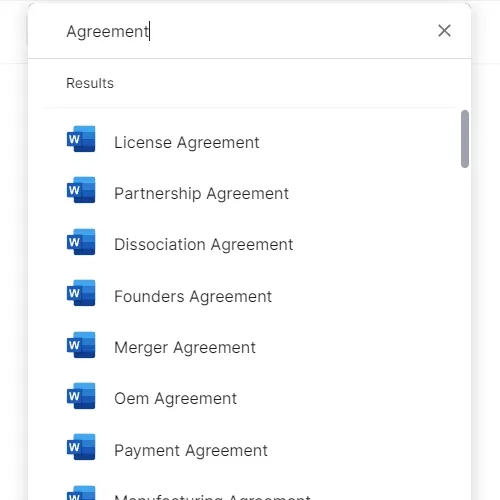
Download or open template

Access over 3,000+ business and legal templates for any business task, project or initiative.

2
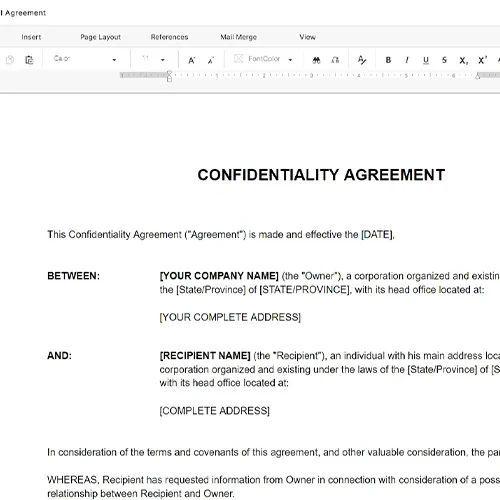
Edit and fill in the blanks with AI

Customize your ready-made business document template and save it in the cloud.

3
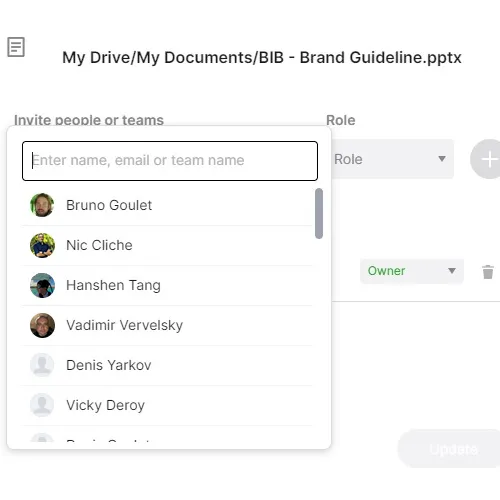
Save, Share, Send, Sign

Share your files and folders with your team. Create a space of seamless collaboration.

Save time, save money, and create top-quality documents.

★★★★★

"Fantastic value! I'm not sure how I'd do without it. It's worth its weight in gold and paid back for itself many times."

Managing Director · Mall Farm
Robert Whalley
Managing Director, Mall Farm Proprietary Limited
★★★★★

"I have been using Business in a Box for years. It has been the most useful source of templates I have encountered. I recommend it to anyone."

Business Owner · 4+ years
Dr Michael John Freestone
Business Owner
★★★★★

"It has been a life saver so many times I have lost count. Business in a Box has saved me so much time and as you know, time is money."

Owner · Upstate Web
David G. Moore Jr.
Owner, Upstate Web

Run your business with a system — not scattered tools

Stop downloading documents. Start operating with clarity. Business in a Box gives you the Business Operating System used by over 250,000 companies worldwide to structure, run, and grow their business.

Free Forever Plan · No credit card required