Legal Agreement Templates

4.7from 280+ reviews Trusted by 20M+ businesses

Draft NDAs, partnership agreements, service contracts, and more — without starting from a blank page.

WordEditable onlinePDF1212+ legal agreement templates

Browse 16 categories

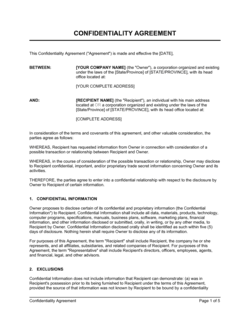
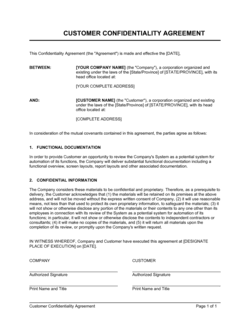
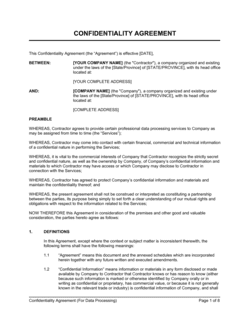
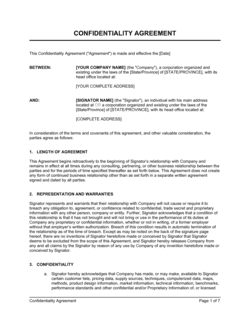
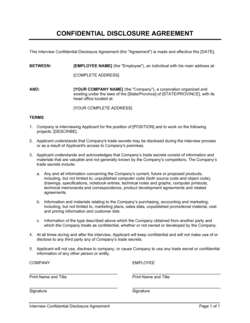
Confidentiality Agreement Template
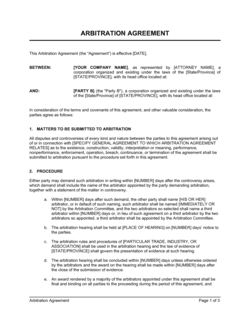
Arbitration Agreement Template
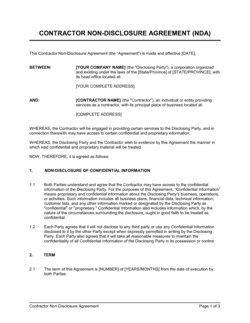
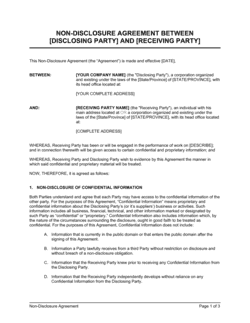
Non-Disclosure Agreement (NDA) Template
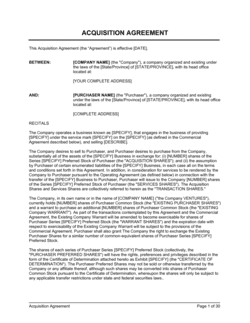
Acquisition Agreement Template
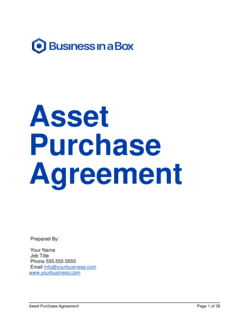
Asset Purchase Agreement Template
Independent Contractor Agreement Template
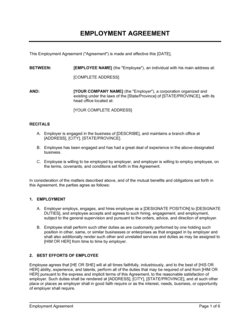
Employment Contract Template
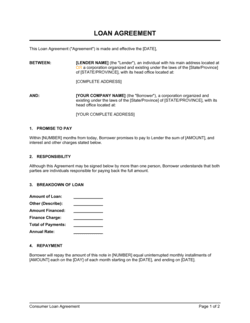
Loan Agreement Template
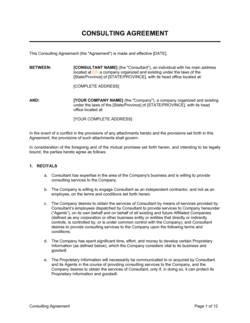
Consulting Agreement Template (Long Form)
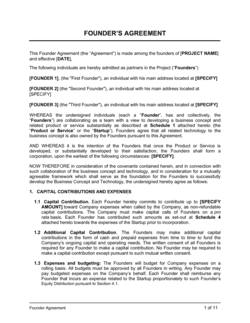
Founders Agreement Template
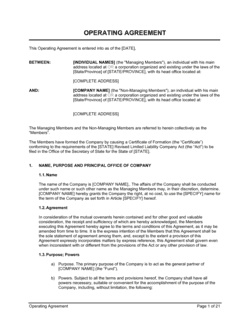
Operating Agreement Template
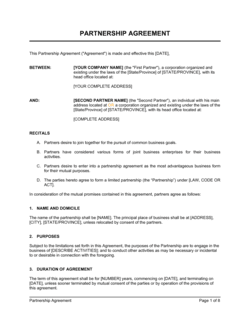
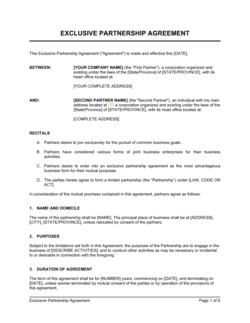
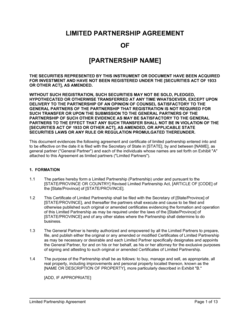
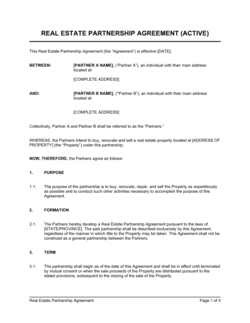
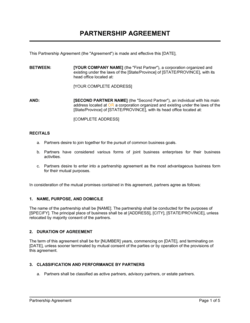
Partnership Agreement Template
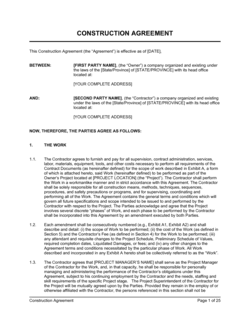
Construction Agreement Template
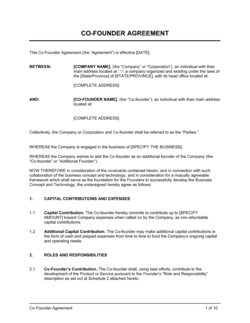
Co-Founder Agreement Template
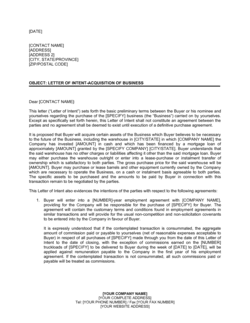
Letter of Intent — Acquisition of Business Template
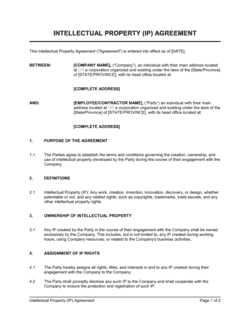
Intellectual Property Agreement Template
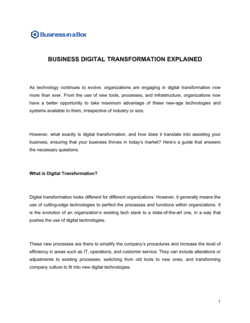
Business Digital Transformation Explained Template
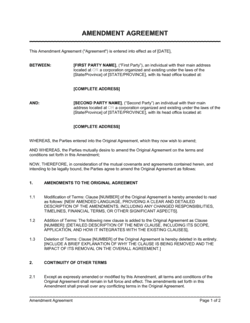
Amendment Agreement Template
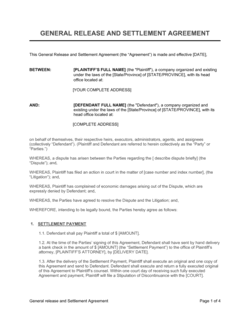
General Release and Settlement Agreement Template
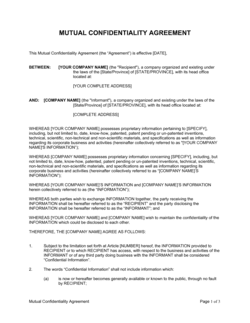
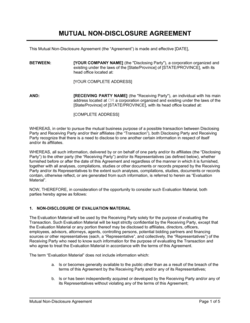
Mutual Non-Disclosure Agreement
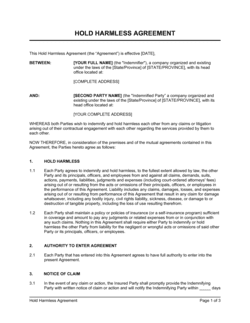
Hold Harmless Agreement Template
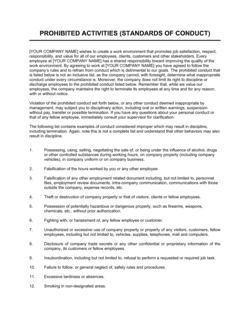
Prohibited Activities Template
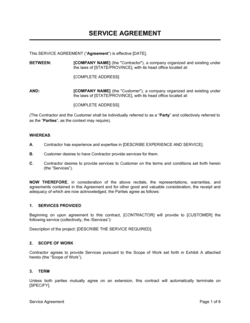
Service Agreement Template
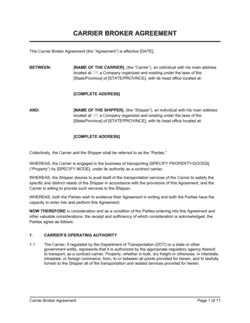
Broker Carrier Agreement Template
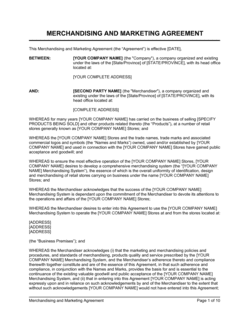
Merchandising and Marketing Agreement Template
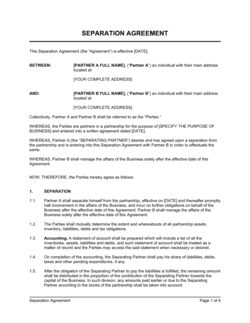
Separation Agreement Template
License Agreement Template
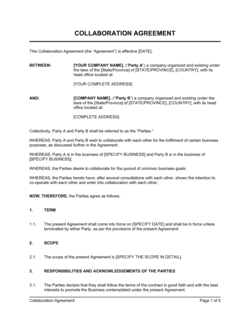
Collaboration Agreement Template
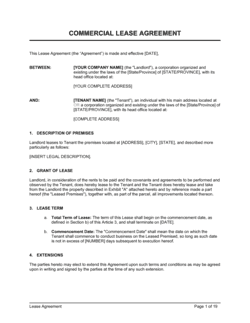
Lease Agreement Template
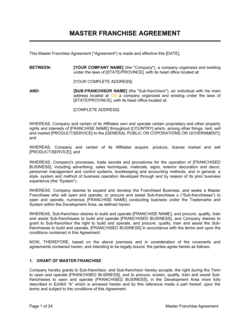
Master Franchise Agreement Template
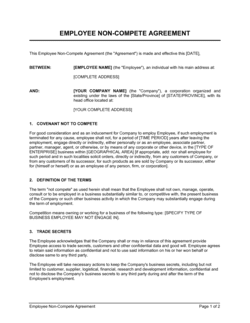
Employee Non Compete Agreement Template
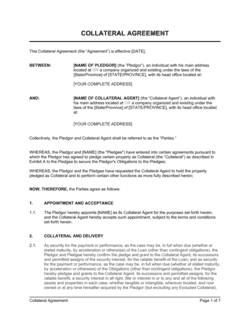
Collateral Agreement Template
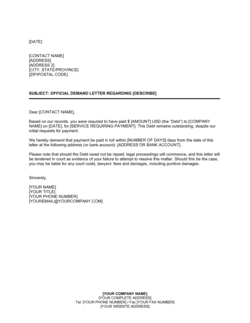
Demand Letter Template
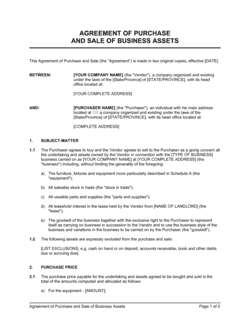
Business Assets Purchase Agreement Template
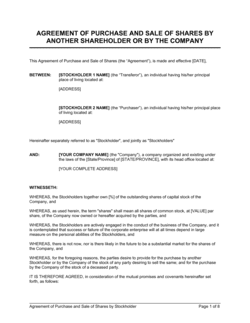
Share Purchase Agreement Template
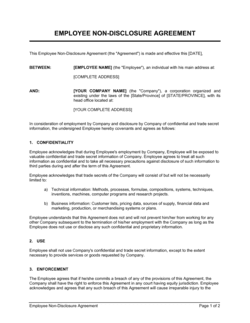
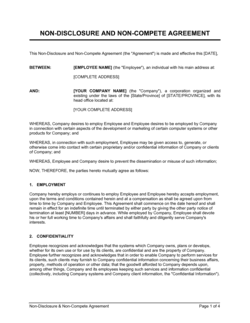
Employee Non-Disclosure Agreement
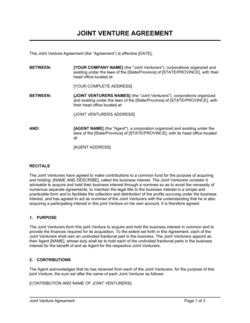
Joint Venture Agreement Template (Variant)
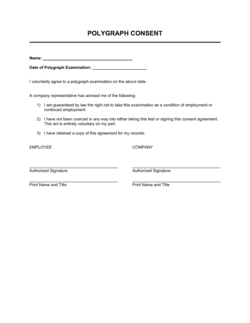
Polygraph Consent Template
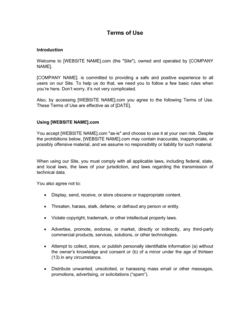
Terms of Use Template
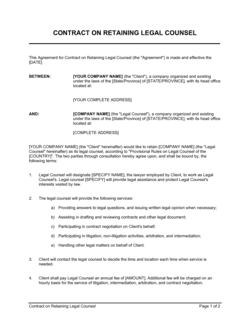
Contract on Retaining Legal Counsel Template
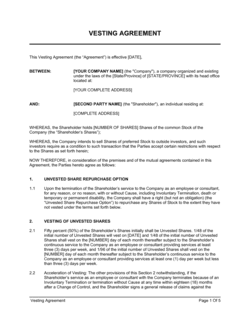
Vesting Agreement Template
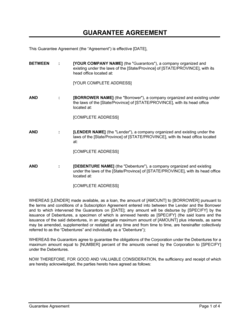
Guarantee Agreement Template
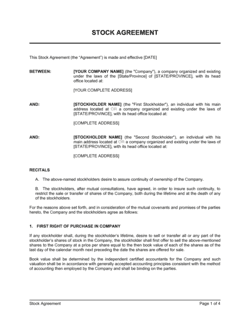
Stock Agreement Template
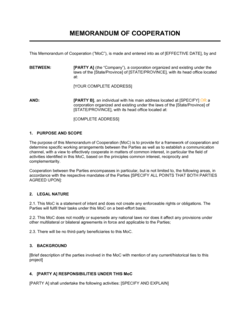
Memorandum of Cooperation Template
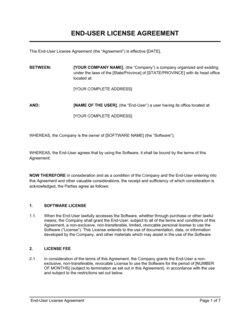
End User License Agreement (EULA) Template
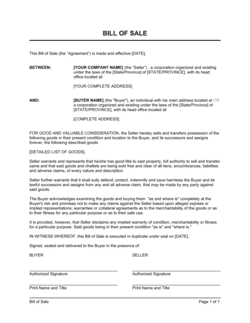
Bill of Sale Template
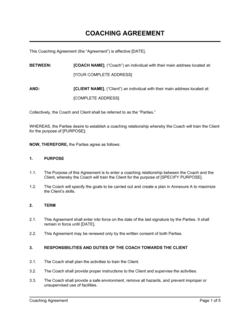
Coaching Agreement Template
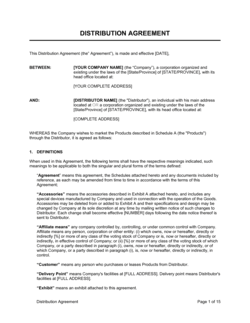
Distribution Agreement
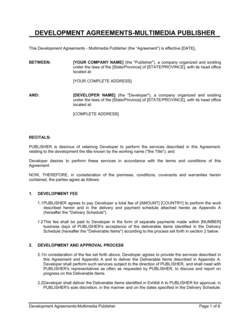
Multimedia Publisher Development Agreement Template
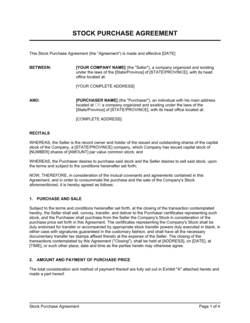
Stock Purchase Agreement Template
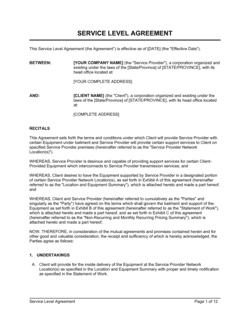
Service Level Agreement Template
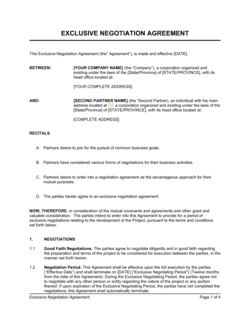
Exclusive Negotiation Agreement Template
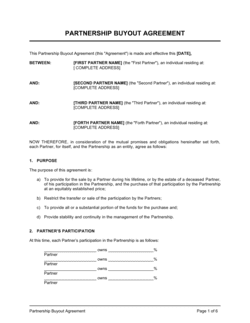
Partnership Buyout Agreement Template
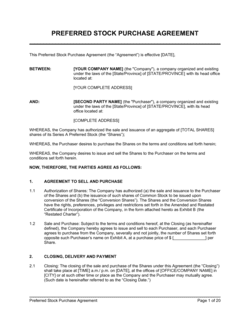
Preferred Stock Purchase Agreement Template
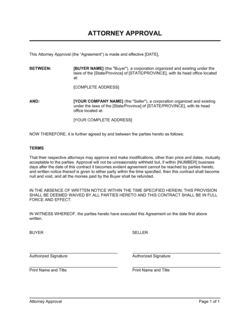
Attorney Approval Template
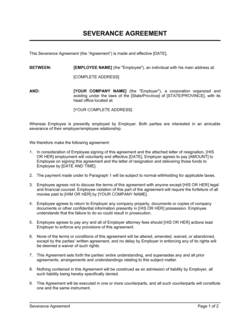
Severance Agreement Template
Exclusive Software Distribution Agreement Template
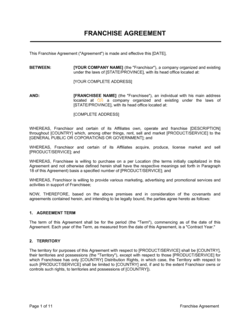
Franchise Agreement Template
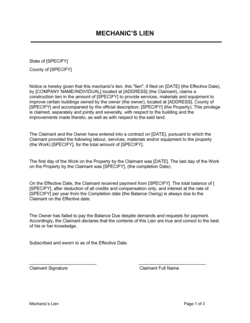
Mechanic Lien Template
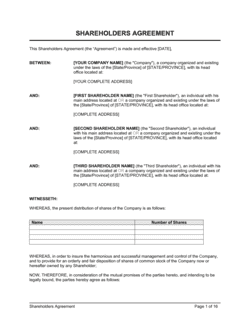
Shareholders Agreement Template

Showing 60 of 1,212 templates

Looking for something else?

Search all 1,212 templates in this category by name or keyword.

Or browse by category

Business-in-a-Box has all 1,212 in this category, plus the rest of the library, ready to edit. See what's inside

250K+Clients
20M+Free users
20+Years
190+Countries
10,000+Law firms
50M+Downloads

Trusted across review platforms

  • Capterra★★★★☆4.649 reviews
  • G2★★★★☆4.713 reviews
  • GetApp★★★★☆4.649 reviews
  • Google Play★★★★☆4.6179 ratings
  • Google Reviews★★★★☆4.567 reviews

Frequently asked questions

What is the difference between a contract and an agreement?
In everyday use, the terms are interchangeable. Technically, all contracts are agreements, but not all agreements are contracts: a contract requires offer, acceptance, and consideration to be legally binding. A memorandum of understanding, for example, is an agreement that may not rise to the level of an enforceable contract depending on how it is drafted and the jurisdiction.
What is a 'governing law' clause and why does it matter?
A governing law clause names the jurisdiction whose laws apply if there is a dispute. Without it, courts may need to determine the applicable law themselves — a process that is slow and unpredictable. For domestic agreements, choose the state or province where your business is headquartered. For cross-border agreements, choose a neutral jurisdiction both parties accept, such as New York, England, or Singapore.

Legal Agreement vs. related documents

NDA vs. Confidentiality Agreement

The two terms refer to the same legal instrument and are interchangeable in most business contexts. "NDA" is more common in US tech and startup environments; "Confidentiality Agreement" is more common in legal, medical, and international settings. Choose the label your counterpart expects — the substance is identical.

Partnership Agreement vs. Shareholders Agreement

A partnership agreement governs unincorporated businesses co-owned by two or more partners, covering profit-sharing, decision-making, and dissolution. A shareholders agreement governs incorporated companies, covering share ownership, voting rights, and director appointments. Use a shareholders agreement once your business is incorporated; use a partnership agreement before or instead of incorporation.

Service Agreement vs. Management Agreement

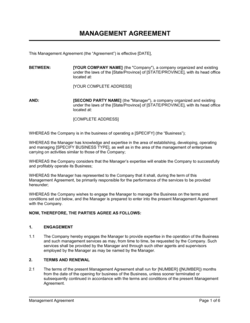
A service agreement covers the delivery of a defined scope of work by an external provider, usually project-based or time-limited. A management agreement grants an ongoing mandate to run operations, a property, or a business unit on behalf of an owner. Management agreements typically carry broader authority, longer terms, and more detailed performance and reporting obligations.

MOU vs. Partnership Agreement

A memorandum of understanding (MOU) records intent and shared goals before a formal deal is struck — it is generally not legally binding on its own. A partnership agreement is a binding contract that creates enforceable rights and obligations between the parties. Sign an MOU to explore a relationship; sign a partnership agreement to formalize it.

Key clauses every Legal Agreement contains

Regardless of type, most business legal agreements share a core set of clauses that define the relationship and protect both parties.

  • Parties and recitals. Identifies each party by full legal name and describes the purpose of the agreement.
  • Scope of work or obligations. Defines exactly what each party is required to do, deliver, or refrain from doing.
  • Term and termination. States when the agreement starts, how long it lasts, and the conditions under which either party can end it.
  • Compensation and payment terms. Specifies fees, invoicing schedules, late-payment penalties, and any expense reimbursement.
  • Confidentiality. Restricts disclosure of sensitive information shared during the relationship, often surviving termination.
  • Intellectual property ownership. Clarifies who owns work product, inventions, or data created or shared under the agreement.
  • Dispute resolution and governing law. Sets the jurisdiction whose laws apply and the process — negotiation, mediation, arbitration, or litigation — for resolving disagreements.
  • Limitation of liability. Caps the financial exposure of each party for indirect or consequential losses.

How to write a business legal agreement

Every enforceable business agreement is built from the same foundation — follow these steps to draft one that holds up.

  1. 1

    Identify all parties correctly

    Use each party's full registered legal name — not a trading name, brand, or nickname — and include their business address.

  2. 2

    State the purpose clearly

    Describe why the agreement exists in one or two sentences in the recitals section — this context helps courts interpret ambiguous clauses.

  3. 3

    Define the scope of obligations

    List what each party must do, what they must not do, and what deliverables or milestones apply.

  4. 4

    Set the term and termination conditions

    Specify a start date, an end date or renewal mechanism, and the notice period required to terminate early.

  5. 5

    Agree on compensation and payment

    State the fee or payment structure, the invoicing schedule, and what happens if payment is late.

  6. 6

    Include confidentiality and IP clauses

    Protect any sensitive information exchanged and clarify who owns any work product created under the agreement.

  7. 7

    Add dispute resolution and governing law

    Name the jurisdiction and the process for resolving disputes — mediation before arbitration is a common and cost-effective structure.

  8. 8

    Have both parties sign and store the executed copy

    Obtain signatures from authorized representatives, then store the signed document somewhere both parties can access it quickly.

At a glance

What it is
A legal agreement is a written contract between two or more parties that defines rights, responsibilities, and remedies enforceable under law. Business legal agreements cover everything from confidentiality and partnership to service delivery and management arrangements.
When you need one
Any time two parties exchange value, share sensitive information, or enter a structured relationship, a written legal agreement reduces risk and prevents disputes.

Which Legal Agreement do I need?

The right legal agreement depends on what you're protecting and who you're dealing with. Match your situation to the template that fits.

Your situation
Recommended template

Two companies sharing confidential information with each other

Protects both parties when information flows in both directions.

Starting a business with one or more co-founders or investors

Sets out profit-sharing, decision-making, and exit terms from day one.

Engaging a contractor who will access sensitive business data

Binds contractors to confidentiality without a full employment contract.

Outsourcing operations or management to a third-party firm

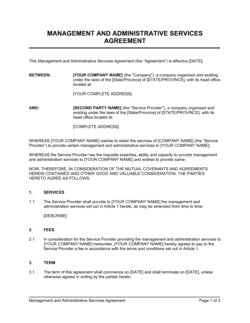
Defines scope, fees, and accountability for outsourced management work.

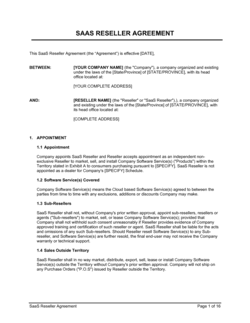
Authorizing another business to resell your product or service

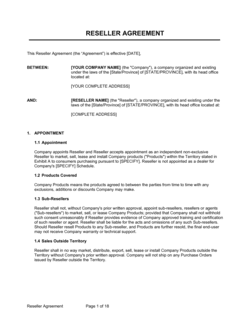
Governs territory, pricing, and brand usage for reseller relationships.

Two organizations formalizing a strategic collaboration

Documents shared goals and obligations without a full merger structure.

A shareholder group defining ownership rights and governance

Covers voting rights, transfer restrictions, and dividend policy.

Hiring legal counsel for a defined scope of work

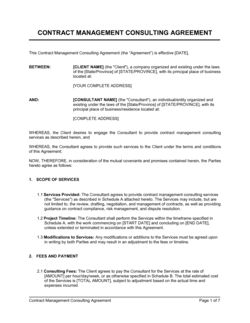
Sets out fees, deliverables, and professional obligations for legal engagements.

Glossary

Consideration
Something of value exchanged by each party — money, services, or a promise — that makes a contract legally binding.
Indemnification
A contractual obligation by one party to compensate the other for specified losses, damages, or liabilities.
Limitation of liability
A clause that caps the total financial exposure of a party for claims arising under the agreement.
Liquidated damages
A pre-agreed sum specified in the contract as compensation for a specific breach, avoiding the need to prove actual loss.
Recitals
The introductory 'whereas' clauses that describe the background and purpose of the agreement without creating obligations.
Boilerplate
Standard clauses found in most contracts — governing law, severability, entire agreement, force majeure — that define how the contract operates.
Severability
A clause stating that if one provision is found unenforceable, the rest of the agreement remains in effect.
Force majeure
A clause excusing a party from performance when extraordinary events outside their control — natural disasters, pandemics, war — make it impossible.
Entire agreement clause
A clause confirming that the written contract supersedes all prior negotiations, representations, and agreements between the parties.
Material breach
A serious failure to perform a core obligation that gives the other party the right to terminate the agreement and seek damages.
Non-solicitation
A contractual restriction preventing a party from recruiting the other party's employees or poaching their customers.

What is a legal agreement?

A legal agreement is a written contract between two or more parties that creates enforceable rights and obligations under law. Unlike a verbal understanding or a handshake deal, a written legal agreement establishes a documented record of what each party has promised to do, what they will receive in return, and what happens if something goes wrong. Businesses use legal agreements to govern virtually every significant relationship they enter: with partners, employees, contractors, customers, service providers, and investors.
Business legal agreements span a wide range — from a one-page confidentiality agreement signed before a sales meeting to a multi-party shareholders agreement that defines company governance for years. What they share is structure: clear identification of the parties, a defined scope of obligations, consideration that makes the deal binding, and mechanisms to resolve disputes without going straight to court.
When you need a legal agreement

Any time your business enters a relationship that involves exchanging value, sharing sensitive information, or dividing up rights and responsibilities, a written legal agreement is the right tool. Relying on informal understandings creates costly ambiguity the moment something goes wrong.

Common triggers:

  • Two founders are splitting equity and setting governance rules for a new business
  • A company is sharing proprietary data, trade secrets, or unreleased products with an outside party
  • A service provider is being engaged to deliver work under a defined scope and budget
  • A business is authorizing a reseller or distributor to sell its products in a new market
  • Partners are entering a joint venture, strategic alliance, or exclusive collaboration
  • A company is bringing on a contractor or consultant with access to confidential systems
  • An organization is outsourcing day-to-day operations or management to a third-party firm
  • Shareholders need to document voting rights, transfer restrictions, and dividend policy

Skipping a written agreement doesn't eliminate the relationship — it just removes the rulebook both sides agreed to follow. When disputes arise, the absence of documentation shifts every question to a he-said-she-said argument that is expensive to litigate and unpredictable to resolve. A well-drafted legal agreement from the start is almost always faster and cheaper than the alternative.

Award-winning platform

  • Great Place to Work 2025
  • BIG Award — Product of the Year 2025
  • Smartest Companies 2025
  • Global 100 Excellence 2026
  • Best of the Best 2025

Create your document in 3 simple steps.

From template to signed document — all inside one Business Operating System.

1
Download or open template

Access over 3,000+ business and legal templates for any business task, project or initiative.

2
Edit and fill in the blanks with AI

Customize your ready-made business document template and save it in the cloud.

3
Share with your team

Share your files and folders with your team. Create a space of seamless collaboration.

Save time, save money, and create top-quality documents.

★★★★★

"Fantastic value! I'm not sure how I'd do without it. It's worth its weight in gold and paid back for itself many times."

Managing Director · Mall Farm
Robert Whalley
Managing Director, Mall Farm Proprietary Limited
★★★★★

"I have been using Business in a Box for years. It has been the most useful source of templates I have encountered. I recommend it to anyone."

Business Owner · 4+ years
Dr Michael John Freestone
Business Owner
★★★★★

"It has been a life saver so many times I have lost count. Business in a Box has saved me so much time and as you know, time is money."

Owner · Upstate Web
David G. Moore Jr.
Owner, Upstate Web

Run your business with a system — not scattered tools

Stop downloading documents. Start operating with clarity. Business in a Box gives you the Business Operating System used by over 250,000 companies worldwide to structure, run, and grow their business.

Start free · No credit card required