1
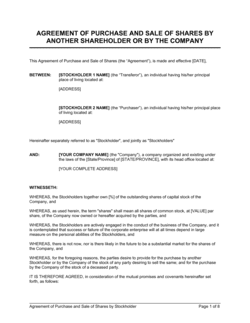
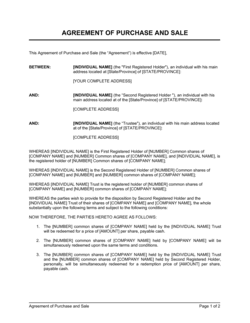
Identify all parties and the shares being transferred
Enter the full legal name and registered address of each buyer and seller. Specify the number, class, and certificate numbers of shares being transferred. Confirm that the seller is the registered holder of record.
💡 Pull the share certificate and capitalization table before drafting — discrepancies between the certificate and the company's share register will surface at closing and delay the transaction.
2
Define the purchase price and payment structure
State the total consideration, the amount payable at closing in immediately available funds, any escrow holdback amount and release schedule, and earn-out mechanics if applicable.
💡 Attach the earn-out calculation methodology as a separate schedule — vague milestone definitions are the leading cause of post-closing earn-out disputes.
3
Draft and negotiate seller representations and warranties
Work through each seller rep category: organization and authority, capitalization, financial statements, absence of undisclosed liabilities, material contracts, IP, litigation, and taxes. Apply knowledge qualifiers only where the seller genuinely cannot verify the underlying facts.
💡 Prepare a disclosure schedule alongside the representations — exceptions disclosed in the schedule survive closing and protect the seller from indemnification claims on known issues.
4
Complete the buyer representations
Confirm buyer authority, absence of conflicts with existing agreements, and sufficiency of financing. For corporate buyers, attach evidence of board authorization.
💡 If financing is contingent on a bank commitment, include a financing-out clause with a specific outside date and a reverse break-up fee payable to the seller if the buyer fails to close.
5
List all closing conditions and required deliverables
Create a closing checklist within the agreement: board resolutions, resignations, third-party consents, updated share register, and share certificates. Each condition should state which party is responsible and when it must be satisfied.
💡 Set an outside closing date (typically 30–90 days from signing) after which either party may terminate if conditions are not met — this prevents indefinite limbo.
6
Set indemnification thresholds and survival periods
Negotiate the basket, cap, and survival period for each category of claims. General reps typically survive 12–24 months; fundamental reps (title, authorization, capitalization) and tax reps survive longer — often the applicable statute of limitations.
💡 Carve fraud and intentional misrepresentation out of any indemnification cap — courts expect this and its absence creates interpretive risk for the entire cap.
7
Draft non-compete and non-solicit covenants
Define the restricted period (typically 2–5 years for M&A), geographic scope, and specific activities prohibited. Limit scope to the business actually being acquired, not the seller's entire career.
💡 In jurisdictions that require consideration for post-closing covenants to be enforceable, confirm the purchase price is explicitly stated as partial consideration for the restrictive covenants.
8
Execute and close
Both parties sign the agreement, the seller delivers signed share transfer forms and original certificates, the buyer delivers the closing payment, and the company updates its share register to reflect the new ownership.
💡 Use a closing escrow agent or law firm trust account for wire transfers in transactions above $500K — this eliminates counterparty risk on the payment and share delivery.