Exit Stage Templates
Selling the business, winding down, or returning capital — exit strategy, sale agreement, dissolution, last-will/estate.
Instant downloads • Fully editable • Export to Word, Excel or PDF
61 templates
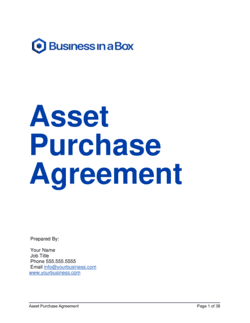
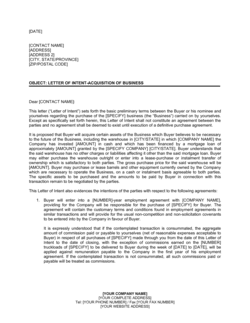
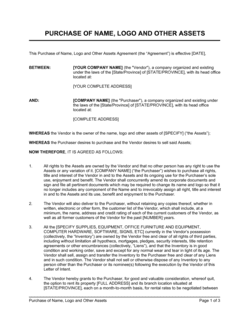
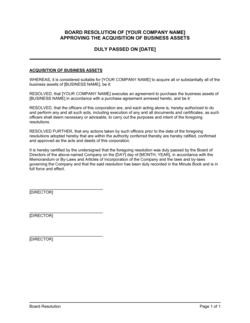
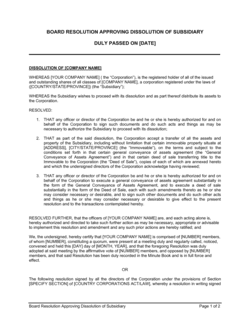
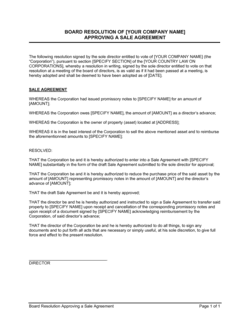
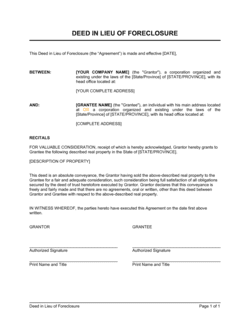
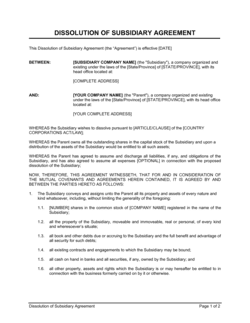
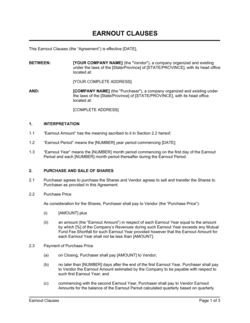
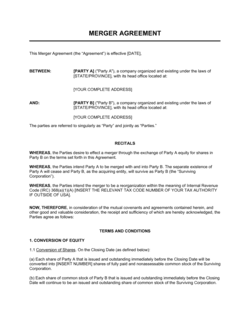
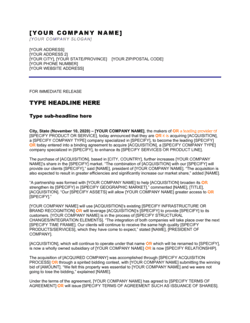
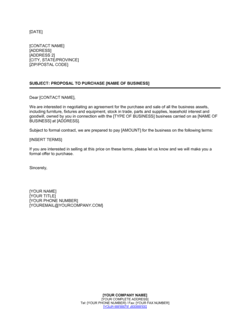
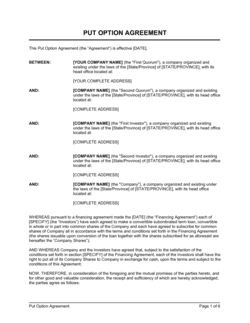
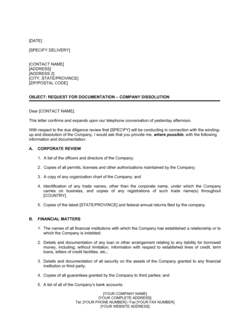
Includes Acquisition Agreement, Asset Purchase Agreement, Letter of Intent — Acquisition of Business and 58 more.
At a glance
What it is
Exit-stage templates are the documents an owner or HR team reaches for when a business is preparing to sell, dissolve, or hand over operations. They cover the people-side of departures — capturing employee knowledge before it walks out the door — as well as the procedural steps that protect the organization during a transition.
When you need one
You need these templates when key employees are leaving as part of a restructuring, acquisition, or wind-down, and you want structured records of their feedback and institutional knowledge. They are equally useful during a voluntary departure wave that often accompanies a change-of-ownership announcement.
Popular Exit Stage Templates
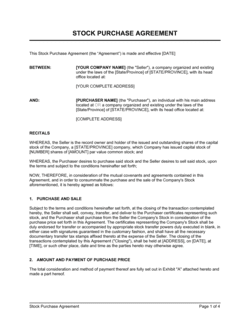
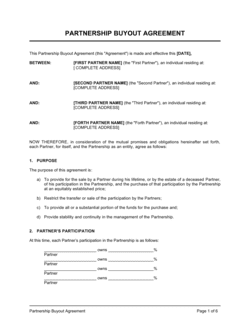
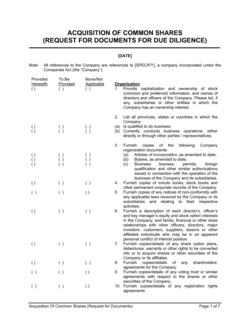
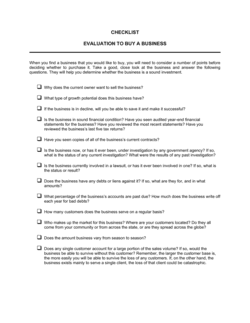
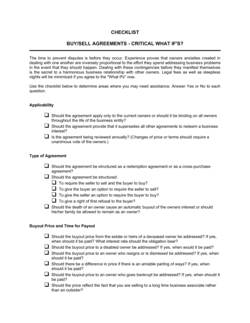
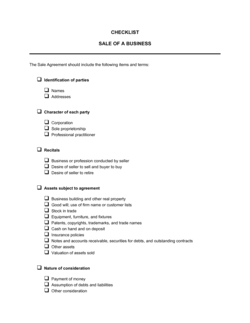
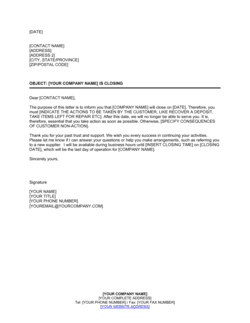
 XLS
Showing 60 of 61 templates
Looking for something else?
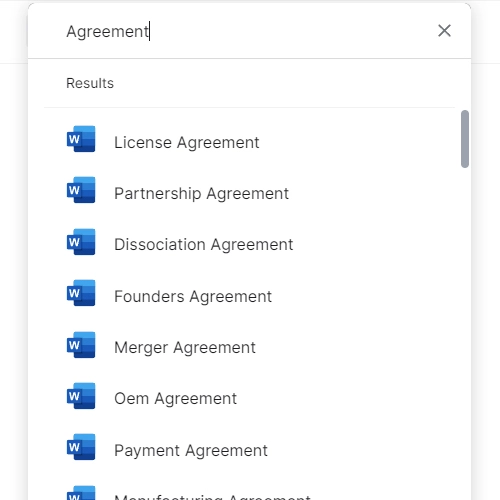
Search all 61 templates in this category by name or keyword.
Business-in-a-Box has all 61 in this category, plus the rest of the library, ready to edit. See what's inside
Which template fits your situation?
The two templates currently in this filter serve different depths of exit conversation. Choose based on whether you need a brief structured form or a fuller diagnostic questionnaire.
How to use these templates as an exit-stage business
Running a structured exit process with the right documents reduces knowledge loss, limits legal exposure, and leaves a cleaner record for whoever takes over.
Identify every employee departure tied to the transition
List all roles that will be vacated as part of the sale, restructuring, or wind-down so no offboarding interview is missed.
Choose the right template depth for each departing employee
Use the Exit Interview Form for brief, consistent records across all staff, and the Exit Interview Questionnaire for key-knowledge holders or managers.
Schedule the interview before the final day
Send the template to the employee at least three business days before their last day so they can prepare thoughtful answers.
Conduct the interview and complete the form together or independently
Decide whether HR will walk through the questions verbally or ask the employee to self-complete — both approaches are supported by these templates.
Review responses for operational risks
Flag any process gaps, unresolved issues, or missing documentation that the departing employee has identified.
Archive signed forms in the employee record
Store completed exit documents alongside the employment file in case they are requested during due diligence or a legal review.
Share relevant findings with the incoming owner or successor team
Summarize themes from exit interviews to help acquirers or new leadership understand the organizational climate they are inheriting.
Glossary
- exit stage
- The phase of a business lifecycle in which the owner or board is actively preparing to sell the company, wind it down, or return capital to shareholders.
- exit interview
- A structured conversation or written questionnaire completed by a departing employee, capturing their reasons for leaving and feedback on the organization.
- wind-down
- The controlled process of ceasing business operations, settling liabilities, and distributing any remaining assets before formal dissolution.
- dissolution
- The legal termination of a business entity, typically requiring filings with the relevant government authority and settlement of all outstanding obligations.
- due diligence
- The investigative process a buyer conducts before completing a business acquisition, including review of financial, legal, and people-related records.
- knowledge transfer
- The deliberate process of documenting and communicating what a departing employee knows so that their successor or the broader team can continue without interruption.
- offboarding
- The set of administrative and operational steps taken when an employee leaves an organization, from final payroll to revoking system access.
- succession
- The planned transfer of ownership, leadership, or operational responsibility from one person or entity to another.
- institutional knowledge
- Information, processes, and relationships that exist in the minds of long-tenured employees rather than in documented form — easily lost during a transition if not captured.
Exit Stage Templates by department
Browse other stages
Frequently asked questions
What exit stage templates are available?
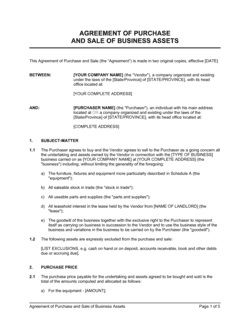
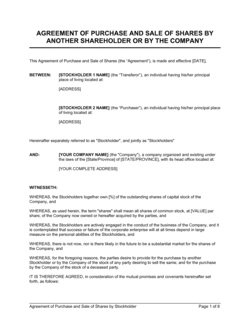
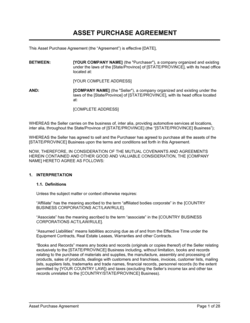
61 exit stage templates, including Acquisition Agreement, Asset Purchase Agreement, Letter of Intent — Acquisition of Business, Business Assets Purchase Agreement, Share Purchase Agreement.
What templates does a business need when preparing for a sale or wind-down?
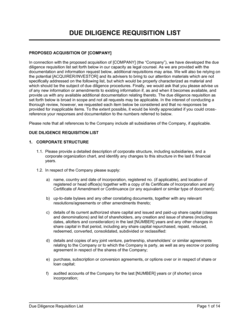
At minimum, an exit-stage business needs structured exit interview documents to capture departing employee knowledge and feedback. Beyond the two templates in this filter, operators typically also need a business sale agreement, asset transfer documents, and dissolution paperwork — those may be found under relevant document-type filters. Starting with exit interview forms ensures the people-side of the transition is documented before institutional knowledge leaves with departing staff.
When should exit interviews be conducted during a business closure?
Exit interviews should be scheduled before each employee's final working day — ideally three to five business days in advance. During a wind-down or acquisition, this timing matters more than usual because the information captured may feed directly into due-diligence packages or handover documentation. Waiting until the last day often results in incomplete or rushed responses.
Is an exit interview form legally required?
In most jurisdictions, exit interviews are not legally required. However, maintaining signed records of them can be valuable if a former employee later raises a wrongful-dismissal or hostile-workplace claim. Consider consulting an employment lawyer in your jurisdiction for advice specific to your situation.
What is the difference between the Exit Interview Form and the Exit Interview Questionnaire?
The Exit Interview Form (D510) is a shorter, structured document designed for consistent use across all departing employees — it captures the essential data points quickly. The Exit Interview Questionnaire (D13686) is a longer diagnostic tool with more open-ended prompts, suited to employees in senior or specialist roles whose institutional knowledge is particularly valuable to preserve before they leave.
Can these templates be used during an acquisition rather than a full closure?
Yes. Both templates are equally useful when a business is being acquired and staff restructuring follows. Acquirers frequently request exit interview records as part of people-due-diligence, making completed, signed forms a tangible asset during the sale process.
How do exit-stage templates differ from general HR templates?
General HR templates cover the full employment lifecycle — offer letters, performance reviews, disciplinary notices. Exit-stage templates are specifically designed for the offboarding moment: they assume the employment relationship is ending and focus on knowledge capture, candid feedback, and clean record-keeping rather than ongoing management.
Should exit interview responses be shared with the departing employee's manager?
This depends on the organization's policy and the sensitivity of the feedback. In an acquisition context, responses are often reviewed by HR and then summarized anonymously for the incoming ownership team. Direct managers may receive a summary but not verbatim responses, to encourage candor during the interview.
One document. A more organized business.
Your documents are part of how your business operates. Business in a Box brings the work, people and information around them into one workspace.
Start with the template you need. Bring the rest of your business together when you're ready.
How our templates are made
Every template is written by the Business in a Box editorial team and published by Bruno Goulet, CEO & Editor-in-Chief. Business in a Box has published business and legal templates for more than 20 years. Each document page explains what the template covers and how to fill it in; for legal documents, have a qualified professional review the final version when the stakes warrant it.