Growth Stage Templates
Scaling customers, revenue, and team — sales playbooks, marketing campaigns, lead generation, hiring at scale, performance management, Series A/B+.
Instant downloads • Fully editable • Export to Word, Excel or PDF
274 templates
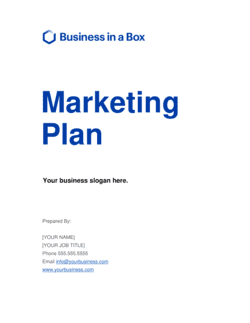
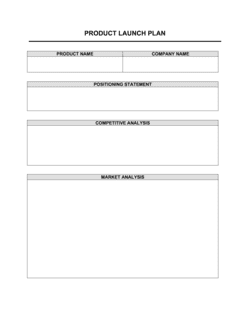
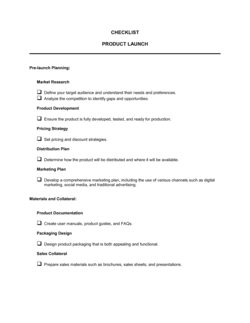
Includes Marketing Plan, Advertising Plan, Product Launch Plan and 271 more.
At a glance
What it is
Growth stage templates are the planning, strategy, and execution documents a business reaches for once initial product-market fit is established and the priority shifts to scaling customers, revenue, and headcount. This filter surfaces guides, plans, surveys, and strategy frameworks specifically built for operators moving from early traction to multi-million-dollar revenue.
When you need one
You need these templates when you are expanding into new channels, building out a sales and marketing function, or preparing for a Series A/B raise that requires documented growth strategy. They are equally useful when onboarding a new leadership team that needs a shared playbook for hitting aggressive targets.
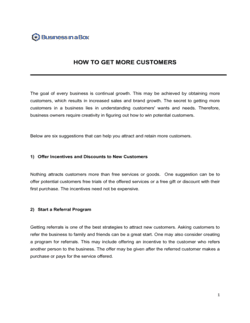
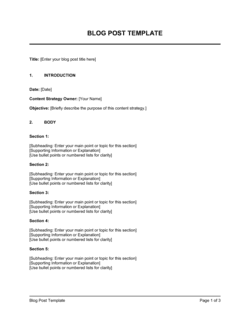
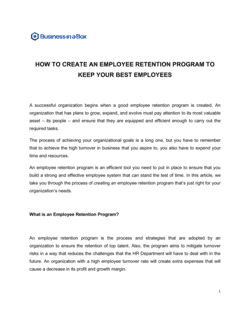
Popular Growth Stage Templates



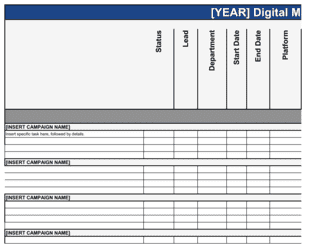 XLS
 XLS
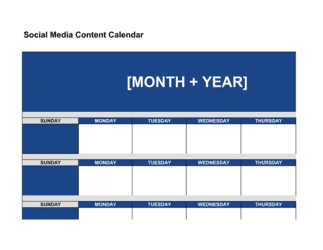 XLS
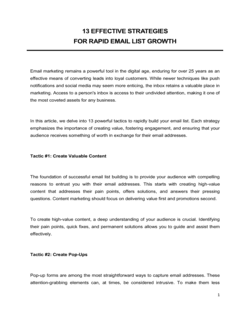
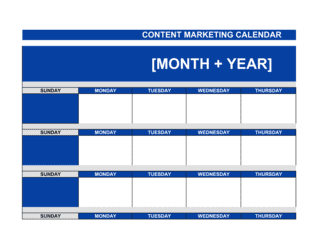 XLS
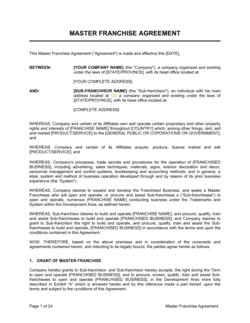
 XLS
 XLS
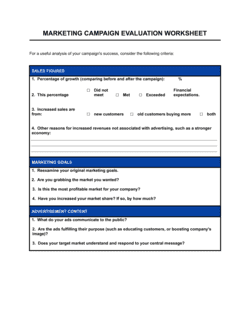

Showing 60 of 274 templates
Looking for something else?
Search all 274 templates in this category by name or keyword.
Business-in-a-Box has all 274 in this category, plus the rest of the library, ready to edit. See what's inside
Which template fits your situation?
The right starting point depends on whether you are planning, executing, or measuring. Use the scenarios below to match your current priority to a single template and expand from there.
How to use these templates as a growth stage business
Getting value from growth stage templates means using them in sequence — first to align leadership on the plan, then to execute across marketing and sales, and finally to measure and adjust.
Audit your current position
Before opening any template, document your current revenue run rate, customer count, and primary acquisition channels so every template you fill in reflects real numbers.
Set a single growth objective
Use the Business Growth Plan to commit to one primary metric — revenue, customers, or market share — that will govern all other decisions for the planning period.
Select your growth strategy
Work through Business Strategy For Growth or Possible Business Growth Strategies to choose the two or three strategic levers — new channels, pricing changes, geographic expansion — that will move that metric.
Build your marketing execution plan
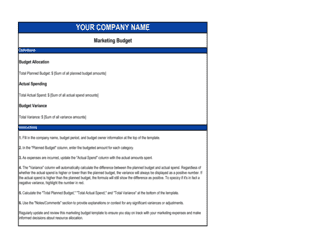
Complete the Marketing Strategy For Growth template to assign owners, budgets, and timelines to each channel or campaign tied to the growth objective.
Deploy digital and social tactics
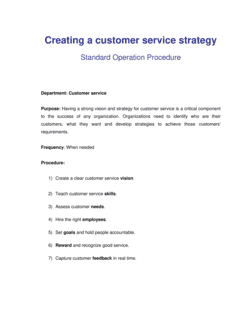
Use the channel-specific guides — social media, email list growth, video marketing, Google — to give each channel team an actionable playbook.
Instrument measurement
Set up the KPI framework from your growth plan and schedule regular reviews using the survey templates to capture customer feedback alongside hard metrics.
Review and iterate quarterly
Return to the plan templates each quarter, update actuals against projections, and revise the strategy based on what the data shows.
Glossary
- growth stage
- The phase of a business lifecycle where validated product-market fit exists and the primary challenge is scaling revenue, customers, and team rapidly.
- customer acquisition cost (CAC)
- The total sales and marketing spend required to win one new customer, used to judge whether a growth channel is economically sustainable.
- lifetime value (LTV)
- The projected total revenue a business expects from a single customer relationship over its duration, typically compared to CAC to assess channel health.
- growth hacking
- An experiment-driven approach to finding low-cost, high-velocity tactics that accelerate user or customer acquisition without proportional increases in budget.
- revenue growth management
- The discipline of optimizing pricing, product mix, and trade terms to maximize revenue and margin as volume scales.
- go-to-market strategy
- A documented plan for how a business will reach its target customers, covering channels, positioning, and resource allocation for a specific growth push.
- growth mindset
- An organizational or individual orientation toward viewing challenges as learning opportunities rather than fixed constraints, associated with sustained performance improvement.
- email list growth
- The process of systematically increasing the number of opted-in subscribers to a business's email database as a direct and owned marketing channel.
- Series A / Series B
- Formal venture capital funding rounds that typically occur when a business has demonstrated growth and needs capital to scale — Series A for initial scale, Series B for accelerated expansion.
- KPI (key performance indicator)
- A specific, measurable metric — such as monthly recurring revenue or churn rate — used to track progress toward a defined growth objective.
- market penetration
- A growth strategy focused on increasing share of an existing market with the current product, rather than entering new markets or launching new products.
- channel mix
- The combination of acquisition or distribution channels a business uses simultaneously, balanced by cost, volume, and conversion performance.
Growth Stage Templates by department
Browse other stages
Frequently asked questions
What growth stage templates are available?
274 growth stage templates, including Marketing Plan, Advertising Plan, Product Launch Plan, Digital Marketing Plan, Social Media Plan.
What makes a template a 'growth stage' template rather than a general business template?
A growth stage template is built around the assumption that the business already has a working product and some customers, and the priority is now scale. General business templates often cover incorporation, validation, or basic operations. Growth stage templates instead focus on revenue expansion, channel strategy, team scaling, and investor-facing growth narratives — the documents an operator needs when the question shifts from "will this work?" to "how fast can we grow?"
Which growth stage template should I start with if I have never used one before?
Start with the Business Growth Plan. It forces you to set a concrete revenue or customer target, choose the strategies you will use to reach it, and assign resources — which makes every other template in the filter easier to complete because you have a shared plan to reference.
Can I use these templates to prepare for a Series A or Series B fundraise?
Yes. Investors at Series A and B expect to see a documented growth strategy, a clear marketing plan, and evidence of how the business will deploy new capital. The Business Growth Plan, Business Strategy For Growth, and Revenue Growth Management Explained templates produce artifacts that directly feed an investor data room or pitch deck appendix.
How do growth hacking templates differ from a standard marketing strategy template?
A marketing strategy template establishes channels, budgets, and KPIs for a planned campaign cycle. A growth hacking guide documents rapid, low-cost experiments designed to find unexpected acquisition or retention levers quickly. Both are useful, but growth hacking guides are better suited to teams with limited budgets who need fast iteration, while marketing strategy templates suit teams with defined budgets and channels.
Are there templates in this filter for growing an online business specifically?
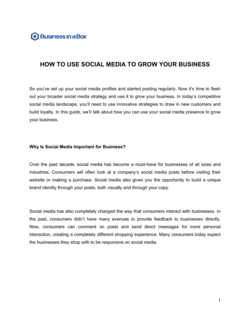
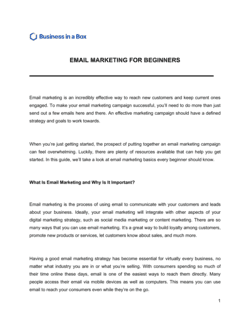
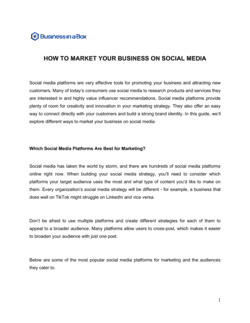
Yes. How To Grow A Business Online, How To Grow With Google, How To Use Social Media To Grow Your Business, and 10 Powerful Video Marketing Tips To Grow Your Business all address digital-first growth tactics. They can be used independently or as execution appendices to a broader growth plan.
What survey templates are available for growth stage businesses and when should I use them?
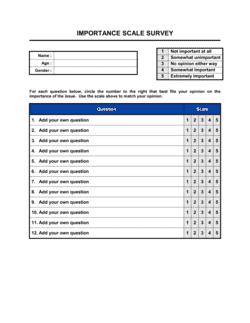
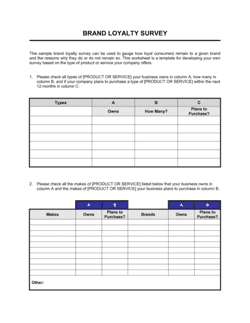
The Importance Scale Survey and Quality Scale Survey help growth stage businesses collect structured customer feedback. Use the Importance Scale Survey when you need to prioritize a product roadmap or marketing message, and the Quality Scale Survey when you want to measure whether your delivery is meeting customer expectations as you scale.
How often should a growth stage business revisit its growth plan templates?
Quarterly is the standard cadence for most growth stage businesses — enough time for tactics to show results but frequent enough to catch underperforming channels early. Fast-moving teams raising capital may revisit monthly to keep investor-facing documents current.
Do these templates work for both B2B and B2C growth businesses?
Yes. The planning and strategy templates are model-agnostic. B2B teams will find the business strategy and revenue management templates most directly applicable, while B2C teams will lean more heavily on the email list growth, social media, and digital marketing guides. Most templates include enough structural flexibility to adapt the language and metrics to either model.
One document. A more organized business.
Your documents are part of how your business operates. Business in a Box brings the work, people and information around them into one workspace.
Start with the template you need. Bring the rest of your business together when you're ready.
How our templates are made
Every template is written by the Business in a Box editorial team and published by Bruno Goulet, CEO & Editor-in-Chief. Business in a Box has published business and legal templates for more than 20 years. Each document page explains what the template covers and how to fill it in; for legal documents, have a qualified professional review the final version when the stakes warrant it.