Startup Stage Templates
Day-zero through early traction — incorporation, founding agreements, first hires, MVP validation, pre-seed/seed fundraising.
Instant downloads • Fully editable • Export to Word, Excel or PDF
227 templates
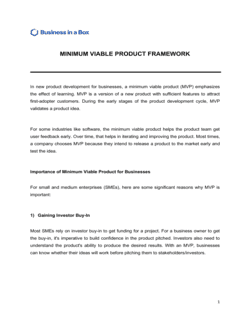
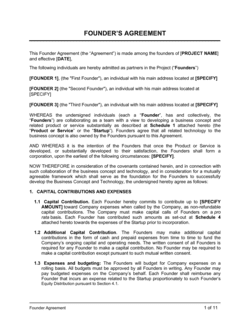
Includes Business Plan, Minimum Viable Product Framework, Founders Agreement and 224 more.
At a glance
What it is
Startup-stage templates are the documents founders reach for between the decision to launch and the point where the business has paying customers and a small team in place. They cover entity formation, planning, cost estimation, fundraising collateral, and early operational checklists — the paperwork layer that turns an idea into a functioning business.
When you need one
Founders need these templates the moment they move from idea to action: filing for an LLC, writing a business plan for a bank or accelerator, or calculating how much cash the first 90 days will burn. Any milestone between "I'm starting a business" and "we have repeatable revenue" is a trigger.
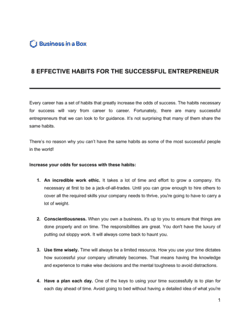
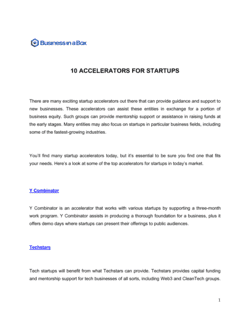
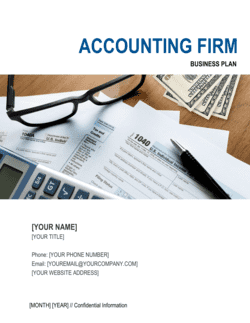
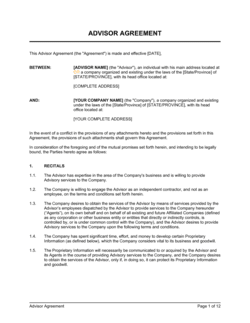
Popular Startup Stage Templates
 XLS
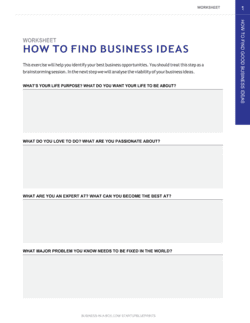
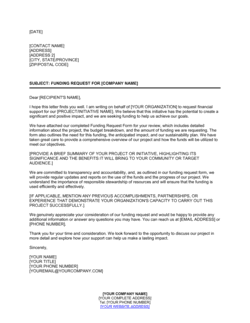
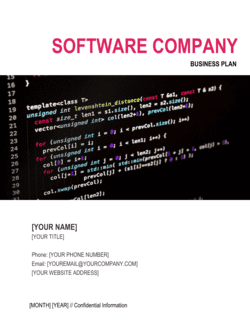
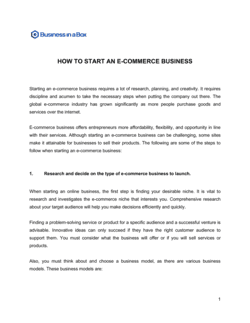




 XLS


Showing 60 of 227 templates
Looking for something else?
Search all 227 templates in this category by name or keyword.
Business-in-a-Box has all 227 in this category, plus the rest of the library, ready to edit. See what's inside
Which template fits your situation?
The right starting point depends on where you are in the launch sequence — legal formation, financial planning, fundraising, or operational readiness. Match the scenario below to the template that covers exactly that milestone.
How to use these templates as a startup
Working through these templates in sequence — from formation through planning to fundraising — ensures each document builds on the last and nothing critical falls through the cracks.
Confirm your entity type and jurisdiction
Before filling in any template, decide whether you will operate as an LLC, corporation, or sole proprietorship, because that choice affects every document that follows.
Run the startup checklist
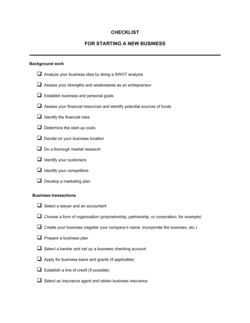
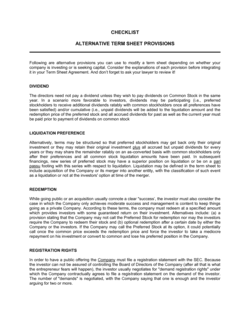
Use the Checklist Start-Up (D110) to map every formation, licensing, and setup task before committing time or money to any single item.
Estimate total launch costs
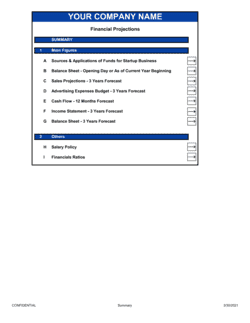
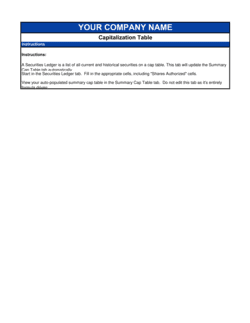
Complete the Worksheet_Start-Up Costs (D119) to arrive at a realistic capital figure before approaching any lender or investor.
Write the business plan
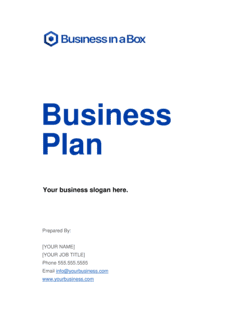
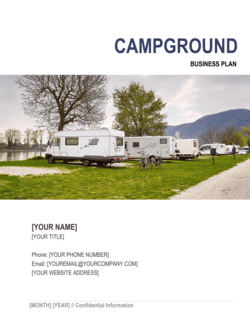
Use the Startup Business Plan (D13186) to document your market, model, team, and projections in a format lenders and accelerators accept.
Prepare investor-facing collateral
Distill the business plan into the Executive Summary - For Startups (D12530) for use in pitch decks, email outreach, and accelerator applications.
Address IP and software agreements early
If your product involves code or proprietary content, put a Source Code License Agreement (D808) in place before sharing anything with outside parties.
Set up follow-up processes for early customers
Once you have your first prospects or orders, use the collection and follow-up letter templates to keep cash flow moving from the start.
Glossary
- entity formation
- The legal process of registering a business as a distinct entity — LLC, corporation, or other structure — so it can enter contracts, own assets, and limit personal liability.
- startup cost worksheet
- A structured document that lists all one-time and recurring expenses needed to open and operate a business through its first trading period.
- executive summary
- A one-to-two-page overview of a business plan that covers the problem, solution, market size, team, and funding ask — typically the first thing an investor reads.
- pre-seed funding
- Capital raised before a formal seed round, usually from founders, friends, family, or angel investors, to prove a concept is worth developing further.
- MVP (minimum viable product)
- The simplest version of a product that can be released to real users to test whether the core value proposition is valid.
- LLC (limited liability company)
- A business structure that separates personal assets from business liabilities while offering flexible tax treatment — a common choice for early-stage ventures.
- accelerator
- A fixed-term program, often funded by equity, that provides startups with mentorship, resources, and investor access in exchange for a small ownership stake.
- founder equity
- The ownership percentage allocated to each founding team member, typically documented in a shareholder or operating agreement at formation.
- go-to-market strategy
- The plan that describes how a startup will acquire its first customers — including channel, messaging, pricing, and sales motion.
- use of funds
- A section of a business plan or pitch deck that explains exactly how investor or loan capital will be spent, broken down by category.
- break-even point
- The revenue level at which total income equals total costs, meaning the business is no longer losing money on a monthly basis.
Startup Stage Templates by department
Browse other stages
Frequently asked questions
What startup stage templates are available?
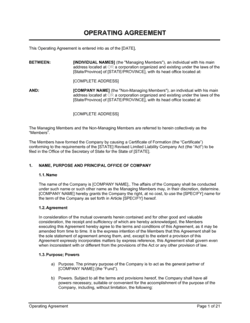
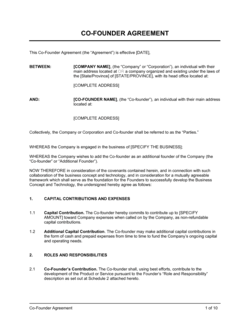
227 startup stage templates, including Business Plan, Minimum Viable Product Framework, Founders Agreement, Operating Agreement, Co-Founder Agreement.
What documents does a startup actually need on day one?
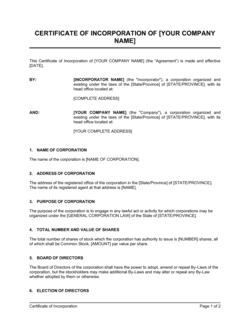
On day one, the minimum viable document set is an entity formation record (articles of incorporation or LLC operating agreement), a startup cost worksheet, and a basic business plan. The Checklist Start-Up (D110) gives you a sequenced view of every task so you can see what is legally required versus what can wait until you have revenue. Skipping formation documents in favor of moving fast is the most common — and most expensive — early mistake founders make.
How is a startup business plan different from a standard business plan?
A startup business plan is written before there is significant trading history, so it leans heavily on market research, founder credentials, and financial projections rather than historical financials. The Startup Business Plan template (D13186) is structured for this reality — it prompts you to validate assumptions and present a clear use-of-funds narrative rather than audited accounts. A standard business plan template, by contrast, often assumes at least one year of operating data.
Do I need a lawyer to use these startup templates?
Many startup templates — checklists, cost worksheets, business plans, and how-to guides — do not require legal review. Templates that create binding obligations, such as the Source Code License Agreement (D808) or any founding equity agreement, should typically be reviewed by a qualified lawyer in your jurisdiction before signing, especially if significant assets or investor money are involved.
Can I use these templates if I am starting a home-based business?
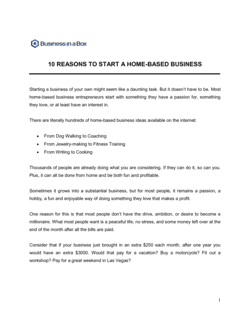
Yes. The filter includes a dedicated guide for home-based businesses (D13195) alongside the general formation and planning templates. Most of the documents — the checklist, cost worksheet, and business plan — apply regardless of whether your office is a spare bedroom or a commercial space.
What is the difference between the startup-stage filter and the ecommerce or online business templates?
The startup-stage filter covers the full launch journey — formation, planning, fundraising, and early operations — for any type of business. The How To Start An Online Business (D12954) and How To Start An Ecommerce Business (D13348) templates inside this filter are channel-specific guides that sit alongside the broader formation and planning documents. Use them together rather than treating them as alternatives.
How do I know if my startup is ready to move to growth-stage templates?
A useful signal is repeatable revenue: if you have a defined sales process, at least a few paying customers, and you are now focused on hiring, systemizing operations, or expanding to new markets, you have likely moved past startup stage. At that point, growth-stage templates — covering HR policies, vendor management, and department-level planning — become more relevant than the formation and validation documents in this filter.
Are there templates here for co-founder agreements or equity splits?
The current startup-stage filter does not include a dedicated co-founder or equity agreement template. For those documents, search the agreement document-type filter, which covers partnership and shareholder agreements. The Source Code License Agreement (D808) in this filter addresses IP ownership specifically.
What if I decide my business idea is not worth pursuing?
The guide "9 Ways To Know It's Time To Give Up On Your Business Idea" (D13076) in this filter is designed for exactly that moment. It provides a structured framework for evaluating whether the core assumption behind the venture is fundamentally flawed rather than just temporarily difficult — an important distinction before committing further capital.
One document. A more organized business.
Your documents are part of how your business operates. Business in a Box brings the work, people and information around them into one workspace.
Start with the template you need. Bring the rest of your business together when you're ready.
How our templates are made
Every template is written by the Business in a Box editorial team and published by Bruno Goulet, CEO & Editor-in-Chief. Business in a Box has published business and legal templates for more than 20 years. Each document page explains what the template covers and how to fill it in; for legal documents, have a qualified professional review the final version when the stakes warrant it.