- Due Diligence
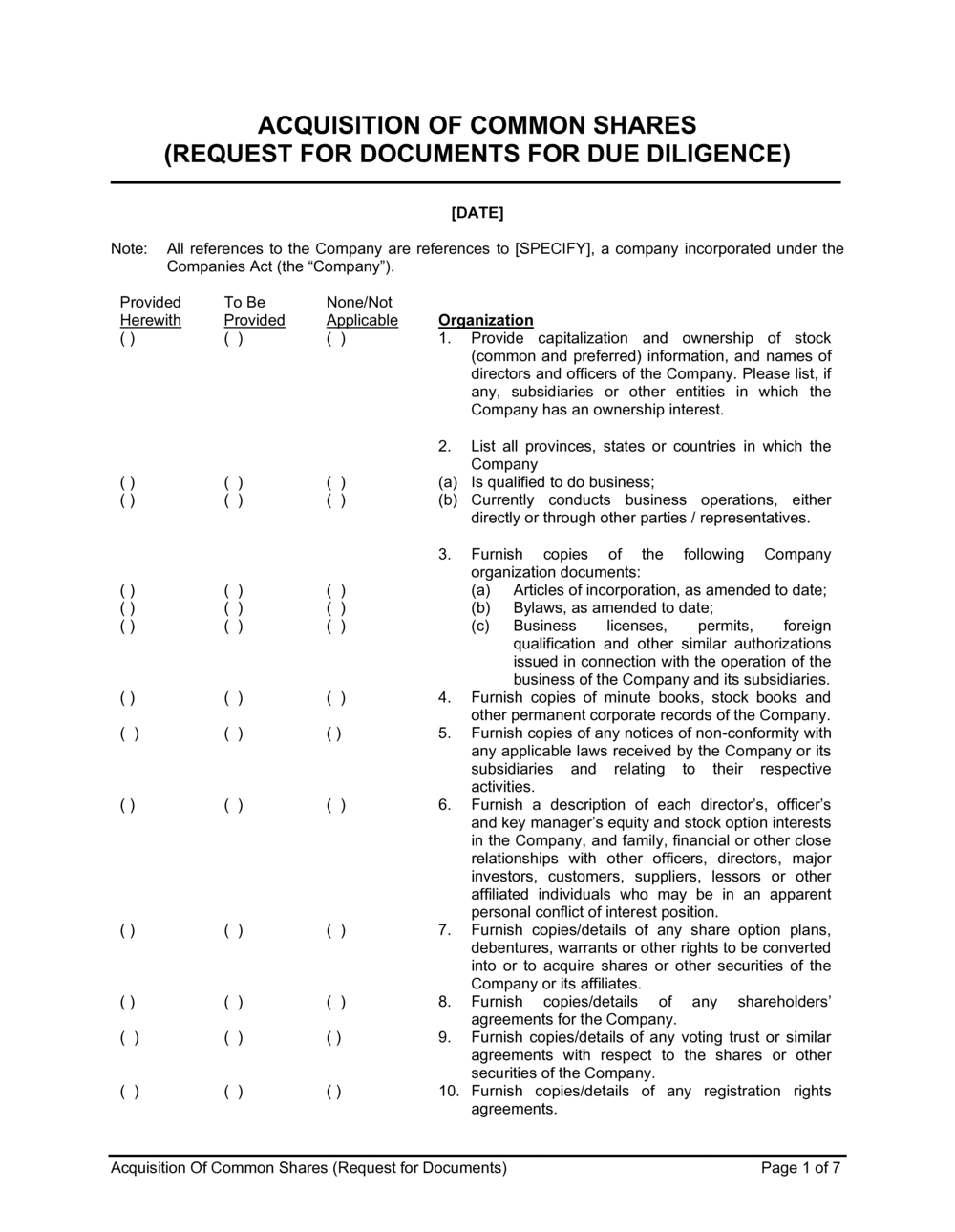
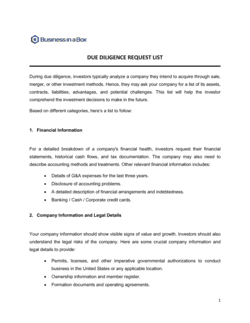
- The systematic investigation a buyer conducts on a target company to verify material facts, identify risks, and confirm that representations made by the seller are accurate before closing.
- Common Shares
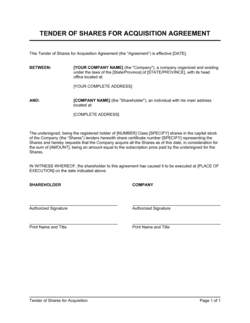
- The standard class of equity ownership in a corporation, carrying voting rights and residual claims on assets — as distinct from preferred shares, which carry priority rights.
- Data Room
- A secure online repository (virtual data room, or VDR) where the target company uploads due diligence documents for the buyer's review, with access controls and audit logging.
- Letter of Intent (LOI)
- A non-binding preliminary agreement outlining the key terms of a proposed acquisition — price, structure, exclusivity period, and due diligence timeline — before a definitive agreement is signed.
- Material Contract
- Any agreement to which the target is a party that is significant to its operations, revenue, or liabilities — including customer contracts above a defined threshold, supplier agreements, and financing arrangements.
- Representations and Warranties
- Statements of fact made by the seller about the target company's legal status, financials, and operations that the buyer relies on in completing the purchase — breaches can trigger indemnification claims.
- Indemnification
- A contractual obligation by one party (typically the seller) to compensate the other for losses arising from a breach of representations, warranties, or undisclosed liabilities discovered after closing.
- Change-of-Control Clause
- A provision in a third-party contract that gives the counterparty rights — such as termination or consent requirements — if ownership of the contracting entity changes hands.
- Cap Table
- A schedule listing all equity holders, share classes, option pools, warrants, and convertible instruments, showing fully diluted ownership before and after the proposed acquisition.
- Encumbrance
- Any lien, pledge, security interest, or restriction that limits the buyer's ability to acquire clear, marketable title to the target's shares or assets.
- Exclusivity Period
- A negotiated window — typically 30 to 90 days — during which the target agrees not to solicit or negotiate with other potential buyers while the buyer completes due diligence.
- Working Capital
- Current assets minus current liabilities at a defined measurement date — often a critical adjustment item in share purchase pricing negotiations.