Request for Documentation_Company Dissolution Template

Free Word download β€’ Edit online β€’ Save & share with Drive β€’ Export to PDF

3 pagesβ€’20–25 min to fillβ€’Difficulty: Standard
Learn more ↓
FreeRequest for Documentation_Company Dissolution Template

At a glance

What it is
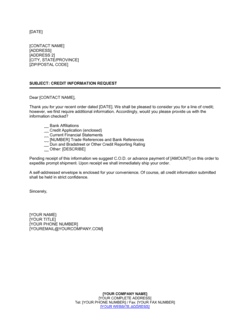
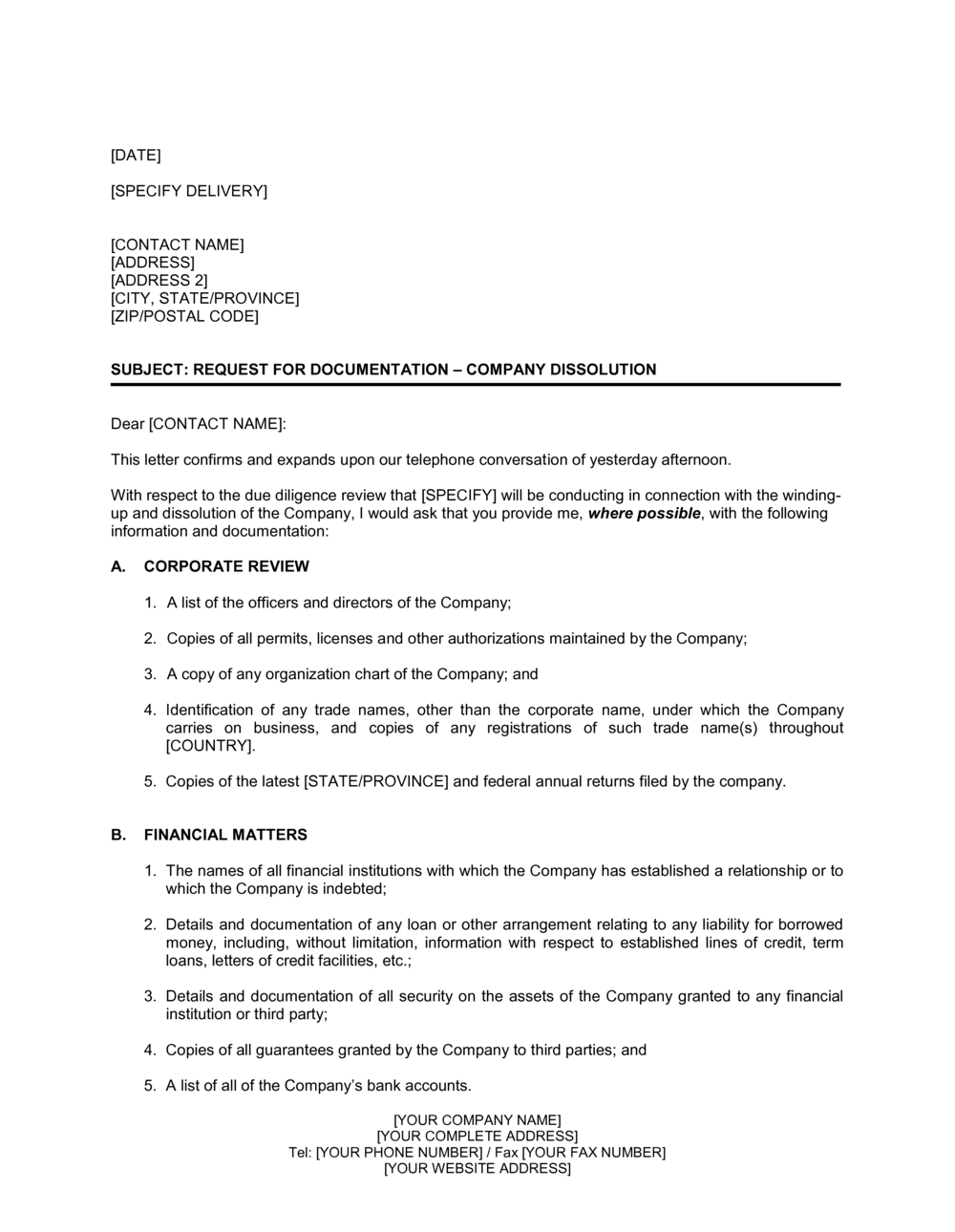
A Request For Documentation Company Dissolution is a formal business letter sent to a government agency, registered agent, accountant, attorney, or other record-holder to obtain the certificates, filings, tax clearances, and corporate records needed to complete or verify the dissolution of a company. This free Word download gives you a ready-to-edit letter you can customize with your entity details and specific document list, then send immediately.
When you need it
Use it when you are winding down a business and need to gather official documentation from third parties β€” such as a certificate of dissolution, tax clearance letter, or final annual report β€” before filing articles of dissolution or closing out accounts. It is also useful when a creditor, successor organization, or acquiring party needs proof that dissolution proceedings have been initiated or completed.
What's inside
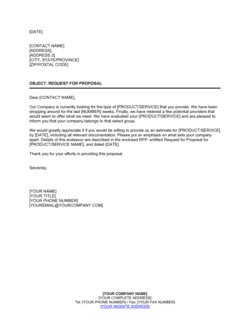
Sender and recipient identification, a clear statement of the dissolution context, an itemized list of the specific documents requested, a response deadline, and contact details for follow-up. The letter is direct and professional in tone, supplying enough background for the recipient to locate and provide the correct records without ambiguity.

What is a Request For Documentation Company Dissolution?

A Request For Documentation Company Dissolution is a formal business letter sent to a government agency, registered agent, accountant, attorney, or other record-holder asking for the official certificates, filings, tax clearances, and corporate records required to complete or verify a company's dissolution. It identifies the dissolving entity by its legal name and registration number, specifies each document needed by name, and provides a deadline by which the materials must be received. The letter creates a clear, dated paper trail that supports the dissolution timeline and demonstrates due diligence to creditors, regulatory authorities, and any successor organization.

Why You Need This Document

Dissolving a company without a complete set of supporting documentation is one of the most common causes of delayed or rejected dissolution filings. Missing a tax clearance letter, an unconfirmed final annual report, or a certificate of good standing can stall articles of dissolution for weeks β€” and in some jurisdictions, an incomplete filing leaves the company legally active, continuing to accumulate fees, annual report obligations, and potential liability. A formal written request, sent to the right party with a specific deadline and an itemized document list, keeps your wind-down on schedule and creates the record you need if a dispute later arises over whether dissolution was properly initiated. This template gives you a professionally structured letter you can complete in under 30 minutes, customized to your entity's specific situation and the documents your jurisdiction requires.

Which variant fits your situation?

If your situation is…Use this template
Requesting dissolution records from a state secretary of state officeRequest For Documentation Company Dissolution
Formally notifying creditors that dissolution proceedings have begunNotice of Dissolution to Creditors
Informing employees of a company shutdownCompany Closure Announcement Letter
Requesting a tax clearance certificate before filing articles of dissolutionTax Clearance Request Letter
Notifying customers and vendors of business closureBusiness Closure Letter to Clients
Formally terminating a business partnership as part of wind-downPartnership Dissolution Agreement
Requesting the return of company property during dissolutionRequest for Return of Property Letter

Common mistakes to avoid

❌ Requesting documents without itemizing them

Why it matters: A vague request for 'all dissolution documents' forces the recipient to guess what you need, typically resulting in an incomplete response and multiple follow-up exchanges that delay the entire wind-down timeline.

Fix: List every required document by its exact name and, where applicable, include the relevant date, filing reference number, or coverage period so the recipient can locate and provide each item in a single response.
❌ Omitting the company registration number

Why it matters: Government agencies and registered agents handle thousands of entities; without a file number, the recipient must search by name β€” a process prone to errors that can result in records for the wrong entity being sent.

Fix: Include the state or provincial registration or file number in the subject line and opening paragraph of every dissolution-related letter.

❌ Setting no response deadline

Why it matters: Without a stated deadline, recipients apply their standard internal turnaround, which may be 30 or more days β€” easily causing you to miss a statutory filing window or creditor settlement date.

Fix: Always state a specific calendar date and explain briefly why that date matters, whether it is a statutory deadline, a closing date, or a creditor's cutoff.

❌ Failing to confirm authorization to request records

Why it matters: Many agencies and third parties will not release corporate records to a person who has not established their authority to request them, resulting in an outright refusal or a request for additional documentation that stalls the process.

Fix: Include a sentence confirming your authority β€” board resolution, power of attorney, or officer title β€” and attach the supporting document as an enclosure when dealing with government offices.

The 9 key clauses, explained

Sender and recipient identification

In plain language: Identifies who is sending the letter β€” including the company name, address, and contact β€” and who it is addressed to, with the recipient's full name, title, organization, and address.

Sample language
[SENDER FULL NAME] [COMPANY LEGAL NAME] [ADDRESS] [CITY, STATE, ZIP] [DATE] [RECIPIENT NAME] [TITLE] [ORGANIZATION] [ADDRESS]

Common mistake: Addressing the letter to a generic department rather than a named individual β€” generic addressing slows routing and delays the response.

Subject line

In plain language: A brief, specific reference line stating the purpose of the letter and the company being dissolved, so the recipient can immediately classify and route the request.

Sample language
Re: Request for Dissolution Documentation β€” [COMPANY LEGAL NAME], [STATE] [ENTITY TYPE], [REGISTRATION NUMBER]

Common mistake: Omitting the entity registration or file number β€” without it, the recipient must research which company record applies, adding days to the response time.

Opening context statement

In plain language: A one-to-two sentence opening that identifies the sender's role and explains that the company is in the process of dissolution, providing the factual basis for the request.

Sample language
I am writing on behalf of [COMPANY LEGAL NAME], a [ENTITY TYPE] registered in [STATE/JURISDICTION] (File No. [REGISTRATION NUMBER]), which is currently undergoing voluntary dissolution effective [DATE].

Common mistake: Beginning with an apology or overly formal preamble that buries the actual request β€” the recipient should know the purpose within the first two sentences.

Statement of purpose

In plain language: Explains clearly why the documentation is needed β€” to complete the dissolution filing, satisfy a creditor, or support an acquiring entity β€” so the recipient understands the urgency and relevance.

Sample language
To complete the formal dissolution process and satisfy all statutory requirements, we require the following documentation from your office at your earliest convenience.

Common mistake: Skipping this clause entirely. Without context, recipients treat document requests as low priority; a brief explanation of purpose increases response speed.

Itemized document request list

In plain language: A numbered or bulleted list of every specific document needed β€” certificate of dissolution, tax clearance, final annual report, corporate minute books β€” with enough detail for the recipient to identify each item.

Sample language
1. Certificate of Dissolution for [COMPANY LEGAL NAME] 2. Tax Clearance Letter confirming no outstanding state tax liabilities as of [DATE] 3. Confirmation of final annual report acceptance (Filing Date: [DATE]) 4. Good Standing Certificate dated [DATE]

Common mistake: Requesting 'all dissolution-related documents' without itemizing β€” vague requests result in incomplete responses and multiple follow-up rounds.

Response deadline

In plain language: States the specific date by which the documentation is needed, with a brief reason if applicable (e.g., a filing deadline or closing date).

Sample language
We respectfully request that the above documentation be provided by [DATE], as we are required to submit our articles of dissolution to the [STATE] Secretary of State by [FILING DEADLINE DATE].

Common mistake: Omitting a deadline entirely β€” without one, recipients apply their own internal timeline, which may not align with the company's dissolution schedule.

Authorization and signatory confirmation

In plain language: Confirms that the person signing the letter is authorized to request the records on behalf of the dissolving entity, referencing any board resolution or power of attorney if applicable.

Sample language
I am authorized to make this request on behalf of [COMPANY LEGAL NAME] by virtue of a resolution of the Board of Directors dated [DATE] / a Power of Attorney dated [DATE].

Common mistake: Omitting authorization language when requesting records from a government agency β€” many agencies require proof of authority before releasing corporate records.

Delivery and contact instructions

In plain language: Specifies how the documents should be returned β€” email, mail, or secure portal β€” and provides the correct name, address, and email for the recipient to use.

Sample language
Please send all documentation to [CONTACT NAME] at [EMAIL ADDRESS] or by mail to [MAILING ADDRESS]. For questions, I can be reached at [PHONE NUMBER] between [HOURS].

Common mistake: Listing only a mailing address when the documents could be emailed β€” failing to offer electronic delivery adds days or weeks to turnaround.

Closing and signature block

In plain language: A professional closing that thanks the recipient, states willingness to provide additional information, and includes the sender's name, title, company, and any reference to enclosures.

Sample language
Thank you for your prompt attention to this matter. Should you require any additional information or documentation to process this request, please do not hesitate to contact me. Sincerely, [SENDER NAME] [TITLE] [COMPANY LEGAL NAME] Enclosures: [LIST IF ANY]

Common mistake: Forgetting to list enclosures when supporting documents (board resolution, power of attorney, or prior correspondence) are attached β€” recipients may not realize additional materials were included.

How to fill it out

  1. 1

    Enter sender and recipient details

    Add your full name, title, company legal name, and mailing address in the sender block at the top. Then enter the full name, title, and organization of the specific individual you are contacting β€” not just the department.

    πŸ’‘ Call ahead or check the agency website to confirm the correct contact name before sending β€” an addressed letter moves faster than one routed through a general inbox.

  2. 2

    Complete the subject line with your entity details

    Include the company's full legal name, the state or jurisdiction of registration, and the entity file or registration number in the subject line. This lets the recipient pull your record immediately.

    πŸ’‘ Find your registration number on your original articles of incorporation or on the secretary of state's online business search portal.

  3. 3

    Write the opening context statement

    State your role, the company name, and the fact that dissolution is underway. Include the effective date or expected dissolution date if known.

    πŸ’‘ One or two sentences is sufficient β€” the goal is to establish why you are writing, not to narrate the full history of the company.

  4. 4

    Build the itemized document request list

    List every document you need by its specific name. Where applicable, include reference dates, filing numbers, or the period the document should cover.

    πŸ’‘ Check the relevant secretary of state or revenue authority website for the exact names of documents they issue β€” using their terminology speeds processing.

  5. 5

    Set a specific response deadline

    Enter the date by which you need the documents, and briefly note the reason β€” for example, a statutory filing deadline or a creditor settlement date.

    πŸ’‘ Give at least 10 business days for government agencies; private-sector recipients such as accountants or attorneys can typically turn around requests in 3–5 business days.

  6. 6

    Add authorization language and enclosures

    Confirm your authority to request the records. If you are acting under a board resolution or power of attorney, reference it and attach a copy as an enclosure.

    πŸ’‘ For sensitive corporate records, many state offices require a certified copy of the authorizing resolution β€” attach it proactively to avoid a follow-up request.

  7. 7

    Specify delivery instructions and send

    State your preferred delivery method β€” email is fastest β€” with the correct address or portal details. Review the completed letter, save as PDF, and send via your chosen channel.

    πŸ’‘ Send the letter by email and follow up with a physical copy by certified mail for any government agency request β€” the tracking receipt creates a paper trail if the response is delayed.

Frequently asked questions

What is a request for documentation company dissolution letter?

A request for documentation company dissolution letter is a formal written communication sent to a government agency, accountant, attorney, or other record-holder asking for the certificates, filings, and records needed to complete or verify the dissolution of a business entity. It identifies the company, states the dissolution context, lists the specific documents needed, and provides a response deadline. It is a standard step in winding down any registered business.

Who should receive a dissolution documentation request?

The letter is typically sent to the secretary of state or corporations branch in the state or province where the company was registered, to the relevant tax authority for a clearance letter, and to the company's registered agent, accountant, or attorney for internal records. You may need to send separate letters to each recipient if you require documents from multiple sources.

What documents are typically requested when dissolving a company?

Common documents include a certificate of dissolution, a tax clearance letter from the state revenue authority, confirmation of the final annual report filing, a good standing certificate, copies of filed articles of dissolution, corporate minute books, and any outstanding regulatory clearances specific to the company's industry. The exact list depends on the jurisdiction and the type of entity being dissolved.

How long does it take to receive dissolution documentation?

Government agencies such as a secretary of state office typically take 5–30 business days, depending on the jurisdiction and whether expedited processing is available. Tax clearance letters from revenue authorities can take 4–12 weeks in some jurisdictions. Private parties such as accountants and attorneys can usually respond within 3–5 business days. Build these timelines into your dissolution schedule and set response deadlines accordingly.

Is this letter legally binding?

No. A request for documentation is a formal business letter, not a legally binding contract or legal filing. It creates a professional record of your request and its timing, which can be useful if a delay causes you to miss a statutory deadline, but it does not itself create any legal obligation on the recipient beyond what their own policies and applicable records laws require.

Can I use one letter to request documents from multiple parties?

It is generally better to send a separate, individually addressed letter to each recipient. A letter addressed to the secretary of state's office should focus on state-issued certificates; a letter to your accountant should focus on financial records and tax clearances. Separate letters ensure each party receives only what is relevant to them and allow you to set different deadlines based on each party's typical turnaround time.

What happens if a party does not respond to my documentation request?

Follow up in writing β€” a second letter or email referencing the original request date and restating the deadline. For government agencies, check whether an expedited or in-person processing option is available. If the missing documentation is a legal prerequisite for filing articles of dissolution, consult a business attorney about alternative steps, such as filing with a declaration that the clearance was requested but not yet received.

How this compares to alternatives

vs Notice of Dissolution

A notice of dissolution is an outbound communication informing creditors, customers, or the public that a company is dissolving. A request for documentation company dissolution is an inbound request β€” you are asking third parties to send records to you. Both are used in the wind-down process but serve opposite directions of communication.

vs Partnership Dissolution Agreement

A partnership dissolution agreement is a binding contract between partners settling asset distribution, liability allocation, and the terms of winding down a partnership. A documentation request letter is a non-binding administrative letter used to gather records that support the dissolution process. The agreement drives the dissolution; the letter collects the paperwork.

vs Business Closure Letter to Clients

A business closure letter to clients notifies customers that the company is ceasing operations and provides instructions on outstanding orders or service continuity. A documentation request is sent to record-holders and agencies, not clients, and its purpose is to obtain records rather than manage customer relationships.

vs Tax Clearance Request Letter

A tax clearance request letter is a narrowly scoped letter directed specifically at a tax authority to obtain confirmation of no outstanding liabilities. A request for documentation company dissolution is broader β€” it may include tax clearance as one item on a multi-document list sent to multiple parties. Use the focused tax clearance letter when that is the only document needed; use the dissolution documentation request when you need records from several sources.

Industry-specific considerations

Professional Services

Law firms, accounting practices, and consulting firms frequently dissolve professional corporations or LLPs and must request clearances from professional licensing bodies in addition to standard state filings.

Technology / SaaS

Startup wind-downs often involve requesting documentation related to IP assignments, equity cap table confirmations, and data processing agreements in addition to standard dissolution records.

Retail / E-commerce

Retail businesses dissolving must request sales tax clearances from every state where they collected tax β€” a multi-jurisdictional documentation task that requires separate letters for each state authority.

Real Estate

Real estate holding entities require dissolution documentation tied to property transfers, title releases, and mortgage satisfaction letters, often coordinated with the dissolution request.

Template vs pro β€” what fits your needs?

PathBest forCostTime
Use the templateBusiness owners and administrators gathering standard dissolution records for a straightforward voluntary wind-downFree15–30 minutes per letter
Template + professional reviewMulti-state businesses, regulated industries, or situations where missing documentation could trigger penalties$150–$400 for a brief attorney or accountant review1–2 business days
Custom draftedComplex dissolutions involving litigation, government contracts, or international registrations requiring jurisdiction-specific language$500–$2,000+3–7 business days

Glossary

Certificate of Dissolution
An official document issued by a state or provincial authority confirming that a business entity has been formally dissolved and removed from the register.
Articles of Dissolution
The formal filing submitted to a state or provincial authority by the company's directors or owners to initiate the legal dissolution process.
Tax Clearance Letter
A document from a revenue authority confirming that a dissolving entity has no outstanding tax liabilities, often required before dissolution is finalized.
Winding Down
The process of settling a company's outstanding obligations β€” paying debts, distributing assets, and closing accounts β€” before formal dissolution.
Registered Agent
A designated individual or service authorized to receive official legal and government correspondence on behalf of a business entity.
Good Standing Certificate
A document from the state or province confirming that a company is current on all fees and filings β€” sometimes required as part of dissolution documentation.
Voluntary Dissolution
A dissolution initiated by the company's owners or board, as opposed to an involuntary dissolution ordered by a court or regulatory authority.
Successor Organization
An entity that takes on the assets, liabilities, or operations of a dissolved company, often requiring proof of dissolution as part of the transfer.
Final Annual Report
The last statutory filing a dissolving business must submit to the state, confirming its financials and activity up to the dissolution date.
Liquidation
The conversion of a company's remaining assets into cash to settle debts and distribute any surplus to owners prior to dissolution.

Part of your Business Operating System

This document is one of 3,000+ business & legal templates included in Business in a Box.

  • Fill-in-the-blanks β€” ready in minutes
  • 100% customizable Word document
  • Compatible with all office suites
  • Export to PDF and share electronically

Create your document in 3 simple steps.

From template to signed document β€” all inside one Business Operating System.
1
Download or open template

Access over 3,000+ business and legal templates for any business task, project or initiative.

2
Edit and fill in the blanks with AI

Customize your ready-made business document template and save it in the cloud.

3
Save, Share, Send, Sign

Share your files and folders with your team. Create a space of seamless collaboration.

Save time, save money, and create top-quality documents.

β˜…β˜…β˜…β˜…β˜…

"Fantastic value! I'm not sure how I'd do without it. It's worth its weight in gold and paid back for itself many times."

Managing Director Β· Mall Farm
Robert Whalley
Managing Director, Mall Farm Proprietary Limited
β˜…β˜…β˜…β˜…β˜…

"I have been using Business in a Box for years. It has been the most useful source of templates I have encountered. I recommend it to anyone."

Business Owner Β· 4+ years
Dr Michael John Freestone
Business Owner
β˜…β˜…β˜…β˜…β˜…

"It has been a life saver so many times I have lost count. Business in a Box has saved me so much time and as you know, time is money."

Owner Β· Upstate Web
David G. Moore Jr.
Owner, Upstate Web

Run your business with a system β€” not scattered tools

Stop downloading documents. Start operating with clarity. Business in a Box gives you the Business Operating System used by over 250,000 companies worldwide to structure, run, and grow their business.

Start freeΒ Β·Β No credit card required