Employee Development Templates

4.7from 280+ reviews Trusted by 20M+ businesses

Build a skilled, engaged workforce with ready-to-use training plans, policies, and development records.

WordEditable onlinePDF47+ employee development templates

Other Human Resources categories

10 Important Qualities For Effective Leadership At
10 Reasons to Practice Persistence Template
13 Tips for Using Situational Leadership Effectively
13 Ways To Motivate Yourself Template
14 Habits Of Successful People Template
30 Days To Break Any Habit Template
4 Reasons Great Leaders Rise Early Template
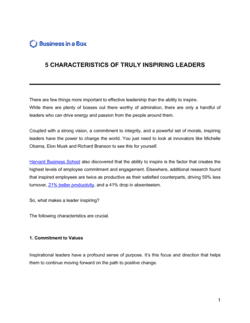
5 Characteristics Of Truly Inspiring Leaders Template
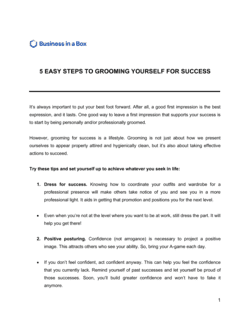
5 Easy Steps To Grooming Yourself For Success Template
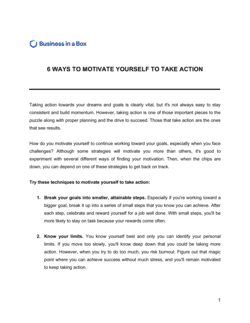
6 Ways To Motivate Yourself To Take Action Template
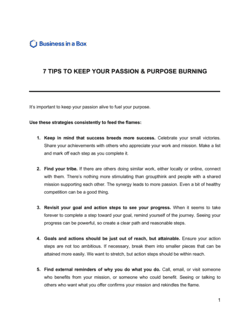
7 Tips To Keep Your Passion And Purpose Burning
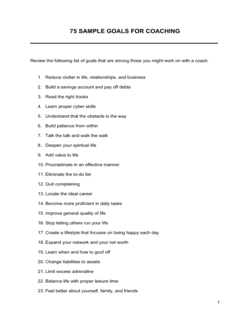
75 Sample Goals for Coaching Template
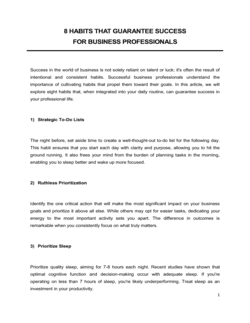
8 Habits That Guarantee Success For Business
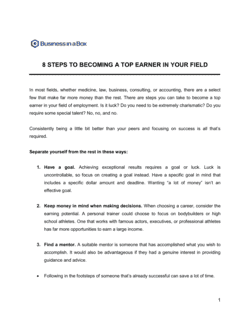
8 Steps To Becoming A Top Earner In Your Field
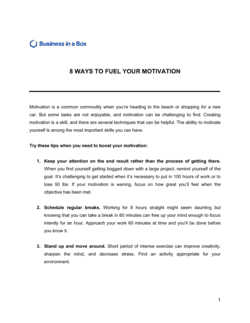
8 Ways To Fuel Your Motivation Template
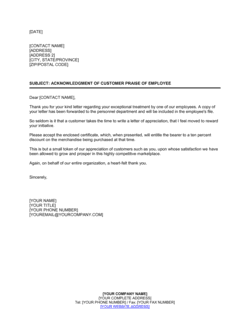
Acknowledgment Of Customer Praise Of Employee Template
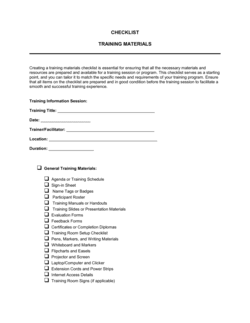
Checklist Training Materials Template
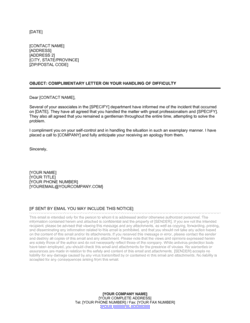
Complimentary Letter: Handling Difficulty
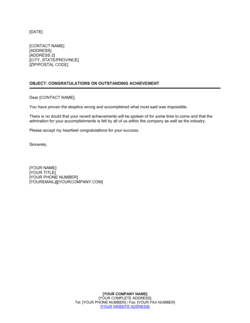
Congratulations On Outstanding Achievement Letter
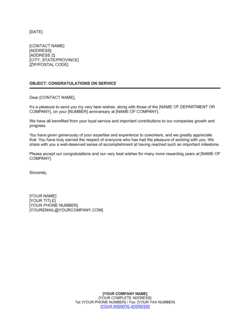
Congratulations On Service Letter Template
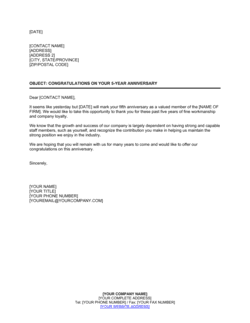
Congratulations to an Employee on 5 Year Anniversary
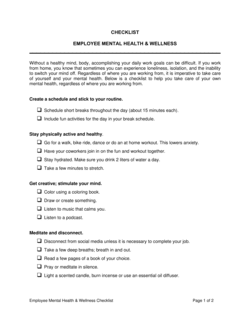
Employee Mental Health and Wellness Checklist Template
Employee Personal Wellness Plan Template
Employee Retention Guide Template
Employee Retention Ideas Checklist Template
Employee Retention Program Template
Employee Retention Strategy Template
XLS
Employee Training And Development Record Template
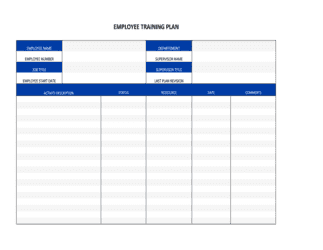
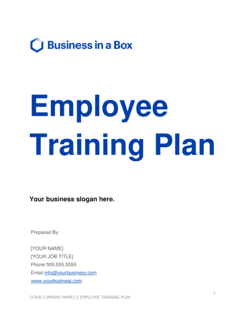
Employee Training Plan Template
How To Conduct An Effective Training Session Template
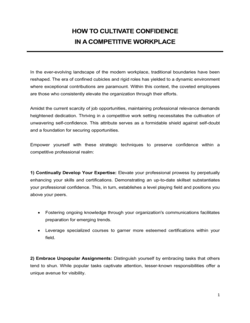
How To Cultivate Confidence In A Competitive Workplace
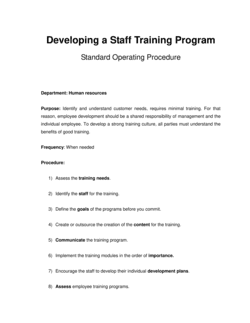
How To Develop A Staff Training Program
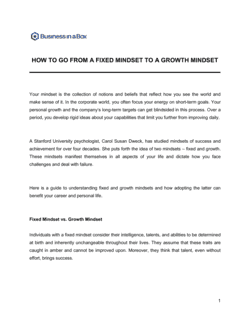
How To Go From A Fixed Mindset To A Growth Mindset
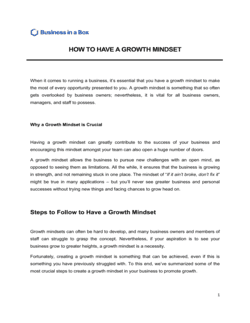
How To Have A Growth Mindset Template
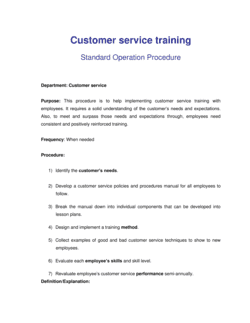
How To Implement Customer Service Training Template
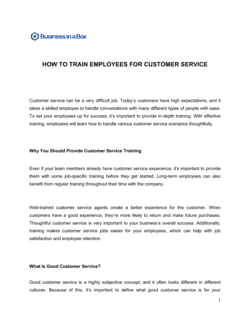
How To Train Employees For Customer Service Template
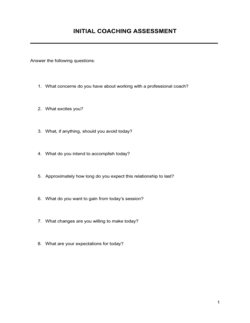
Initial Coaching Questions Template
Internal Talent Development Agreement Template
Leadership Development Plan Template
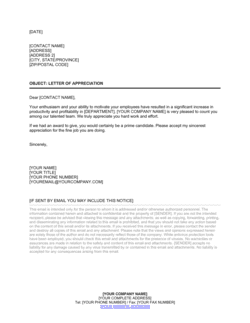
Letter of Appreciation to Employee Template
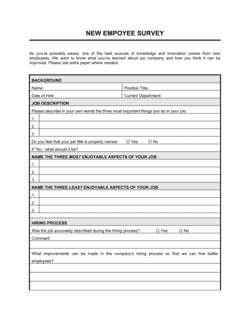
New Employee Survey Template
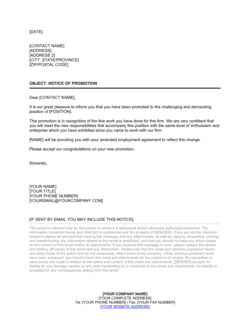
Notice of Promotion Template
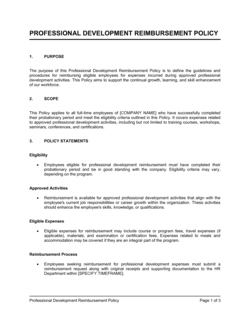
Professional Development Reimbursement Policy Template
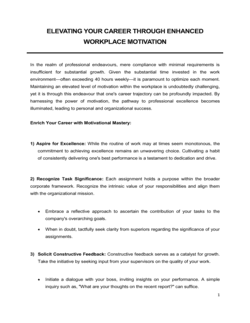
Staff Retention Tips Template
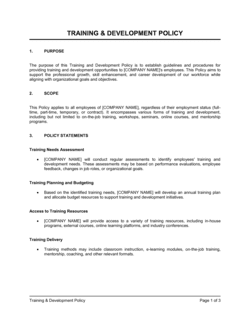
Training and Development Policy Template
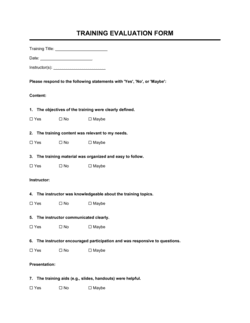
Training Evaluation Form Template
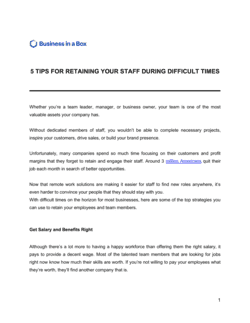
Workplace Motivation Career Development Template
250K+Clients
20M+Free users
20+Years
190+Countries
10,000+Law firms
50M+Downloads

Trusted across review platforms

  • Capterra★★★★☆4.649 reviews
  • G2★★★★☆4.713 reviews
  • GetApp★★★★☆4.649 reviews
  • Google Play★★★★☆4.6179 ratings
  • Google Reviews★★★★☆4.567 reviews

Related categories

Frequently asked questions

What should an employee development plan include?
An employee development plan should include the employee's current role, their stated career goal, a skills gap assessment, at least three to five specific learning activities with deadlines, a budget or reimbursement limit, and a schedule for progress reviews. Plans that omit timelines or measurable outcomes rarely get completed.
How often should employee development plans be updated?
Most organisations update individual plans annually, aligned with the performance review cycle. Plans for high-potential or fast-moving roles benefit from a mid-year review. Any significant role change — a promotion, a lateral move, or a major shift in business priorities — should trigger an immediate update rather than waiting for the next cycle.
Is a training and development policy legally required?
In most jurisdictions there is no statutory obligation to have a formal training and development policy, but certain regulated industries — financial services, healthcare, food production — require documented evidence that employees have completed mandatory training. A written policy also reduces the risk of discrimination claims by ensuring development opportunities are offered consistently across the workforce.
What is the difference between a training plan and a development plan?
A training plan focuses on the specific courses or activities an employee will complete, usually within a single role or project. A development plan is broader and longer-term, covering career progression, leadership readiness, and competency building over months or years. Many organisations use both: the development plan sets the direction; the training plan schedules the individual steps.
Can small businesses benefit from employee development templates?
Yes. Even a five-person business benefits from a written training record and a basic reimbursement policy. Without them, development spending is untracked, fairness is hard to demonstrate, and skills gaps remain invisible until someone leaves. Templates give small teams a structured starting point without requiring an HR department to build from scratch.
How do I measure the return on investment of employee development?
Common measures include time-to-competency for new skills, internal promotion rates, employee retention after training investment, and manager-rated performance scores before and after development activity. Tying each development activity to a business outcome in the original plan makes post-completion measurement significantly easier.
What is a professional development reimbursement policy?
A professional development reimbursement policy sets out which external learning costs the employer will pay back, up to what annual limit, and on what conditions — for example, requiring a passing grade or a minimum tenure after completion. It prevents ad-hoc, inconsistent decisions and gives employees a clear framework before they enrol in any course.
How do recognition and rewards programmes support employee development?
Recognition programmes reinforce the behaviours and skills the organisation wants employees to develop. When employees see peers rewarded for applying new skills or completing development goals, it creates a visible incentive to engage with learning. Linking recognition criteria to development milestones in the plan makes the connection explicit.

Employee Development vs. related documents

Employee Development vs. Employee Performance Review

A performance review evaluates how well an employee has done over a past period; an employee development plan looks forward and defines what skills the employee will build next. The two documents are complementary: review findings typically feed directly into the development plan for the next cycle. Use both together rather than treating them as alternatives.

Employee Development vs. Onboarding Plan

An onboarding plan covers the first 30–90 days and focuses on getting a new hire up to speed on their role, tools, and culture. An employee development plan covers ongoing growth across months or years and applies to any employee, not just new ones. Onboarding is the starting point; development planning continues long after it ends.

Employee Development vs. Succession Plan

A succession plan identifies which critical roles need a backup and which employees could fill them. A leadership development plan prepares those named employees through targeted learning and stretch assignments. Succession planning sets the destination; the development plan maps the route to get there.

Employee Development vs. Training Budget Template

A training budget template tracks spending on learning activities at the organisational level. A professional development reimbursement policy governs the rules by which individual employees can claim that spending back. The budget template is a finance tool; the reimbursement policy is an HR governance document. Both are needed once a training programme grows beyond ad-hoc requests.

Key clauses every Employee Development contains

Whether you are writing a training policy or a development plan, the same core components appear across every document in this category.

  • Scope and eligibility. Defines which employees — by role, tenure, or employment type — are covered by the policy or plan.
  • Learning objectives. States the specific skills, competencies, or certifications the employee is expected to acquire.
  • Approved activities. Lists the types of training that qualify: internal workshops, external courses, conferences, e-learning platforms, etc.
  • Timeline and milestones. Sets deadlines for completing each development activity so progress can be reviewed at regular intervals.
  • Manager and employee responsibilities. Clarifies who identifies gaps, who approves development activities, and who funds them.
  • Reimbursement and repayment conditions. Specifies the maximum reimbursable amount and any clawback obligation if the employee leaves within a defined period.
  • Record-keeping requirements. Requires that completed training is documented in the employee's file and available for audits or compliance reviews.
  • Review and update cycle. States how often the development plan or policy is revisited — typically annually or after a role change.

How to write an employee development plan

A useful development plan is specific, time-bound, and agreed by both the employee and their manager — not a generic list of courses.

  1. 1

    Identify the employee's current role and career goal

    Start with where the employee is now and where they want to be in 12–24 months so development activity has a clear direction.

  2. 2

    Assess current skills against required competencies

    Compare what the employee can do today against what their target role requires, and list the gaps explicitly.

  3. 3

    Select development activities for each gap

    Assign a specific action — a course, a mentor, a stretch project, or a certification — to each identified gap.

  4. 4

    Set a deadline and success measure for each activity

    Give every item a completion date and a measurable outcome so both parties know when it is done.

  5. 5

    Confirm budget and approval

    Check the reimbursement policy, get line-manager sign-off on any external spend, and record the approved amount.

  6. 6

    Schedule regular check-ins

    Book 30-minute progress reviews every 60–90 days to remove blockers and update the plan if priorities change.

  7. 7

    Record completed training in the employee's development record

    Log each finished activity in the employee's training record to build an auditable history of completed development.

At a glance

What it is
Employee development templates are pre-structured documents that help HR teams and managers plan, track, and govern the learning and growth of their workforce. They cover everything from individual training plans and development records to company-wide policies on reimbursement and recognition.
When you need one
Any time you are onboarding a new hire, planning a training cycle, documenting completed learning, or formalizing a professional development budget, you need a structured template to keep the process consistent and auditable.

Which Employee Development do I need?

The right template depends on whether you are planning development activity, recording completed training, setting policy, or recognizing employee growth. Match your situation below.

Your situation
Recommended template

Planning a structured learning path for an individual employee

Provides a step-by-step schedule of courses, objectives, and completion milestones for one employee.

Setting company-wide rules for training and development programmes

Documents eligibility, approval processes, and employer obligations in one authoritative policy.

Reimbursing employees for external courses or certifications

Defines which costs are covered, approval workflows, and repayment clauses if an employee leaves.

Tracking all training completed by an employee over their tenure

Creates an auditable log of every course, certification, and skill gained by the individual.

Growing a high-potential employee into a leadership role

Maps competency gaps, stretch assignments, and milestones for a defined leadership track.

Improving retention by measuring how engaged employees feel

Collects structured feedback to identify disengagement before employees decide to leave.

Formalising a programme that recognises and rewards employee effort

Establishes nomination criteria, award types, and frequency so recognition feels fair and consistent.

Documenting the full set of workplace policies in one place

Consolidates all policies — including development expectations — into a single reference employees sign.

Glossary

Competency gap
The measurable difference between the skills an employee currently has and the skills required for their target role or responsibility.
Individual development plan (IDP)
A written agreement between an employee and their manager that documents specific learning goals and the steps to achieve them.
70-20-10 model
A widely used learning framework that suggests 70% of development comes from on-the-job experience, 20% from coaching or mentoring, and 10% from formal training.
Stretch assignment
A project or responsibility deliberately beyond an employee's current skill level, used to accelerate development through practice.
Reimbursement clawback
A contractual clause requiring an employee to repay part or all of training costs if they leave the company within a defined period after completing the training.
Training record
A document that logs all formal and informal learning completed by an employee, including dates, providers, and outcomes.
Learning management system (LMS)
Software used to assign, deliver, and track employee training; development plan templates feed directly into most LMS platforms.
Succession pipeline
The pool of employees being actively developed to fill critical or senior roles as they become vacant.
Mandatory training
Training that all employees in a defined group must complete, often for compliance, safety, or regulatory reasons.
Soft skills
Interpersonal and behavioural capabilities — such as communication, leadership, and problem-solving — that complement technical expertise.
Knowledge transfer
The structured process of moving expertise from one employee to others, typically used when a key person changes role or leaves.

What is an employee development template?

An employee development template is a pre-structured document that gives HR teams, managers, and employees a consistent framework for planning, approving, recording, and reviewing professional growth activity. Templates in this category cover the full development lifecycle — from identifying a skills gap and drafting a learning plan, to logging completed training and setting a reimbursement policy that governs the budget behind it all.

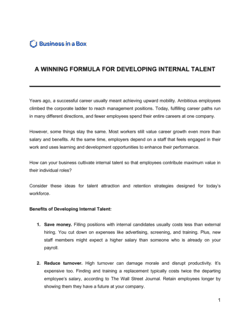
Employee development spans two distinct document types. Planning documents — such as the Employee Training Plan and the Leadership Development Plan — set out what an employee will learn, by when, and how success will be measured. Governance documents — such as the Training and Development Policy and the Professional Development Reimbursement Policy — establish the rules that apply to everyone: who qualifies, how much the company will pay, and what happens if an employee leaves shortly after completing an employer-funded programme. Both types are needed for a development programme that is fair, auditable, and effective.
When you need an employee development template

Every organisation that employs people faces the same fundamental challenge: skills that were sufficient at hire become outdated, roles evolve, and employees who see no path forward leave. Structured development templates turn an informal, manager-dependent process into a repeatable system. You specifically need one or more of these templates when:

  • A new hire needs a structured 90-day learning schedule before they can work independently
  • A high-potential employee is being groomed for a leadership role over the next 12–24 months
  • HR needs to formalise which external courses and certifications the company will reimburse
  • A compliance audit requires documented evidence that mandatory training was completed
  • A manager wants to address a performance gap through a targeted development programme rather than disciplinary action
  • The company is rolling out a recognition programme and needs consistent criteria across departments
  • An employee survey reveals disengagement that better development opportunities could address

Without written plans and policies, development activity is inconsistent, spending is untracked, and employees reasonably conclude that growth is not a company priority. A structured template costs nothing to implement and significantly reduces both turnover risk and the cost of replacing employees who leave for better opportunities elsewhere.

Award-winning platform

  • Great Place to Work 2025
  • BIG Award — Product of the Year 2025
  • Smartest Companies 2025
  • Global 100 Excellence 2026
  • Best of the Best 2025

Create your document in 3 simple steps.
From template to signed document — all inside one Business Operating System.
1
Download or open template

Access over 3,000+ business and legal templates for any business task, project or initiative.

2
Edit and fill in the blanks with AI

Customize your ready-made business document template and save it in the cloud.

3
Save, Share, Send, Sign

Share your files and folders with your team. Create a space of seamless collaboration.

Save time, save money, and create top-quality documents.

★★★★★

"Fantastic value! I'm not sure how I'd do without it. It's worth its weight in gold and paid back for itself many times."

Managing Director · Mall Farm
Robert Whalley
Managing Director, Mall Farm Proprietary Limited
★★★★★

"I have been using Business in a Box for years. It has been the most useful source of templates I have encountered. I recommend it to anyone."

Business Owner · 4+ years
Dr Michael John Freestone
Business Owner
★★★★★

"It has been a life saver so many times I have lost count. Business in a Box has saved me so much time and as you know, time is money."

Owner · Upstate Web
David G. Moore Jr.
Owner, Upstate Web

Run your business with a system — not scattered tools

Stop downloading documents. Start operating with clarity. Business in a Box gives you the Business Operating System used by over 250,000 companies worldwide to structure, run, and grow their business.

Free Forever Plan · No credit card required