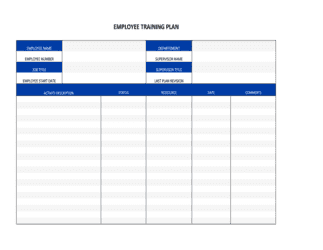
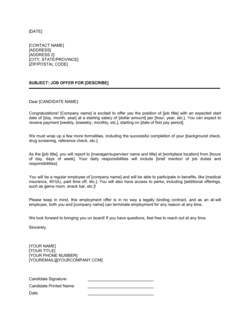
Employee Training Plan Template

Free Word download β€’ Edit online β€’ Save & share with Drive β€’ Export to PDF

17 pagesβ€’30–40 min to fillβ€’Difficulty: Complex
Learn more ↓
FreeEmployee Training Plan Template

At a glance

What it is
An Employee Training Plan is a structured operational document that outlines the objectives, schedule, delivery methods, resources, and success metrics for developing a specific employee or employee group. This free Word download gives you a ready-to-edit framework covering everything from needs assessment to post-training evaluation, which you can export as PDF and share with managers, HR, and trainees immediately.
When you need it
Use it when onboarding a new hire, rolling out a new tool or process, addressing a skills gap identified in a performance review, or preparing an employee for a promotion or expanded role.
What's inside
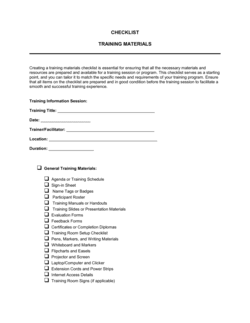
Training objectives and competency targets, a needs assessment summary, a week-by-week or module-by-module schedule, delivery methods and assigned trainers, required materials and resources, milestones and checkpoints, and a post-training evaluation framework with measurable success criteria.

What is an Employee Training Plan?

An Employee Training Plan is a structured operational document that defines the objectives, schedule, delivery methods, resources, milestones, and evaluation criteria for developing a specific employee's skills or knowledge within a defined timeframe. It translates a business need β€” faster onboarding, reduced error rates, preparation for a new role β€” into a concrete, accountable program with named trainers, sequenced modules, and measurable completion criteria. Unlike an informal list of topics to cover, a written training plan assigns responsibility, sets a timeline, and establishes the standard against which success is measured.

Why You Need This Document

Without a written training plan, training becomes inconsistent across managers and locations, new hires ramp up at unpredictable rates, and organizations have no documentation trail when a compliance audit or employment dispute raises questions about what training was provided. The cost of unstructured training is real: replacement costs for employees who leave within 90 days β€” often citing inadequate onboarding β€” average 50–200% of annual salary. A written plan also protects managers by creating a record that the organization fulfilled its development obligations before initiating disciplinary action. This template gives you a structured, repeatable starting point that any manager can complete in under three hours, turning an ad hoc process into a consistent, measurable program.

Which variant fits your situation?

If your situation is…Use this template
Bringing a brand-new employee up to speed in their first 90 daysNew Employee Onboarding Plan
Training staff on a newly deployed software platformSoftware Training Plan
Addressing a specific skill gap identified in a performance reviewPerformance Improvement Plan
Preparing a high-potential employee for a management roleEmployee Development Plan
Delivering mandatory compliance or safety training to all staffCompliance Training Plan
Onboarding an entire cohort of new seasonal or temporary workersGroup Onboarding Training Schedule
Tracking completion and results of an ongoing training programTraining Evaluation Report

Common mistakes to avoid

❌ Skipping the needs assessment

Why it matters: Delivering training without identifying the specific gap wastes time on content the employee already knows while leaving the real deficiency unaddressed.

Fix: Run a 20-minute pre-test or structured manager observation before building the schedule, then design modules around the identified gaps only.

❌ Writing unobservable learning objectives

Why it matters: Objectives like 'understand the onboarding process' give the trainer nothing to measure and the trainee nothing to aim for, making it impossible to confirm whether the plan succeeded.

Fix: Rewrite every objective with an action verb that describes a behavior you can observe β€” 'process a customer return in under five minutes without supervisor assistance.'

❌ No intermediate milestones or checkpoints

Why it matters: Without mid-plan checkpoints, a trainee can fall behind or misunderstand core concepts for weeks before anyone notices β€” by which point the training window has closed.

Fix: Build at least two checkpoints into the schedule β€” one at the midpoint and one before the final assessment β€” each with a defined passing standard.

❌ Treating the training end date as the completion date

Why it matters: Skill transfer to the job takes time; an employee who passes a final quiz on Friday may still struggle to apply the skill independently the following week.

Fix: Schedule a 30- or 60-day post-training review with the manager and include it in the plan document so it is treated as a required step, not an optional add-on.

The 9 key sections, explained

Training overview and purpose

Trainee and trainer information

Training needs assessment summary

Learning objectives

Training schedule and modules

Delivery methods and resources

Milestones and progress checkpoints

Assessment and evaluation criteria

Responsibilities and sign-off

How to fill it out

  1. 1

    Complete the training overview and identify the business outcome

    Enter the trainee's name and role, the training window start and end dates, and a one-sentence business outcome the training supports β€” such as 'reduce customer complaint resolution time from 48 hours to 24 hours.'

    πŸ’‘ Anchor the plan to a measurable business result from the start. This makes it easier to justify the time investment and evaluate success later.

  2. 2

    Summarize the needs assessment findings

    Record the employee's current skill level, the target level, and the method used to identify the gap. If no formal assessment was done, note the manager's observation or the role requirement that triggered the plan.

    πŸ’‘ A pre-test score or structured manager observation takes 20–30 minutes and prevents you from training someone on content they already know.

  3. 3

    Write specific, measurable learning objectives

    List 3–6 objectives for the full training program, each starting with an observable action verb. Each objective should map directly to a module in the schedule.

    πŸ’‘ Bloom's Taxonomy action verbs β€” apply, analyze, demonstrate, evaluate β€” produce stronger objectives than 'understand' or 'know.'

  4. 4

    Build the module schedule with realistic timing

    Break the training into named modules, assign a delivery method and trainer to each, estimate the duration, and sequence them so foundational skills come before advanced application.

    πŸ’‘ Add 15–20% buffer to your total scheduled hours. Training consistently runs longer than planned, especially when trainees ask questions or need repetition.

  5. 5

    Confirm resource and tool availability before finalizing the schedule

    Check that system logins, materials, room bookings, and trainer availability are confirmed for each scheduled session before distributing the plan.

    πŸ’‘ One missing system credential or unavailable trainer on day one signals disorganization to the new employee β€” check all dependencies 48 hours before training starts.

  6. 6

    Set intermediate milestones and knowledge checks

    Place at least two checkpoints within the training window β€” one at the midpoint and one before the final assessment. Specify the passing standard for each.

    πŸ’‘ A midpoint check-in with the trainee (not just a quiz) often surfaces confusion or scheduling problems early enough to fix them.

  7. 7

    Define the final assessment and post-training review

    Specify the assessment format, the passing standard, and who signs off on completion. Schedule a 30-day post-training review with the manager to assess on-the-job application of the new skills.

    πŸ’‘ Include the 30-day review date in the plan document β€” if it is not scheduled at the start, it rarely happens.

  8. 8

    Distribute the plan and confirm accountability

    Share the completed plan with the trainee, trainer, and manager before training begins. Each party should know their specific responsibilities and deadlines before day one.

    πŸ’‘ A brief 15-minute kickoff meeting where all three parties review the plan together reduces missed sessions and misaligned expectations more than any follow-up email.

Frequently asked questions

What is an employee training plan?

An employee training plan is a structured document that defines the objectives, schedule, delivery methods, resources, and evaluation criteria for developing a specific employee's skills or knowledge. It serves as the operational roadmap for a training program β€” telling trainers what to deliver, trainees what to expect, and managers how to measure success.

What should an employee training plan include?

A complete training plan includes a purpose statement tied to a business outcome, a needs assessment summary, specific and measurable learning objectives, a module-by-module schedule with assigned trainers and delivery methods, required materials and tools, intermediate milestones, a final assessment with a passing standard, and a post-training review date. Plans that omit the evaluation section are common but incomplete.

How long should an employee training plan be?

The length of the plan document itself is typically two to four pages for a single-employee plan, and five to ten pages for a department-wide or cohort training program. The training program it describes can run anywhere from one day for a single skill to 90 days for a comprehensive onboarding program.

Who is responsible for creating an employee training plan?

In most organizations, the direct manager creates the plan with input from HR. In companies with a dedicated learning and development function, an L&D specialist builds the plan in collaboration with the hiring manager and a subject matter expert. For small businesses, the owner or department lead typically owns both the design and delivery.

What is the difference between a training plan and a training schedule?

A training schedule is the calendar portion of a training plan β€” dates, times, sessions, and durations. A training plan is the full strategic document that includes the why (objectives and business outcome), the what (content and competencies), the how (delivery methods and resources), and the measure (assessments and evaluation criteria). A schedule without a plan has no clear success criteria.

How do you measure whether a training plan was effective?

The Kirkpatrick Model offers a practical four-level framework: measure trainee reaction (did they find it relevant?), learning (did they pass the assessment?), behavior change (are they applying the skill on the job 30–60 days later?), and business results (did the target metric improve?). Most organizations measure only the first two levels β€” adding a 30-day manager observation or performance check captures the levels that actually matter for business impact.

Can I use one training plan for a group of employees?

Yes, a group training plan works well when multiple employees share the same skill gap or are going through onboarding together. The main adjustment is replacing individual trainee details with a cohort name and roster, and ensuring the needs assessment reflects the group's collective starting point rather than a single employee's profile.

How often should an employee training plan be updated?

Revise the plan whenever the role requirements change significantly, after a new tool or process is introduced, or when a post-training review reveals that the original approach did not produce the expected behavior change. As a minimum, review active training plans at each intermediate milestone and archive completed plans in the employee's HR file for performance and compliance records.

Is an employee training plan legally required?

No law universally mandates a written training plan for general skills development. However, certain regulated industries β€” construction, healthcare, manufacturing, and food service β€” require documented safety and compliance training records. In those contexts, a training plan that includes completion sign-offs and assessment records provides the documentation trail needed for regulatory inspections and audits.

How this compares to alternatives

vs Performance Improvement Plan

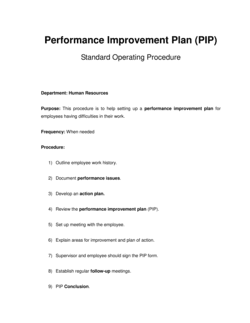
A performance improvement plan (PIP) is a corrective document used when an employee is failing to meet established expectations β€” it sets remediation targets and consequences. An employee training plan is a proactive development tool used for onboarding, upskilling, or role transitions. If training was not provided before issuing a PIP, a training plan should precede or accompany the PIP to address any legitimate skills gap.

vs Employee Development Plan

An employee development plan is a broader, longer-range document covering career goals, stretch assignments, mentoring, and multi-year skill development. A training plan is narrower and more operational β€” it covers a specific skill or knowledge area within a defined timeframe with a measurable outcome. Development plans typically generate a series of individual training plans as execution documents.

vs New Employee Onboarding Checklist

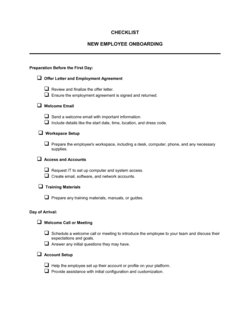
An onboarding checklist tracks administrative tasks β€” equipment setup, system access, policy sign-offs, and introductory meetings. A training plan covers the structured learning program that happens after those logistics are complete. Both are needed for a complete onboarding experience; the checklist manages setup, the training plan manages skill development.

vs Training Evaluation Report

A training evaluation report measures the outcomes of a completed training program β€” retention rates, behavior change, and business impact. A training plan is the forward-looking document that the evaluation report measures against. Effective L&D programs produce both: the plan sets the objectives, the evaluation report determines whether they were met.

Industry-specific considerations

Healthcare

Mandatory credentialing, HIPAA compliance modules, clinical procedure sign-offs, and documented competency verification required for regulatory inspections.

Manufacturing

Equipment operation certification, lockout/tagout safety training, quality control procedures, and OSHA-mandated completion records.

Retail / Hospitality

High-volume new-hire onboarding, point-of-sale system training, customer service standards, and rapid ramp-up schedules to meet seasonal staffing demands.

Professional Services

Billable-skill development, client management methodology training, compliance CPD requirements, and onboarding to firm-specific tools and processes.

Template vs pro β€” what fits your needs?

PathBest forCostTime
Use the templateManagers and HR teams creating training plans for individual employees or small cohorts in standard business rolesFree1–3 hours to complete per plan
Template + professional reviewOrganizations rolling out a department-wide training program or developing a repeatable onboarding track$200–$800 for an L&D consultant review or HR advisor session1–2 days
Custom draftedRegulated industries requiring documented competency frameworks, enterprises building a full learning management system curriculum, or programs tied to compliance certification$2,000–$8,000 for a professional instructional designer2–6 weeks

Glossary

Learning Objective
A specific, measurable statement describing what the trainee will be able to do upon completing a training module or program.
Needs Assessment
A structured analysis that identifies the gap between an employee's current skills or knowledge and what the role requires.
Competency Framework
A defined set of skills, behaviors, and knowledge levels that describe what it looks like to perform a role effectively at each stage.
Kirkpatrick Model
A four-level training evaluation framework measuring reaction, learning, behavior change, and business results.
On-the-Job Training (OJT)
Training delivered in the actual work environment, where the employee learns by performing tasks under supervision or alongside an experienced colleague.
Blended Learning
A training approach that combines self-paced online modules with instructor-led sessions, coaching, or hands-on practice.
Knowledge Check
A short quiz or practical exercise embedded within training to confirm the trainee has retained key concepts before advancing.
Training Milestone
A defined checkpoint within a training plan β€” such as completing a module, passing an assessment, or demonstrating a skill β€” used to track progress.
Subject Matter Expert (SME)
An employee or external specialist with deep expertise in the topic being trained, who contributes content, delivers sessions, or validates materials.
Completion Criteria
The specific conditions that must be met for a training plan to be considered successfully finished β€” such as a minimum assessment score or demonstrated task proficiency.

Part of your Business Operating System

This document is one of 3,000+ business & legal templates included in Business in a Box.

  • Fill-in-the-blanks β€” ready in minutes
  • 100% customizable Word document
  • Compatible with all office suites
  • Export to PDF and share electronically

Create your document in 3 simple steps.

From template to signed document β€” all inside one Business Operating System.
1
Download or open template

Access over 3,000+ business and legal templates for any business task, project or initiative.

2
Edit and fill in the blanks with AI

Customize your ready-made business document template and save it in the cloud.

3
Save, Share, Send, Sign

Share your files and folders with your team. Create a space of seamless collaboration.

Save time, save money, and create top-quality documents.

β˜…β˜…β˜…β˜…β˜…

"Fantastic value! I'm not sure how I'd do without it. It's worth its weight in gold and paid back for itself many times."

Managing Director Β· Mall Farm
Robert Whalley
Managing Director, Mall Farm Proprietary Limited
β˜…β˜…β˜…β˜…β˜…

"I have been using Business in a Box for years. It has been the most useful source of templates I have encountered. I recommend it to anyone."

Business Owner Β· 4+ years
Dr Michael John Freestone
Business Owner
β˜…β˜…β˜…β˜…β˜…

"It has been a life saver so many times I have lost count. Business in a Box has saved me so much time and as you know, time is money."

Owner Β· Upstate Web
David G. Moore Jr.
Owner, Upstate Web

Run your business with a system β€” not scattered tools

Stop downloading documents. Start operating with clarity. Business in a Box gives you the Business Operating System used by over 250,000 companies worldwide to structure, run, and grow their business.

Free Forever PlanΒ Β·Β No credit card required