Job Description Templates

4.7from 280+ reviews Trusted by 20M+ businesses

Write accurate, compliant job descriptions for any role in your organization — in minutes.

WordEditable onlinePDF194+ job description templates

Other Human Resources categories

Project Manager Job Description Template
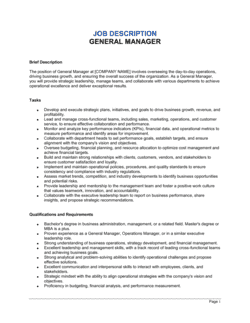
General Manager Job Description Template
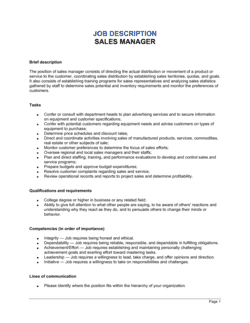
Sales Manager Job Description Template
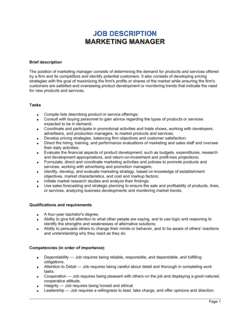
Marketing Manager Job Description Template
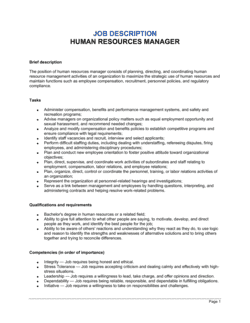
Human Resources Manager Job Description Template
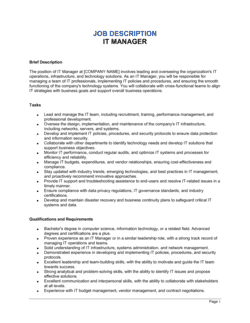
IT Manager Job Description Template
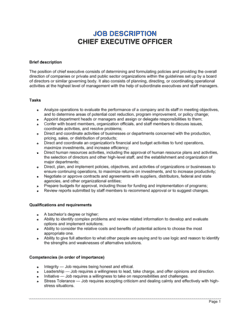
Chief Executive Job Description Template
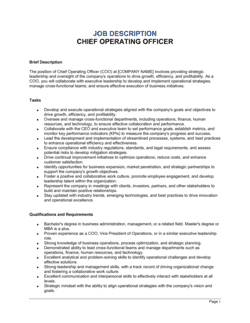
Chief Operating Officer Job Description Template
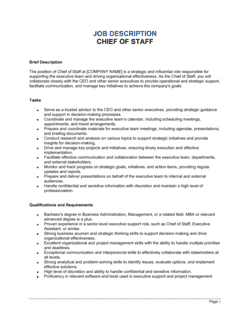
Chief of Staff Job Description Template
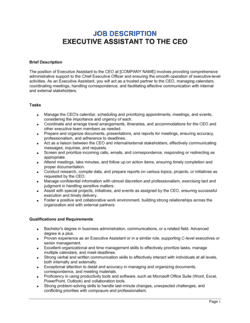
Executive Assistant to the CEO Job Description Template
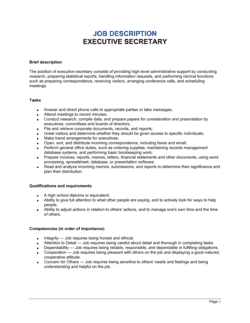
Executive Secretary Job Description Template
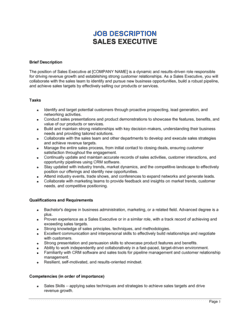
Sales Executive Job Description Template
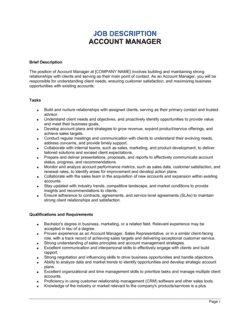
Account Manager Job Description Template
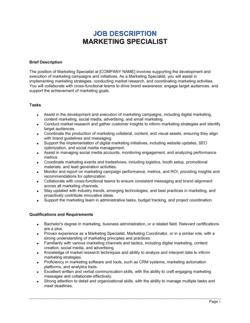
Marketing Specialist Job Description Template
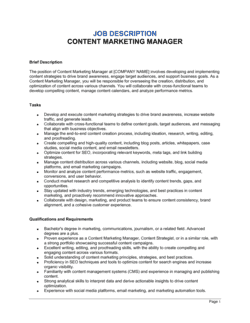
Content Marketing Manager Job Description Template
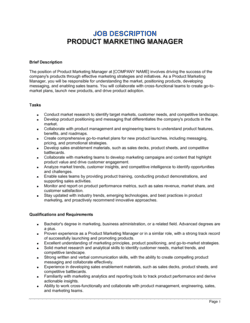
Product Marketing Manager Job Description Template
Social Media Manager Job Description Template
Social Media Marketing Manager Job Description Template
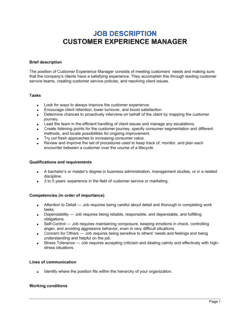
Customer Experience Manager Job Description Template
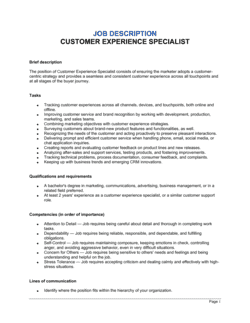
Customer Experience Specialist Job Description Template
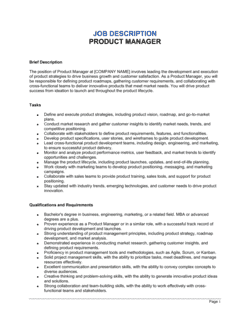
Product Manager Job Description Template
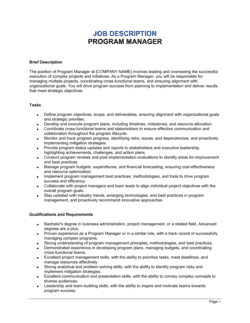
Program Manager Job Description Template
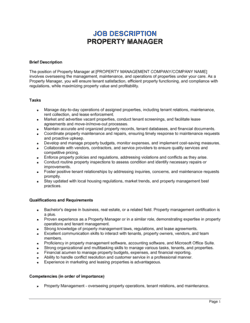
Property Manager Job Description Template
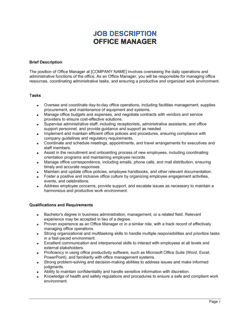
Office Manager Job Description Template
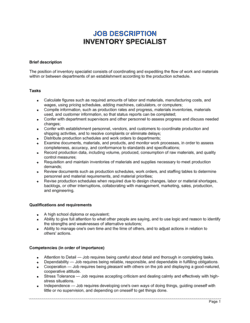
Inventory Specialist Job Description Template
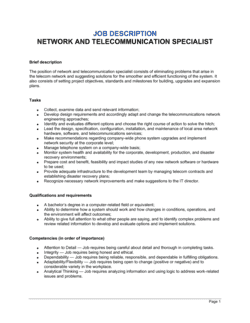
Network & Telecommunication Specialist Job Description Template
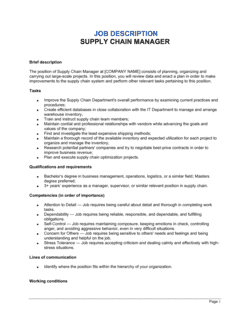
Supply Chain Manager Job Description Template
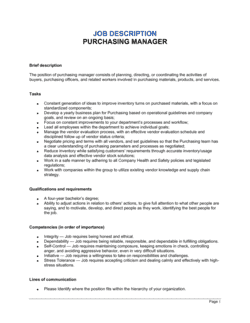
Purchasing Manager Job Description Template
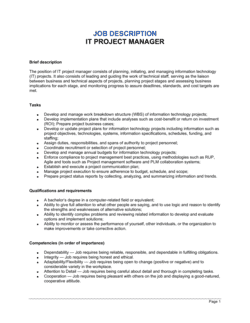
IT Project Manager Job Description Template
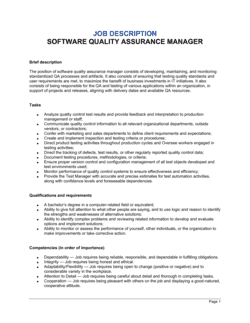
Software Quality Assurance Manager Job Description Template
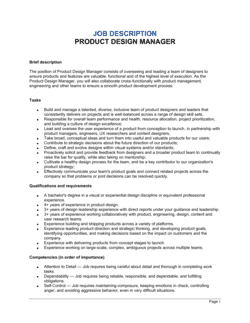
Product Design Manager Job Description Template
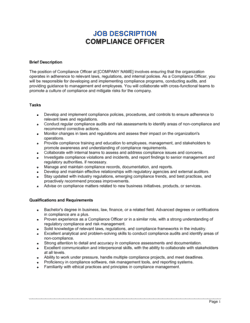
Compliance Officer Job Description Template
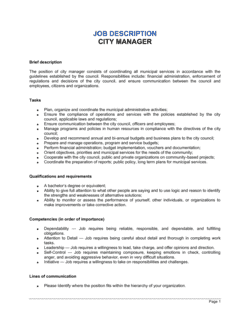
City Manager Job Description Template
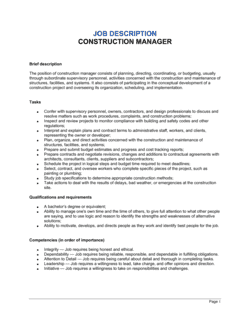
Construction Manager Job Description Template
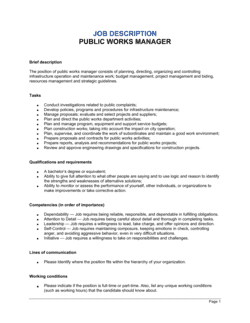
Public Works Manager Job Description Template
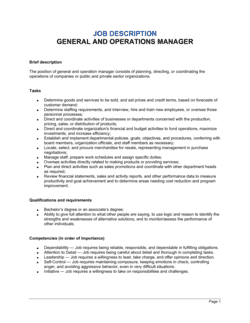
General And Operations Manager Job Description Template
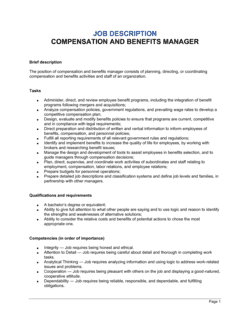
Compensation and Benefits Manager Job Description Template
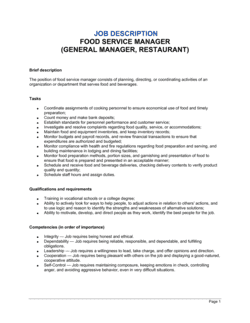
Food Service Manager Job Description Template
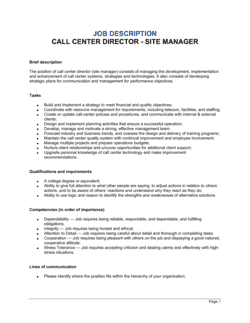
Call Center Director / Site Manager Job Description Template
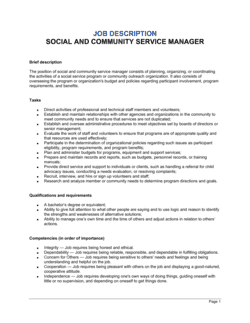
Social & Community Service Manager Job Description Template
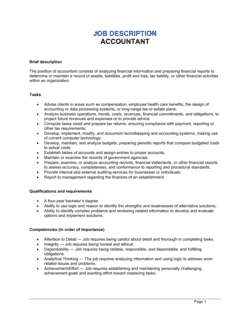
Accountant Job Description Template
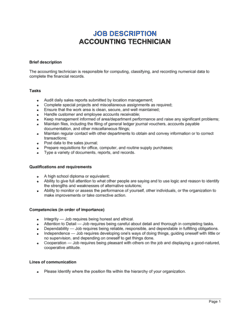
Accounting Technician Job Description Template
Administrative Assistant Job Description Template
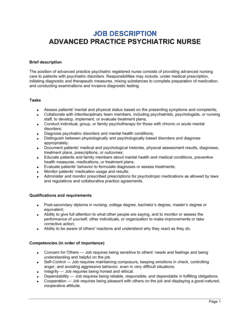
Advanced Practice Psychiatric Registered Nurse Job Description
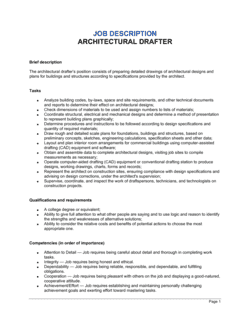
Architectural Drafter Job Description Template
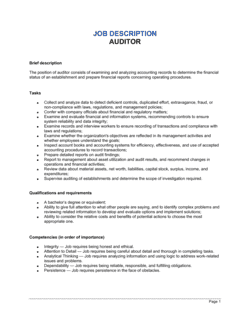
Auditor Job Description Template
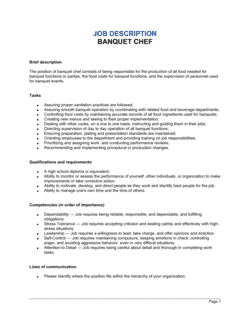
Banquet Chef Job Description Template
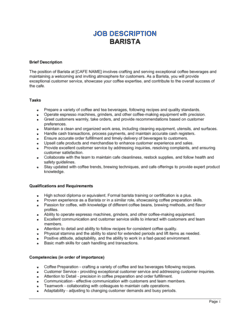
Barista Job Description Template
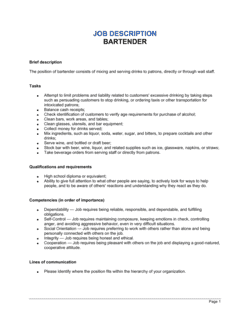
Bartender Job Description Template
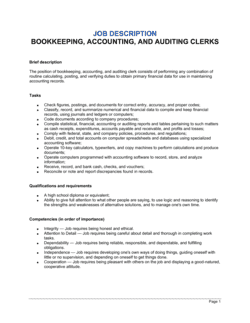
Bookkeeping Accounting & Auditing Clerk Job Description
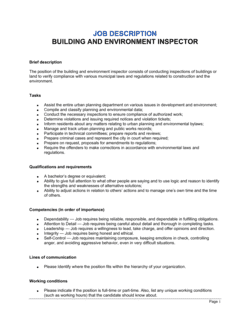
Building And Environment Inspector Job Description Template
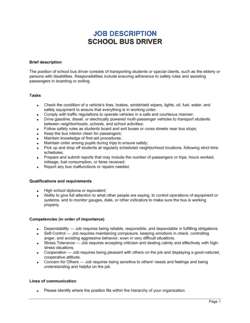
Bus Driver School Job Description Template
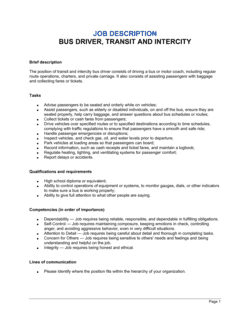
Bus Driver Transit & Intercity Job Description Template
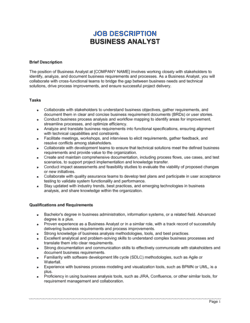
Business Analyst Job Description Template
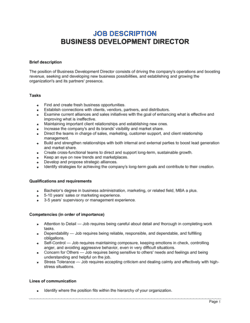
Business Development Director Job Description Template
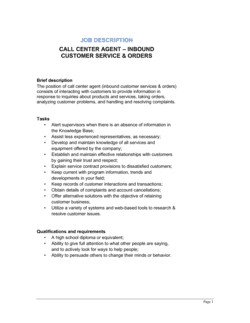
Call Center Agent (Inbound) Job Description — Customer Service & Orders
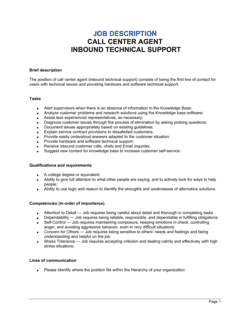
Call Center Agent Inbound Technical Support Job Description
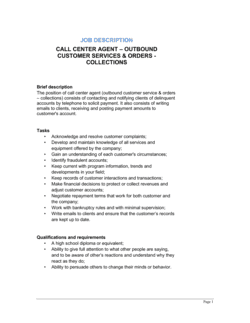
Call Center Agent (Outbound) Job Description — Customer Service & Collection
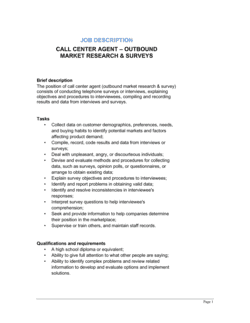
Call Center Agent Outbound Market Research & Surveys Job Description
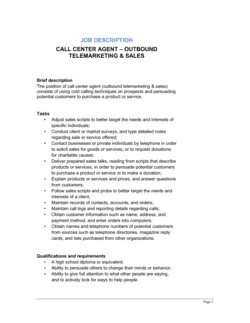
Call Center Agent (Outbound) Job Description — Telemarketing & Sales

Showing 60 of 194 templates

Looking for something else?

Search all 194 templates in this category by name or keyword.

Or browse by category

Business-in-a-Box has all 194 in this category, plus the rest of the library, ready to edit. See what's inside

250K+Clients
20M+Free users
20+Years
190+Countries
10,000+Law firms
50M+Downloads

Trusted across review platforms

  • Capterra★★★★☆4.649 reviews
  • G2★★★★☆4.713 reviews
  • GetApp★★★★☆4.649 reviews
  • Google Play★★★★☆4.6179 ratings
  • Google Reviews★★★★☆4.567 reviews

Frequently asked questions

What should a job description include?
A complete job description should include a role summary, key responsibilities, reporting structure, required and preferred qualifications, core skills and competencies, working conditions, and an equal-opportunity statement. Compensation range is increasingly common and in some jurisdictions legally required on job postings. Templates in this folder include all of these sections, pre-structured and ready to edit.
How long should a job description be?
Most job descriptions run one to two pages, or roughly 400–800 words. C-suite and complex cross-functional roles may run longer. Shorter is generally better: candidates are more likely to read and apply to a focused description than a sprawling one. Focus on the 6–10 most important responsibilities rather than listing every possible task.
Can I use the same job description as a job posting?
You can, but it is more effective to adapt it. A job description is written for internal clarity; a job posting is written to attract candidates. For the posting, trim internal detail, lead with the most compelling aspects of the role, and add information about the company culture and benefits. The job description remains the internal source of record.
Are job descriptions legally required?
In most jurisdictions they are not strictly required, but having documented job descriptions is considered best practice and can be important evidence in discrimination claims, ADA accommodation discussions, FLSA overtime classification decisions, and wrongful termination disputes. Consult an employment lawyer if you are unsure about requirements specific to your jurisdiction or industry.
How often should job descriptions be updated?
Review and update job descriptions at least once a year and any time the role's responsibilities materially change — due to team restructuring, technology changes, or shifting business priorities. Outdated job descriptions create misaligned expectations and complicate performance management.
Should I include a salary range in a job description?
An increasing number of jurisdictions (including several US states and the EU) now require salary ranges on external job postings. Even where not required, including a range reduces time spent on mismatched candidates and signals transparency. For internal job descriptions, the compensation band is useful context for HR and managers.
What's the difference between a job title and a job description?
A job title is the label for the role (e.g., "Product Manager"). A job description is the full document explaining what that person does, who they report to, and what qualifications they need. The title appears at the top of the job description and is also used for organizational charts, payroll records, and business cards.
How do I write a job description for a new role that doesn't exist yet?
Start by defining the business problem the role solves, then work backward to the responsibilities, skills, and experience needed to solve it. Benchmark against similar titles in your industry using salary surveys or job boards. Use a template from this folder that most closely matches the function, then edit the responsibilities to fit your specific context.

Job Description vs. related documents

Job Description vs. Job posting

A job description is an internal HR document that defines a role's responsibilities, qualifications, and organizational context. A job posting is the externally published advertisement derived from it. The posting is typically shorter, benefit-focused, and written to attract candidates; the job description is the authoritative source of record that hiring managers and employees refer to throughout the employment lifecycle.

Job Description vs. Job specification

A job specification focuses exclusively on the candidate — minimum education, years of experience, certifications, and personal attributes required. A job description is broader: it includes the role's purpose, reporting structure, duties, and performance standards in addition to candidate requirements. In practice, most job description templates include a built-in specifications section so you don't need two separate documents.

Job Description vs. Org chart entry

An org chart shows reporting lines and hierarchy. A job description explains what the person in that box actually does every day. Both are needed when onboarding a new hire or restructuring a team — the org chart shows where the role fits; the job description shows what it delivers.

Job Description vs. Employment contract

A job description defines the scope and expectations of a role but is not typically a legally binding commitment on its own. An employment contract creates the legal relationship and typically references or incorporates the job description. Changes to duties should be reflected in both documents.

Key clauses every Job Description contains

Every well-structured job description shares the same core sections, regardless of the role or seniority level.

  • Role summary. A 2–4 sentence overview of the position's purpose and where it sits in the organization.
  • Key responsibilities. A bulleted list of the role's primary duties, typically ordered from most to least time-consuming.
  • Reporting structure. Names the direct supervisor and any positions that report into this role.
  • Required qualifications. Minimum education, certifications, and years of experience a candidate must have.
  • Preferred qualifications. Nice-to-have skills or experience that distinguish stronger candidates without being a hard requirement.
  • Core competencies and skills. Specific technical and interpersonal skills needed to perform the role effectively.
  • Working conditions. Physical requirements, travel expectations, remote or on-site status, and hours.
  • Compensation and benefits overview. Salary range or band and a summary of benefits; often omitted for senior roles but increasingly expected.

How to write a job description

A job description written before recruitment opens becomes the single source of truth for every hiring, onboarding, and performance decision related to that role.

  1. 1

    Start with the role's purpose

    Write one sentence explaining why this job exists and what problem it solves for the organization.

  2. 2

    List the key responsibilities

    Identify the 6–10 tasks that account for 80% of the role's time and output, using action verbs to start each bullet.

  3. 3

    Define the reporting structure

    Name the position this role reports to and any direct reports, so candidates understand the organizational context.

  4. 4

    Set qualification thresholds

    Separate hard requirements (must-haves) from preferred qualifications (nice-to-haves) to avoid filtering out strong candidates unnecessarily.

  5. 5

    Specify required skills and competencies

    Include both technical skills (tools, software, certifications) and relevant interpersonal competencies (communication, leadership, problem-solving).

  6. 6

    Include working conditions and logistics

    State whether the role is remote, hybrid, or on-site; any travel requirements; and physical demands if applicable.

  7. 7

    Add an equal-opportunity statement

    Include a standard EEO statement to signal inclusive hiring practices and, where required, meet legal obligations.

  8. 8

    Review with the hiring manager before posting

    Confirm that the responsibilities and qualifications accurately reflect what the team needs before the description is published or shared with candidates.

At a glance

What it is
A job description is a written document that defines a role's purpose, key responsibilities, reporting relationships, required qualifications, and performance expectations. It is used to attract candidates, set role boundaries, and serve as a reference point during performance reviews.
When you need one
Any time you create a new position, backfill a vacancy, or restructure a team, a job description ensures every candidate and hiring manager starts from the same clear picture of what the role entails.

Which Job Description do I need?

The right template depends primarily on the seniority level and functional area of the role. Match your scenario to the closest option below.

Your situation
Recommended template

Hiring a top executive to lead the entire organization

Covers board relations, organizational strategy, and executive accountability at the highest level.

Filling a second-in-command operations leadership role

Focuses on day-to-day operations oversight, cross-functional coordination, and execution of strategy.

Recruiting a manager to oversee all company or site operations

Balances P&L responsibility, team leadership, and operational performance in a single role.

Posting a role to drive revenue through direct sales activity

Includes quota management, pipeline oversight, and team coaching expectations.

Hiring someone to run brand, content, and campaign activity

Covers campaign planning, budget management, and cross-channel marketing strategy.

Recruiting a project or program delivery leader

Details scope, schedule, budget, and stakeholder management responsibilities.

Defining a technology infrastructure management role

Outlines systems oversight, vendor management, and IT team leadership.

Hiring an HR generalist or department head

Covers recruitment, compliance, employee relations, and benefits administration.

Glossary

Job description
A formal document outlining a role's purpose, responsibilities, qualifications, and organizational context.
Job posting
The externally published advertisement derived from a job description, written to attract candidates.
Job specification
The section of a job description that focuses on the minimum qualifications, skills, and personal attributes required of candidates.
Key responsibilities
The primary duties that define how the role spends the majority of its time and what it is accountable for delivering.
Required qualifications
Non-negotiable minimum credentials — such as a specific degree, certification, or years of experience — that a candidate must have.
Preferred qualifications
Additional credentials or skills that make a candidate more competitive but are not hard requirements for consideration.
Competency
A combination of knowledge, skill, and behavior that enables effective job performance, such as leadership, analytical thinking, or stakeholder management.
Reporting structure
The formal hierarchy defining who a role reports to and which positions, if any, report to that role.
EEO statement
An Equal Employment Opportunity statement affirming that the employer does not discriminate based on protected characteristics.
FLSA classification
The designation of a US employee as exempt or non-exempt under the Fair Labor Standards Act, which determines overtime eligibility and is often informed by job description content.
Working conditions
The physical environment, schedule, travel requirements, and remote or on-site status associated with a role.

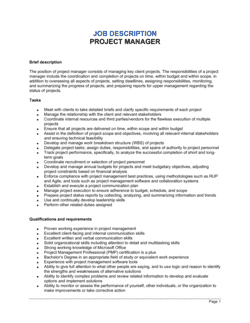
What is a job description?

A job description is a structured document that defines a single role within an organization — its purpose, primary responsibilities, reporting relationships, and the qualifications a candidate must have to perform it effectively. It functions as the authoritative reference point for recruiting, onboarding, compensation benchmarking, and performance management throughout the life of the role. Unlike an org chart, which shows where a role sits, a job description explains what the person in that role actually does and what success looks like.
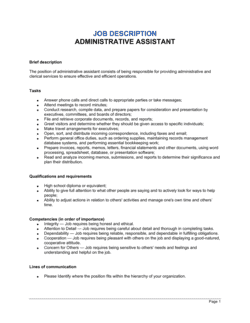
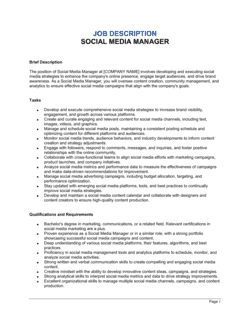
Job descriptions typically apply to one of two situations: creating a brand-new role and defining it from scratch, or updating an existing description to reflect how a role has evolved. Either way, the document serves both internal and external audiences — HR and managers use it to evaluate candidates and set expectations; candidates use it to decide whether to apply and what to prepare for.
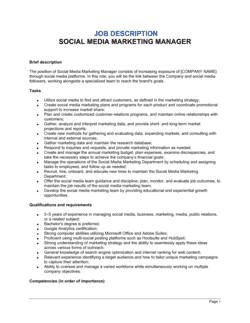
Well-written job descriptions tend to be concise (400–800 words), specific about responsibilities rather than aspirational about traits, and honest about working conditions. They distinguish clearly between requirements a candidate must meet and qualifications that are simply preferred.

When you need a job description

You need a job description any time a role is being filled, restructured, or formally defined for the first time. Without one, hiring managers interview for different things, candidates accept roles with different expectations, and performance conversations lack an agreed baseline.

Common triggers:

  • Opening a new requisition for a role that has not existed before
  • Backfilling a position after a departure, with updated scope
  • Promoting an employee into a new title with expanded responsibilities
  • Restructuring a team and redistributing duties across updated roles
  • Preparing for a compensation review or benchmarking exercise
  • Documenting role expectations before a performance improvement process
  • Meeting legal or HR audit requirements for role documentation

Skipping the job description — or leaving an outdated one in place — creates misaligned hiring decisions, onboarding confusion, and legal exposure when compensation equity or termination decisions are later questioned. A clear, current job description takes under an hour to prepare using a template and can prevent months of downstream problems.

Award-winning platform

  • Great Place to Work 2025
  • BIG Award — Product of the Year 2025
  • Smartest Companies 2025
  • Global 100 Excellence 2026
  • Best of the Best 2025

Create your document in 3 simple steps.

From template to signed document — all inside one Business Operating System.

1
Download or open template

Access over 3,000+ business and legal templates for any business task, project or initiative.

2
Edit and fill in the blanks with AI

Customize your ready-made business document template and save it in the cloud.

3
Share with your team

Share your files and folders with your team. Create a space of seamless collaboration.

Save time, save money, and create top-quality documents.

★★★★★

"Fantastic value! I'm not sure how I'd do without it. It's worth its weight in gold and paid back for itself many times."

Managing Director · Mall Farm
Robert Whalley
Managing Director, Mall Farm Proprietary Limited
★★★★★

"I have been using Business in a Box for years. It has been the most useful source of templates I have encountered. I recommend it to anyone."

Business Owner · 4+ years
Dr Michael John Freestone
Business Owner
★★★★★

"It has been a life saver so many times I have lost count. Business in a Box has saved me so much time and as you know, time is money."

Owner · Upstate Web
David G. Moore Jr.
Owner, Upstate Web

Run your business with a system — not scattered tools

Stop downloading documents. Start operating with clarity. Business in a Box gives you the Business Operating System used by over 250,000 companies worldwide to structure, run, and grow their business.

Start free · No credit card required