Leadership and Management Templates

4.7from 280+ reviews Trusted by 20M+ businesses

Structure your policies, plans, and leadership practices with ready-to-use templates for every management situation.

WordEditable onlinePDF39+ leadership and management templates

Other Administration categories

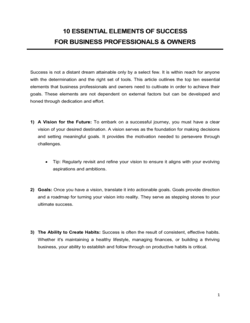
10 Essential Elements of Success Template
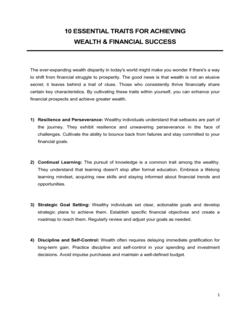
10 Essential Traits For Achieving Wealth And Financial
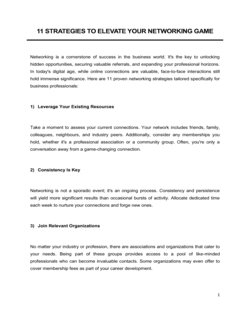
11 Strategies To Elevate Your Networking Game Template
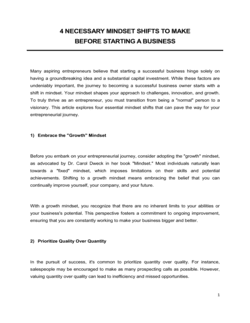
4 Necessary Mindset Shifts Before Starting a Business
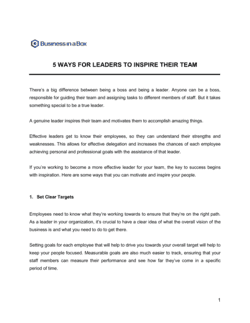
5 Ways For Leaders To Inspire Their Team Template
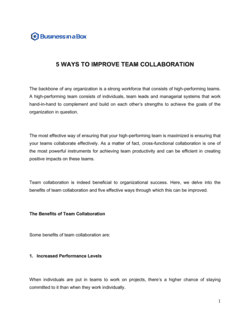
5 Ways To Improve Team Collaboration Template
6 Ways That Billionaires Think Differently
7 Mindsets for Entrepreneurs and Leaders Template
8 Business Departments Template
8 Effective Habits for the Successful Entrepreneur
9 Signs That You Found Your Purpose Template
Business Succession Plan Template
Change Management Guide Template
Checklist For Effective Delegation Template
Delegation Tips for Business Managers Template
Effective Strategies For Business Owners To Combat
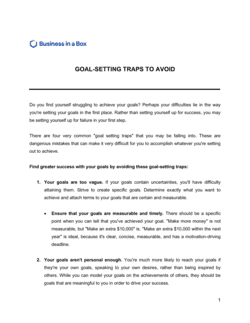
Goal Setting Traps To Avoid Template
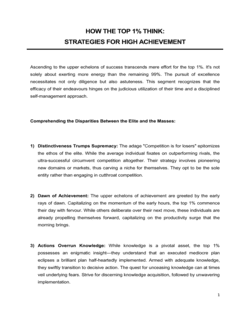
How The Top One Percent Think
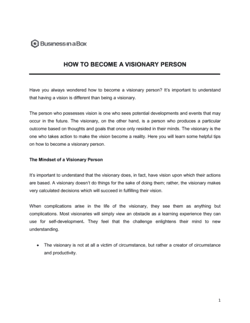
How To Become A Visionary Person Template
How To Cultivate Success Template
How To Delegate Your Team Effectively Template
How To Make The Most Of Having A Personal Assistant
How To Manage Several Departments Template
Introduction to Vision Boards Template
Leadership Skills for Entrepreneurs Guide
Leadership vs Management Explained Template
Leading With Vision Writing Exercise Template
Networking Tips for the Entrepreneur Template
Overcoming Fear of Failure Template
Participative Leadership Agreement Template
Product Management vs Project Management Explained
Quick & Effective Decision Making Template
Roles and Responsibilities Template
Self Development Ideas for Entrepreneurs Template
Success-Hindering Habits Template
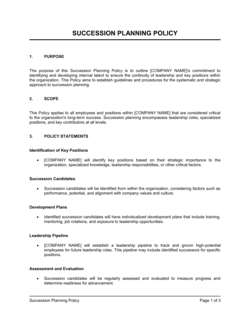
Succession Planning Policy Template
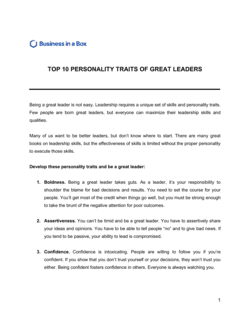
Top 10 Personality Traits of Great Leaders Template
Wealth Mindset Guide Template
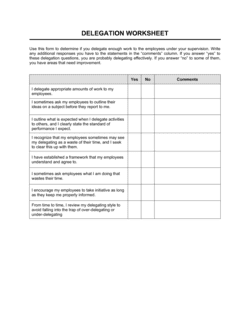
Worksheet Delegation Template
250K+Clients
20M+Free users
20+Years
190+Countries
10,000+Law firms
50M+Downloads

Trusted across review platforms

  • Capterra★★★★☆4.649 reviews
  • G2★★★★☆4.713 reviews
  • GetApp★★★★☆4.649 reviews
  • Google Play★★★★☆4.6179 ratings
  • Google Reviews★★★★☆4.567 reviews

Related categories

Frequently asked questions

What is the difference between leadership and management?
Leadership is the practice of influencing people toward a shared vision or goal; management is the practice of organizing resources, processes, and people to achieve defined outcomes. Leaders set direction; managers ensure execution. In practice, most senior roles require both, and the boundary between the two shifts depending on the situation and organization size. Business in a Box provides templates for both functions within this folder.
What should a leadership development plan include?
A leadership development plan typically includes the individual's current competency baseline, target leadership behaviors or skills, specific development activities (training, stretch assignments, mentoring), a timeline with milestones, and a review mechanism. The plan should be co-created with the individual's manager rather than assigned top-down to be effective.
How often should management policies be reviewed?
Most management policies should be reviewed annually or whenever a significant operational, regulatory, or organizational change occurs. Policies tied to regulated areas — data management, financial controls, vendor management — may require more frequent review to stay compliant. Every policy should include a documented review date and named owner.
What is a management audit and when should I conduct one?
A management audit is a structured review of how well an organization's management systems, processes, and practices are functioning. It typically assesses strategy alignment, resource allocation, decision-making quality, and team performance. Most organizations benefit from a formal management audit annually or when undergoing significant growth, restructuring, or a change in leadership.
What goes into a crisis management plan?
A crisis management plan documents the types of crises the organization may face, the immediate response steps for each, the roles and contacts responsible for leading the response, internal and external communication protocols, and a post-crisis review process. The plan should be tested through tabletop exercises before a real crisis occurs.
Do small businesses need formal management policies?
Yes, though the level of formality can scale with the size of the business. Even a 5-person team benefits from a clear change management process or a financial management policy — informal norms work until they don't. Documented policies reduce confusion, support onboarding, and provide a reference point when disagreements arise. Templates make creating them quick enough to justify the investment at any size.
What is the difference between a project management plan and a project management template?
A project management template is a blank, reusable framework you fill in for each new project. A project management plan is the completed document for a specific project, with actual scope, timelines, team members, and risk details populated. Start with the template; the plan is the output.
How do I choose between a change management plan and a change management policy?
Create a change management policy once to define your organization's standing rules for how changes are approved and communicated. Create a change management plan for each specific change initiative to document the who, what, when, and how for that particular project. Most mature organizations maintain both.

Leadership And Management vs. related documents

Leadership template vs. management template

Leadership templates focus on vision, development, and influence — things like leadership development plans, skills assessments, and style guides. Management templates focus on operational control — policies, audits, project plans, and procedures. Most organizations need both: leadership documents shape culture and direction, while management documents enforce consistency and accountability.

Management policy vs. management procedure

A management policy defines the organization's rules and expectations at a high level — what must be done and why. A management procedure specifies how to carry out those rules step by step. Both are needed: the policy sets the standard, and the procedure ensures consistent execution. Start with the policy, then create the procedure that implements it.

Change management plan vs. change management policy

A change management plan is a project-specific document that outlines how a particular change initiative will be executed — stakeholders, timeline, risks, and communication steps. A change management policy is a standing organizational document that defines the rules and process for handling any change. Create the policy once; create a new plan for each change initiative.

Project management plan vs. task management template

A project management plan covers the full lifecycle of a project: scope, resources, timeline, dependencies, risks, and governance. A task management template is a lighter tool for organizing and tracking individual tasks within a project or workday. Use the plan to govern the project overall and the task template to manage day-to-day execution.

Key clauses every Leadership And Management contains

Most leadership and management documents share a common set of structural elements, regardless of whether they are policies, plans, or assessments.

  • Purpose and scope. States why the document exists and which teams, roles, or situations it applies to.
  • Roles and responsibilities. Identifies who owns, implements, and is accountable for each element of the document.
  • Objectives and goals. Defines the measurable outcomes the policy, plan, or program is designed to achieve.
  • Procedures and steps. Describes the specific actions or processes that must be followed to comply with or execute the document.
  • Review and update cycle. Specifies how often the document should be reviewed and who is responsible for keeping it current.
  • Escalation and exceptions. Defines what happens when normal procedures cannot be followed and who has authority to approve exceptions.
  • Compliance and consequences. Outlines the expectations for adherence and the consequences of non-compliance.
  • Approval and version control. Records who approved the document, when, and tracks changes across versions.

How to write a leadership or management document

Well-structured management documents are specific, actionable, and written for the people who will use them — not for compliance checkboxes alone.

  1. 1

    Define the purpose clearly

    State in one sentence what problem this document solves or what standard it sets.

  2. 2

    Identify the audience and scope

    Name the roles, departments, or situations the document covers so there's no ambiguity about who must follow it.

  3. 3

    Assign ownership and responsibilities

    List who is accountable for each section or action item — use names or role titles, not vague organizational units.

  4. 4

    Write procedures in plain language

    Use numbered steps for processes so readers can follow them without interpretation.

  5. 5

    Set measurable objectives or success criteria

    Tie every goal to a number, a date, or an observable outcome so progress can be tracked.

  6. 6

    Add escalation and exception paths

    Describe what happens when the standard process doesn't apply and who has authority to make exceptions.

  7. 7

    Schedule reviews and record approvals

    Establish a review cadence — annually for most policies — and record approval signatures with dates.

At a glance

What it is
Leadership and management templates are pre-structured documents that help organizations define policies, plan initiatives, assess capabilities, and guide teams through operational, strategic, and organizational challenges. They cover everything from change management procedures to leadership development plans and management performance evaluations.
When you need one
Any time you're formalizing a management process, launching a leadership initiative, or documenting an organizational policy, a template saves setup time and ensures nothing critical is missed.

Which Leadership And Management do I need?

The right template depends on whether you're building leadership capability, formalizing a management policy, planning a specific initiative, or evaluating performance. Pick the scenario closest to yours.

Your situation
Recommended template

Mapping a growth path for a manager or emerging leader

Provides structured goals, milestones, and competency areas for individual development.

Guiding an organization through a major operational change

Covers stakeholder communication, risk, and transition steps in one document.

Preparing for a business disruption or emergency scenario

Defines roles, escalation paths, and response steps before a crisis occurs.

Managing a multi-task project across a team

Organizes scope, timeline, resources, and accountability in a single plan.

Evaluating a manager's or leader's current skill level

Scores core leadership competencies to identify strengths and development gaps.

Reviewing how well management processes are working

Structured checklist format to audit management systems and surface weaknesses.

Setting a company-wide policy for handling vendor relationships

Establishes standards for onboarding, evaluating, and managing third-party suppliers.

Establishing rules for how financial data and budgets are managed

Defines budget approval authority, spending controls, and financial reporting expectations.

Glossary

Management policy
A formal document that states an organization's rules, standards, and expectations for a specific operational area.
Leadership development plan
A structured document outlining the skills, activities, and milestones designed to build a person's leadership capabilities over time.
Change management
The structured approach to transitioning individuals, teams, or organizations from a current state to a desired future state.
Management audit
A systematic review of an organization's management processes and systems to assess effectiveness and identify gaps.
Crisis management plan
A pre-established document that outlines how an organization will respond to an emergency or unexpected disruptive event.
Scope of authority
The defined boundaries of a manager's or leader's decision-making power within an organization.
Escalation path
The defined chain of people or steps to follow when a problem exceeds the authority or capacity of the person who first encounters it.
Version control
The practice of tracking changes to a document over time, including who made changes, when, and what was changed.
Key performance indicator (KPI)
A measurable value used to evaluate how effectively a person, team, or organization is achieving a defined objective.
Stakeholder
Any individual, team, or organization with an interest in or affected by a management decision or initiative.
Compliance
Adherence to internal policies, external regulations, or contractual obligations applicable to the organization.

What is a leadership and management template?

A leadership and management template is a pre-structured document that helps organizations define how they lead people, govern processes, and manage resources consistently across teams and functions. These templates range from high-level policy documents — such as a financial management policy or a vendor management policy — to hands-on operational tools like project management plans, change management procedures, and leadership development plans. Rather than building each document from scratch, organizations use templates to establish a reliable structure and fill in the specifics that apply to their situation.
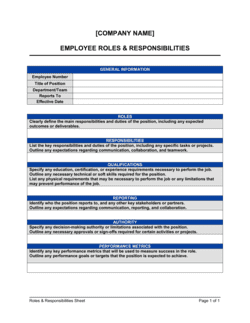
Leadership and management documents serve two distinct but related purposes. Leadership documents shape how an organization develops, evaluates, and supports the people responsible for guiding teams — covering things like leadership competency assessments, development plans, and meeting agendas. Management documents govern the processes those leaders oversee — covering change management, financial controls, vendor relationships, records retention, and crisis response. Most mature organizations maintain both types and review them on a regular cadence.

When you need a leadership or management template

The need for a formal leadership or management document typically arises when informal practices start to produce inconsistent results — when a process breaks down, when a new manager doesn't know the standards, or when an audit or incident exposes a gap. The earlier you document your management framework, the less you'll rely on institutional memory that leaves with people.

Common triggers:

  • A new manager is onboarded and needs to understand the organization's standards and expectations
  • A change initiative is underway and stakeholders need a plan to follow
  • A crisis or near-miss exposes the absence of a documented response procedure
  • A vendor relationship has grown complex enough to require a formal policy
  • An executive team wants to assess and develop leadership capability across the organization
  • A growing company is standardizing its financial, data, or asset management practices for the first time
  • An audit — internal or external — requires evidence of documented management controls
  • A remote or distributed team needs structured tools to stay aligned without daily in-person contact

Without documented policies, plans, and frameworks, management depends entirely on individual judgment — which varies, scales poorly, and disappears when people leave. A library of well-maintained leadership and management templates gives your organization a consistent foundation to operate from, regardless of who is in the room.

Award-winning platform

  • Great Place to Work 2025
  • BIG Award — Product of the Year 2025
  • Smartest Companies 2025
  • Global 100 Excellence 2026
  • Best of the Best 2025

Create your document in 3 simple steps.

From template to signed document — all inside one Business Operating System.
1
Download or open template

Access over 3,000+ business and legal templates for any business task, project or initiative.

2
Edit and fill in the blanks with AI

Customize your ready-made business document template and save it in the cloud.

3
Save, Share, Send, Sign

Share your files and folders with your team. Create a space of seamless collaboration.
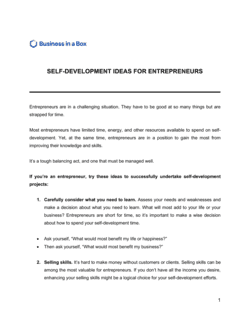
Save time, save money, and create top-quality documents.
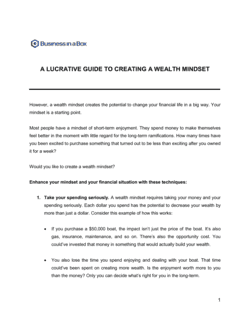
★★★★★

"Fantastic value! I'm not sure how I'd do without it. It's worth its weight in gold and paid back for itself many times."

Managing Director · Mall Farm
Robert Whalley
Managing Director, Mall Farm Proprietary Limited
★★★★★

"I have been using Business in a Box for years. It has been the most useful source of templates I have encountered. I recommend it to anyone."

Business Owner · 4+ years
Dr Michael John Freestone
Business Owner
★★★★★

"It has been a life saver so many times I have lost count. Business in a Box has saved me so much time and as you know, time is money."

Owner · Upstate Web
David G. Moore Jr.
Owner, Upstate Web

Run your business with a system — not scattered tools

Stop downloading documents. Start operating with clarity. Business in a Box gives you the Business Operating System used by over 250,000 companies worldwide to structure, run, and grow their business.

Free Forever Plan · No credit card required