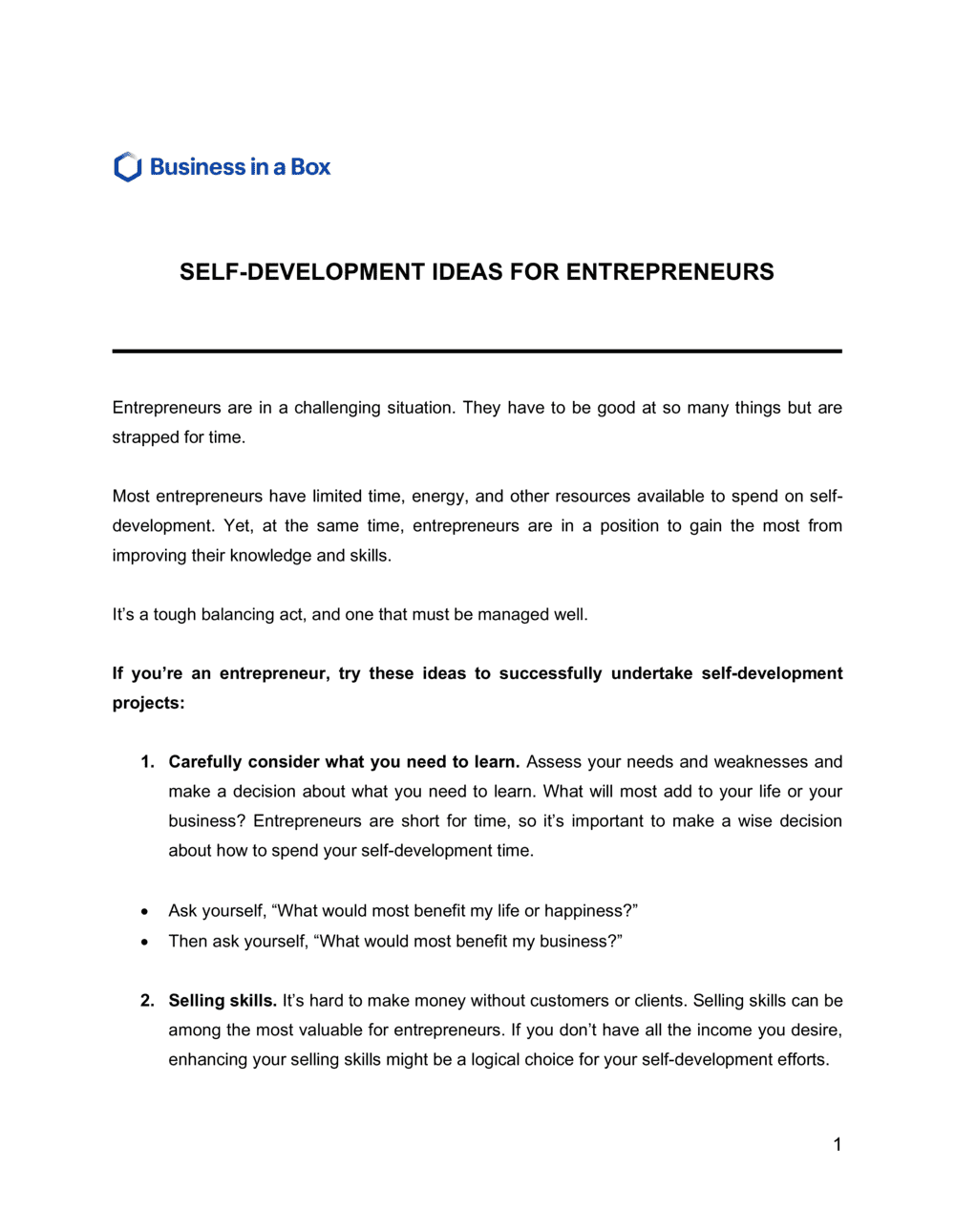
Self Development Ideas For Entrepreneurs Template

Free download • Use as a template • Print or share

3 pages20–30 min to useDifficulty: StandardSignature requiredLegal review recommended
Learn more ↓
FreeSelf Development Ideas For Entrepreneurs Template

At a glance

What it is
A Self Development Ideas for Entrepreneurs template is a structured planning document that helps business owners identify skill gaps, set measurable personal growth goals, and map out the actions, timelines, and accountability mechanisms needed to achieve them. This free Word download gives you a ready-to-edit framework you can complete online and export as PDF for personal use, coach review, or board-level accountability.
When you need it
Use it at the start of a new business year, following a significant operational setback, before a funding round that will require new leadership competencies, or whenever you recognize that your personal growth trajectory has fallen behind your company's growth demands.
What's inside
The template covers a personal vision and values statement, a current-state skills assessment, prioritized development goals with SMART criteria, a structured action plan with milestones and resources, a reflection and review cycle, and an accountability commitment section with a signature block for coach or mentor endorsement.

What is a Self Development Ideas for Entrepreneurs Template?

A Self Development Ideas for Entrepreneurs template is a structured planning and accountability document that helps business owners move from vague growth intentions to specific, measurable personal development commitments. It combines a personal vision statement, a scored skills gap analysis, SMART development goals, a detailed action plan with milestones and resources, and a formal accountability structure — including a signature block for coach or mentor endorsement. Unlike a generic self-improvement checklist, this template is designed around the specific competency demands of running and scaling a business, linking every development goal directly to a documented business need.

Why You Need This Document

The most common limiting factor in a growing business is not the market, the product, or the capital — it is the founder's own capability gaps operating as invisible constraints on every decision the company makes. Without a written, signed development plan, personal growth remains aspirational: courses are started and not finished, coaching insights evaporate within weeks, and the same leadership patterns that created last year's problems resurface in next year's crises. A completed and signed self development plan creates the accountability structure that transforms intention into follow-through — giving you a concrete record of what you committed to, how you are tracking against it, and who is holding you to it. For entrepreneurs working with investors, boards, or succession planning advisors, a documented development plan also demonstrates the self-awareness and operational discipline that inspires confidence in your leadership capacity. This template gives you the framework to build that plan in a single session.

Which variant fits your situation?

If your situation is…Use this template
Mapping personal growth goals to company OKRs for the fiscal yearPersonal Development Plan
Coaching clients through structured quarterly development reviewsBusiness Coaching Agreement
Documenting leadership competencies ahead of a board reviewLeadership Development Plan
Setting 90-day skill-building priorities after a business pivot90-Day Action Plan
Aligning a team of co-founders on individual growth responsibilitiesCo-Founder Agreement
Tracking progress on a formal mentorship engagementMentorship Agreement
Building a succession plan tied to founder development milestonesBusiness Succession Plan

Common mistakes to avoid

❌ Setting goals based on trends rather than personal gaps

Why it matters: Choosing goals because they are popular — mindfulness, AI literacy, public speaking — without linking them to a specific business need wastes development time and produces no measurable improvement in performance.

Fix: Start every goal from the skills gap analysis. If a goal does not directly address a scored gap or a documented business need, remove it from the plan.

❌ No specific accountability structure

Why it matters: A self-development plan without a named accountability partner and scheduled reviews has a documented follow-through rate below 20%. Good intentions without external commitment structures decay within 4–6 weeks.

Fix: Name a specific person, agree on a review frequency of at least monthly, and schedule the first three review meetings before signing the document.

❌ Treating the plan as a one-time document

Why it matters: A development plan completed in January and never revisited is a list of abandoned resolutions, not a growth tool. Business conditions, priorities, and the entrepreneur's own insights change quarterly.

Fix: Build a formal quarterly review into the plan structure itself, with a specific date and the question set you will use to evaluate progress and adjust goals.

❌ Confusing activity with progress

Why it matters: Recording hours spent reading or attending courses without documenting how the learning was applied to a real business situation creates the illusion of development without the substance.

Fix: For every learning resource completed, require a written reflection entry that documents a specific application, the outcome, and the behavior change it produced.

❌ Undercommitting on time and budget

Why it matters: Allocating 30 minutes per week to personal development while running a scaling business signals that development is aspirational rather than operational — and the plan reflects it.

Fix: Calculate a realistic minimum: most high-performing entrepreneurs invest 5–10% of their working hours in structured development. Enter a specific number of hours per week and protect it in your calendar.

❌ Skipping the vision and values section

Why it matters: Without a personal vision anchor, development goals drift toward whatever is tactically urgent — producing a reactive learning agenda rather than a coherent path toward the entrepreneur you intend to become.

Fix: Complete the vision and values section before any other part of the plan. Every goal and resource choice should pass the test: does this bring me closer to the person described in that statement?

The 9 key clauses, explained

Personal vision and values statement

In plain language: Defines the entrepreneur's long-term purpose and the core values that will guide both personal decisions and business leadership.

Sample language
[ENTREPRENEUR NAME] commits to building a business that [MISSION STATEMENT], guided by the values of [VALUE 1], [VALUE 2], and [VALUE 3], and to developing the personal capabilities that make this mission sustainable.

Common mistake: Copying a company mission statement word-for-word instead of writing a genuinely personal statement — the result is generic and provides no useful anchor for development decisions.

Current-state skills assessment

In plain language: A structured self-evaluation of existing strengths and gaps across the key competency areas required for the entrepreneur's specific growth stage.

Sample language
As of [DATE], [ENTREPRENEUR NAME] rates current proficiency in [SKILL AREA] at [X]/10, based on [SPECIFIC EVIDENCE]. Key gaps identified: [GAP 1], [GAP 2].

Common mistake: Rating competencies without citing specific evidence — an unsupported self-score is meaningless and leads to goals that address the wrong gaps.

Prioritized development goals

In plain language: A ranked list of 3–5 SMART goals that address the highest-priority skill gaps identified in the assessment, with clear success criteria.

Sample language
Goal 1: By [DATE], increase proficiency in [SKILL] from [CURRENT LEVEL] to [TARGET LEVEL], as evidenced by [MEASURABLE OUTCOME]. Priority rationale: [BUSINESS IMPACT STATEMENT].

Common mistake: Setting more than five development goals at once — spreading attention across too many areas results in marginal progress on all of them rather than meaningful gains in the one or two that matter most.

Structured action plan

In plain language: The specific steps, learning resources, and scheduled activities the entrepreneur will undertake to achieve each development goal.

Sample language
To achieve Goal [X], [ENTREPRENEUR NAME] will: (1) complete [COURSE/BOOK/PROGRAM] by [DATE]; (2) apply learning through [STRETCH ASSIGNMENT] by [DATE]; (3) seek feedback from [ACCOUNTABILITY PARTNER] at [FREQUENCY].

Common mistake: Listing resources (books, courses) without specifying how learning will be applied in practice — consumption without application produces no measurable skill change.

Timeline and milestones

In plain language: A dated schedule of checkpoints confirming progress toward each development goal, with specific deliverables or observable behaviors at each milestone.

Sample language
Milestone 1 — [DATE]: [DELIVERABLE OR OBSERVABLE BEHAVIOR]. Milestone 2 — [DATE]: [DELIVERABLE OR OBSERVABLE BEHAVIOR]. Final review — [DATE]: [SUCCESS CRITERION].

Common mistake: Setting milestones only at the end of the development period — without interim checkpoints, there is no mechanism to detect and correct drift before the plan fails.

Accountability and review mechanism

In plain language: Defines who the accountability partner is, how often reviews occur, and what format those reviews take — ensuring development commitments are tracked rather than forgotten.

Sample language
[ENTREPRENEUR NAME] will review progress with [ACCOUNTABILITY PARTNER NAME / ROLE] on a [MONTHLY / QUARTERLY] basis using the review template in Schedule A. Review sessions will be held on [DAY/TIME] and outcomes recorded in writing.

Common mistake: Naming an accountability partner in the document without confirming their agreement to the role — an accountability partner who has not explicitly committed provides no real accountability.

Resource and investment commitment

In plain language: Documents the time, money, and access to people the entrepreneur commits to investing in their development over the plan period.

Sample language
[ENTREPRENEUR NAME] commits to investing [X hours/week] in development activities and a total budget of $[AMOUNT] per [PERIOD] for courses, coaching, events, and materials during [PLAN PERIOD].

Common mistake: Leaving the resource commitment blank or vague — without a specific time and budget allocation, development activities are the first thing cut when business pressures intensify.

Reflection and learning log

In plain language: A recurring record of insights, experiments, and adjusted behaviors that the entrepreneur completes after each significant development activity or milestone review.

Sample language
On [DATE], I applied [SKILL/CONCEPT] to [SPECIFIC SITUATION]. The outcome was [RESULT]. Key insight: [LEARNING]. Adjustment for next application: [BEHAVIOR CHANGE].

Common mistake: Treating the log as optional — entrepreneurs who skip structured reflection revert to prior behaviors within weeks of completing a course or coaching engagement.

Signature and commitment block

In plain language: A formal acknowledgment by the entrepreneur — and optionally their coach or mentor — that the plan has been reviewed and the commitments are accepted.

Sample language
I, [ENTREPRENEUR NAME], commit to the development goals, actions, and review process set out in this plan as of [DATE]. Signed: _______________ Date: _______________. Reviewed and acknowledged by: [COACH/MENTOR NAME] _______________ Date: _______________.

Common mistake: Treating the signature block as ceremonial — research consistently shows that written, signed commitments increase follow-through rates significantly compared to unsigned intention lists.

How to fill it out

  1. 1

    Write your personal vision and values statement

    Draft a 2–3 sentence statement that captures your long-term purpose as an entrepreneur and the 2–3 values you want to guide your leadership. Keep it specific to you — not your company's mission.

    💡 Read it aloud before finalizing. If it could apply equally to any other entrepreneur, it is not specific enough to anchor meaningful decisions.

  2. 2

    Complete the skills gap assessment

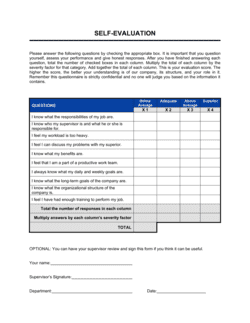
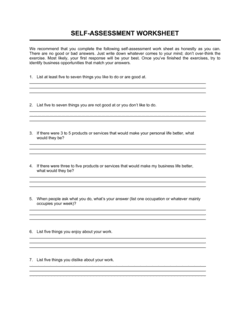
    Score yourself on 6–10 competency areas relevant to your current growth stage (e.g., financial literacy, sales leadership, team management, strategic thinking). For each score, write one sentence of evidence.

    💡 Ask one trusted peer or advisor to score you independently on the same competencies — the gap between their scores and yours is often more informative than the scores themselves.

  3. 3

    Select and rank your top 3–5 development goals

    From the gap analysis, identify the 3–5 areas where improvement would have the greatest business impact. Write each as a SMART goal with a specific target level, success criterion, and deadline.

    💡 Rank them by business impact, not personal preference. The goal that feels most uncomfortable is usually the one that will move the needle most.

  4. 4

    Build the action plan for each goal

    For each goal, list specific learning resources, a stretch assignment where you will apply the skill, and the feedback mechanism. Assign a completion date to each activity.

    💡 Limit each goal to no more than three active learning resources at any time — working through one resource deeply outperforms skimming five.

  5. 5

    Set interim milestones with observable outputs

    Divide each goal's timeline into 2–3 checkpoints. At each checkpoint, define a specific, observable behavior or deliverable — not just 'continue reading' but 'delivered first investor pitch using new framework.'

    💡 Build milestone dates into your calendar immediately after completing this step. Undated milestones are intentions, not commitments.

  6. 6

    Confirm your accountability partner and review schedule

    Name a specific coach, mentor, or peer. Reach out to confirm their agreement to the accountability role before signing the document. Enter the agreed review dates and format.

    💡 The best accountability partners are people who will tell you the truth when you are behind — choose challenge over comfort.

  7. 7

    Record your resource and time commitment

    Enter the specific number of hours per week and the dollar budget you are allocating to development activities for the plan period. Treat this as a non-negotiable business expense.

    💡 Block your development time in your calendar as recurring appointments. Time that is not protected is the first time lost to operational urgency.

  8. 8

    Sign the commitment block and share with your accountability partner

    Sign and date the document, have your accountability partner countersign, and provide them with a copy. File the signed original somewhere you will see it regularly.

    💡 Scheduling the first review meeting on the same day you sign the document dramatically increases the likelihood you will actually hold it.

Frequently asked questions

What is a self development plan for entrepreneurs?

A self development plan for entrepreneurs is a structured document that helps a business owner identify personal skill gaps, define measurable growth goals, and map out the specific actions, resources, and timelines needed to close those gaps. Unlike a business plan, it focuses on the entrepreneur's own capabilities — leadership, financial literacy, resilience, communication — rather than the company's strategy. It functions as both a personal roadmap and an accountability tool when shared with a coach or mentor.

Why do entrepreneurs need a formal self development plan?

The most common constraint on a growing business is not the market or the product — it is the founder's own capabilities. A formal plan forces the entrepreneur to identify specific gaps rather than learning reactively, allocate real time and budget to development, and create accountability structures that increase follow-through. Research on adult learning consistently shows that written, signed commitments with scheduled reviews produce significantly higher goal completion rates than informal intentions.

What self development areas should entrepreneurs focus on?

The highest-impact areas vary by business stage. Early-stage founders typically benefit most from sales skills, financial literacy, and hiring fundamentals. Growth-stage CEOs generally need to develop strategic delegation, board communication, and organizational design. Across all stages, emotional regulation, decision-making under uncertainty, and the ability to receive and act on critical feedback consistently distinguish high-performing entrepreneurs from their peers.

How is a self development plan different from a business plan?

A business plan maps the strategy, market, and financials of the company. A self development plan maps the growth of the person running it. The two are closely linked — the competencies the entrepreneur needs to develop should flow directly from the demands of the business plan — but they serve different audiences and different accountability structures. Many investors and boards now request both.

How long should a self development plan cover?

A 12-month horizon with quarterly review checkpoints is the most practical structure for most entrepreneurs. Shorter plans — 90 days — work well for focused skill-building after a specific trigger event, such as a business pivot or a new funding round. Longer plans — 3 years — are useful for mapping a leadership transition or succession preparation but require more frequent recalibration as business conditions change.

Do I need a coach or mentor to use this template?

The template is designed to be completed independently, but the accountability and review sections work best when a specific coach, mentor, or peer is named and engaged before signing. An accountability partner is not required to make the document useful — but research consistently shows that external accountability structures double or triple goal completion rates compared to self-directed plans alone.

How often should I review my self development plan?

At minimum, a quarterly review — approximately every 90 days — is necessary to assess progress, update milestone status, and adjust goals that have become irrelevant due to business changes. Monthly check-ins with an accountability partner are more effective for high-growth environments where priorities shift rapidly. An annual full review should reassess the skills gap scoring, update the vision statement if needed, and set the next 12 months of goals.

Can this template be used as part of a formal coaching engagement?

Yes. The template is designed to function as the planning and accountability document for a formal coaching relationship. The signature block supports mutual commitment from both the entrepreneur and the coach or mentor. Coaches typically use the skills assessment and milestone sections as the basis for session agendas, and the reflection log as the primary input for progress reviews. The document should be treated as a living record throughout the engagement rather than a one-time deliverable.

What is the difference between self development and professional development for entrepreneurs?

Professional development typically refers to formal credentials, certifications, and industry-specific technical skills. Self development is broader — it encompasses leadership mindset, emotional intelligence, decision-making quality, communication style, and personal resilience alongside technical competencies. For entrepreneurs, the distinction matters because the factors that most often limit business growth are in the self-development category, not the professional development one.

How this compares to alternatives

vs Personal Development Plan

A personal development plan is a general-purpose growth document used in employment and educational contexts. The Self Development Ideas for Entrepreneurs template is specifically structured around the skill demands of business ownership — incorporating a business-impact rationale for each goal, a resource investment commitment, and an accountability structure suited to a founder operating without a manager. Use the entrepreneur-specific template when your development goals are driven by business growth requirements rather than career advancement within an organization.

vs Business Plan

A business plan maps the strategy, market opportunity, and financials of the company. A self development plan maps the growth of the person running it. The two documents are closely linked — the competencies identified as gaps in the self development plan should reflect the demands documented in the business plan — but they serve different purposes and different audiences. High-performing founders typically maintain both in parallel.

vs Business Coaching Agreement

A business coaching agreement is a formal contract between an entrepreneur and a professional coach that defines scope, fees, confidentiality, and engagement terms. The self development plan is the content document that the coaching engagement works from — it defines the goals and commitments the coach helps the entrepreneur pursue. The coaching agreement governs the relationship; the development plan governs the work.

vs Strategic Plan

A strategic plan defines the company's 3–5 year objectives, competitive positioning, and resource allocation. A self development plan focuses on the entrepreneur's personal capabilities. The distinction matters because organizational strategy and founder capability are separate constraints — a sound strategic plan does not guarantee the founder has the skills to execute it. Both documents are necessary and should be developed in conversation with each other.

Industry-specific considerations

Technology / SaaS

Technical founders use the template to build the people-leadership and investor-communication skills their product expertise does not develop — areas that become critical at the Series A stage.

Professional Services

Consultants and agency owners use it to develop business development, pricing confidence, and team management competencies as they move from solo practice to firm-building.

Retail / E-commerce

Retail entrepreneurs focus development goals on inventory management discipline, margin analysis literacy, and customer experience design as they prepare to scale from one location or channel to multiple.

Healthcare

Clinical entrepreneurs transitioning from practitioner to practice owner use the template to build operational and financial management skills while maintaining the professional development required by licensing bodies.

Manufacturing

Manufacturing founders use the plan to develop supply chain negotiation, quality systems thinking, and workforce management competencies as headcount and complexity grow beyond what informal leadership can manage.

Food & Beverage

Restaurant and CPG entrepreneurs use the template to develop financial controls literacy and brand positioning skills — areas where founder knowledge gaps most commonly cause otherwise viable businesses to fail.

Jurisdictional notes

United States

Self development plans are not governed by federal or state law in most contexts, but when incorporated into employment agreements, executive compensation structures, or equity vesting conditions, they may create enforceable obligations under contract law. Entrepreneurs using the plan as part of a formal coaching arrangement should ensure the coaching agreement separately addresses confidentiality and scope. California's broad professional restrictions mean any development commitment tied to a non-compete should be reviewed by counsel.

Canada

In Canada, personal development commitments tied to business agreements — such as succession plans or shareholder agreements — may be referenced in legally binding documents subject to provincial contract law. Quebec's civil law framework differs from common-law provinces; any development plan incorporated by reference into a formal agreement should be reviewed by a Quebec-licensed lawyer if the entrepreneur operates there. Privacy obligations under PIPEDA apply if coaching or development records contain personal information shared with third parties.

United Kingdom

In the UK, personal development plans are widely used in formal director onboarding and executive accountability frameworks. When used as part of a board-level accountability process, the plan may be referenced in service agreements or shareholder documents subject to Companies Act obligations. ICO data protection requirements apply if development records are shared with third-party coaches or advisors outside the business. A signed development plan does not, on its own, create legally enforceable obligations under UK contract law unless incorporated into a broader agreement.

European Union

GDPR applies to any personal development records that include personal data shared with coaches, advisors, or third-party platforms — particularly where those parties are based outside the EU. Member state employment and company law varies significantly; entrepreneurs in France, Germany, or the Netherlands who incorporate development commitments into director service agreements should have those agreements reviewed under local law. The EU's emphasis on continuous professional development in regulated industries means development plans may carry additional weight in licensing and compliance contexts in sectors such as financial services and healthcare.

Template vs lawyer — what fits your deal?

PathBest forCostTime
Use the templateIndividual entrepreneurs completing a personal development plan for self-directed or coach-supported useFree2–4 hours to complete
Template + legal reviewEntrepreneurs using the plan as part of a formal coaching engagement or board accountability process$150–$500 for a coaching session or advisor review1–3 days including review and revision
Custom draftedExecutive development plans tied to equity vesting, investor commitments, or formal succession agreements requiring legal enforceability$1,000–$3,0001–2 weeks

Glossary

SMART Goals
Goals that are Specific, Measurable, Achievable, Relevant, and Time-bound — a framework that converts vague intentions into trackable commitments.
Skills Gap Analysis
A structured comparison between the competencies an entrepreneur currently has and those required to achieve a defined business or personal objective.
Growth Mindset
The belief that abilities and intelligence can be developed through effort, feedback, and deliberate practice — as opposed to viewing them as fixed traits.
Accountability Partner
A coach, mentor, peer, or advisor who reviews progress against stated development commitments and provides structured feedback at agreed intervals.
Deliberate Practice
Focused, structured effort to improve a specific skill, guided by immediate feedback — distinct from general experience or repetition.
Personal Vision Statement
A 1–3 sentence declaration of the entrepreneur's long-term purpose, values, and the impact they intend to create through their work.
Milestone
A specific, dated checkpoint within a development plan that confirms meaningful progress toward a larger goal — not just activity, but a tangible output.
Reflective Practice
A structured habit of reviewing actions and outcomes against stated intentions, used to extract learning and adjust future behavior.
Core Competency
A skill or capability that is central to an entrepreneur's ability to lead and grow their business — as distinct from general business knowledge.
Development Resource
Any input used to build a target competency — including courses, books, coaching sessions, peer groups, or on-the-job stretch assignments.

Part of your Business Operating System

This document is one of 3,000+ business & legal templates included in Business in a Box.

  • Fill-in-the-blanks — ready in minutes
  • 100% customizable Word document
  • Compatible with all office suites
  • Export to PDF and share electronically

Create your document in 3 simple steps.

From template to signed document — all inside one Business Operating System.
1
Download or open template

Access over 3,000+ business and legal templates for any business task, project or initiative.

2
Edit and fill in the blanks with AI

Customize your ready-made business document template and save it in the cloud.

3
Save, Share, Send, Sign

Share your files and folders with your team. Create a space of seamless collaboration.

Save time, save money, and create top-quality documents.

★★★★★

"Fantastic value! I'm not sure how I'd do without it. It's worth its weight in gold and paid back for itself many times."

Managing Director · Mall Farm
Robert Whalley
Managing Director, Mall Farm Proprietary Limited
★★★★★

"I have been using Business in a Box for years. It has been the most useful source of templates I have encountered. I recommend it to anyone."

Business Owner · 4+ years
Dr Michael John Freestone
Business Owner
★★★★★

"It has been a life saver so many times I have lost count. Business in a Box has saved me so much time and as you know, time is money."

Owner · Upstate Web
David G. Moore Jr.
Owner, Upstate Web

Run your business with a system — not scattered tools

Stop downloading documents. Start operating with clarity. Business in a Box gives you the Business Operating System used by over 250,000 companies worldwide to structure, run, and grow their business.

Free Forever Plan · No credit card required