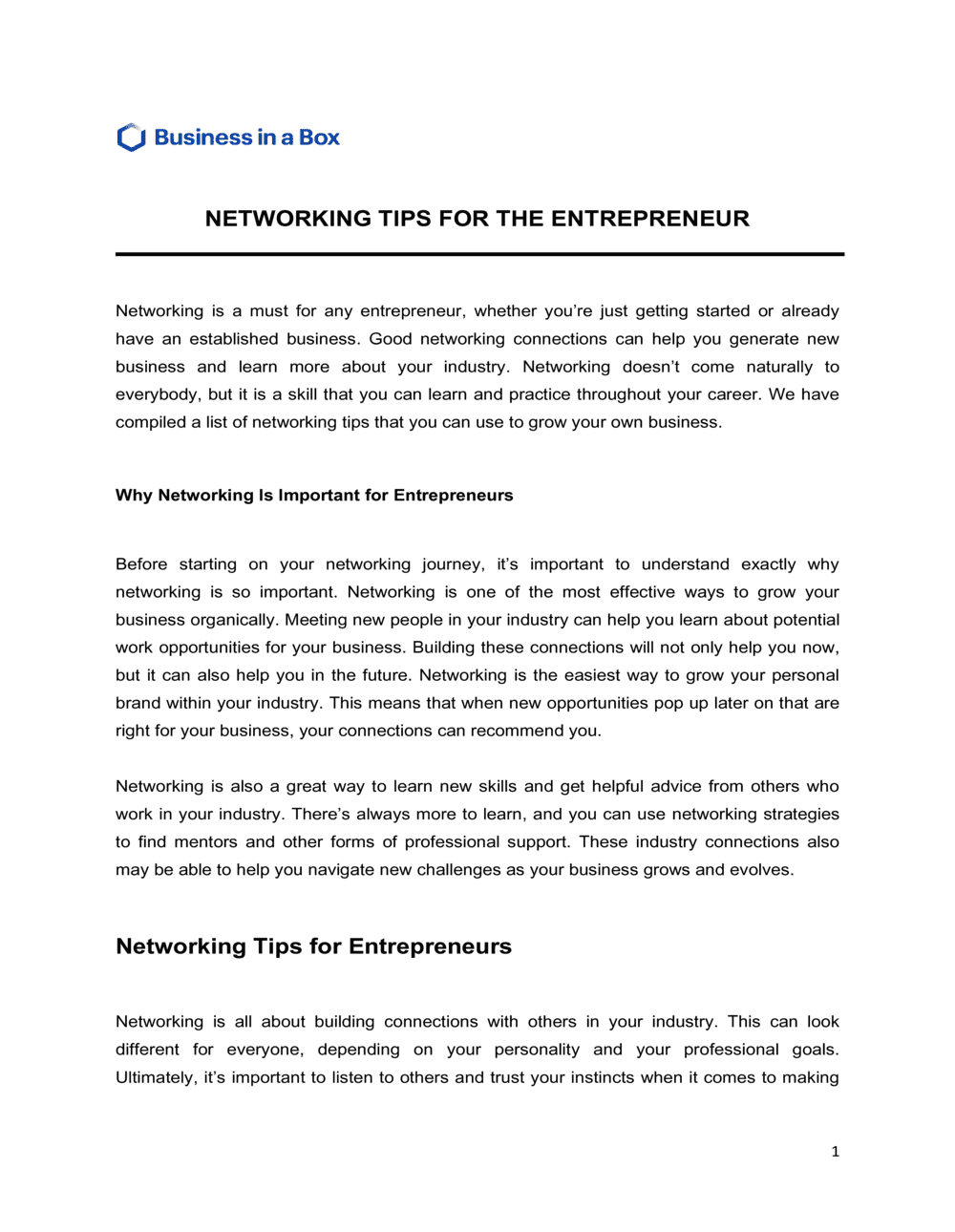
Networking Tips For The Entrepreneur

Free to read β€’ Save or share with one click

FreeNetworking Tips For The Entrepreneur Template

At a glance

What it is
Networking Tips for the Entrepreneur is a structured Word guide that walks founders and small-business owners through a repeatable system for building a professional network β€” covering strategic introductions, relationship maintenance cadences, online presence, in-person event tactics, and the give-first mindset that makes connections compound over time. Download it free, edit it online, and use it as your personal networking playbook.
When you need it
Use it when you are launching a business and need early customers, partners, or advisors; when you are scaling and need warm referrals instead of cold outreach; or when your existing network has stalled and you need a structured approach to reignite it.
What's inside
A goal-setting framework for networking, guidance on mapping your existing network, templates for outreach messages and follow-up sequences, tactics for in-person events and online platforms, and a relationship maintenance system built around a simple contact rhythm.

What is Networking Tips for the Entrepreneur?

Networking Tips for the Entrepreneur is a structured Word guide that gives founders and small-business owners a repeatable system for building a professional network that generates compounding returns over time. It covers every stage of the networking lifecycle β€” setting measurable goals, mapping existing contacts, crafting your value proposition, executing at in-person events, building an online presence, making warm introductions, and maintaining relationships through a consistent contact cadence. Unlike generic advice lists, this guide provides specific scripts, templates, and frameworks you can act on the same day you download it.

Why You Need This Document

Most early-stage business outcomes β€” first customers, key hires, investor meetings, and strategic partnerships β€” come through relationships, not cold channels. Without a deliberate system, networking defaults to sporadic, reactive activity that consumes time without generating results: attending events without follow-up plans, reaching out to contacts only when you need something, and watching warm relationships go cold from neglect. The cost is concrete β€” a dormant network means longer sales cycles, fewer referrals, and investor introductions that never materialize. This guide gives you a structured, low-cost alternative to paid lead generation that compounds in value the longer you work it, built into a single document you can personalize and execute in under a week.

Which variant fits your situation?

If your situation is…Use this template
Just launched a business and starting a network from zeroNetworking Tips for the Entrepreneur
Preparing to attend a major industry conferenceEvent Networking Planner
Building a formal referral partner programReferral Partner Agreement
Structuring an advisory board from your networkAdvisory Board Agreement
Expanding into a new market or cityBusiness Development Plan
Turning warm contacts into paying clientsSales Strategy Plan
Defining your personal brand before networkingPersonal Brand Statement

Common mistakes to avoid

❌ Only networking when you need something

Why it matters: Contacts recognize reactive networking immediately, and it erodes trust β€” the ask lands with no foundation of goodwill to support it.

Fix: Schedule at least two give-first touchpoints per week with no agenda, so your network is warm before you ever need to make an ask.

❌ Collecting connections without following up within 48 hours

Why it matters: Memory of a new meeting fades quickly β€” by day three, most contacts cannot place your name or conversation without a prompt.

Fix: Block 30 minutes after every networking event and send a personalized follow-up message the same day or the morning after.

❌ Treating LinkedIn connections as a vanity metric

Why it matters: A network of 5,000 weak connections generates fewer introductions and referrals than 50 strong relationships with people who actively advocate for you.

Fix: Focus on depth over breadth β€” aim to convert online connections into 20-minute conversations before counting them as real relationships.

❌ Making introduction requests vague

Why it matters: Asking a connector to 'introduce me to anyone in fintech' puts the cognitive burden on them and almost always results in no introduction being made.

Fix: Name the specific person or a precise role β€” 'Can you introduce me to your contact at [COMPANY]?' β€” and always include a ready-to-forward two-sentence blurb.

❌ Skipping the network audit and chasing new contacts first

Why it matters: Dormant contacts already have context about you and require far less effort to re-engage than cold outreach to strangers.

Fix: Spend the first week of any networking push re-engaging five dormant contacts before adding a single new one.

❌ Using the same networking script at every event regardless of audience

Why it matters: A pitch written for venture investors sounds tone-deaf at a trade association dinner for operators, and vice versa β€” mismatched framing wastes both parties' time.

Fix: Write a context-specific value proposition for each event type based on who attends and what they care about, using the template's audience-tailoring checklist.

The 9 key sections, explained

Networking Goal Setting

Network Mapping Exercise

Your Networking Value Proposition

In-Person Event Tactics

Online Networking and LinkedIn Strategy

The Give-First Outreach System

Warm Introduction Request Template

Relationship Maintenance Cadence

Measuring Networking ROI

How to fill it out

  1. 1

    Set three specific networking goals for the next 90 days

    Open the goal-setting section and define the contact types you need (investors, customers, advisors, partners), the number of new conversations per week, and the one milestone your network needs to help you reach in 90 days.

    πŸ’‘ One well-defined goal β€” 'six warm introductions to Series A investors by August 1' β€” is more actionable than three vague ones.

  2. 2

    Map your existing contacts into three tiers

    Export your LinkedIn connections, email contacts, or phone contacts and sort them into strong ties (active relationships), dormant relationships (no contact in 6–18 months), and weak ties with high potential.

    πŸ’‘ Prioritize dormant relationships first β€” they already know you and a simple re-engagement message takes under two minutes to write.

  3. 3

    Write your networking value proposition

    Draft a two-sentence statement that describes what you bring to a professional relationship and the specific type of introduction that would benefit you most right now. Practice saying it out loud until it sounds natural.

    πŸ’‘ Test it on someone who does not know your business β€” if they can repeat back what you do after one hearing, the pitch works.

  4. 4

    Customize the in-person event checklist for your next event

    Fill in the event name, date, and three to five target attendees you want to meet. Write your opening question for each one and block 30 minutes the morning after the event for follow-up messages.

    πŸ’‘ A same-day follow-up that references one specific thing from the conversation converts to a second meeting at a significantly higher rate than a generic 'great to meet you' note.

  5. 5

    Optimize your LinkedIn profile using the guide's checklist

    Update your headline to reflect the outcome you deliver rather than your job title, rewrite your About section to speak to your target contact's interests, and add a specific call to action for how to connect with you.

    πŸ’‘ Recruiters and potential partners search by keywords β€” include the two or three terms your ideal contact would search before they ever know your name.

  6. 6

    Build your give-first outreach list

    Identify ten contacts to reach out to this week and find one specific, relevant piece of value to lead with for each β€” an article, a job lead, a resource, or an introduction to someone they should meet.

    πŸ’‘ Batch this research on Sunday evening so your outreach messages are ready to send Monday morning when inboxes are most active.

  7. 7

    Set up your relationship maintenance schedule

    Assign each of your top twenty contacts to a Tier 1, 2, or 3 cadence and add recurring calendar reminders for each tier's touchpoint frequency. Use a simple CRM or spreadsheet to log the last contact date.

    πŸ’‘ A $0 spreadsheet with columns for name, tier, last contact, and next action beats a complex CRM tool you never open.

Frequently asked questions

Why does networking matter for entrepreneurs?

Most early-stage business outcomes β€” first customers, key hires, investor introductions, and strategic partnerships β€” come through relationships rather than cold channels. A 2023 LinkedIn survey found that 85% of jobs are filled through networking; the same dynamic applies to B2B sales and funding. For entrepreneurs specifically, a strong network compresses timelines β€” a warm introduction to a decision-maker can replace months of cold outreach.

How do I start networking if I have no existing contacts?

Start with the people you already know at a low level: former colleagues, classmates, professors, and service providers. Re-engage five dormant contacts before pursuing new ones. Then attend two to three industry events or online communities where your target contacts gather, and lead every conversation with a question about the other person rather than a pitch about yourself. The give-first framework in this guide accelerates trust-building from a cold start.

What is the give-first networking approach?

Give-first networking means proactively providing value to a contact β€” sharing a relevant article, making an introduction they would find useful, or flagging an opportunity β€” before making any ask of them. It builds social capital and creates a natural reciprocity dynamic. The key is specificity: a generic "let me know if I can help" is not a give; a targeted introduction or a resource directly relevant to their current challenge is.

How often should I follow up with new networking contacts?

Send an initial follow-up within 24–48 hours of meeting someone, referencing something specific from the conversation. After that, the frequency depends on the relationship tier. High-value contacts warrant a monthly touchpoint β€” sharing an article, making an introduction, or a brief check-in. Mid-tier contacts need a quarterly touch. Letting more than 90 days pass without contact risks the relationship going dormant.

How do I ask for an introduction without putting the connector in an awkward position?

Use the double opt-in approach: ask the connector if both parties are open to an introduction before making it happen. Always provide a short forwardable blurb β€” two to three sentences covering who you are, why you want to connect, and what value the meeting holds for the other person. This removes the cognitive burden from the connector and dramatically increases the chance of follow-through.

What networking events are most valuable for entrepreneurs?

Events where your specific target contacts β€” potential customers, investors, or partners β€” gather are more valuable than general business networking events, regardless of size. Industry trade shows, founder peer groups, accelerator demo days, and curated dinner formats typically yield higher-quality connections than large open-attendance mixers. Research the attendee list before registering; if you cannot identify three to five people you want to meet, the event may not be worth your time.

How should I use LinkedIn for networking as an entrepreneur?

Optimize your headline and About section to speak to the outcomes you deliver for your target audience, not your job title. Engage with your target contacts' content β€” substantive comments, not just likes β€” for two to three weeks before sending a connection request. When you do reach out, reference something specific from their content or work. Connection acceptance rates for personalized messages run two to three times higher than the default LinkedIn prompt.

How do I measure whether my networking is actually working?

Track three simple metrics weekly: new conversations initiated, warm introductions exchanged (given and received), and pipeline opportunities sourced from the network. Quarterly, calculate what percentage of your new customers, hires, or partnerships came through a relationship versus a cold channel. If the number is below 30%, your networking activity is not converting to outcomes and the strategy needs adjustment.

Is networking different for introverts?

The tactics differ, but the principles do not. Introverts typically perform better in one-on-one or small-group settings than large open mixers β€” so prioritize coffee meetings, small curated dinners, and online platforms over conference-floor networking. Preparing two or three specific questions before any conversation reduces the cognitive load of small talk and lets the other person carry more of the conversational weight, which most people prefer regardless of personality type.

How this compares to alternatives

vs Sales Strategy Plan

A sales strategy plan defines how you convert leads into paying customers through structured pipeline management, pricing, and sales team processes. A networking guide focuses on generating warm introductions and relationships that feed the top of that pipeline. The two documents work together β€” networking creates the inbound flow; the sales strategy converts it.

vs Marketing Plan

A marketing plan covers channel strategy, content, advertising, and brand positioning to attract an audience at scale. A networking guide addresses one-to-one relationship building that delivers higher-trust, lower-cost introductions but cannot scale the same way. Early-stage businesses with limited budgets typically get faster ROI from networking before investing heavily in marketing infrastructure.

vs Business Development Plan

A business development plan maps out strategic partnerships, market expansion, and revenue diversification at a structural level. A networking guide provides the interpersonal tactics and systems that make those partnerships possible β€” identifying targets, building rapport, and making asks. Think of the business development plan as the what and the networking guide as the how.

vs Elevator Pitch Template

An elevator pitch template helps you craft a 30–60 second verbal summary of your business for specific high-stakes moments. A networking guide covers the entire relationship arc β€” before the pitch, during the event, and the follow-up system afterward. The elevator pitch is one tool within the broader networking playbook.

Industry-specific considerations

Technology / SaaS

Founder communities, accelerator networks, and investor warm introductions are the primary deal flow sources β€” cold outreach to VCs has a response rate under 1%.

Professional Services

Referral partnerships with complementary service providers β€” accountants, lawyers, recruiters β€” drive a disproportionate share of new client acquisition in consulting, coaching, and advisory.

Retail / E-commerce

Buyer introductions, wholesale partnership referrals, and influencer relationships are typically initiated through warm network connections rather than inbound channels.

Creative and Marketing Agencies

Agency growth is heavily referral-dependent β€” a structured give-first system for existing clients and peer agencies generates a compounding pipeline that outperforms paid lead generation.

Template vs pro β€” what fits your needs?

PathBest forCostTime
Use the templateFounders, freelancers, and small-business owners building or reigniting a professional network independentlyFree2–4 hours to personalize; ongoing 30–60 minutes per week to execute
Template + professional reviewFounders preparing for a fundraise or market expansion who want a personalized networking strategy reviewed by an advisor or business coach$200–$800 for a single coaching session or advisor review1–2 weeks to refine and implement
Custom draftedGrowth-stage companies that want a professionally designed networking and relationship-building program built for a specific industry or capital-raise campaign$1,500–$5,000 for a fractional CMO, business coach, or growth consultant3–6 weeks

Glossary

Warm Introduction
A referral where a mutual contact personally connects two people, significantly increasing the chance the recipient will respond versus a cold message.
Give-First Mindset
An approach to networking where you proactively provide value β€” introductions, resources, or expertise β€” before making any ask of a contact.
Second-Degree Connection
A person you do not know directly but who is connected to someone in your existing network, reachable through a warm introduction.
Contact Rhythm
A scheduled cadence for staying in touch with key contacts β€” monthly, quarterly, or annually β€” so relationships remain active without requiring a transaction to trigger contact.
Network Mapping
The process of categorizing your existing contacts by relationship strength, relevance to your goals, and their potential to open doors to new connections.
Double Opt-In Introduction
An introduction where the connector asks both parties for permission before making the introduction, ensuring both people are willing and prepared.
Social Capital
The accumulated goodwill and trust stored in your professional relationships, which can be drawn on to ask for introductions, advice, or referrals.
Follow-Up Sequence
A planned series of touchpoints β€” email, LinkedIn message, or call β€” sent after an initial meeting to deepen a new relationship before it goes cold.
Reciprocity Trigger
A specific, unsolicited act of generosity β€” sharing an article, making an introduction, or flagging an opportunity β€” that creates a natural inclination in the recipient to return the favor.
Elevator Pitch
A 30–60 second verbal summary of who you are, what your business does, and the specific type of connection or introduction that would be most valuable to you.

Part of your Business Operating System

This document is one of 3,000+ business & legal templates included in Business in a Box.

  • Fill-in-the-blanks β€” ready in minutes
  • Compatible with all office suites
  • Export to PDF and share electronically

Create your document in 3 simple steps.

From template to signed document β€” all inside one Business Operating System.
1
Download or open template

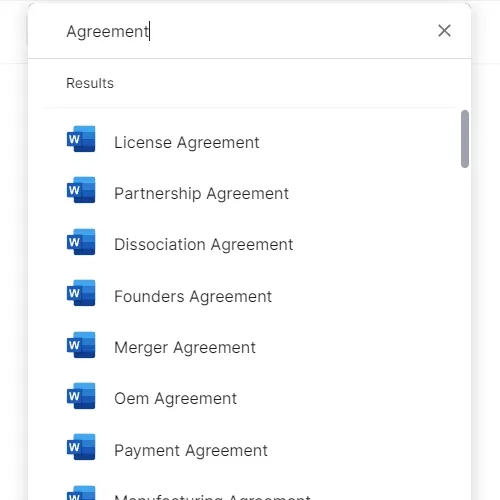
Access over 3,000+ business and legal templates for any business task, project or initiative.

2
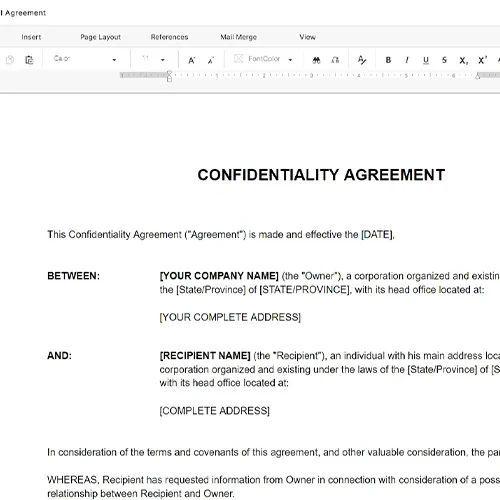
Edit and fill in the blanks with AI

Customize your ready-made business document template and save it in the cloud.

3
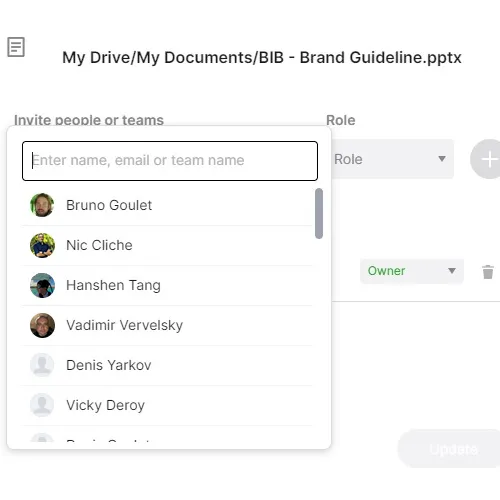
Save, Share, Send, Sign

Share your files and folders with your team. Create a space of seamless collaboration.

Save time, save money, and create top-quality documents.

β˜…β˜…β˜…β˜…β˜…

"Fantastic value! I'm not sure how I'd do without it. It's worth its weight in gold and paid back for itself many times."

Managing Director Β· Mall Farm
Robert Whalley
Managing Director, Mall Farm Proprietary Limited
β˜…β˜…β˜…β˜…β˜…

"I have been using Business in a Box for years. It has been the most useful source of templates I have encountered. I recommend it to anyone."

Business Owner Β· 4+ years
Dr Michael John Freestone
Business Owner
β˜…β˜…β˜…β˜…β˜…

"It has been a life saver so many times I have lost count. Business in a Box has saved me so much time and as you know, time is money."

Owner Β· Upstate Web
David G. Moore Jr.
Owner, Upstate Web

Run your business with a system β€” not scattered tools

Stop downloading documents. Start operating with clarity. Business in a Box gives you the Business Operating System used by over 250,000 companies worldwide to structure, run, and grow their business.

Free Forever PlanΒ Β·Β No credit card required