Company Policy Templates

4.7from 280+ reviews Trusted by 20M+ businesses

Set clear expectations for every workplace situation with ready-to-edit policy templates for HR, leave, privacy, and conduct.

WordEditable onlinePDF73+ company policy templates

Other Administration categories

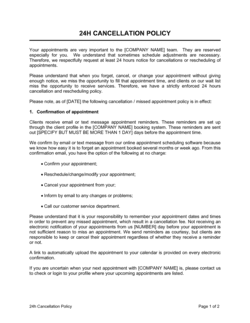
24h Cancellation Policy Template (Free Word)
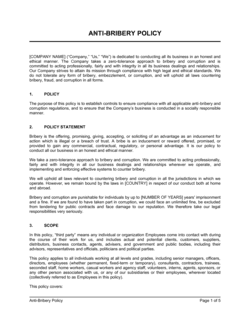
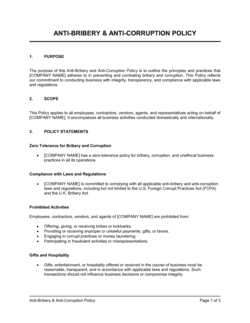
Anti Bribery and Anti Corruption Policy Template (Free Word)
Anti Bribery Policy Template (Free Word)
Anti Corruption Policy Template (Free Word)
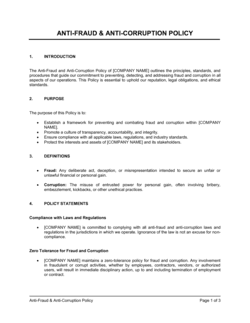
Anti Fraud and Anti Corruption Policy Template (Free Word)
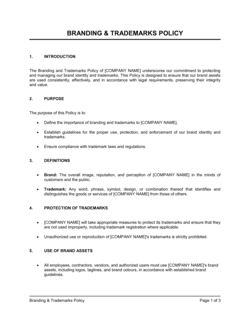
Branding And Trademarks Policy Template (Free Word)
Business Ethics Guide Template (Free Word)
Business Sustainability & Social Impact Guidebook
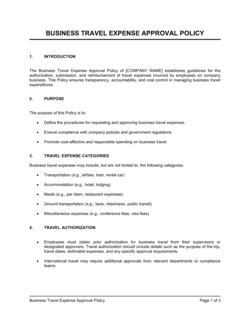
Business Travel Expense Approval Policy Template (Free Word)
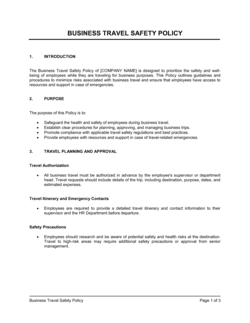
Business Travel Safety Policy Template (Free Word)
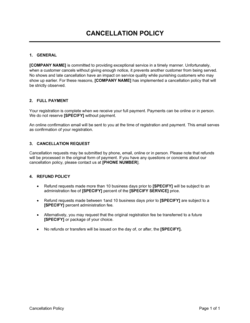
Cancellation Policy Template (Free Word)
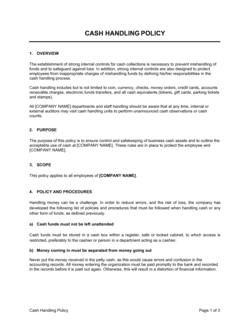
Cash Handling Policy Template (Free Word)
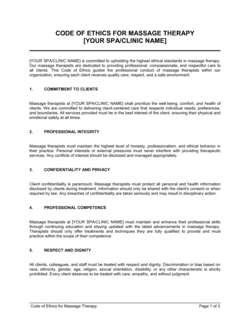
Code of Ethics Massage Therapy Template (Free Word)
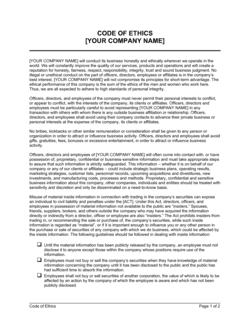
Code of Ethics Template (Free Word)
Company Overview Template (Free Word)
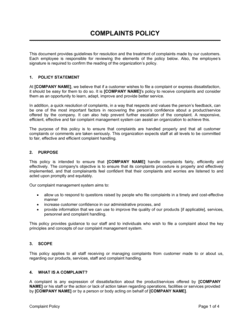
Complaint Policy Template (Free Word)
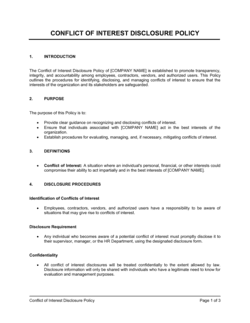
Conflict of Interest Disclosure Policy Template (Free Word)
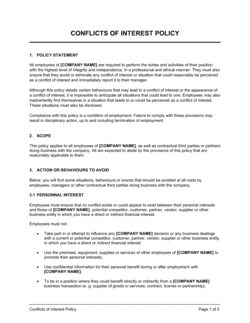
Conflicts of Interest Policy Template (Free Word)
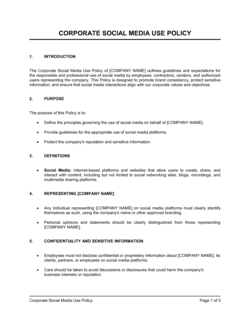
Corporate Social Media Use Policy Template (Free Word)
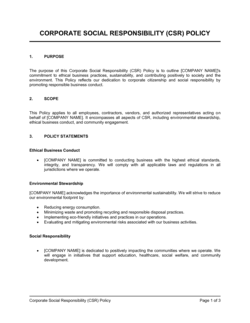
Corporate Social Responsibility Policy Template (Free Word)
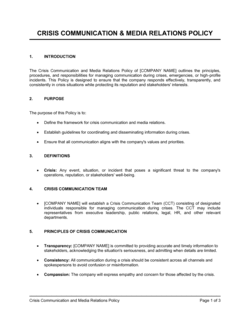
Crisis Communication and Media Relations Policy Template (Free Word)
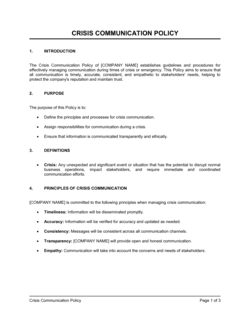
Crisis Communication Policy Template (Free Word)
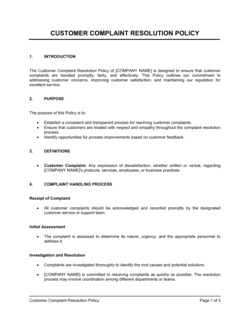
Customer Complaint Resolution Policy Template (Free Word)
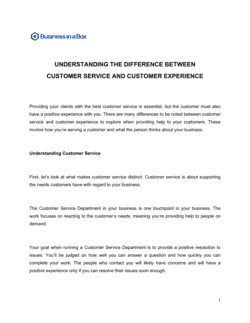
Customer Service vs Customer Experience Policy Template (Free Word)
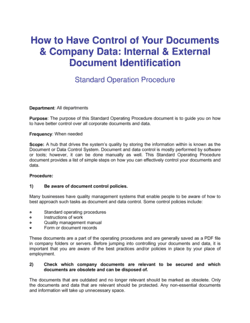
Document & Data Control Policy Template (Free Word)
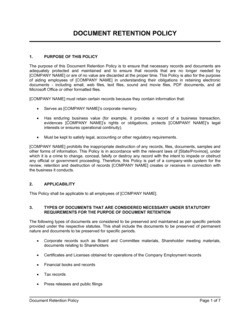
Document Retention Policy Template (Free Word)
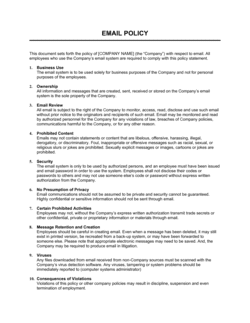
Email Policy Template (Strict) (Free Word)
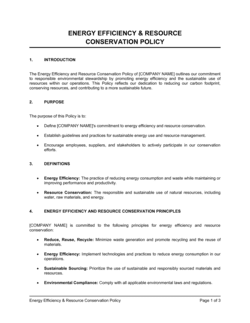
Energy Efficiency And Resource Conservation Policy Template (Free Word)
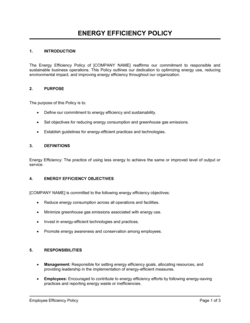
Energy Efficiency Policy Template (Free Word)
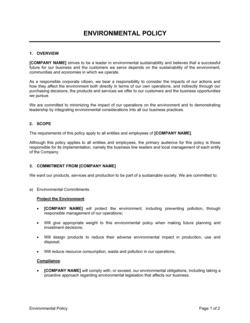
Environmental Policy Template (Free Word)
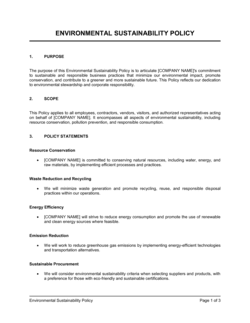
Environmental Sustainability Policy Template (Free Word)
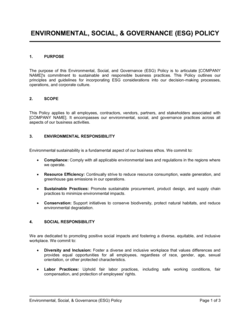
ESG Policy Template
ESG Policy Template (Free Word)
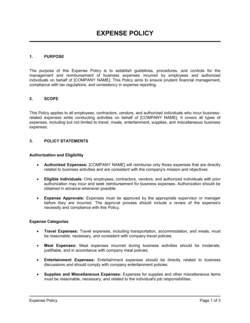
Expense Policy Template (Free Word)
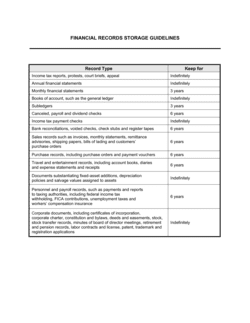
Financial Record Storage Guidelines Template (Free Word)
How To Write Company Policies Template
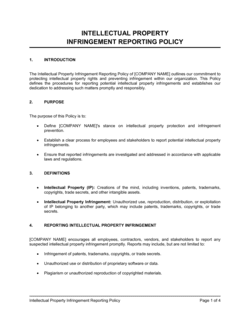
Intellectual Property Infringement Reporting Policy Template (Free Word)
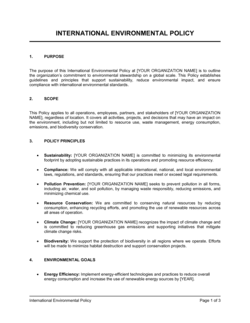
International Environmental Policy Template (Free Word)
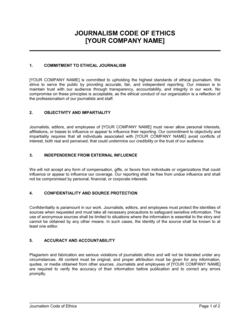
Journalism Code of Ethics Template (Free Word)
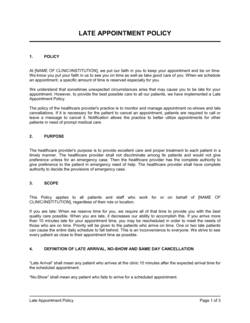
Late Appointment Policy Template (Free Word)
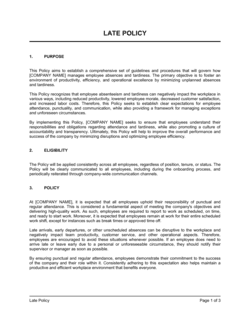
Late Policy Template (Free Word)
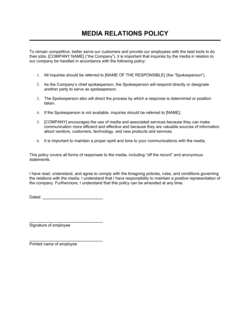
Media Relations Policy Template (Free Word)
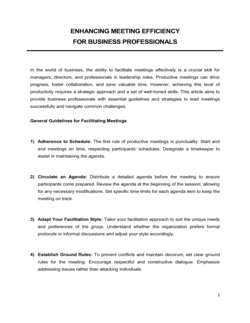
Meeting Efficiency Policy Template (Free Word)
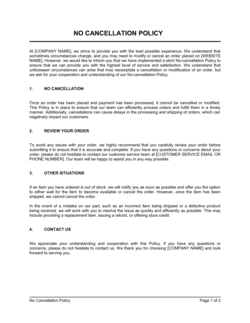
No Cancellation Policy Template (Free Word)
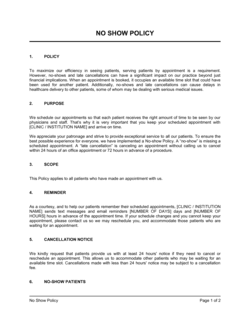
No Show Policy Template (Free Word)
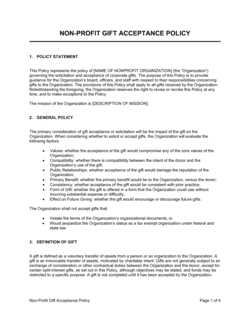
Non Profit Gift Acceptance Policy Template (Free Word)
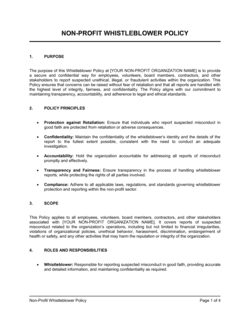
Non Profit Whistleblower Policy Template (Free Word)
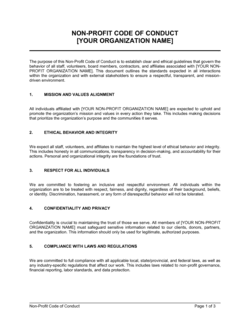
Non-Profit Code of Conduct Template (Free Word)
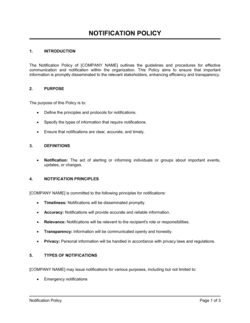
Notification Policy Template (Free Word)
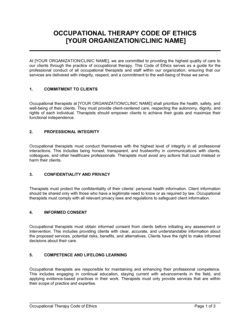
Occupational Therapy Code Of Ethics Template (Free Word)
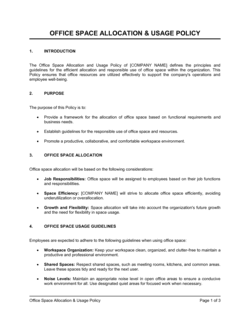
Office Space Allocation And Usage Policy Template (Free Word)
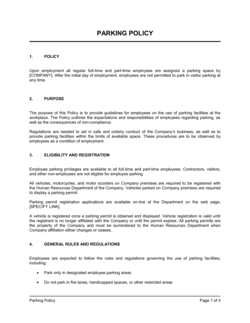
Parking Policy Template (Free Word)
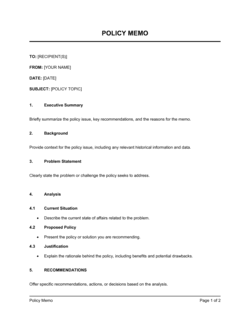
Policy Memo Template (Free Word)
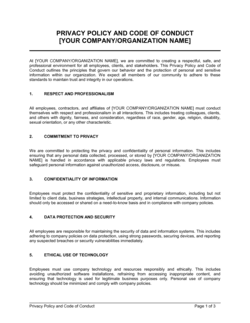
Privacy Policy and Code of Conduct Template (Free Word)
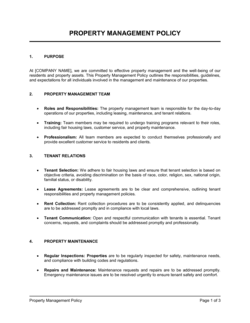
Property Management Policy Template (Free Word)
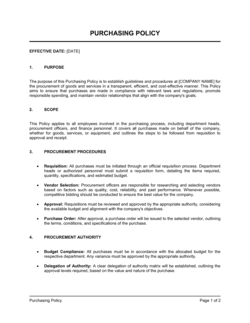
Purchasing Policy Template (Free Word)
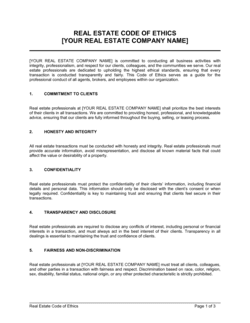
Real Estate Code of Ethics Template (Free Word)
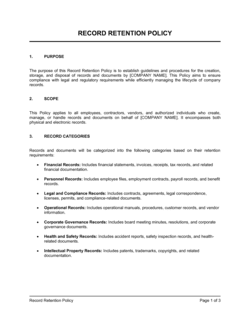
Record Retention Policy Template (Free Word)
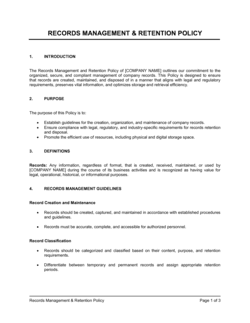
Records Management and Retention Policy Template (Free Word)
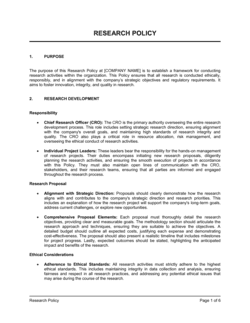
Research Policy Template (Free Word)
Sales Expenses Reimbursement Policy Template (Free Word)
Social Responsibility & Community Engagement Policy Template (Free Word)
Social Responsibility Policy Template (Free Word)
Sustainable Business & Social Impact Checklist Template (Free Word)
Tax Compliance Policy Template (Free Word)
Third Party Confidential Information Policy Template (Free Word)
Trade Compliance Policy Template (Free Word)
Trading Policy Template (Free Word)
Travel Policy Template (Free Word)
United States Environmental Policy Template (Free Word)
Virus Notice Template (Free Word)
Workplace Recycling And Waste Reduction Policy Template (Free Word)
Workplace Security And Access Control Policy Template (Free Word)
250K+Clients
20M+Free users
20+Years
190+Countries
10,000+Law firms
50M+Downloads

Trusted across review platforms

  • Capterra★★★★☆4.649 reviews
  • G2★★★★☆4.713 reviews
  • GetApp★★★★☆4.649 reviews
  • Google Play★★★★☆4.6179 ratings
  • Google Reviews★★★★☆4.567 reviews

Related categories

Frequently asked questions

Are written company policies legally required?
Some policies are legally required in most jurisdictions — written health and safety policies above a certain headcount, for example, or data privacy notices under GDPR. Many others are strongly recommended because they reduce employer liability in disputes. Even where not mandated, a written policy is the clearest way to show consistent and fair treatment of employees.
How often should company policies be reviewed?
Annually as a minimum, and immediately following any relevant change in employment law, data protection regulation, or a significant workplace incident. Policies covering remote work, privacy, and leave entitlements have changed frequently in recent years and benefit from more regular review cycles.
Do company policies need to be signed by employees?
There is no universal legal requirement to obtain signatures, but it is strongly advisable. A signed acknowledgement — or a recorded acceptance in an HR system — creates evidence that the employee was aware of the policy. This is particularly important for disciplinary proceedings, harassment complaints, and data protection matters.
What is the difference between a policy and a procedure?
A policy is the rule: it states what must happen. A procedure is the how: it describes the specific steps taken to comply with the rule. For example, a leave policy states the entitlement; the leave procedure explains how to submit a request, who approves it, and how it is recorded. Both documents are needed for consistent operations.
Should small businesses have formal company policies?
Yes. Even a company with five employees benefits from written policies on leave, conduct, and privacy. Policies prevent disputes by setting clear expectations before problems arise. They also protect small employers from discrimination and wrongful-dismissal claims by demonstrating that rules were applied consistently.
Can one policy document cover multiple topics?
It can, but single-topic policies are easier to update and distribute. When a rule changes — say, sick pay rates are revised — you only need to reissue the sick pay policy rather than the entire handbook. A common approach is to maintain individual topic-specific policies and then compile them into an employee handbook for onboarding purposes.
What happens if an employee violates a company policy?
The consequences depend on the severity of the violation and the disciplinary framework in the policy itself. Most policies follow a progressive discipline model: verbal warning, written warning, suspension, and termination for serious or repeated breaches. Some violations — theft, harassment, data breaches — may warrant immediate termination. The policy must state these consequences clearly to be enforceable.

Company Policy vs. related documents

Company Policy vs. Employee handbook

A company policy is a standalone document covering one specific topic — for example, sick leave or drug testing. An employee handbook is a compiled collection of many policies bundled into a single document issued to all staff. Standalone policies are easier to update when rules change; handbooks are more practical for onboarding. Most organizations maintain both: individual policy documents internally and a handbook for employees.

Company Policy vs. Employment contract

An employment contract creates legally binding obligations between the employer and a specific employee, including compensation, role, and termination terms. A company policy sets general workplace rules that apply to all employees and can typically be updated by the employer with reasonable notice. Policies are often incorporated into contracts by reference, but they are not the same document and serve different legal functions.

Company Policy vs. Standard operating procedure (SOP)

A policy states what must happen and why — it sets the rule. An SOP describes step-by-step how to carry out a process that implements the policy. For example, a drug testing policy defines the obligation to test; the SOP describes who administers the test, which kits to use, and how results are stored. Both are needed for consistent operations, but they live in different documents.

Company Policy vs. Code of conduct

A code of conduct is a high-level statement of organizational values and general behavioural expectations, typically covering honesty, respect, and conflicts of interest. Individual policies go deeper: they define specific rules, consequences, and procedures for one topic. Companies typically have one code of conduct and multiple supporting specific policies that operationalize its principles.

Key clauses every Company Policy contains

Well-drafted company policies share a common structure regardless of topic. These core sections appear in most of the templates in this folder.

  • Purpose and scope. States why the policy exists and which employees, locations, or roles it applies to.
  • Definitions. Clarifies key terms used in the policy so there is no ambiguity in interpretation.
  • Policy statement. The core rule or expectation — what is required, prohibited, or permitted.
  • Roles and responsibilities. Identifies who is responsible for implementing, enforcing, and monitoring the policy.
  • Procedures. Step-by-step instructions for how the policy is carried out in practice, such as how to request leave or report a complaint.
  • Non-compliance and disciplinary action. Describes the consequences for violating the policy, from verbal warnings to termination.
  • Review and revision date. States when the policy was last reviewed and when it is next due for update, which is important for legal compliance.
  • Acknowledgement. A section for the employee to sign confirming they have read and understood the policy.

How to write a company policy

A clear, enforceable policy takes about an hour to draft when you start from the right structure. Follow these steps.

  1. 1

    Identify the problem or risk you're addressing

    Start with the specific workplace situation — a recurring dispute, a legal requirement, or a new benefit — that makes the policy necessary.

  2. 2

    Define the scope

    State clearly which employees, locations, contractors, or roles the policy applies to, and from what date.

  3. 3

    Write a plain-language policy statement

    In two to four sentences, state the rule: what is required, what is prohibited, and what the standard of conduct is.

  4. 4

    Describe the procedures

    Explain how the policy is put into practice — how to make a request, who approves it, what documentation is needed, and what timelines apply.

  5. 5

    Assign responsibilities

    Name the role (not the individual) responsible for enforcing each part of the policy — typically HR, the direct manager, and the employee.

  6. 6

    State the consequences for non-compliance

    Be specific: progressive discipline, written warnings, suspension, or termination, depending on the severity of the breach.

  7. 7

    Review with legal counsel and approve

    Have the policy reviewed against applicable employment law before issuing it, particularly for leave, testing, privacy, and pay policies.

  8. 8

    Distribute, train, and collect acknowledgements

    Issue the policy to all affected employees, run a short briefing if needed, and keep signed acknowledgement forms on file.

At a glance

What it is
A company policy is a formal written statement that defines rules, expectations, and procedures for a specific aspect of workplace conduct or operations. Policies give managers a consistent basis for decisions and give employees a clear reference for what is expected of them.
When you need one
Any time you hire staff, onboard contractors, introduce a new benefit, or face a recurring HR dispute, a written policy creates the accountability structure you need.

Which Company Policy do I need?

The right policy depends on the workplace situation you're addressing. Use the scenarios below to find the template that fits your need.

Your situation
Recommended template

Setting rules for employee drug and alcohol use at work

Covers prohibited conduct, testing triggers, and disciplinary consequences.

Formalizing remote or work-from-home arrangements

Defines eligibility, equipment, availability, and performance expectations.

Establishing paid time off rules for all employees

Sets accrual rates, approval process, and carryover rules in one document.

Protecting customer and employee data under GDPR

Addresses lawful basis, data subject rights, and retention requirements.

Addressing workplace bullying and harassment

Defines prohibited behaviour, reporting channels, and investigation steps.

Setting parental leave entitlements for new parents

Covers maternity, paternity, and adoption leave in a single framework.

Managing company vehicle use by employees

Specifies driver eligibility, maintenance responsibilities, and incident reporting.

Documenting your company's environmental commitments

Outlines sustainability goals, responsibilities, and compliance obligations.

Glossary

Policy
A formal written rule that sets out what is required, permitted, or prohibited in a specific area of workplace conduct or operations.
Scope
The definition of which employees, roles, or locations a policy applies to.
Progressive discipline
A disciplinary process that escalates from verbal warning to written warning, suspension, and termination for repeated or serious policy violations.
Acknowledgement
A signed or recorded confirmation that an employee has received and understood a policy.
At-will employment
An employment relationship in which either party can end the relationship at any time without cause, subject to contractual and statutory protections; common in the US.
Leave entitlement
The amount and type of paid or unpaid time off an employee is entitled to under law or company policy.
Reasonable accommodation
An adjustment to a role, schedule, or workplace that allows an employee with a disability or protected characteristic to perform their job.
Data subject
Any individual whose personal data is collected or processed by an organization, as defined under GDPR and similar privacy laws.
Protected characteristic
A personal attribute — such as age, race, sex, religion, or disability — that employment law protects from discrimination.
Policy owner
The role or department responsible for maintaining, updating, and enforcing a specific policy — typically HR or a department head.
GDPR
The General Data Protection Regulation, an EU law that governs how organizations collect, store, and process personal data about individuals.

What is a company policy?

A company policy is a formal written document that defines the rules, standards, and expectations a business applies to a specific area of workplace conduct or operations. Policies give managers a consistent, documented basis for decisions and give employees a clear reference for what is required of them — before a problem arises rather than after. Unlike an employment contract, which governs the terms between the employer and a specific individual, a policy applies across the organization and can typically be updated with reasonable notice as laws and business needs change.
Company policies span a wide range of topics. HR policies govern leave entitlements, pay practices, remote work, and conduct. Compliance policies address drug and alcohol use, anti-bribery, data privacy, and environmental responsibilities. Operational policies cover vehicles, equipment, and customer-facing topics such as refunds. Together, these documents form the written infrastructure that allows a business to operate consistently, treat employees fairly, and demonstrate compliance with employment law.

When you need a company policy

The most common trigger is growth: a business that runs on informal norms inevitably hits a point where two employees interpret the same rule differently, a dispute arises, or a regulator asks for written evidence of a procedure. A written policy resolves ambiguity before it becomes a conflict. There are also mandatory triggers — data protection law, occupational health and safety legislation, and some employment statutes require specific written policies above a certain headcount or in certain industries.

Common triggers for drafting or updating a company policy:

  • Hiring a first employee or scaling beyond a small founding team
  • Introducing a new benefit such as remote work, unlimited vacation, or a parental leave programme
  • A workplace complaint about bullying, harassment, or unfair treatment
  • A data breach or audit that exposes gaps in privacy documentation
  • A change in employment legislation affecting leave entitlements, pay, or testing
  • An insurance or investor due-diligence request for documented HR procedures
  • Onboarding employees across multiple jurisdictions with different legal requirements
  • A disciplinary or termination proceeding where the absence of a written policy weakens your position

Without written policies, every decision becomes a judgement call, and inconsistent judgement calls become discrimination or wrongful-dismissal claims. With a clear policy on file — distributed, acknowledged, and consistently applied — you have the documentation to act fairly and to defend those actions if challenged.

Award-winning platform

  • Great Place to Work 2025
  • BIG Award — Product of the Year 2025
  • Smartest Companies 2025
  • Global 100 Excellence 2026
  • Best of the Best 2025

Create your document in 3 simple steps.

From template to signed document — all inside one Business Operating System.
1
Download or open template

Access over 3,000+ business and legal templates for any business task, project or initiative.

2
Edit and fill in the blanks with AI

Customize your ready-made business document template and save it in the cloud.

3
Save, Share, Send, Sign

Share your files and folders with your team. Create a space of seamless collaboration.

Save time, save money, and create top-quality documents.

★★★★★

"Fantastic value! I'm not sure how I'd do without it. It's worth its weight in gold and paid back for itself many times."

Managing Director · Mall Farm
Robert Whalley
Managing Director, Mall Farm Proprietary Limited
★★★★★

"I have been using Business in a Box for years. It has been the most useful source of templates I have encountered. I recommend it to anyone."

Business Owner · 4+ years
Dr Michael John Freestone
Business Owner
★★★★★

"It has been a life saver so many times I have lost count. Business in a Box has saved me so much time and as you know, time is money."

Owner · Upstate Web
David G. Moore Jr.
Owner, Upstate Web

Run your business with a system — not scattered tools

Stop downloading documents. Start operating with clarity. Business in a Box gives you the Business Operating System used by over 250,000 companies worldwide to structure, run, and grow their business.

Start free · No credit card required