Continuing Education Center Business Plan Template

Free Word download β€’ Edit online β€’ Save & share with Drive β€’ Export to PDF

34 pagesβ€’2h 50m – 3h 50m to fillβ€’Difficulty: Expert
Learn more ↓
FreeContinuing Education Center Business Plan Template

At a glance

What it is
A Continuing Education Center Business Plan is a structured planning document that outlines the mission, target learner population, program catalog, staffing model, facilities, marketing approach, and multi-year financial projections for a center that delivers adult, professional, or vocational training. This free Word download provides a ready-to-edit framework you can customize for a standalone CE center, a university extension program, or a corporate training facility, then export as PDF to share with investors, accreditors, or board members.
When you need it
Use it when launching a new continuing education center, applying for grant funding or accreditation, pitching a program expansion to a board of directors, or seeking a bank loan to finance facility build-out or curriculum development.
What's inside
Executive summary, organizational overview, market and learner analysis, program offerings and curriculum model, marketing and enrollment strategy, staffing and instructor plan, operations and facilities, and a three-year financial model with revenue, expenses, and break-even analysis.

What is a Continuing Education Center Business Plan?

A Continuing Education Center Business Plan is a structured strategic and financial document that maps out the mission, target learner population, program catalog, staffing model, facilities, marketing strategy, and multi-year financial projections for a center that delivers adult, professional, or vocational training. Unlike a generic business plan, it is organized around the specific economics of enrollment-driven education β€” cohort fill rates, cost per learner, seat utilization, and break-even enrollment per program β€” metrics that banks, grant officers, and accreditation bodies use to evaluate organizational viability. This free Word download gives you a complete, editable framework you can adapt for a standalone training center, a university extension division, or a corporate learning facility.

Why You Need This Document

Without a written business plan, a continuing education center faces compounding operational and financial risks from the start. Grant programs and government workforce development funds almost universally require a formal business plan as part of the application β€” submitting without one disqualifies the application before review. Banks financing facility build-out or curriculum development need three-year financial projections with a break-even analysis to approve a loan. Accreditation bodies expect documented evidence of market demand, instructor qualifications, and operational sustainability. Beyond external audiences, the planning process itself forces you to calculate break-even enrollment per cohort before you commit to a lease, hire instructors, or open registration β€” turning assumptions into decisions you can act on rather than surprises that surface after launch. This template gives you a proven structure that covers every section evaluators expect, so you spend your time on the analysis that matters rather than on formatting a document from scratch.

Which variant fits your situation?

If your situation is…Use this template
Launching a standalone for-profit CE center seeking investor fundingContinuing Education Center Business Plan
Planning a university non-credit or extension divisionUniversity Extension Program Business Plan
Building a corporate learning and development centerTraining Program Proposal
Opening a vocational or trade schoolVocational School Business Plan
Applying for a workforce development or adult education grantGrant Proposal
Quick one-page concept summary for early stakeholder alignmentOne-Page Business Plan
Planning a single new course or certification program launchNew Product Launch Plan

Common mistakes to avoid

❌ Using national workforce data instead of local labor market evidence

Why it matters: Grant reviewers and accreditors evaluate demand for the specific service area, not the national market. National statistics create credibility gaps that experienced reviewers flag immediately.

Fix: Supplement national figures with state workforce agency data, regional employer surveys, and signed letters of support from local businesses confirming credential demand.

❌ Projecting 100% cohort fill from Month 1

Why it matters: New CE programs build enrollment over three to four cohorts as reputation grows and employer partnerships mature. Overstated early enrollment makes the financial model unachievable and erodes funder confidence.

Fix: Model cohort fill rates of 60% in the first cohort, 75–80% in the second, and 90–95% by the third or fourth cohort. Adjust the break-even timeline accordingly.

❌ Omitting the LMS and registration technology costs

Why it matters: Learning management systems, video platforms, and registration tools typically add $5,000–$30,000 in Year 1 costs. Missing them produces an understated cost structure and an overoptimistic break-even.

Fix: Line-item every technology platform β€” LMS licensing, video conferencing, payment processing, and email marketing β€” as separate budget entries with annual renewal costs.

❌ Describing programs without specifying minimum enrollment thresholds

Why it matters: Without a defined minimum, a center cannot make an informed run/cancel decision for each cohort, leading to financially damaging under-enrolled sessions that erode margins and instructor goodwill.

Fix: Set a minimum enrollment threshold for each program (typically 8–12 learners for a 20-seat cohort) and state it explicitly in the operations section alongside the cancellation and refund policy.

The 9 key sections, explained

Executive Summary

Organizational Overview

Market and Learner Analysis

Program Offerings and Curriculum Model

Marketing and Enrollment Strategy

Staffing and Instructor Plan

Operations and Facilities Plan

Financial Projections

Funding Requirements and Use of Funds

How to fill it out

  1. 1

    Define the mission and legal structure

    Enter the center's legal name, entity type (LLC, nonprofit 501(c)(3), university division), mission statement, and founding or planned launch date. Confirm accreditation status or the pathway you intend to pursue.

    πŸ’‘ A mission statement that names the specific learner population and the workforce outcome they will achieve is more credible to funders than a generic lifelong-learning statement.

  2. 2

    Research the local labor market

    Pull workforce data from state labor department reports, O*NET, and local employer surveys to quantify demand for each program. Identify the top three to five occupational categories your programs serve and the number of workers in your region who need the credentials you offer.

    πŸ’‘ A signed letter of support from two or three local employers confirming credential demand is worth more than any national statistic in a grant application.

  3. 3

    Build the program catalog with delivery details

    List each program with its format (in-person, online, hybrid), duration in weeks and contact hours, credential awarded, tuition, minimum and maximum cohort size, and the learner profile it targets. Include a planned launch date for each.

    πŸ’‘ Start with two to three programs in Year 1 rather than launching eight simultaneously β€” a focused catalog generates better learner outcomes and more manageable operations.

  4. 4

    Map the enrollment funnel by channel

    For each acquisition channel (employer partnerships, paid search, community referrals, social media), estimate the number of leads, conversion rate, and resulting enrollments. Sum to a monthly enrollment forecast and confirm it matches your revenue model.

    πŸ’‘ Employer tuition-reimbursement partnerships consistently produce the highest-quality leads for CE centers β€” prioritize signing three to five employer agreements before launch.

  5. 5

    Build the staffing and instructor budget

    List every role needed in Year 1 with FTE or part-time hours, hourly or annual compensation, and start date. Include adjunct instructor costs per course with a cancellation reserve for cohorts that fall below minimum enrollment.

    πŸ’‘ Budget one administrative staff member for every 150–200 annual enrollments β€” underestimating administrative load is a common cause of service failures in the first year.

  6. 6

    Model three-year financials from the bottom up

    Build revenue from enrolled learners Γ— average tuition by program, not from a top-line target. Ramp enrollment gradually β€” assume cohort fill rates of 60%, 80%, and 95% in Years 1, 2, and 3. Layer in all direct and indirect costs to calculate EBITDA and cash flow.

    πŸ’‘ Run a break-even enrollment calculation for each program: fixed cost per cohort Γ· (tuition per learner βˆ’ variable cost per learner) = minimum learners needed to cover costs.

  7. 7

    State the funding ask with a milestone schedule

    Specify the total amount needed, the instrument (grant, loan, or equity), and a spending schedule tied to measurable milestones β€” curriculum completion date, first cohort launch date, break-even enrollment date.

    πŸ’‘ For grant applications, align your milestone dates with the grant period and reporting schedule β€” funders want to see that you understand their disbursement timeline.

  8. 8

    Write the executive summary last

    Pull the single strongest data point from each section β€” market demand, program differentiator, enrollment projection, and financial outcome β€” and compress into one to two pages. The executive summary is the first and sometimes only section a busy reviewer reads.

    πŸ’‘ If the executive summary requires more than two pages to tell the story, the plan itself needs tightening before submission.

Frequently asked questions

What is a continuing education center business plan?

A continuing education center business plan is a structured document that defines the mission, target learner population, program catalog, staffing model, marketing approach, and financial projections for a center that delivers adult, professional, or vocational training. It is used to secure funding from investors, banks, or grant programs, and to guide operational decisions during launch and growth.

Who needs a continuing education center business plan?

Anyone launching or expanding a CE center needs a formal business plan β€” including education entrepreneurs starting an independent training center, university extension directors seeking board approval for a new non-credit division, nonprofit workforce development organizations applying for grants, and community college administrators planning a self-sustaining CE unit. Banks and most grant programs require one before approving funding.

What financial projections should a CE center business plan include?

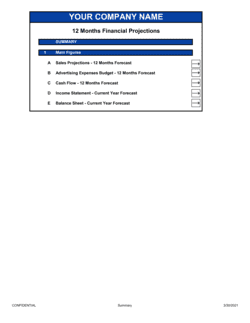
At minimum, include a three-year P&L showing tuition revenue by program, grant or contract income, instructor costs, staff salaries, facility costs, and marketing spend. Add a cash flow statement and a break-even enrollment analysis for each program showing the minimum number of learners needed per cohort to cover costs. Monthly detail for Year 1 is standard for any funding application.

How do I determine the right programs to offer?

Start with local labor market data β€” state workforce agency reports, employer surveys, and regional job-posting analysis β€” to identify occupational categories with unmet credential demand in your service area. Then validate by speaking directly with HR managers and workforce development offices at ten to twenty local employers before committing to curriculum development. Programs aligned to active employer hiring needs fill faster and sustain higher enrollment.

What is a realistic enrollment ramp for a new CE center?

Most new CE programs reach target enrollment by the third or fourth cohort, not the first. A realistic ramp models 55–65% fill in Cohort 1, 75–80% in Cohort 2, and 90–95% from Cohort 3 onward, assuming consistent marketing and at least two employer tuition-reimbursement partnerships in place at launch. Break-even typically occurs between Month 12 and Month 24 depending on fixed cost structure and cohort frequency.

Does a continuing education center need accreditation?

Not all CE programs require formal accreditation, but it is often necessary for learners to access employer tuition reimbursement, state workforce grants, or federal financial aid. For professional certification programs in regulated fields β€” healthcare, real estate, financial services β€” approval from the relevant licensing board is typically required. Research the specific accreditation or approval body relevant to your program area before finalizing the curriculum model.

How long should a continuing education center business plan be?

A plan submitted to a bank, accreditor, or grant program typically runs 20–35 pages plus a financial model appendix. Internal planning documents can be shorter. The financial model β€” P&L, cash flow, break-even analysis β€” is often the most scrutinized section and should be detailed enough to show monthly Year 1 projections and annual figures for Years 2 and 3.

What is the difference between a CE center business plan and a grant proposal?

A business plan is a comprehensive strategic and financial document covering all aspects of the organization. A grant proposal is a targeted application structured around a specific funder's priorities, reporting requirements, and evaluation criteria. Most grant proposals require or incorporate key sections from the business plan β€” market analysis, program description, budget β€” but reframe them to address the funder's stated goals. Build the business plan first; use it as source material for each grant proposal.

Can I use this template for a nonprofit continuing education organization?

Yes. The template covers the core sections needed by both for-profit and nonprofit CE centers. For nonprofits, adapt the financial projections to include grant revenue, donated services, and in-kind contributions alongside tuition income. Replace the investor-oriented funding ask with a program budget and fund-development plan aligned to the grant or donation sources you are pursuing.

How this compares to alternatives

vs Standard Business Plan

A standard business plan covers the same structural elements but uses generic revenue and cost frameworks suited to product or service businesses. A CE center business plan adds enrollment-specific metrics β€” cost per learner, seat utilization, break-even enrollment, and cohort fill rate β€” that a generic template does not address. Use the CE-specific template when program economics drive the entire financial model.

vs One-Page Business Plan

A one-page plan is a rapid-alignment tool for internal teams or early ideation. It lacks the program catalog detail, enrollment funnel analysis, staffing plan, and three-year financial model that banks, accreditors, and grant programs require. Use the one-page version to test the concept, then build the full CE center plan before any funding application.

vs Grant Proposal

A grant proposal is structured around a specific funder's criteria and reporting requirements β€” it is not a standalone strategic planning document. A CE center business plan is the source document from which individual grant proposals are drawn. Build the business plan first; reframe relevant sections to match each funder's template and language.

vs Marketing Plan

A marketing plan focuses exclusively on learner acquisition channels, messaging, and enrollment tactics. A CE center business plan includes a marketing section but also covers program design, staffing, facilities, and financials. Use the marketing plan as a companion document to develop the enrollment strategy in greater depth after the business plan is complete.

Industry-specific considerations

Healthcare and Allied Health

Mandatory CEU requirements for license renewal, board-approved provider status, and employer contracts for nurse and technician upskilling drive consistent demand and predictable enrollment cycles.

Technology and IT

Short-cycle certification programs (8–16 weeks) aligned to vendor credentials such as AWS, Microsoft, and Cisco command premium tuition and attract employer-sponsored learners with strong completion rates.

Construction and Trades

OSHA safety certifications, contractor licensing renewal, and apprenticeship-related instruction are often grant-eligible through state workforce development agencies, reducing net cost to the center.

Professional Services and Finance

CPE requirements for CPAs, CFPs, and licensed attorneys create recurring annual demand for short-format courses that can be delivered online at high margins with minimal facility cost.

Template vs pro β€” what fits your needs?

PathBest forCostTime
Use the templateEducation entrepreneurs, nonprofit directors, and administrators building an internal plan or applying for grants under $250,000Free3–5 weeks (50–80 hours)
Template + professional reviewFirst-time CE center founders seeking bank financing or accreditation, or grant applications above $250,000$500–$2,500 for an education consultant or financial model review4–6 weeks
Custom draftedUniversity system expansions, multi-site center launches, or federal workforce development grant competitions requiring a full project narrative$3,000–$12,000 for a professional education business plan writer6–10 weeks

Glossary

Continuing Education Unit (CEU)
A standardized unit of measurement β€” equal to 10 contact hours of instruction β€” used to record participation in non-credit professional development programs.
Non-Credit Instruction
Courses and programs that do not award academic credit toward a degree but may award certificates, CEUs, or industry credentials.
Enrollment Rate
The percentage of prospective learners who complete registration out of the total number who express interest or begin an application.
Seat Utilization
The ratio of enrolled learners to total available seats in a course or cohort, used to measure capacity efficiency.
Cost per Learner
Total program delivery costs divided by the number of enrolled learners, used as the primary unit-economics metric for CE operations.
Accreditation
Formal recognition by an authorized body that a program or institution meets defined quality and competency standards.
Cohort Model
A delivery format in which a fixed group of learners starts and progresses through a program together on a set schedule.
Open Enrollment
A registration model in which learners can join a program at any available start date rather than waiting for a fixed cohort.
Break-Even Enrollment
The minimum number of enrolled learners per course or period at which total revenue equals total costs, generating neither profit nor loss.
Program Mix
The combination of short courses, certificate programs, workshops, and online offerings a CE center operates simultaneously to balance revenue and risk.

Part of your Business Operating System

This document is one of 3,000+ business & legal templates included in Business in a Box.

  • Fill-in-the-blanks β€” ready in minutes
  • 100% customizable Word document
  • Compatible with all office suites
  • Export to PDF and share electronically

Create your document in 3 simple steps.

From template to signed document β€” all inside one Business Operating System.
1
Download or open template

Access over 3,000+ business and legal templates for any business task, project or initiative.

2
Edit and fill in the blanks with AI

Customize your ready-made business document template and save it in the cloud.

3
Save, Share, Send, Sign

Share your files and folders with your team. Create a space of seamless collaboration.

Save time, save money, and create top-quality documents.

β˜…β˜…β˜…β˜…β˜…

"Fantastic value! I'm not sure how I'd do without it. It's worth its weight in gold and paid back for itself many times."

Managing Director Β· Mall Farm
Robert Whalley
Managing Director, Mall Farm Proprietary Limited
β˜…β˜…β˜…β˜…β˜…

"I have been using Business in a Box for years. It has been the most useful source of templates I have encountered. I recommend it to anyone."

Business Owner Β· 4+ years
Dr Michael John Freestone
Business Owner
β˜…β˜…β˜…β˜…β˜…

"It has been a life saver so many times I have lost count. Business in a Box has saved me so much time and as you know, time is money."

Owner Β· Upstate Web
David G. Moore Jr.
Owner, Upstate Web

Run your business with a system β€” not scattered tools

Stop downloading documents. Start operating with clarity. Business in a Box gives you the Business Operating System used by over 250,000 companies worldwide to structure, run, and grow their business.

Start freeΒ Β·Β No credit card required