Worksheet Creating A Workplace Culture That Works

Free download • Use as a template • Print or share

1 page20–30 min to useDifficulty: StandardSignature requiredLegal review recommended
Learn more ↓
FreeWorksheet Creating A Workplace Culture That Works Template

At a glance

What it is
A Workplace Culture Worksheet is a structured document that formally defines an organization's core values, expected behaviors, accountability mechanisms, and cultural commitments in binding written form. This free Word download gives HR teams and leadership a ready-to-edit framework they can complete, sign, and distribute to establish enforceable cultural standards across the workforce.
When you need it
Use it when onboarding new employees, launching a culture-change initiative, revising a handbook after leadership transition, or documenting behavioral expectations ahead of a compliance review or audit. It is also appropriate when formalizing values that previously existed only as informal norms.
What's inside
Core values declaration, expected behavioral standards, communication and respect guidelines, accountability and reporting procedures, leadership commitments, diversity and inclusion principles, conflict resolution protocols, and acknowledgment and signature blocks for both employer and employee.

What is a Workplace Culture Worksheet?

A Workplace Culture Worksheet is a structured, signed document that translates an organization's values and behavioral expectations into enforceable written commitments. It formally defines core values with behavioral definitions, sets mandatory conduct standards for communication and professional interaction, establishes accountability and reporting procedures for violations, and records each employee's acknowledgment that they have read and agreed to abide by these standards. Unlike a general employee handbook, a workplace culture worksheet focuses specifically on the interpersonal and organizational norms that determine whether a company's stated values are actually practiced — making it both a culture-building tool and a legal risk-management document.

Why You Need This Document

Without a documented, signed culture framework, enforcing behavioral standards becomes a credibility contest rather than a policy matter. Managers attempting to discipline an employee for conduct violations have no baseline to point to when the conduct was never written down and acknowledged. Informal cultural norms — however widely understood — do not satisfy the written-policy requirements that courts, regulators, and employment tribunals look for when evaluating harassment claims, wrongful-termination disputes, or DEI compliance failures. A signed workplace culture worksheet creates that baseline: it establishes what was expected, when the employee was informed, and that they agreed to comply. It also signals to your workforce that the organization takes its values seriously enough to put them in writing — which measurably improves trust, retention, and the likelihood that employees will use internal reporting channels before a complaint escalates externally.

Which variant fits your situation?

If your situation is…Use this template
Documenting full employment terms alongside cultural commitmentsEmployment Contract
Setting out conduct rules in a comprehensive policy handbookEmployee Handbook
Establishing a standalone anti-harassment policyAnti-Harassment Policy
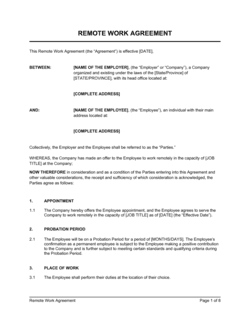
Defining remote work behavioral and communication expectationsRemote Work Agreement
Formalizing a code of ethics for leadership and board membersCode of Ethics
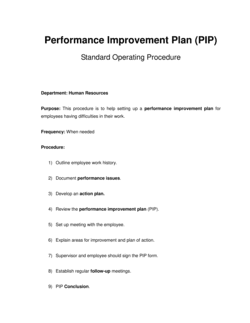
Creating a performance improvement process tied to cultural standardsPerformance Improvement Plan
Onboarding employees with a structured first-week checklistEmployee Onboarding Checklist

Common mistakes to avoid

❌ Using aspirational language instead of mandatory language

Why it matters: Words like 'should' and 'strive to' create no enforceable obligation. When a disciplinary action is challenged, vague language is the first line of defense for the employee.

Fix: Replace 'employees should respect colleagues' with 'employees are required to treat all colleagues with professional respect.' Review every behavioral standard for mandatory language before distribution.

❌ No defined reporting timeline

Why it matters: A reporting clause with no response deadline leaves complaints unresolved indefinitely. Employees who report and hear nothing stop reporting — and regulators view unresolved complaints as evidence of a systemic failure.

Fix: Commit to specific business-day windows for acknowledgment (2 days), initial investigation update (10 days), and final resolution (30 days). Put these timelines in the document, not just internal HR procedures.

❌ Omitting the anti-retaliation clause

Why it matters: Without explicit anti-retaliation language, employees reasonably fear that reporting a manager will cost them their job. This makes the accountability mechanism functionally useless and increases legal exposure in jurisdictions where retaliation protections are mandatory.

Fix: Add a standalone anti-retaliation clause that names specific consequences for retaliatory conduct and applies regardless of whether the underlying complaint was upheld.

❌ Collecting signatures without a timestamped record

Why it matters: A signature with no date or system record is difficult to rely on in a disciplinary hearing or wrongful-termination claim. The employee can plausibly claim they never received or read the document.

Fix: Use an e-signature platform or HRIS system that timestamps acknowledgments and stores a tamper-evident record accessible to HR within 24 hours of any dispute.

The 10 key clauses, explained

Purpose and Scope

In plain language: States why the document exists, which employees and locations it covers, and the organization's intention in establishing formal cultural standards.

Sample language
This Workplace Culture Worksheet ('Document') sets out the values, behavioral expectations, and accountability structures of [COMPANY NAME] ('Company'), applicable to all employees, contractors, and interns engaged by the Company at [LOCATION(S)] effective [EFFECTIVE DATE].

Common mistake: Limiting scope to full-time employees only. Contractors, interns, and agency workers who interact with staff can violate cultural standards just as easily — and excluding them creates an enforcement gap that is difficult to close after an incident.

Core Values Declaration

In plain language: Lists the organization's three to seven core values by name and provides a one-to-two sentence behavioral definition of each one.

Sample language
The Company's core values are: (1) [VALUE NAME]: [BEHAVIORAL DEFINITION]; (2) [VALUE NAME]: [BEHAVIORAL DEFINITION]; (3) [VALUE NAME]: [BEHAVIORAL DEFINITION]. All employees are expected to demonstrate these values in their day-to-day conduct.

Common mistake: Listing values without behavioral definitions. 'Integrity' and 'excellence' mean nothing enforceable without a sentence explaining what those values look like in a specific workplace interaction.

Expected Behavioral Standards

In plain language: Describes concrete behaviors employees must demonstrate — covering communication tone, professional conduct, punctuality, and treatment of colleagues and clients.

Sample language
Employees are expected to: (a) communicate with colleagues and clients in a respectful, constructive manner; (b) arrive on time for scheduled commitments; (c) refrain from conduct that demeans, intimidates, or excludes any individual; and (d) [ADDITIONAL STANDARDS AS APPLICABLE].

Common mistake: Framing behavioral standards as aspirational suggestions rather than requirements. Using 'should' instead of 'are expected to' or 'must' weakens enforceability and makes disciplinary action harder to defend.

Communication and Respect Guidelines

In plain language: Sets specific standards for verbal, written, and digital communication — including meeting conduct, messaging platforms, and escalation language.

Sample language
All written communications, including email and messaging platforms, must be professional in tone. Employees shall not use communications channels to circulate content that is discriminatory, harassing, or demeaning. Disagreements shall be addressed directly and constructively, beginning with the relevant party before escalating to [SUPERVISOR TITLE].

Common mistake: Failing to name the digital platforms explicitly. A policy that covers 'written communications' but does not mention Slack, Teams, or internal chat tools leaves a significant behavioral gray area for exactly the channels where most misconduct now occurs.

Diversity, Equity, and Inclusion Commitments

In plain language: States the employer's commitment to equitable treatment across protected characteristics and identifies the specific actions the organization takes to support inclusion.

Sample language
The Company is committed to maintaining a workplace free from discrimination based on [LIST PROTECTED CHARACTERISTICS PER APPLICABLE LAW]. The Company will [SPECIFIC ACTIONS: e.g., conduct annual pay equity reviews, provide DEI training by Month/Year, maintain an anonymous reporting channel].

Common mistake: Reciting protected-characteristic lists without specifying what the employer actually does to support inclusion. A commitment clause with no action items is unenforceable and provides no meaningful protection against a discrimination claim.

Accountability and Reporting Procedures

In plain language: Defines how employees report cultural violations — who receives reports, how they are investigated, and what timeline the company commits to for resolution.

Sample language
Employees who observe or experience conduct inconsistent with this Document should report it to [DESIGNATED CONTACT / HR] within [X] days of the incident. The Company will acknowledge receipt within [X] business days and complete an initial investigation within [X] days. Reports may be made anonymously via [CHANNEL].

Common mistake: Providing a reporting contact but no timeline commitment. Without a defined response window, complaints can sit unresolved for weeks, increasing legal exposure under anti-harassment statutes and eroding employee trust in the process.

Anti-Retaliation Commitment

In plain language: Confirms that employees who report violations in good faith are protected from adverse employment actions and describes the consequences for retaliatory conduct.

Sample language
The Company prohibits retaliation against any employee who reports a violation of this Document in good faith. Any employee found to have engaged in retaliation will be subject to disciplinary action up to and including termination, regardless of whether the underlying complaint was substantiated.

Common mistake: Omitting the anti-retaliation clause entirely. Without it, employees are unlikely to use reporting channels, and the organization loses its best early-warning system for misconduct. In many jurisdictions, retaliation protections are also legally required for harassment reporting.

Leadership Accountability

In plain language: Places specific obligations on managers and executives to model the values, respond to concerns promptly, and not leverage positional power to avoid accountability.

Sample language
Managers and executives are held to the same behavioral standards as all employees and bear additional responsibility to model the Company's values in their daily conduct. Managers who receive a report of a cultural violation must escalate it to [HR / DESIGNATED CONTACT] within [X] business days, regardless of whether they believe the report is substantiated.

Common mistake: Applying the same generic accountability section to managers and individual contributors without additional obligations for those in positions of authority. Courts and regulators consistently hold that supervisors who knew or should have known about misconduct and failed to act share in organizational liability.

Conflict Resolution Protocol

In plain language: Sets out a step-by-step escalation path for resolving interpersonal disputes — from direct conversation to HR involvement to formal mediation — before litigation becomes necessary.

Sample language
Step 1: Employee raises the concern directly with the other party within [X] days if it is safe to do so. Step 2: If unresolved, the concern is escalated to [SUPERVISOR / HR] within [X] days. Step 3: If still unresolved, a formal mediation session is scheduled within [X] business days. Step 4: If mediation fails, the matter is referred to [ARBITRATION / APPLICABLE PROCESS].

Common mistake: Skipping the direct-conversation step and routing all conflicts immediately to HR. This overwhelms HR with minor interpersonal issues and prevents the parties from developing the communication skills the document is meant to reinforce.

Employee Acknowledgment and Signature Block

In plain language: Confirms the employee has read, understood, and agreed to comply with the document — and creates a dated record of that acknowledgment.

Sample language
I, [EMPLOYEE FULL NAME], acknowledge that I have received, read, and understood the Workplace Culture Worksheet dated [DATE]. I agree to comply with the standards set out herein and understand that violations may result in disciplinary action up to and including termination. Signature: _______________ Date: _______________

Common mistake: Collecting signatures electronically without storing a timestamped record. An undated or undocumented signature is almost useless in a disciplinary hearing or wrongful-termination claim — use a system that logs the exact date and time of acknowledgment.

How to fill it out

  1. 1

    Identify your organization's core values with your leadership team

    Before opening the template, hold a working session with two to five leaders to agree on three to seven values. Write a one-sentence behavioral definition for each one — what does this value look like when an employee is living it on a Tuesday afternoon?

    💡 Limit yourself to seven values maximum. Organizations that list twelve or more values signal that nothing is actually prioritized, and employees cannot remember or apply more than seven.

  2. 2

    Complete the purpose and scope section

    Enter your company's registered legal name, the locations or business units covered, and the effective date. Confirm whether contractors and part-time workers are included — document your decision and apply it consistently.

    💡 If the document covers multiple countries, list each jurisdiction separately in the scope clause and note that local law governs where it conflicts with this document.

  3. 3

    Draft specific behavioral standards for your industry context

    Replace the placeholder behavioral standards with at least six specific behaviors relevant to how your team actually works — remote or in-person, client-facing or internal, shift-based or salaried.

    💡 Test each behavioral standard by asking: 'Could I use this to support a disciplinary decision?' If the answer is no, the standard is too vague.

  4. 4

    Name your reporting contacts and set response timelines

    Enter the name or title of the designated report recipient, the anonymous reporting channel (if available), and the specific number of business days for acknowledgment and initial investigation.

    💡 Avoid naming only one person as the report recipient. If the designated contact is the subject of the complaint, employees need an alternative — list a secondary contact or an external hotline.

  5. 5

    Tailor the DEI commitments to your actual practices

    List only the specific actions your organization currently takes or has a funded plan to implement within the next 12 months. Remove any commitment you cannot demonstrate if challenged.

    💡 Overpromising in a DEI commitment clause creates legal exposure — a plaintiff's attorney will use your own document to show the gap between your stated commitments and your actual practices.

  6. 6

    Review the conflict resolution protocol against your existing HR processes

    Confirm that the escalation steps in the template align with your employee handbook, HR policies, and any union agreements. Timelines should match what your HR team can actually deliver.

    💡 If you have an employee assistance program (EAP) or external ombudsperson, reference them explicitly as a resource at Step 2 of the conflict resolution protocol.

  7. 7

    Have legal counsel review before distribution

    Share the completed document with employment counsel or a qualified HR professional before signing or distributing. Confirm that behavioral standards, protected-characteristic lists, and reporting timelines comply with applicable law in every location where employees work.

    💡 A one-hour employment lawyer review typically costs $150–$400 and is worthwhile for any document that creates disciplinary obligations or modifies employment terms.

  8. 8

    Obtain signatures before or on the employee's first day

    Distribute the document to all existing employees and collect signed acknowledgments within 30 days. For new hires, include it in the onboarding package and collect signature before or on day one.

    💡 Store signed copies in a centrally accessible HR system — not individual managers' email folders. You need to be able to produce any signed copy within 24 hours in a dispute.

Frequently asked questions

What is a workplace culture worksheet?

A workplace culture worksheet is a structured document that formally defines an organization's core values, behavioral expectations, accountability mechanisms, and cultural commitments in writing. Unlike a general handbook, it focuses specifically on the interpersonal and organizational standards that shape day-to-day conduct — and it typically includes a signature block that makes those standards binding on the employee as a condition of employment.

Is a workplace culture document legally binding?

A workplace culture worksheet is generally enforceable when it is written in mandatory language, reviewed by employment counsel for compliance with local law, and signed by the employee before or at the start of employment. Courts in most jurisdictions treat signed workplace policy documents as part of the employment relationship. However, a document that uses purely aspirational language or is inconsistently applied is unlikely to support a disciplinary decision.

Who should sign a workplace culture worksheet?

Both the employer representative — typically an HR manager or senior leader — and the employee should sign the document. Leadership accountability clauses are stronger when a senior leader also signs, demonstrating that cultural standards apply at every level. For new hires, collect signatures before or on the first day of employment; for existing employees introducing the document for the first time, allow 30 days and document receipt.

How is a workplace culture worksheet different from an employee handbook?

An employee handbook is a comprehensive reference document covering policies across benefits, leave, compensation, conduct, and procedures. A workplace culture worksheet is narrower and more focused — it distills the organization's values and behavioral standards into a shorter, signed commitment document. The two complement each other: the handbook governs policy; the worksheet reinforces culture and behavioral accountability as a standalone acknowledgment.

Can I use the same workplace culture document across multiple countries?

You can use a single base document, but local legal review is required for every jurisdiction where employees work. Protected-characteristic lists, mandatory reporting timelines, anti-retaliation obligations, and the enforceability of behavioral standards differ significantly between the US, Canada, the UK, and EU member states. The document should include a clause stating that local law governs where it conflicts with the document's terms.

What happens if an employee refuses to sign the workplace culture worksheet?

In most at-will employment jurisdictions, an employer can require signature as a condition of continued employment and treat refusal as a resignation or grounds for termination with appropriate notice. In jurisdictions with stronger employee protections — Canada, the UK, and the EU — the approach is more nuanced and typically requires consultation with employment counsel before taking adverse action. Document the refusal in writing regardless of jurisdiction.

How often should a workplace culture worksheet be updated?

Review and update the document at least annually, or whenever there is a significant organizational change — a merger, leadership transition, change in work model (e.g., moving to hybrid), or a material update to anti-discrimination or reporting laws in any jurisdiction where employees work. Distribute the revised version and collect fresh signatures within 30 days of each update.

Should contractors and freelancers sign a workplace culture worksheet?

Yes, in most cases. Contractors who interact with employees or clients can engage in the same conduct — harassment, disrespect, exclusionary behavior — that the document is designed to prevent. Including them in scope also protects the organization from vicarious liability claims. Use language that acknowledges their independent status while still applying behavioral standards: 'You are engaged as an independent contractor; the behavioral standards in this document apply to your conduct while performing services for [COMPANY NAME].'

Do I need a lawyer to create a workplace culture document?

For small, single-jurisdiction employers with straightforward workforces, a high-quality template reviewed by an HR professional is often sufficient. Legal review is strongly recommended when the document covers multiple jurisdictions, when it modifies existing employment terms, or when the organization is in a regulated industry where conduct standards intersect with compliance obligations. A one-to-two hour employment lawyer review typically costs $150–$600 and is the most cost-effective safeguard against an unenforceable document.

How this compares to alternatives

vs Employee Handbook

An employee handbook is a comprehensive reference covering every workplace policy — leave, compensation, benefits, safety, and conduct. A workplace culture worksheet is a shorter, focused document that distills values and behavioral commitments into a signed acknowledgment. The handbook governs operational policy; the worksheet reinforces culture. Organizations should maintain both, with the worksheet referencing the handbook for procedural detail.

vs Employment Contract

An employment contract governs the legal terms of the working relationship — compensation, duties, IP, and termination. A workplace culture worksheet governs how the employee is expected to behave within that relationship. The contract is the foundation; the worksheet builds the behavioral layer on top. Both should be signed before day one, and the contract should cross-reference the worksheet as a binding policy.

vs Code of Ethics

A code of ethics sets out the moral and professional principles guiding organizational decision-making — particularly for leaders and client-facing roles. A workplace culture worksheet covers the full workforce and focuses on day-to-day behavioral standards and interpersonal conduct. They overlap in values language but serve different audiences: the code of ethics targets decisions; the culture worksheet targets interactions.

vs Performance Improvement Plan

A performance improvement plan is a remediation document used after behavioral or performance standards have already been violated. A workplace culture worksheet is a preventive document that establishes those standards before any violation occurs. The culture worksheet is the reference point that makes a PIP enforceable — without documented standards, a PIP has no baseline to measure against.

Industry-specific considerations

Technology / SaaS

Remote and hybrid team behavioral standards, digital communication channel conduct rules, and explicit psychological safety commitments for high-pressure engineering environments.

Healthcare

Patient-care conduct standards, mandatory HIPAA-adjacent confidentiality norms, and elevated leadership accountability given the power differential between clinicians and administrative staff.

Professional Services

Client-facing communication standards, billing ethics, and anti-discrimination provisions tailored to high-turnover, apprenticeship-style environments such as law firms and consulting practices.

Retail / Hospitality

Customer interaction behavioral standards, shift-team respect protocols, and accessible reporting channels designed for employees who may not have regular computer or email access.

Jurisdictional notes

United States

Federal law (Title VII, ADA, ADEA, and NLRA) sets minimum anti-discrimination and anti-retaliation floors. State law varies significantly — California, New York, and Illinois impose additional mandatory harassment training, expanded protected characteristics, and strict retaliation protections. The NLRA limits employers' ability to restrict employee discussions about wages and working conditions, so behavioral standards must be drafted carefully to avoid chilling protected concerted activity.

Canada

All Canadian provinces impose occupational health and safety obligations that include psychological harassment prevention — Ontario's Workplace Violence and Harassment provisions and Quebec's Act Respecting Labour Standards (section 81.19) are the most prescriptive. Quebec requires that workplace policy documents be provided in French to francophone employees. Behavioral standards and reporting timelines must align with provincial Employment Standards Act requirements, which vary by province.

United Kingdom

The Equality Act 2010 mandates protection across nine protected characteristics and imposes employer liability for third-party harassment in certain circumstances. The Worker Protection (Amendment of Equality Act 2010) Act 2023 introduced a positive duty on employers to take reasonable steps to prevent sexual harassment, making a documented culture framework increasingly important. Whistleblowing protections under the Public Interest Disclosure Act 1998 apply to employees who report cultural violations involving legal breaches.

European Union

EU Directive 2019/1937 (the Whistleblower Protection Directive) requires employers with 50 or more workers to establish formal internal reporting channels — a workplace culture document that includes a compliant reporting procedure directly supports this obligation. GDPR applies to personal data processed during misconduct investigations; data minimization and retention limits must be built into reporting procedures. Anti-discrimination standards vary by member state, with France, Germany, and the Netherlands imposing some of the most detailed requirements.

Template vs lawyer — what fits your deal?

PathBest forCostTime
Use the templateSingle-jurisdiction small employers formalizing cultural norms for the first timeFree2–4 hours to complete and distribute
Template + legal reviewEmployers with 20 or more employees, multi-location operations, or recent HR incidents$150–$600 for a one-to-two hour employment lawyer or HR consultant review3–5 business days
Custom draftedMulti-jurisdiction employers, regulated industries, or organizations undergoing a formal culture-change program with legal risk exposure$1,000–$4,000 for a fully custom employment counsel draft1–3 weeks

Glossary

Workplace Culture
The shared values, behavioral norms, and unwritten rules that shape how people within an organization interact and make decisions day to day.
Core Values
A defined set of principles — typically three to seven — that an organization commits to upholding in its decisions, communications, and treatment of employees and customers.
Behavioral Standards
Written expectations describing how employees are required to act toward colleagues, clients, and leadership in specific workplace situations.
Accountability Mechanism
A documented process — such as a reporting line, review cycle, or disciplinary procedure — that gives employees a way to flag violations of cultural standards and ensures consequences follow.
Psychological Safety
A workplace condition in which employees feel safe to raise concerns, admit mistakes, and disagree with leadership without fear of retaliation.
Inclusion Commitment
A formal statement and set of practices by which an employer pledges to prevent discrimination and create equitable conditions for all employees regardless of protected characteristics.
Conflict Resolution Protocol
A step-by-step procedure defining how disputes between employees are raised, escalated, investigated, and resolved without requiring immediate litigation.
Leadership Commitment Clause
A section of the document in which management formally acknowledges their obligation to model the values and standards the organization sets for all employees.
Acknowledgment Block
A signature section in which employees confirm they have read, understood, and agree to abide by the standards set out in the document.
Cultural Onboarding
The structured process of introducing a new hire to an organization's values, behavioral expectations, and cultural norms as part of their first days of employment.
Anti-Retaliation Policy
A written commitment that employees who report misconduct or cultural violations in good faith will not face adverse employment consequences as a result.

Part of your Business Operating System

This document is one of 3,000+ business & legal templates included in Business in a Box.

  • Fill-in-the-blanks — ready in minutes
  • 100% customizable Word document
  • Compatible with all office suites
  • Export to PDF and share electronically

Create your document in 3 simple steps.

From template to signed document — all inside one Business Operating System.
1
Download or open template

Access over 3,000+ business and legal templates for any business task, project or initiative.

2
Edit and fill in the blanks with AI

Customize your ready-made business document template and save it in the cloud.

3
Save, Share, Send, Sign

Share your files and folders with your team. Create a space of seamless collaboration.

Save time, save money, and create top-quality documents.

★★★★★

"Fantastic value! I'm not sure how I'd do without it. It's worth its weight in gold and paid back for itself many times."

Managing Director · Mall Farm
Robert Whalley
Managing Director, Mall Farm Proprietary Limited
★★★★★

"I have been using Business in a Box for years. It has been the most useful source of templates I have encountered. I recommend it to anyone."

Business Owner · 4+ years
Dr Michael John Freestone
Business Owner
★★★★★

"It has been a life saver so many times I have lost count. Business in a Box has saved me so much time and as you know, time is money."

Owner · Upstate Web
David G. Moore Jr.
Owner, Upstate Web

Run your business with a system — not scattered tools

Stop downloading documents. Start operating with clarity. Business in a Box gives you the Business Operating System used by over 250,000 companies worldwide to structure, run, and grow their business.

Free Forever Plan · No credit card required