- Due Diligence
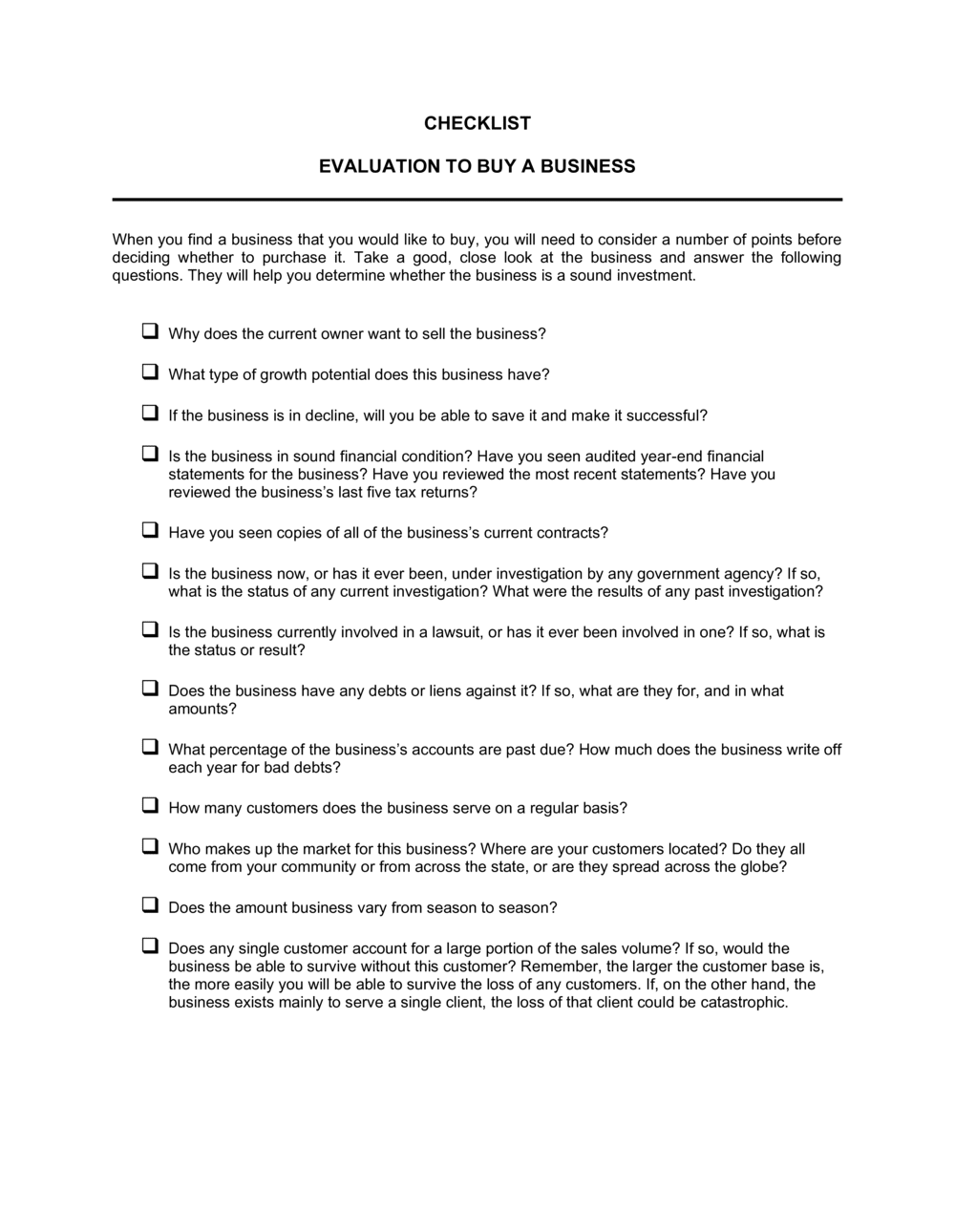
- The systematic investigation of a business's financial, legal, and operational condition before a buyer completes a purchase.
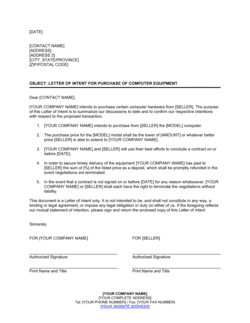
- Letter of Intent (LOI)
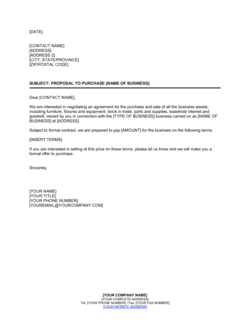
- A non-binding document that outlines the proposed terms of a business acquisition before a formal purchase agreement is drafted.
- Seller's Discretionary Earnings (SDE)
- A measure of a small business's true owner earnings, calculated by adding back the owner's compensation, personal expenses, and non-cash charges to net income.
- EBITDA
- Earnings Before Interest, Taxes, Depreciation, and Amortization — a standard profitability metric used to compare businesses and set acquisition valuations.
- Customer Concentration
- The degree to which a business's revenue depends on a small number of customers; high concentration (one customer exceeding 20% of revenue) is a material acquisition risk.
- Working Capital
- Current assets minus current liabilities — the liquid buffer a business needs to fund day-to-day operations after the sale closes.
- Goodwill
- The premium paid above the fair market value of a business's tangible assets, reflecting brand, customer relationships, and reputation.
- Earnout
- A portion of the purchase price paid to the seller after closing, contingent on the business meeting agreed performance targets over a defined period.
- Accounts Receivable Aging
- A report grouping outstanding customer invoices by how long they have been unpaid, used to assess collectability risk during acquisition evaluation.
- Key Person Risk
- The risk that a business's revenue or operations depend heavily on one individual — typically the owner — whose departure after the sale could harm the business.