I Look Forward to Meeting with You Template

Free Word download • Edit online • Save & share with Drive • Export to PDF

1 page20–30 min to fillDifficulty: Standard
Learn more ↓
FreeI Look Forward to Meeting with You Template

At a glance

What it is
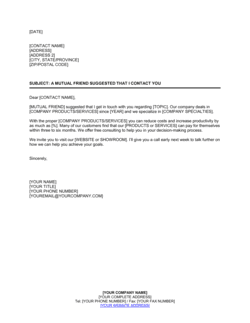
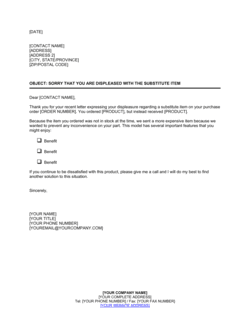
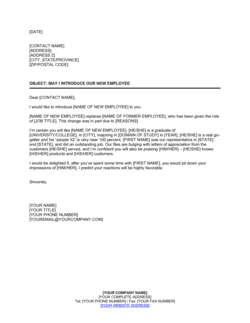
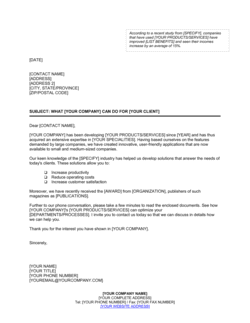
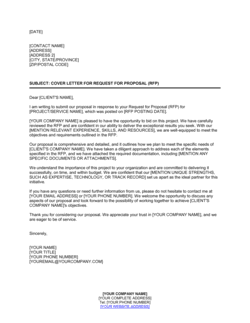
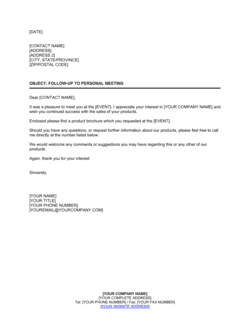
The "I Look Forward to Meeting With You" letter is a formal business correspondence document used to request, confirm, or follow up on a scheduled meeting with a client, executive, partner, or colleague. This free Word download gives you a professionally structured template you can edit online and send as a PDF or printed letter — covering the meeting purpose, date and location, agenda items, and a courteous call to action.
When you need it
Use it when you need to formally request or confirm a meeting with a counterparty — before a first client consultation, after an initial phone call, or ahead of a high-stakes negotiation or partnership discussion. It is especially useful when the meeting involves multiple stakeholders and a written record of the proposed agenda is expected.
What's inside
Sender and recipient details, a clear statement of the meeting purpose, proposed or confirmed date and time, location or virtual meeting link, a structured agenda outline, pre-meeting preparation requests, and a polite confirmation or RSVP call to action.

What is an "I Look Forward to Meeting With You" Letter?

An "I Look Forward to Meeting With You" letter is a formal business correspondence document used to request, confirm, or follow up on a scheduled meeting with a client, partner, executive, or official. The phrase itself typically appears in the closing of the letter as a courteous and professional expression of intent, but the document as a whole functions as a structured communication that establishes the meeting's purpose, proposed timing, location, agenda, and any preparation expected from the recipient. It follows standard formal letter conventions — letterhead, date, salutation, body, and complimentary close — and is delivered as a printed letter or PDF attachment rather than inline email text.

Why You Need This Document

Relying solely on informal email or verbal scheduling for important business meetings creates real operational risk: no written record of the agreed purpose, no shared agenda to hold participants accountable, and no documented confirmation that both parties understood the meeting's scope. When a meeting precedes a negotiation, a client pitch, a performance discussion, or a regulatory interaction, a vague or informal invitation can undermine your credibility before the conversation even begins. A well-structured meeting request letter signals professionalism, respects the recipient's time by setting a clear agenda, and creates a paper trail that protects both parties if the meeting's purpose or outcome is later disputed. This template gives you a professionally formatted, immediately editable starting point that covers every element of an effective meeting request — so you spend your time on the substance of the conversation, not the formatting of the letter.

Which variant fits your situation?

If your situation is…Use this template
Requesting a first meeting with a prospective clientBusiness Meeting Request Letter
Confirming a meeting that has already been verbally agreed uponMeeting Confirmation Letter
Following up after a meeting to recap and confirm next stepsMeeting Follow-Up Letter
Requesting a formal job interview or candidate assessment meetingInterview Invitation Letter
Notifying an employee of a disciplinary or performance review meetingEmployee Meeting Notice Letter
Scheduling a meeting to present a business proposalBusiness Proposal Cover Letter
Arranging a meeting to negotiate contract termsContract Negotiation Meeting Request

Common mistakes to avoid

❌ Burying the meeting purpose in the second paragraph

Why it matters: Busy recipients skim the first few lines and set aside letters that do not immediately communicate their purpose. A buried purpose statement results in lower response rates and delayed confirmations.

Fix: State the meeting purpose and your name or organization in the first two sentences of the opening paragraph, before any context-setting or pleasantries.

❌ Offering only one date and time option

Why it matters: A single time slot forces unnecessary back-and-forth that can stretch scheduling over a week or more, especially with senior executives whose calendars are managed by assistants.

Fix: Propose two or three specific date-and-time options and explicitly invite the recipient to suggest an alternative if none of them work.

❌ No agenda in the letter

Why it matters: Without an agenda, recipients cannot assess whether the meeting is relevant or how to prepare. This reduces acceptance rates and leads to unproductive meetings where participants show up without the right information.

Fix: Include a three-to-five item agenda with time estimates, even if it is preliminary. Note that the agenda can be adjusted based on the recipient's priorities.

❌ Using a generic or vague subject line

Why it matters: Subject lines like 'Meeting' or 'Request' give the recipient no context and are easily deprioritized or mistakenly filtered as low-priority correspondence.

Fix: Write a subject line that includes the meeting topic and proposed date — e.g., 'Re: Partnership Discussion — [DATE]' — so the recipient can identify and respond to it immediately.

❌ No RSVP deadline or contact details

Why it matters: A letter without a response deadline invites indefinite deferral. Without direct contact information, the recipient has no clear path to confirm, creating a gap that stalls scheduling entirely.

Fix: Set a specific RSVP date — three to five business days before the earliest proposed meeting — and include both a phone number and an email address for confirmation.

❌ Overly casual closing tone in a formal letter

Why it matters: Closing with 'Thanks!' or 'Talk soon!' undermines the professional tone established in the body and can signal inexperience to senior recipients unfamiliar with the sender.

Fix: Use a standard formal close — 'Sincerely,' 'Best regards,' or 'Yours faithfully' — followed by a printed name, title, and company name.

The 10 key clauses, explained

Letterhead and sender details

In plain language: Identifies the sender with their full name, title, organization, address, phone, and email — establishing the professional context of the letter.

Sample language
[SENDER FULL NAME] | [JOB TITLE] | [COMPANY NAME] | [ADDRESS] | [PHONE] | [EMAIL]

Common mistake: Using only a name and email without a title or company name. Recipients receiving a meeting request from an unfamiliar sender cannot assess who is writing or the legitimacy of the request.

Date and recipient details

In plain language: Records the date the letter was written and the recipient's full name, title, organization, and address.

Sample language
[DATE] | [RECIPIENT FULL NAME] | [RECIPIENT TITLE] | [RECIPIENT ORGANIZATION] | [RECIPIENT ADDRESS]

Common mistake: Using 'To Whom It May Concern' when the recipient is known. Addressed letters reach the intended person and are taken more seriously than generic salutations.

Subject line

In plain language: A brief, specific heading that tells the recipient the letter's purpose before they read the body.

Sample language
Re: Request for Meeting — [TOPIC/PROJECT NAME] on [PROPOSED DATE]

Common mistake: Writing a vague subject line like 'Meeting' or 'Request.' A specific subject — including the topic and proposed date — increases open and response rates.

Opening and meeting purpose statement

In plain language: Opens with a courteous introduction and clearly states why you are requesting the meeting and what outcome you hope to achieve.

Sample language
I am writing to request a meeting with you to discuss [SPECIFIC PURPOSE]. I believe this conversation will allow us to [INTENDED OUTCOME], and I look forward to the opportunity to speak with you directly.

Common mistake: Burying the meeting purpose in the second or third paragraph. Recipients skim letters — state the purpose in the first two sentences or risk the letter being set aside.

Proposed date, time, and location

In plain language: Offers one or more specific date and time options and states where the meeting will take place — in person, by phone, or via video conference.

Sample language
I propose we meet on [DATE] at [TIME] [TIMEZONE] at [LOCATION / via Zoom at LINK]. Alternatively, I am available on [DATE 2] at [TIME 2] if that is more convenient for your schedule.

Common mistake: Providing only one date and time with no alternative. A single option forces a back-and-forth exchange that delays scheduling, particularly with busy executives.

Agenda outline

In plain language: Lists the specific topics to be covered during the meeting so the recipient can prepare and confirm the scope is appropriate.

Sample language
Proposed agenda: (1) [TOPIC 1 — estimated 10 min]; (2) [TOPIC 2 — estimated 15 min]; (3) [TOPIC 3 — estimated 10 min]; (4) Next steps and action items — 5 min.

Common mistake: Omitting the agenda entirely. Without it, recipients cannot assess whether the meeting is relevant to them, which leads to lower confirmation rates and unprepared participants.

Pre-meeting preparation request

In plain language: Specifies any materials, data, or background reading the recipient should review or bring to the meeting.

Sample language
To make the best use of our time, I kindly ask that you review the attached [DOCUMENT NAME] and bring any questions or feedback regarding [SPECIFIC ITEM] to the meeting.

Common mistake: Making an overly broad preparation request like 'please review all recent correspondence.' Specific, bounded requests — one or two items — are far more likely to be completed.

Confirmation and RSVP request

In plain language: Asks the recipient to confirm their attendance by a specific date and provides contact details for doing so.

Sample language
Please confirm your availability by [RSVP DATE] by replying to this letter or contacting me at [PHONE / EMAIL]. If none of the proposed times suit your schedule, I am happy to arrange an alternative.

Common mistake: No RSVP deadline. Without a specific date, recipients defer responding, and the meeting remains unconfirmed.

Complimentary close and signature

In plain language: Closes the letter with a professional sign-off phrase, the sender's handwritten or digital signature, and their printed name and title.

Sample language
I look forward to meeting with you and to a productive discussion. Sincerely, [SENDER SIGNATURE] | [SENDER FULL NAME] | [TITLE] | [COMPANY NAME]

Common mistake: Closing with an overly casual phrase like 'Thanks' or 'Cheers' in a formal business letter. The tone of the close should match the formality established in the opening.

Enclosures or attachments note

In plain language: Indicates any documents attached to or enclosed with the letter — such as an agenda, background report, or proposal — so the recipient knows to look for them.

Sample language
Enclosures: [DOCUMENT 1 NAME]; [DOCUMENT 2 NAME]

Common mistake: Referencing attachments in the body but omitting the enclosure line. Recipients who receive the letter without the attachment have no formal record that one was intended.

How to fill it out

  1. 1

    Add your letterhead and sender details

    Enter your full name, job title, company name, mailing address, phone number, and email in the letterhead block. Use your organization's official letterhead if available.

    💡 A company letterhead adds credibility and is expected in formal business correspondence — even if the letter is ultimately sent as a PDF.

  2. 2

    Enter the date and recipient's details

    Write the full date the letter is being sent. Enter the recipient's full name, title, organization, and mailing or office address. Use the recipient's formal title (Mr., Ms., Dr.) unless you have an established first-name relationship.

    💡 Confirm the correct spelling of the recipient's name and their current title before sending — an error here signals carelessness before the meeting has even started.

  3. 3

    Write a specific subject line

    Write a subject line that identifies the meeting topic and proposed date. This helps the recipient route, prioritize, and find the letter later when confirming the appointment.

    💡 Include the project or initiative name if applicable — 'Re: Q3 Partnership Discussion — [DATE]' is far more specific than 'Meeting Request.'

  4. 4

    State the meeting purpose clearly in the opening paragraph

    In the first paragraph, explain who you are (if the recipient does not know you), why you are requesting the meeting, and what you hope to achieve. Keep this to three sentences or fewer.

    💡 Name a mutual connection or shared context in the opening line if one exists — it immediately establishes trust and relevance.

  5. 5

    Propose two or three specific date and time options

    Offer two or three alternatives with specific dates, times, and time zones. State whether the meeting will be in person, by phone, or via video conference, and include the location or link.

    💡 Propose times in the recipient's time zone if they are in a different region — this avoids scheduling errors and signals professional consideration.

  6. 6

    Include a brief agenda

    List three to five agenda items with estimated time allocations. Keep the total meeting time realistic — 30 to 60 minutes is appropriate for most initial or follow-up meetings.

    💡 Frame agenda items as questions or objectives ('Review Q2 performance data; discuss renewal options') rather than vague topics ('Q2 update').

  7. 7

    Add the RSVP request and your contact information

    Ask the recipient to confirm by a specific date — typically three to five business days before the proposed meeting. Include your direct phone number and email address.

    💡 If you are writing to a senior executive, address the RSVP to their executive assistant by name if you know it — this removes a routing step and accelerates confirmation.

  8. 8

    Proofread and send the correct format

    Read the letter aloud once to catch awkward phrasing. Export as PDF for digital delivery, or print on company letterhead for postal or in-person delivery.

    💡 Send a brief, friendly email with the letter attached as a PDF rather than pasting it into the email body — it preserves formatting and looks more professional.

Frequently asked questions

What is a 'I look forward to meeting with you' letter?

It is a formal business letter used to request, confirm, or follow up on a scheduled meeting with a client, executive, partner, or colleague. The phrase "I look forward to meeting with you" typically appears in the closing of the letter as a courteous expression of anticipation. The document as a whole establishes the meeting's purpose, logistics, agenda, and any preparation required from the recipient.

When should I use a meeting request letter instead of an email?

Use a formal letter when writing to a senior executive, government official, institutional client, or any counterparty where a professional paper record is expected or appropriate. An email is suitable for internal or informal scheduling. For first-contact situations with high-value prospects or partners, a formal letter on company letterhead signals seriousness and increases the likelihood of a response.

What should a professional meeting request letter include?

At minimum: sender and recipient details, a specific subject line, a clear meeting purpose statement, two or three proposed date and time options, a meeting location or virtual link, a brief agenda, any pre-meeting preparation requests, a specific RSVP deadline with contact details, and a professional closing. Missing any of these elements typically results in a delayed or incomplete response from the recipient.

How formal should the tone of a meeting request letter be?

Match the tone to the recipient and the relationship. For first-contact letters to executives or institutional clients, use formal language — full sentences, proper titles, and a standard complimentary close. For established business relationships, a semi-formal tone is acceptable, but standard letter conventions — date, salutation, body, closing — should still be followed. Avoid casual phrasing regardless of the relationship.

How many date and time options should I include in a meeting request?

Two or three options is standard. Fewer than two forces unnecessary back-and-forth; more than three can come across as uncertain about your own availability. Always include the time zone for each option, particularly when the recipient is in a different city or country. Explicitly invite the recipient to propose an alternative if none of the options work.

Should I include an agenda in a meeting request letter?

Yes, always. An agenda tells the recipient exactly what will be discussed, allows them to prepare relevant materials, and demonstrates that you respect their time by having a plan. Even a preliminary agenda of three to five items with estimated durations is significantly more effective than no agenda. Note in the letter that the agenda is preliminary and can be adjusted based on the recipient's priorities.

How long should a meeting request letter be?

One page is the standard and the maximum for most business contexts. A concise, well-structured letter with clear paragraphs for purpose, logistics, agenda, and RSVP is more effective than a detailed two-page letter. Senior recipients in particular respond better to brevity. If supporting documents are needed, attach them separately and reference them in the enclosures line rather than embedding the content in the letter.

Is it appropriate to send a meeting request letter by email?

Yes. Export the completed letter as a PDF and attach it to a short, professionally worded email that summarizes the request in two sentences. Avoid pasting the letter text directly into the email body — it loses formatting and looks less polished. For very senior or formal recipients, a printed letter sent by courier or first-class mail alongside the email reinforces the seriousness of the request.

How this compares to alternatives

vs Meeting Agenda

A meeting agenda is a standalone document distributed to confirmed attendees listing topics, times, and owners for a meeting that is already scheduled. A meeting request letter is a correspondence document used to propose the meeting and includes the agenda as one component. Use the request letter to secure the meeting, then distribute a standalone agenda to attendees once it is confirmed.

vs Business Introduction Letter

A business introduction letter introduces your company or yourself to a prospective client or partner without requesting a specific meeting. A meeting request letter builds on an introduction — it assumes some prior context and asks for a confirmed time to speak. Use the introduction letter first for cold outreach, then follow with a meeting request once the relationship is initiated.

vs Meeting Minutes

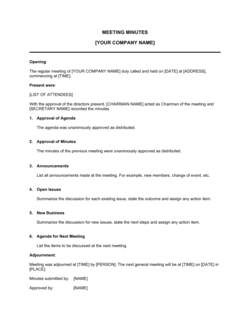
Meeting minutes document what was discussed, decided, and assigned during a meeting that has already taken place. A meeting request letter is a pre-meeting document proposing the meeting and its agenda. Both are part of the same meeting lifecycle — the request letter comes first and may be referenced in the minutes as context for why the meeting was called.

vs Cover Letter

A cover letter accompanies a proposal, application, or document package and summarizes its contents. A meeting request letter stands alone and is specifically designed to secure a scheduled conversation. While both follow formal letter conventions, they serve different purposes — a cover letter frames a document; a meeting request letter initiates an interaction.

Industry-specific considerations

Financial Services

Formal meeting requests are standard practice for client reviews, investment briefings, and regulatory interviews where a documented communication trail is expected.

Professional Services

Consultants and lawyers use meeting request letters to confirm client intake sessions, matter update meetings, and partner-level business development conversations.

Technology / SaaS

Sales teams use formal meeting letters to request enterprise discovery calls and executive briefings where a structured agenda increases the chances of a confirmed slot.

Healthcare

Administrative and clinical leaders use formal meeting letters for interdepartmental reviews, supplier negotiations, and regulatory compliance discussions requiring a written record.

Government and Public Sector

Formal correspondence conventions are mandatory in government contexts — meeting requests must follow prescribed formats and are retained as official records under public-records rules.

Real Estate

Brokers, developers, and investors use formal meeting letters to arrange site visits, due-diligence sessions, and lender presentations where a professional tone and written agenda are expected.

Jurisdictional notes

United States

In the US, formal business letters follow standard conventions but have no specific statutory requirements. However, meeting request letters sent in the context of litigation, regulatory proceedings, or administrative hearings may be subject to specific format and service rules — check applicable federal or state procedural rules. Letters sent to government officials should follow the agency's prescribed correspondence format.

Canada

Canadian business correspondence conventions are similar to those in the US and UK. In Quebec, written correspondence to provincially regulated entities must be in French under the Charter of the French Language; bilingual letters are acceptable in federal contexts. Meeting requests related to regulatory, labour, or administrative proceedings should follow the format prescribed by the relevant tribunal or agency.

United Kingdom

UK formal business letter conventions include the date in day-month-year format, the sender's address at the top right, and the recipient's address on the left. 'Yours sincerely' is the standard close when the recipient is named; 'Yours faithfully' is used when the letter opens with 'Dear Sir/Madam.' For correspondence with regulatory bodies such as the FCA or HMRC, follow the agency's published correspondence guidelines.

European Union

Formal business letter conventions vary by EU member state — German correspondence tends to be more structured and formal than French or Dutch business letters. When writing to EU institutions or agencies, follow the official correspondence guidelines published by the relevant body. Any personal data included in a meeting request letter — such as the recipient's name and contact details — is subject to GDPR, which requires that the data is used only for the stated purpose and retained no longer than necessary.

Template vs lawyer — what fits your deal?

PathBest forCostTime
Use the templateProfessionals and business owners requesting routine client, partner, or executive meetingsFree10–15 minutes per letter
Template + legal reviewMeeting requests related to legal disputes, regulatory matters, or high-stakes negotiations$100–$300 for a brief professional review1 business day
Custom draftedFormal correspondence to government bodies, regulators, or institutional counterparties where specific legal language or protocol is required$300–$8002–5 business days

Glossary

Meeting Request Letter
A formal written communication used to propose, confirm, or follow up on a scheduled business meeting with one or more recipients.
Agenda
An ordered list of topics or objectives to be addressed during the meeting, shared in advance to allow participants to prepare.
Call to Action (CTA)
A specific request at the close of a letter asking the recipient to respond, confirm attendance, or take a defined next step.
RSVP
An abbreviation from the French 'Répondez s'il vous plaît,' meaning 'please reply' — used to request a confirmation of attendance.
Salutation
The opening greeting of a formal letter, typically 'Dear [Name],' that establishes a professional and respectful tone.
Meeting Purpose Statement
A one-to-two sentence explanation of why the meeting is being requested and what outcome is expected from it.
Pre-Meeting Materials
Documents, data, or background information requested from or provided to participants before the meeting to maximize productive discussion.
Virtual Meeting Link
A URL or dial-in code for a video or telephone conference platform — such as Zoom, Teams, or Google Meet — included when the meeting is not in person.
Formal Business Correspondence
Written communication that follows established professional conventions — letterhead, date, salutation, body, closing, and signature — as opposed to informal email or messaging.
Complimentary Close
The sign-off phrase before the sender's name in a formal letter, such as 'Sincerely,' 'Best regards,' or 'Yours faithfully.'

Part of your Business Operating System

This document is one of 3,000+ business & legal templates included in Business in a Box.

  • Fill-in-the-blanks — ready in minutes
  • 100% customizable Word document
  • Compatible with all office suites
  • Export to PDF and share electronically

Create your document in 3 simple steps.

From template to signed document — all inside one Business Operating System.
1
Download or open template

Access over 3,000+ business and legal templates for any business task, project or initiative.

2
Edit and fill in the blanks with AI

Customize your ready-made business document template and save it in the cloud.

3
Save, Share, Send, Sign

Share your files and folders with your team. Create a space of seamless collaboration.

Save time, save money, and create top-quality documents.

★★★★★

"Fantastic value! I'm not sure how I'd do without it. It's worth its weight in gold and paid back for itself many times."

Managing Director · Mall Farm
Robert Whalley
Managing Director, Mall Farm Proprietary Limited
★★★★★

"I have been using Business in a Box for years. It has been the most useful source of templates I have encountered. I recommend it to anyone."

Business Owner · 4+ years
Dr Michael John Freestone
Business Owner
★★★★★

"It has been a life saver so many times I have lost count. Business in a Box has saved me so much time and as you know, time is money."

Owner · Upstate Web
David G. Moore Jr.
Owner, Upstate Web

Run your business with a system — not scattered tools

Stop downloading documents. Start operating with clarity. Business in a Box gives you the Business Operating System used by over 250,000 companies worldwide to structure, run, and grow their business.

Free Forever Plan · No credit card required