Thank You for Payment After Phone Call Template

Free Word download • Edit online • Save & share with Drive • Export to PDF

1 page20–30 min to fillDifficulty: StandardSignature requiredLegal review recommended
Learn more ↓
FreeThank You for Payment After Phone Call Template

At a glance

What it is
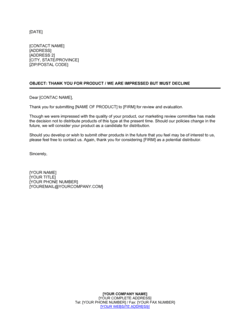
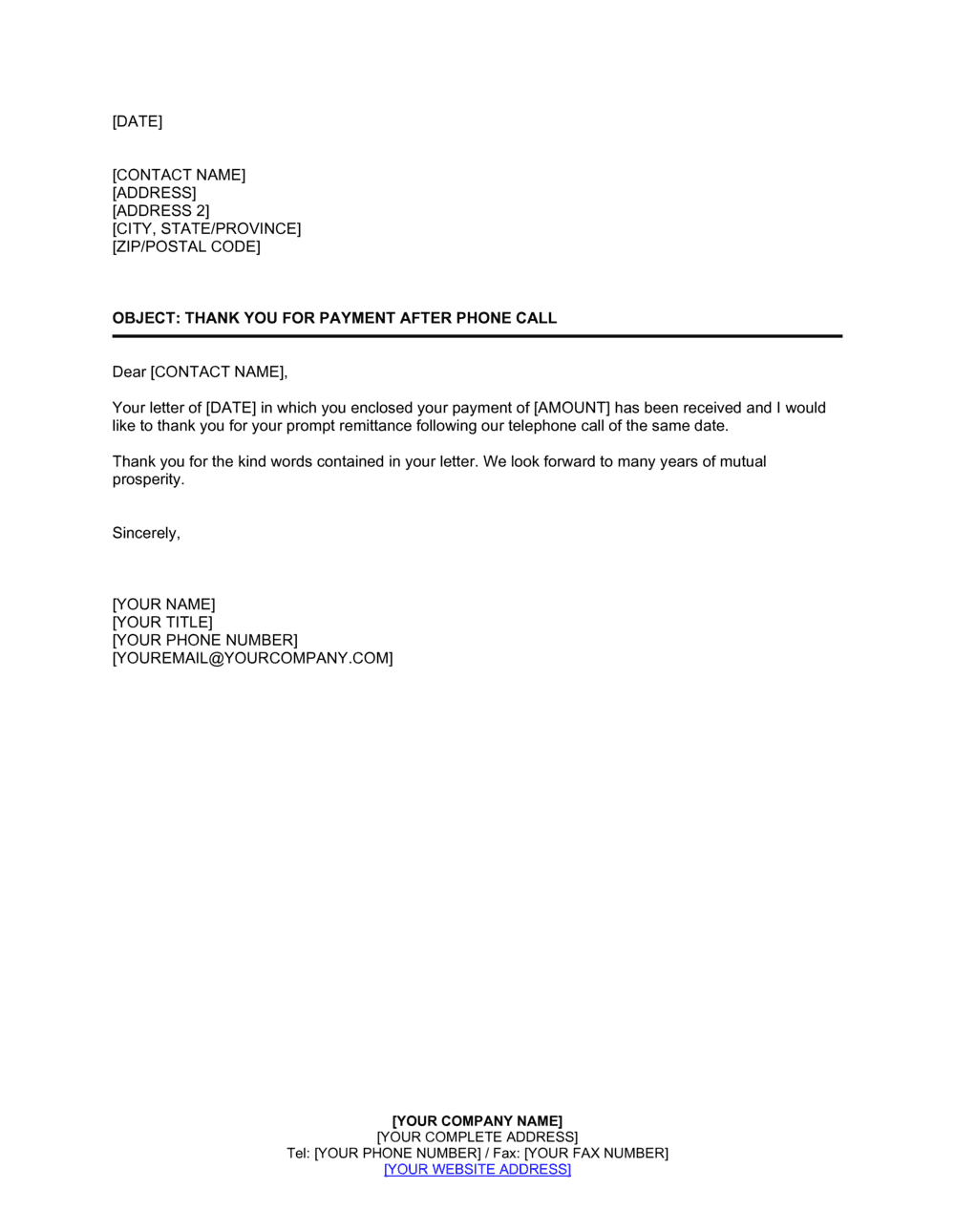
A Thank You For Payment After Phone Call letter is a formal written confirmation sent to a debtor immediately after a telephone conversation in which payment was promised or a repayment arrangement was agreed. This free Word download lets you document the agreed amount, due date, and any installment schedule while expressing goodwill — creating a paper trail that protects both parties if the payment does not arrive as discussed.
When you need it
Use it within 24 hours of any phone call in which a customer, client, or debtor verbally commits to paying an outstanding invoice or settling an overdue balance. It is equally relevant when formalizing a payment plan agreed during a collections call or a routine accounts-receivable follow-up.
What's inside
Sender and recipient identification, a reference to the specific phone call and date, the confirmed payment amount and due date, any installment terms discussed, the original invoice or account reference, next steps if payment is not received, and a closing expression of appreciation that preserves the business relationship.

What is a Thank You For Payment After Phone Call Letter?

A Thank You For Payment After Phone Call letter is a formal written confirmation dispatched by a creditor to a debtor immediately after a telephone conversation in which the debtor verbally committed to paying an outstanding invoice or agreed to a structured repayment arrangement. Despite its courteous framing, the letter functions as a legal document: it records the date of the call, the representative involved, the exact amount promised, the specific payment due date, and any installment schedule discussed — converting an ephemeral verbal exchange into a written record that both parties can rely on. The letter also includes a preservation-of-rights clause that protects the creditor's ability to pursue the full balance even when a partial payment arrangement has been made.

Why You Need This Document

A verbal commitment to pay is only as strong as your ability to prove it was made. Without a written confirmation sent within 24 hours of the call, a debtor can deny the agreed amount, dispute the due date, or claim the phone conversation never occurred — and you will have no documentary evidence to contradict them. In jurisdictions following the parol evidence rule, oral agreements that postdate a written contract are difficult to enforce without corroboration. Every day that passes between the call and a written record weakens your legal position and reduces the psychological pressure on the debtor to follow through. This template solves that problem in under 10 minutes: it documents the commitment, states the consequences of non-payment in factual terms, preserves your right to collect the full balance, and closes with professional courtesy that keeps the commercial relationship intact. For accounts receivable teams handling dozens of calls per week, a standardized template also eliminates the drafting variation that leads to incomplete or legally inadequate confirmation letters.

Which variant fits your situation?

If your situation is…Use this template
Debtor promised full payment in a single lump sum by a specific dateThank You For Payment After Phone Call (Lump Sum)
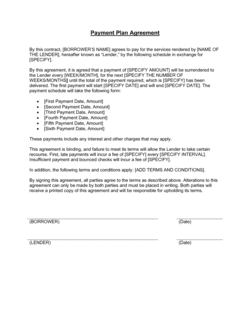
Debtor agreed to pay in weekly or monthly installmentsPayment Plan Agreement
No payment commitment was made and a formal demand is requiredPast Due Payment Reminder Letter
Payment has already been received and a receipt is neededPayment Receipt
Debtor is in significant default and legal escalation is imminentFinal Demand for Payment Letter
Confirming a settlement offer rather than full repaymentDebt Settlement Agreement
Sending a formal acknowledgment of partial payment receivedPartial Payment Acknowledgment Letter

Common mistakes to avoid

❌ Sending the letter more than 48 hours after the call

Why it matters: The longer the gap between the phone conversation and the written confirmation, the easier it is for the debtor to deny the terms or claim the agreement was different. Momentum built during the call dissipates quickly.

Fix: Send the letter the same day or, at latest, by the morning of the following business day. Use a template so drafting takes under 10 minutes.

❌ Using vague payment deadlines like 'as soon as possible'

Why it matters: Phrases like 'promptly' or 'upon receipt' are unenforceable and interpreted differently by every debtor. Without a specific date, you cannot trigger escalation steps on a defined schedule.

Fix: Always state a specific calendar date — 'by 5:00 p.m. on [DATE]' — that reflects the commitment made during the call.

❌ Omitting the non-waiver clause when accepting partial payment

Why it matters: Accepting a partial payment without reserving your rights can be construed as accord and satisfaction in several jurisdictions, potentially extinguishing the remaining balance.

Fix: Include explicit language stating that acceptance of partial payment does not waive the right to collect the full outstanding amount and does not constitute a full and final settlement.

❌ Failing to reference the specific invoice or account number

Why it matters: A letter that references only a dollar amount without tying it to a specific invoice is ambiguous — debtors with multiple accounts can claim the payment applies to a different balance.

Fix: Always include the invoice number, account number, and original invoice date in the letter header and body so the confirmed payment is unambiguously linked to the correct receivable.

❌ Sending only an email without a postal copy

Why it matters: An email alone can be deleted, filtered to spam, or disputed as undelivered. Courts and collections agencies expect evidence of delivery, and a postal record provides that.

Fix: Send by both email (with read receipt requested) and first-class or certified postal mail. Retain copies of both in the accounts-receivable file.

❌ Using an aggressive or accusatory tone in the non-payment consequences clause

Why it matters: Threatening language — 'we will immediately sue you' or 'your credit will be destroyed' — can constitute a violation of the Fair Debt Collection Practices Act (FDCPA) in the US and equivalent statutes elsewhere, exposing the creditor to liability.

Fix: Use factual, neutral language: 'we reserve the right to pursue further collection action, which may include referral to a collections agency or initiation of legal proceedings.' This preserves all remedies without triggering regulatory exposure.

The 9 key clauses, explained

Parties and account identification

In plain language: Identifies the creditor (sender) and debtor (recipient) by full legal name, mailing address, and account or invoice reference number.

Sample language
This letter is addressed to [DEBTOR FULL NAME / COMPANY NAME] at [ADDRESS] regarding Account No. [ACCOUNT NUMBER] / Invoice No. [INVOICE NUMBER].

Common mistake: Using only the debtor's first name or a trading name rather than their legal entity name — if the matter escalates to collections or court, the wrong name on the document creates identification problems.

Reference to the phone call

In plain language: Records the date and approximate time of the phone conversation during which payment was promised, and the name of the representative who took the call.

Sample language
Following our telephone conversation on [DATE] at approximately [TIME], during which you spoke with [REPRESENTATIVE NAME], we are pleased to confirm the payment arrangement discussed.

Common mistake: Omitting the call date entirely. Without a timestamped reference to the specific call, the debtor can later claim no such conversation occurred or that the terms discussed were different.

Confirmed payment amount

In plain language: States the exact dollar amount the debtor agreed to pay, including whether it represents full settlement or a partial payment toward the total outstanding balance.

Sample language
You have agreed to remit payment of [CURRENCY SYMBOL][AMOUNT] ([AMOUNT IN WORDS]), representing [full settlement of / a partial payment toward] the outstanding balance of [CURRENCY SYMBOL][TOTAL OUTSTANDING].

Common mistake: Stating only the partial payment amount without referencing the total outstanding balance — this can lead to disputes over whether the partial payment constitutes full and final settlement.

Due date and payment method

In plain language: Specifies the exact calendar date by which payment must be received and the accepted payment methods — bank transfer, check, online portal, or credit card.

Sample language
Payment is due no later than [DATE]. Accepted methods: bank transfer to [BANK NAME], Account No. [ACCOUNT], Routing No. [ROUTING]; check payable to [COMPANY NAME]; or online at [PAYMENT PORTAL URL].

Common mistake: Writing 'as soon as possible' instead of a specific date. This phrase is unenforceable and removes your ability to trigger follow-up or escalation steps on a defined schedule.

Installment schedule (if applicable)

In plain language: If a payment plan was agreed, lists each installment amount and its specific due date in a clear table or numbered list.

Sample language
In accordance with our agreement, payments shall be made as follows: Installment 1 — [AMOUNT] due [DATE]; Installment 2 — [AMOUNT] due [DATE]; Installment 3 — [AMOUNT] due [DATE].

Common mistake: Describing the installment plan in narrative prose without a structured schedule — ambiguous language about 'monthly payments' without fixed dates leads to recurring disputes over when each payment was actually due.

Consequences of non-payment

In plain language: States what action the creditor will take if payment is not received by the agreed date — typically a follow-up letter, referral to collections, or legal proceedings — without being threatening in tone.

Sample language
If we do not receive payment by [DATE], we reserve the right to pursue further collection action, which may include referral to a collections agency or initiation of legal proceedings, without further notice.

Common mistake: Omitting this clause entirely out of concern about seeming aggressive. Without it, the debtor has no documented understanding of the consequences of non-payment, weakening any subsequent legal action.

Preservation of rights

In plain language: Clarifies that sending this letter and accepting any partial payment does not waive the creditor's right to pursue the remaining balance or any other legal remedies.

Sample language
Acceptance of any partial payment shall not constitute a waiver of [COMPANY NAME]'s right to recover the full outstanding balance, nor shall it prejudice any other rights or remedies available at law or in equity.

Common mistake: Failing to include a non-waiver clause when accepting partial payment. Courts in several jurisdictions have found that accepting a partial payment labeled 'payment in full' can extinguish the remaining debt under accord and satisfaction.

Expression of appreciation and relationship maintenance

In plain language: Closes the letter with a genuine, professional thank-you that acknowledges the debtor's commitment and signals the creditor's intent to continue a positive business relationship.

Sample language
We appreciate your prompt attention to this matter and your commitment to resolving your account. We look forward to continuing our business relationship with you.

Common mistake: Skipping the thank-you entirely and closing with only the legal language. A courteous close reduces the chance that the debtor reacts defensively, improves payment follow-through, and preserves the commercial relationship.

Signature and contact details

In plain language: Identifies the authorized sender with name, title, and direct contact information so the debtor can reach the right person with questions or payment confirmation.

Sample language
Sincerely, [SENDER FULL NAME] | [TITLE] | [COMPANY NAME] | [PHONE NUMBER] | [EMAIL ADDRESS]

Common mistake: Signing with only a company name and general email address. Debtors who cannot reach a named individual quickly often delay payment further — a direct name and phone number reduces friction.

How to fill it out

  1. 1

    Complete the header with full party and account details

    Enter your company's legal name, address, and contact information in the sender block. Add the debtor's full legal name — individual or entity — and their billing address. Include the invoice or account number the letter relates to.

    💡 Pull the debtor's legal name directly from the original invoice or contract, not from a contact list — this ensures the name matches if the matter escalates.

  2. 2

    Reference the specific phone call by date, time, and representative

    Enter the exact date and approximate time of the collections call, and the name of the team member who spoke with the debtor. This creates a timestamped record that anchors the verbal commitment to a specific interaction.

    💡 Make this entry immediately after the call — waiting 24 hours risks misremembering the time or the representative's name.

  3. 3

    State the agreed payment amount and outstanding balance

    Enter the exact amount the debtor committed to paying, specify the currency, and note whether this is full settlement or a partial payment. Always include the total outstanding balance so the record is complete.

    💡 Write the amount in both numerals and words — e.g., '$1,500.00 (One Thousand Five Hundred Dollars)' — to eliminate any ambiguity about the figure agreed.

  4. 4

    Set a specific payment due date and list accepted methods

    Enter a specific calendar date — not 'within 30 days' or 'by end of month' — and list every accepted payment method with complete bank or portal details.

    💡 For debtors who are already overdue, choose a due date no more than 7–14 days from the letter date to maintain momentum from the call.

  5. 5

    Add the installment schedule if a payment plan was agreed

    If the debtor cannot pay in full, list each installment with its exact amount and calendar due date in a structured table. Number each installment clearly.

    💡 Keep installment intervals consistent — weekly or monthly — and avoid irregular gaps that create confusion about which payment is overdue.

  6. 6

    Include the consequences-of-non-payment clause

    Enter the specific escalation steps — collections referral, interest accrual, or legal proceedings — that will follow if payment is not received by the due date. Keep the language factual, not threatening.

    💡 Check that the consequences you list are consistent with your underlying contract or terms of service — do not threaten actions you are not entitled to take.

  7. 7

    Sign and send within 24 hours of the call

    Have the appropriate authorized representative sign the letter, then send it by email and postal mail. Sending by both channels creates two delivery records.

    💡 Request a read receipt on the email and keep a copy of the mailing confirmation. Both become important evidence if payment is not received.

  8. 8

    File the signed letter and set a follow-up reminder

    Store the signed copy in your accounts-receivable file alongside the original invoice and call log. Set a calendar reminder for the day after the payment due date to verify receipt.

    💡 A same-day follow-up call if payment is not received by 5 p.m. on the due date — while the letter is still fresh — significantly improves collection rates.

Frequently asked questions

What is a thank you for payment after phone call letter?

A thank you for payment after phone call letter is a written confirmation sent to a debtor immediately after a telephone conversation in which they verbally committed to paying an outstanding invoice or agreed to a repayment schedule. It documents the agreed amount, due date, and any installment terms, creating a paper trail that supports collections efforts if the payment does not arrive as promised. Despite its courteous tone, it functions as a legal record of the verbal commitment.

Is a verbal payment commitment legally binding?

In most jurisdictions, a verbal agreement to pay an existing debt is generally enforceable, particularly because it relates to an underlying written obligation such as an invoice or contract. However, proving the terms of a verbal agreement in court is difficult without corroborating evidence. A written confirmation letter sent promptly after the call provides that evidence and significantly strengthens your legal position if the debtor later disputes the terms or denies the commitment.

How soon after the phone call should I send this letter?

Send the letter the same day or, at the latest, within 24 hours of the phone call. The closer in time the written confirmation is to the verbal commitment, the harder it is for the debtor to dispute the terms or claim the conversation did not occur. Waiting several days also allows the urgency created during the call to dissipate, reducing the likelihood that payment actually arrives.

Does sending this letter require the debtor's signature?

This template includes a signature block for the sending party, which establishes authorship and authority. In most use cases, the debtor is not required to countersign — the letter is a confirmation of their verbal commitment, not a new bilateral agreement. However, for larger balances or formal installment plans, requesting the debtor's countersignature converts the letter into a written payment agreement, which is more enforceable and may be worth the additional step.

What should I do if the debtor does not pay by the agreed date?

If payment is not received by the specific date stated in the letter, follow the escalation path described in your consequences-of-non-payment clause. This typically means sending a formal past-due reminder within one to two business days, followed by a final demand letter if the reminder produces no response. The confirmation letter you sent after the call becomes important evidence at every subsequent stage, including any referral to collections or legal proceedings.

Can I use this letter for installment payment arrangements?

Yes. The template includes an installment schedule clause that lists each payment amount and its specific due date in a structured format. For a debtor who cannot pay in full, documenting the agreed installment plan in writing immediately after the call is especially important — without a written record, disputes about the amount or timing of each installment are nearly inevitable. For larger installment arrangements, consider using a formal Payment Plan Agreement alongside this letter.

Does this letter comply with the Fair Debt Collection Practices Act (FDCPA)?

This template is designed to avoid language that would violate the FDCPA in the US, which prohibits abusive, deceptive, or unfair debt collection practices. However, the FDCPA applies specifically to third-party debt collectors, not typically to original creditors collecting their own debts. Regardless of who sends the letter, avoid threats you are not legally entitled to carry out, misrepresentations of the amount owed, and language that could be construed as harassment. Consider having the letter reviewed by a collections attorney if you send high volumes of these letters as part of a formal collections program.

What is the difference between this letter and a formal demand for payment?

A thank-you-for-payment letter is sent after the debtor has already made a verbal commitment to pay — it confirms the terms and preserves goodwill while creating a legal record. A formal demand for payment is sent when no commitment has been made, or when prior follow-up attempts have failed, and it demands immediate payment under threat of legal action. The thank-you letter comes earlier in the collections sequence and is deliberately relationship-preserving in tone; the demand letter signals the final stage before escalation.

Should I send this letter by email or postal mail?

Send it by both. Email provides speed and a digital delivery record; postal mail — ideally first-class or certified — provides a physical delivery record that courts and collections agencies routinely accept as evidence. Request a read receipt on the email. Retain copies of both the sent email and the mailing confirmation in your accounts-receivable file alongside the original invoice and call log.

How this compares to alternatives

vs Past Due Payment Reminder Letter

A past-due reminder is sent when no payment commitment has yet been made — it notifies the debtor of the overdue amount and requests contact. A thank-you-for-payment letter is sent after the debtor has already verbally committed to paying, confirming the agreed terms. They serve sequential roles in the collections process: the reminder prompts a call; the confirmation letter documents what that call produced.

vs Final Demand for Payment Letter

A final demand letter is sent when prior follow-up attempts have produced no payment, and it signals imminent legal action. A thank-you-for-payment letter is sent at the opposite end of the collections sequence — after the debtor has cooperated and committed to paying. Using a final demand tone when a commitment has already been made is counterproductive and risks damaging the relationship unnecessarily.

vs Payment Plan Agreement

A payment plan agreement is a bilateral, signed contract that formally establishes an installment repayment schedule with legal obligations on both sides. The thank-you letter confirms a verbal commitment and documents the agreed terms, but it is typically signed by the creditor only. For large balances or high-risk debtors, use both: the letter provides immediate documentation; the signed agreement provides stronger legal enforceability.

vs Debt Settlement Agreement

A debt settlement agreement is used when the creditor agrees to accept less than the full amount owed as full and final settlement. A thank-you-for-payment letter confirms that the debtor will pay the full outstanding amount — or a structured installment plan toward full payment. If the debtor is proposing a reduced settlement, use the debt settlement agreement instead; sending a thank-you letter in that context without a non-waiver clause could inadvertently confirm a full-settlement interpretation.

Industry-specific considerations

Professional Services

Law firms, accounting practices, and consultancies use this letter to confirm fee payment commitments made during client calls, creating a record that satisfies professional trust accounting requirements.

Construction and Trades

Contractors and subcontractors use it to document progress-payment commitments from general contractors or project owners, supporting lien rights if payment is later withheld.

Healthcare

Medical billing departments use it to confirm patient or insurer payment commitments after billing calls, with HIPAA-compliant language that avoids disclosing protected health information in the letter body.

Retail and Wholesale

B2B suppliers use it to confirm buyer payment commitments on overdue trade accounts, maintaining supplier relationships while creating the paper trail needed for credit insurance claims.

Jurisdictional notes

United States

The Fair Debt Collection Practices Act (FDCPA) governs debt collection communications and prohibits abusive, deceptive, or harassing language. The FDCPA applies primarily to third-party collectors, but several states — including California, New York, and Texas — have enacted broader statutes covering original creditors as well. Avoid any language that overstates legal consequences or misrepresents the amount owed. State-level statutes of limitations on written contracts typically run 4–6 years, and a written payment confirmation can restart the clock in some states.

Canada

Each province has its own collection and debt recovery legislation — the Collection and Debt Settlement Services Act in Ontario and equivalent statutes elsewhere impose conduct requirements on collectors. Quebec correspondence must comply with the Charter of the French Language, requiring French versions for provincially regulated communications. Limitation periods for written contracts vary by province, typically ranging from 2 to 6 years; a written acknowledgment of debt can restart the limitation period under provincial statutes.

United Kingdom

The Financial Conduct Authority (FCA) regulates debt collection conduct in the UK, and the FCA's Consumer Credit sourcebook sets standards for fair treatment of debtors. The Limitation Act 1980 provides a 6-year limitation period for contract debts in England and Wales, but a written acknowledgment of the debt by the debtor restarts that period. Correspondence must be clear, not misleading, and must not apply undue pressure — the tone of this template is designed to meet those standards.

European Union

GDPR applies to any personal data included in collections correspondence — ensure you are processing debtor personal data lawfully and limit information to what is necessary for the purpose. The EU Late Payment Directive (2011/7/EU) entitles creditors to statutory interest and compensation on late B2B payments without needing to state this in a contract; referencing this entitlement in the consequences clause strengthens your position in member states. Individual member states have their own debt recovery procedures, with limitation periods ranging from 2 years (Germany) to 10 years (Italy) for acknowledged debts.

Template vs lawyer — what fits your deal?

PathBest forCostTime
Use the templateBusinesses and freelancers confirming standard invoice payment commitments under $10,000Free10 minutes per letter
Template + legal reviewHigher-value receivables, installment plans over multiple months, or debtors with a history of default$100–$300 for a collections attorney review1–2 business days
Custom draftedComplex commercial debt recovery, regulated collections programs, or cross-border receivables with jurisdictional complications$300–$800+3–5 business days

Glossary

Payment Commitment
A debtor's verbal or written promise to pay a specified amount by a specified date, which this letter converts into a documented record.
Accounts Receivable (AR)
Money owed to a business by customers for goods or services already delivered but not yet paid for.
Installment Plan
An arrangement to repay an outstanding balance in a series of scheduled partial payments rather than in a single lump sum.
Overdue Invoice
An invoice whose payment due date has passed without the full amount being received by the creditor.
Paper Trail
A sequence of written records documenting a transaction or agreement, used as evidence in disputes or collections proceedings.
Acknowledgment Letter
A formal letter confirming that a communication, promise, or transaction has been received or recorded by the sending party.
Dunning
The systematic process of contacting debtors at escalating intervals to collect overdue payments, typically moving from reminders to demand letters.
Good Faith
An honest intention to deal fairly with the other party — referenced in collections correspondence to preserve the commercial relationship during the recovery process.
Default
The failure to fulfill a payment obligation by the agreed deadline, which typically triggers escalation steps defined in the underlying contract.
Parol Evidence Rule
A legal doctrine that limits a party's ability to introduce verbal agreements as evidence when a written document exists — making this written confirmation important for enforcing verbal payment promises.

Part of your Business Operating System

This document is one of 3,000+ business & legal templates included in Business in a Box.

  • Fill-in-the-blanks — ready in minutes
  • 100% customizable Word document
  • Compatible with all office suites
  • Export to PDF and share electronically

Create your document in 3 simple steps.

From template to signed document — all inside one Business Operating System.
1
Download or open template

Access over 3,000+ business and legal templates for any business task, project or initiative.

2
Edit and fill in the blanks with AI

Customize your ready-made business document template and save it in the cloud.

3
Save, Share, Send, Sign

Share your files and folders with your team. Create a space of seamless collaboration.

Save time, save money, and create top-quality documents.

★★★★★

"Fantastic value! I'm not sure how I'd do without it. It's worth its weight in gold and paid back for itself many times."

Managing Director · Mall Farm
Robert Whalley
Managing Director, Mall Farm Proprietary Limited
★★★★★

"I have been using Business in a Box for years. It has been the most useful source of templates I have encountered. I recommend it to anyone."

Business Owner · 4+ years
Dr Michael John Freestone
Business Owner
★★★★★

"It has been a life saver so many times I have lost count. Business in a Box has saved me so much time and as you know, time is money."

Owner · Upstate Web
David G. Moore Jr.
Owner, Upstate Web

Run your business with a system — not scattered tools

Stop downloading documents. Start operating with clarity. Business in a Box gives you the Business Operating System used by over 250,000 companies worldwide to structure, run, and grow their business.

Start free · No credit card required