Follow-Up to Personal Meeting_Product Distribution Template

Free Word download • Edit online • Save & share with Drive • Export to PDF

1 page20–30 min to fillDifficulty: StandardSignature requiredLegal review recommended
Learn more ↓
FreeFollow-Up to Personal Meeting_Product Distribution Template

At a glance

What it is
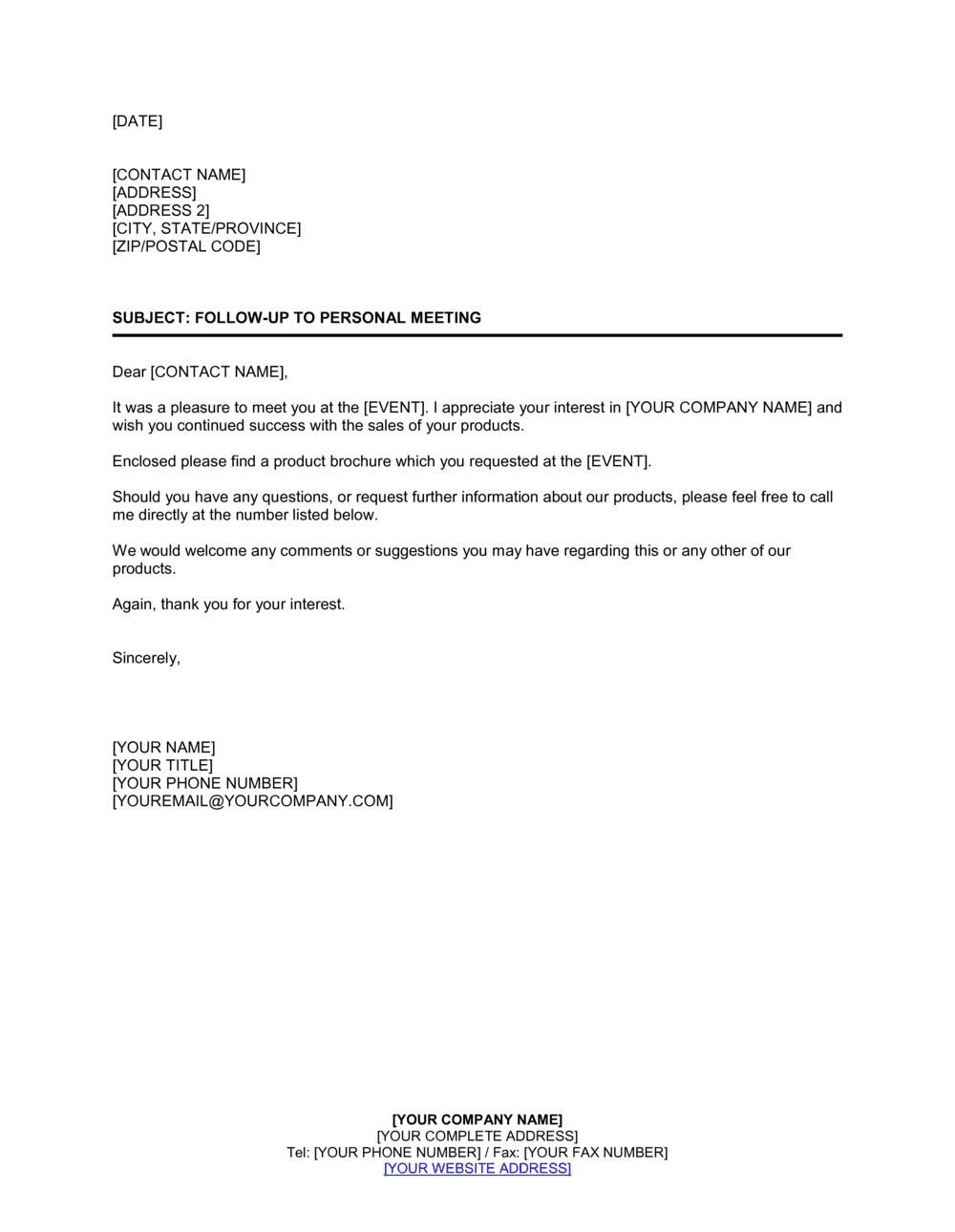
A Follow Up to Personal Meeting — Product Distribution letter is a formal written confirmation sent to a prospective or existing distributor after a face-to-face or virtual meeting, summarizing the key product distribution terms discussed and establishing a binding record of the parties' mutual understanding. This free Word download lets you edit the letter online, insert your specific pricing, territory, and exclusivity terms, and export as PDF for immediate delivery.
When you need it
Use it immediately after any in-person or virtual meeting where product distribution terms — pricing, territory, minimum order quantities, or exclusivity — were discussed but a full distribution agreement has not yet been executed. It serves as a bridge document that locks in agreed points and propels the relationship toward a formal contract.
What's inside
Meeting recap and parties' identification, confirmed product lines and SKUs, pricing and discount structure, territory scope and exclusivity terms, minimum purchase commitments, next steps and timeline, and a signature block for mutual acknowledgment of the summarized terms.

What is a Follow Up to Personal Meeting — Product Distribution?

A Follow Up to Personal Meeting — Product Distribution letter is a formal written confirmation sent by a supplier or manufacturer to a distributor after a face-to-face or virtual meeting, documenting the key product distribution terms discussed and agreed upon during that meeting. It records the specific products covered, pricing and payment terms, territory, exclusivity conditions, and minimum purchase commitments in a concise, countersigned document that both parties can rely on while the formal distribution agreement is being drafted. Unlike a vague follow-up email, this letter is structured as a legally recognized confirmation — signed by both parties — creating an enforceable record of the meeting's outcome.

Why You Need This Document

Verbal agreements made in distribution meetings evaporate quickly. Pricing discussed over lunch becomes disputed before the ink dries on a formal contract; territory boundaries agreed on a whiteboard shift when the distributor's legal team reviews them weeks later; exclusivity promises made in good faith turn into credibility disputes when a second distributor is approached. A signed follow-up letter eliminates these gaps by creating a written record of exactly what was agreed — before either party has the opportunity to revise their recollection. Without it, you risk losing weeks or months of negotiating progress, exposing your pricing to competitors through uncontrolled disclosure, and finding yourself in an implied distribution relationship with no documented terms to enforce. This template gives you a professionally structured, legally grounded starting point that you can complete in 30 minutes and send the same day as your meeting — securing your distribution terms while the agreement is finalized.

Which variant fits your situation?

If your situation is…Use this template
Formalizing a full, ongoing distribution relationship after terms are confirmedProduct Distribution Agreement
Confirming exclusive territorial rights for a single distributorExclusive Distribution Agreement
Following up on a meeting about a reseller rather than distributor arrangementReseller Agreement
Confirming a wholesale supply relationship after a trade meetingWholesale Agreement
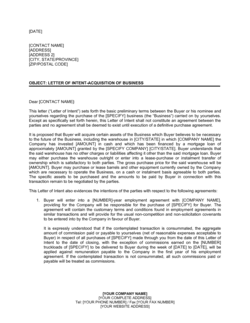
Sending an initial non-binding term sheet before full contract negotiationLetter of Intent
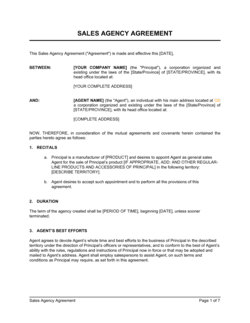
Following up on a meeting about a sales agency rather than distributionSales Agency Agreement
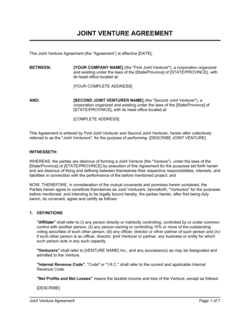
Confirming a co-distribution or joint go-to-market arrangementJoint Venture Agreement

Common mistakes to avoid

❌ Sending the letter without requesting a counter-signature

Why it matters: A one-sided follow-up letter is a unilateral document — the distributor can claim the terms were not agreed and negotiate different conditions when the formal agreement is drafted.

Fix: Include a signature block for both parties and explicitly request the distributor's countersignature before either party takes action on the confirmed terms.

❌ Describing territory in vague regional terms

Why it matters: Terms like 'the Southeast' or 'Western Europe' are interpreted differently by each party, leading to disputes when a distributor sells into an area the supplier intended for another channel partner.

Fix: List the specific countries, states, provinces, or postal codes covered by the territory — or attach a geographic map exhibit to eliminate ambiguity.

❌ Confirming exclusivity without linking it to a minimum purchase condition

Why it matters: Unconditional exclusivity locks the supplier out of the territory if the distributor underperforms, with no mechanism to reclaim the rights without litigation.

Fix: Tie exclusivity explicitly to a quarterly or annual minimum purchase commitment and state the remedy — conversion to non-exclusive or termination with notice — if the minimum is not met.

❌ Omitting the products list or describing it too broadly

Why it matters: A vague product description such as 'all current products' creates scope disputes when the supplier launches new lines or discontinues SKUs that the distributor claims were covered.

Fix: List every covered product by name and SKU, or attach a numbered schedule and reference it in the body — update the schedule whenever the product range changes.

❌ Not setting a deadline for executing the formal distribution agreement

Why it matters: Without a deadline, the follow-up letter's confirmed terms can remain in limbo for months while the parties operate informally on unverified assumptions.

Fix: Include a specific date by which the formal distribution agreement must be signed — typically 30 to 60 days from the follow-up letter — and state that the confirmed terms expire if the deadline is not met.

❌ Using trade names instead of registered legal entity names

Why it matters: If the letter names a brand or trading name rather than the legal entity, enforcing the confirmed terms against the correct contracting party becomes difficult and may require additional legal steps to cure.

Fix: Look up both parties' registered business names before drafting — include the legal entity name in the letter body and the trade name in parentheses for clarity.

The 9 key clauses, explained

Meeting Recap and Parties Identification

In plain language: Opens the letter by identifying both parties by legal name, confirming the date and location of the meeting being followed up on, and providing context for why the letter is being sent.

Sample language
This letter follows the meeting held on [DATE] at [LOCATION / VIRTUAL PLATFORM] between [SUPPLIER LEGAL NAME] ('Supplier') and [DISTRIBUTOR LEGAL NAME] ('Distributor') regarding the distribution of [PRODUCT LINE / BRAND NAME] products.

Common mistake: Using trade names instead of registered legal entity names. If a dispute arises, the wrong entity name creates enforceability gaps and delays identifying the responsible party.

Products Covered

In plain language: Lists the specific product lines, SKUs, or categories that were discussed and are covered by the terms being confirmed in the letter.

Sample language
The parties discussed the distribution of the following products: [PRODUCT NAME 1] (SKU: [XXXXXXX]), [PRODUCT NAME 2] (SKU: [XXXXXXX]), and all variants listed in Attachment A.

Common mistake: Describing products vaguely as 'current product line' without listing specific SKUs or attaching a schedule. This creates disputes about which products are actually covered when the full agreement is drafted.

Pricing and Discount Structure

In plain language: Records the wholesale unit prices, applicable volume discount tiers, and payment terms discussed at the meeting, in the agreed currency.

Sample language
The parties agreed on a wholesale unit price of $[X] per [UNIT] for [PRODUCT], with a [X]% volume discount on orders exceeding [QUANTITY] units. Payment terms: Net [30/60] days from date of invoice.

Common mistake: Omitting currency designation on international distribution letters. USD and CAD, or GBP and EUR, are routinely confused — unspecified currency leads to pricing disputes before the formal agreement is even signed.

Territory and Channel

In plain language: Defines the geographic area or sales channel the distributor is authorized to operate in, based on what was discussed at the meeting.

Sample language
Distributor is authorized to market and sell the Products within [COUNTRY / REGION / STATES], through [retail / online / wholesale / all channels], as discussed at the meeting.

Common mistake: Describing territory in ambiguous terms such as 'the Northeast region' without listing specific states, provinces, or countries. Boundary ambiguity is the single most litigated clause in distribution disputes.

Exclusivity Terms

In plain language: Confirms whether the distribution arrangement is exclusive, non-exclusive, or limited-exclusive for a defined period, and what conditions must be met to maintain exclusivity.

Sample language
Subject to Distributor meeting minimum purchase commitments of $[X] per [QUARTER/YEAR], Supplier agrees to grant Distributor exclusive distribution rights within the Territory for a period of [X] months from the date of the formal Distribution Agreement.

Common mistake: Confirming exclusivity verbally in the meeting but leaving it out of the follow-up letter. An undocumented exclusivity promise creates misaligned expectations and can trigger claims of detrimental reliance.

Minimum Purchase Commitments

In plain language: States the minimum quantities or dollar values the distributor agreed to purchase within specified periods, and what happens if the minimums are not met.

Sample language
Distributor commits to purchasing a minimum of [X] units / $[X] of Products per [QUARTER/YEAR]. Failure to meet the minimum will allow Supplier to [convert to non-exclusive / renegotiate terms / terminate the arrangement] with [X] days' written notice.

Common mistake: Agreeing to minimum purchase commitments without specifying the consequence of non-performance. A minimum without a remedy is unenforceable in practice and removes the supplier's primary leverage.

Confidentiality of Meeting Terms

In plain language: Requires both parties to keep the pricing, territory, and other terms discussed in the meeting confidential, preventing disclosure to competitors or third parties.

Sample language
The terms discussed at the meeting and confirmed in this letter are confidential. Neither party shall disclose pricing, territory, or exclusivity terms to any third party without the prior written consent of the other party.

Common mistake: Skipping confidentiality in a follow-up letter on the assumption that a future NDA will cover it. The period between the meeting and the formal agreement is when pricing and territory leaks are most damaging.

Next Steps and Timeline

In plain language: Lists the agreed action items — who prepares the draft distribution agreement, who provides product samples, and by what dates each step should be completed.

Sample language
The parties agreed to the following next steps: (1) Supplier to provide draft Distribution Agreement by [DATE]; (2) Distributor to submit a purchase forecast by [DATE]; (3) Parties to execute the formal agreement no later than [DATE].

Common mistake: Listing next steps without assigning responsibility or deadlines. Unassigned action items are reliably left incomplete, delaying the formal agreement and leaving both parties exposed on the interim terms.

Acknowledgment and Signature Block

In plain language: Closes the letter with a mutual acknowledgment that the terms summarized above accurately reflect what was discussed, and provides signature lines for both parties.

Sample language
By signing below, the parties confirm that this letter accurately summarizes the terms discussed at the [DATE] meeting and agree to proceed on this basis pending execution of a formal Distribution Agreement. [SUPPLIER REPRESENTATIVE NAME / TITLE] __________ [DISTRIBUTOR REPRESENTATIVE NAME / TITLE] __________

Common mistake: Treating the follow-up letter as informational only and not obtaining a counter-signature. Without a signature from the distributor, the confirmed terms remain unilateral and are not binding.

How to fill it out

  1. 1

    Enter both parties' legal names and meeting details

    Replace all placeholders with the full registered legal names of the supplier and distributor, and confirm the exact date, city, and format (in-person or virtual) of the meeting being followed up on.

    💡 Cross-reference the distributor's legal name against their business registration or the business card exchanged at the meeting — using a trade name instead of a legal entity name is the most common drafting error.

  2. 2

    List the specific products and SKUs covered

    Identify every product line, model, or SKU discussed at the meeting. If the list is long, insert it as Attachment A and reference it in the body of the letter.

    💡 Locking down the product list in the follow-up letter prevents scope creep in the formal agreement — distributors sometimes claim verbal discussions covered additional product lines.

  3. 3

    Record the agreed pricing and payment terms

    Enter the wholesale unit price for each product, any volume discount thresholds, the payment terms (e.g., Net 30 from invoice date), and the currency. Attach a pricing schedule if there are multiple SKUs.

    💡 State the currency explicitly — even on domestic letters. Pricing disputes are far more common than drafters expect, and an explicit currency code eliminates one variable.

  4. 4

    Define the territory with specific geographic boundaries

    Replace vague regional descriptions with specific country names, state or province lists, or postal code ranges. Specify whether the territory covers all channels or is limited to retail, online, or wholesale.

    💡 If the territory is the subject of ongoing negotiation, note it explicitly as 'to be finalized in the formal agreement' rather than leaving the field blank — a blank territory clause is worse than an acknowledged placeholder.

  5. 5

    Confirm exclusivity terms and the conditions that maintain them

    State clearly whether the arrangement is exclusive, non-exclusive, or conditional on meeting minimum purchase commitments. Include the period of exclusivity and the review date.

    💡 Conditional exclusivity tied to a specific dollar minimum is easier to defend legally than open-ended exclusivity — it gives the supplier a clear exit if the distributor underperforms.

  6. 6

    State minimum purchase commitments and consequences

    Enter the minimum quantity or dollar value per period agreed at the meeting, and describe what happens if the minimum is not met — conversion to non-exclusive, renegotiation, or termination with notice.

    💡 Quarterly minimums are more actionable than annual ones — a missed annual minimum is often discovered too late to course-correct within the same distribution cycle.

  7. 7

    List next steps with owners and deadlines

    Assign each action item to a named individual — not just a company — and set a specific calendar date for completion. Include who drafts the formal agreement and by when.

    💡 Send the signed follow-up letter the same day as the meeting or within 24 hours while the terms are fresh. Delays of more than 48 hours increase the likelihood of disputed recollections.

  8. 8

    Obtain counter-signature before acting on agreed terms

    Send two signed copies to the distributor and request a counter-signed original be returned before either party takes action based on the confirmed terms — ordering inventory, printing territory materials, or announcing the partnership.

    💡 Use a digital signature platform to timestamp execution and eliminate the delay of physical mailing, especially for international distributors in different time zones.

Frequently asked questions

What is a follow-up to a personal meeting for product distribution?

A follow-up to a personal meeting for product distribution is a formal letter sent after a face-to-face or virtual meeting to confirm in writing the product distribution terms discussed — including pricing, territory, exclusivity, and minimum purchase commitments. It creates a documented record of what was agreed and serves as a binding bridge document between the initial meeting and the execution of a full distribution agreement.

Is a follow-up letter legally binding?

A signed follow-up letter that summarizes agreed terms and is countersigned by both parties is generally enforceable as a binding confirmation in most jurisdictions, particularly when it contains specific commercial terms like price, territory, and exclusivity. An unsigned or one-sided letter is typically treated as non-binding correspondence. Including a mutual acknowledgment clause and obtaining a counter-signature significantly strengthens enforceability.

How soon after a meeting should I send a follow-up distribution letter?

Best practice is to send the follow-up letter within 24 to 48 hours of the meeting while the discussed terms are fresh for both parties. Delays beyond 72 hours increase the likelihood of disputed recollections, especially on pricing and exclusivity. Sending promptly also signals professionalism and keeps the distribution relationship moving toward a formal agreement.

What is the difference between a follow-up letter and a full distribution agreement?

A follow-up letter confirms the key commercial terms discussed in a meeting and sets next steps toward a formal agreement — it is a concise 2-to-4-page document. A full product distribution agreement is the comprehensive legal contract governing every aspect of the distribution relationship, including warranties, indemnification, IP rights, audit rights, and termination procedures. The follow-up letter bridges the gap between verbal agreement and formal contract execution.

What happens if the distributor disagrees with the terms in my follow-up letter?

If the distributor disputes any term in the follow-up letter, they should respond in writing before counter-signing, noting the specific point of disagreement. The parties can then revise the letter to reflect the accurate agreed position. A distributor who simply ignores a follow-up letter may be seen as implicitly accepting the terms — which is precisely why sending the letter promptly and requesting a counter-signature is important for both parties.

Do I need a lawyer to draft a product distribution follow-up letter?

For a straightforward domestic distribution arrangement, a high-quality template is typically sufficient for the follow-up letter. Legal review is recommended when the arrangement involves international distribution, significant exclusivity commitments, high-value minimum purchase obligations, or when the follow-up letter is intended to serve as a binding interim agreement pending a longer formal contract. A 1-hour legal review typically costs $150 to $400 and is worthwhile for high-stakes distribution partnerships.

Should the follow-up letter include a confidentiality clause?

Yes. The period between the meeting and execution of the formal distribution agreement is when pricing and territory information is most vulnerable to disclosure. Including a confidentiality clause in the follow-up letter protects both parties' sensitive commercial terms during the negotiation window, even if a separate NDA has not yet been signed.

Can I use this letter for international product distribution arrangements?

Yes, but additional care is required. International follow-up letters should explicitly state the governing law and currency, and should account for jurisdiction-specific distribution regulations — particularly in the EU where commercial agency and distribution law creates statutory protections for distributors in some member states. Consider having the letter reviewed by counsel familiar with the distributor's local jurisdiction before sending.

What should I do if the distributor never countersigns the follow-up letter?

Follow up with a reminder within 5 to 7 business days of sending. If the distributor continues to act consistently with the confirmed terms — placing orders, sending forecasts, or announcing the partnership — a court may find implied acceptance even without a formal counter-signature. However, implied acceptance is harder to prove and more expensive to litigate than a signed confirmation. Set a clear deadline in the letter itself stating that the confirmed terms expire if not countersigned by a specific date.

How this compares to alternatives

vs Product Distribution Agreement

A product distribution agreement is the full, comprehensive contract governing the entire distribution relationship — including warranties, indemnification, IP, audit rights, and termination. A follow-up letter is a short confirmatory document that records the key commercial terms discussed in a meeting and bridges the gap until the formal agreement is signed. Both documents should be used together: the letter first, the agreement to follow.

vs Letter of Intent

A letter of intent outlines proposed terms before any meeting has produced a concrete agreement, functioning as a negotiating framework. A follow-up to a personal meeting letter confirms terms already discussed and agreed verbally, carrying more weight as a record of mutual understanding. The follow-up letter is closer to a binding confirmation; the LOI is explicitly preliminary and typically non-binding.

vs Exclusive Distributor Agreement

An exclusive distributor agreement is a comprehensive legal contract establishing an exclusive distribution relationship in full detail. A follow-up letter may confirm that exclusivity was discussed and agreed in principle, but it does not replace the formal agreement's detailed obligations, conditions, and remedies. Use the follow-up letter to record the exclusivity terms discussed, then formalize them in the full exclusive distributor agreement.

vs Sales Agency Agreement

A sales agency agreement governs a relationship where an agent sells on behalf of the principal without taking title to the goods — a fundamentally different commercial structure from distribution, where the distributor purchases and resells. If the meeting confirmed an agency rather than a distribution arrangement, the sales agency agreement and its corresponding follow-up template are the appropriate documents to use instead.

Industry-specific considerations

Consumer Goods and FMCG

High SKU volume and frequent price changes make a written post-meeting confirmation critical for locking in the specific products and price tiers discussed before a full distribution agreement is signed.

Manufacturing

Territory exclusivity and minimum order quantities are heavily negotiated in manufacturing distribution — the follow-up letter prevents misremembering of these commercially sensitive terms between the initial meeting and contract execution.

Food and Beverage

Regulatory and labeling requirements vary by territory, making it essential to confirm the exact geographic scope and channel restrictions agreed at the meeting before the distributor begins marketing the product.

Technology and Electronics

Rapid product cycles mean that the specific models and firmware versions covered must be documented immediately after the meeting — a vague product description becomes unworkable within weeks of a new product launch.

Pharmaceuticals and Medical Devices

Distribution arrangements in regulated industries require confirmation of licensing, import permits, and regulatory approval conditions discussed at the meeting, making the follow-up letter an essential compliance record.

Fashion and Apparel

Seasonal pricing, collection-specific exclusivity, and retail channel restrictions agreed at buyer meetings must be confirmed in writing before the distributor places its first seasonal order.

Jurisdictional notes

United States

In the US, a signed follow-up letter summarizing agreed commercial terms can constitute a binding contract under general contract law principles, even without a formal distribution agreement. State laws vary on enforceability of exclusivity provisions and non-compete restrictions embedded in distribution arrangements. California, in particular, restricts certain exclusivity and territorial restrictions under its unfair competition statutes.

Canada

Canadian contract law generally recognizes a signed post-meeting confirmation as enforceable if it contains offer, acceptance, and consideration. Provincial variations are limited for commercial distribution letters, but Quebec's Civil Code applies different principles than common-law provinces and may require the letter to be available in French for Quebec-based distributors. Exclusivity terms should be reviewed for compliance with the Competition Act.

United Kingdom

In the UK, a signed follow-up letter confirming distribution terms can be enforceable as a binding contract where the essential terms are sufficiently certain. The Commercial Agents (Council Directive) Regulations 1993 do not apply to true distributors (who buy and resell), but misclassifying a distributor as an agent triggers statutory compensation rights on termination. Ensure the letter clearly characterizes the relationship as distribution, not agency.

European Union

EU competition law — particularly Article 101 TFEU — restricts certain exclusivity and territorial restrictions in distribution arrangements, including those confirmed in correspondence. Absolute territorial protection (preventing distributors from responding to unsolicited orders from outside their territory) is prohibited. The EU's Vertical Block Exemption Regulation (VBER) sets the framework for permissible exclusivity terms; the follow-up letter should avoid confirming terms that would exceed VBER safe harbors.

Template vs lawyer — what fits your deal?

PathBest forCostTime
Use the templateDomestic distribution follow-ups with standard pricing, defined territory, and straightforward next stepsFree20–30 minutes
Template + legal reviewInternational distribution, significant exclusivity commitments, or where the letter is intended to serve as a binding interim agreement$150–$4001–2 days
Custom draftedHigh-value distribution arrangements, regulated industries (pharma, medical devices), or multi-territory exclusivity with material minimum purchase obligations$800–$2,500+3–7 days

Glossary

Distributor
A company or individual that purchases products from a manufacturer and resells them to retailers or end customers, typically within a defined territory.
Exclusivity
A contractual right granting one distributor the sole authority to sell specified products within a defined territory or channel, preventing the supplier from appointing competing distributors there.
Territory
The geographic area, market segment, or sales channel within which a distributor is authorized to sell the supplier's products.
Minimum Purchase Commitment
The lowest quantity or dollar value of products a distributor agrees to purchase within a defined period, typically used to justify exclusivity or preferential pricing.
Meeting Minutes
A written record of the topics discussed, decisions reached, and action items assigned during a business meeting — often the basis for a follow-up confirmation letter.
Letter of Intent (LOI)
A preliminary document outlining the key terms two parties intend to include in a forthcoming formal agreement, typically non-binding except for confidentiality and exclusivity provisions.
Binding Confirmation
A signed document that creates enforceable obligations between parties by recording agreed terms, even before a full contract is executed.
Pricing Schedule
A document or attachment listing the unit prices, volume discount tiers, and applicable currencies for each product or SKU being distributed.
Force Majeure
A clause excusing a party from performance obligations when extraordinary events beyond their control — such as natural disasters or government restrictions — prevent fulfilment.
Governing Law
The jurisdiction whose laws will be used to interpret and enforce the agreement in the event of a dispute.
Counterpart Execution
A provision allowing two parties to sign separate identical copies of the same document, each of which is treated as an original, enabling remote or asynchronous signing.

Part of your Business Operating System

This document is one of 3,000+ business & legal templates included in Business in a Box.

  • Fill-in-the-blanks — ready in minutes
  • 100% customizable Word document
  • Compatible with all office suites
  • Export to PDF and share electronically

Create your document in 3 simple steps.

From template to signed document — all inside one Business Operating System.
1
Download or open template

Access over 3,000+ business and legal templates for any business task, project or initiative.

2
Edit and fill in the blanks with AI

Customize your ready-made business document template and save it in the cloud.

3
Save, Share, Send, Sign

Share your files and folders with your team. Create a space of seamless collaboration.

Save time, save money, and create top-quality documents.

★★★★★

"Fantastic value! I'm not sure how I'd do without it. It's worth its weight in gold and paid back for itself many times."

Managing Director · Mall Farm
Robert Whalley
Managing Director, Mall Farm Proprietary Limited
★★★★★

"I have been using Business in a Box for years. It has been the most useful source of templates I have encountered. I recommend it to anyone."

Business Owner · 4+ years
Dr Michael John Freestone
Business Owner
★★★★★

"It has been a life saver so many times I have lost count. Business in a Box has saved me so much time and as you know, time is money."

Owner · Upstate Web
David G. Moore Jr.
Owner, Upstate Web

Run your business with a system — not scattered tools

Stop downloading documents. Start operating with clarity. Business in a Box gives you the Business Operating System used by over 250,000 companies worldwide to structure, run, and grow their business.

Start free · No credit card required