How To Develop A Digital Strategy

Free Word download β€’ Edit online β€’ Save & share with Drive β€’ Export to PDF

12 pagesβ€’25–35 min to fillβ€’Difficulty: Complex
Learn more ↓
FreeHow To Develop A Digital Strategy Template

At a glance

What it is
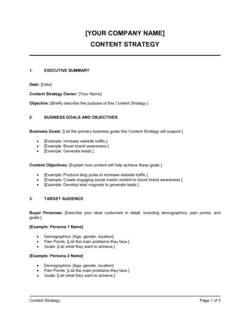
A How To Develop A Digital Strategy document is a structured plan that maps an organization's digital goals, channel mix, technology stack, KPIs, and execution roadmap into a single governing reference. This free Word download gives you a section-by-section framework you can edit online and export as PDF to align leadership, brief agency partners, or present to a board.
When you need it
Use it when launching a new digital initiative, replatforming a core technology, entering a new market online, or consolidating fragmented digital efforts into a coherent plan with measurable outcomes.
What's inside
Current-state digital audit, strategic objectives aligned to business goals, target audience and customer journey mapping, channel strategy, technology and data requirements, KPIs and measurement framework, resource and budget plan, and a phased implementation roadmap.

What is a How To Develop A Digital Strategy document?

A Digital Strategy is a structured plan that defines how an organization will deploy digital channels, technologies, and data to achieve specific, measurable business objectives. It maps the current digital baseline against future goals, prioritizes channels by expected return, identifies the technology and data infrastructure required for execution, and sequences initiatives into a phased roadmap with clear owners and KPIs. Unlike a campaign plan or a channel-specific tactic sheet, a digital strategy operates at the level of organizational decision-making β€” answering not just what digital activities to run, but why those activities, in what order, with what resources, and to what measurable end.

Why You Need This Document

Without a documented digital strategy, budget gets allocated to channels by habit or internal politics rather than evidence, teams execute against conflicting priorities, and no one can answer whether this year's digital spend actually moved the business forward. The consequences are concrete: campaigns that cannot be evaluated, technology purchases that do not integrate with existing systems, and leadership teams that lose confidence in digital investment because results were never defined upfront. A written strategy forces alignment on objectives before money is spent, gives agency and vendor partners a brief they can actually execute against, and creates the measurement baseline that makes every future optimization decision defensible. This template gives you the complete framework β€” audit through roadmap β€” so you spend your time on the thinking, not the structure.

Which variant fits your situation?

If your situation is…Use this template
Focusing exclusively on digital marketing channels and campaignsDigital Marketing Strategy
Migrating core business operations from manual to digital systemsDigital Transformation Plan
Planning content production and distribution across digital channelsContent Marketing Strategy
Defining social media channel priorities and posting strategySocial Media Strategy
Setting a broad 3-to-5-year organizational directionStrategic Plan
Launching a new product or service in a digital channelGo-To-Market Plan
Tracking digital performance against goals on a recurring basisMarketing Performance Report

Common mistakes to avoid

❌ Starting with channel tactics instead of objectives

Why it matters: A strategy built around 'we need to be on TikTok' instead of a measurable business goal will generate activity but not results β€” and cannot be evaluated at year end.

Fix: Define the three to five outcome-based objectives first. Let them determine which channels are worth investing in, not the other way around.

❌ Ignoring the current-state audit

Why it matters: Without a documented baseline, the strategy has no benchmark β€” you cannot claim improvement, justify budget, or identify which initiatives actually moved the needle.

Fix: Spend at least two to three days pulling performance data across all active digital channels before writing a single strategic recommendation.

❌ Allocating budget equally across all channels

Why it matters: Equal distribution is not a strategy β€” it is a hedge. It produces mediocre results in every channel and prevents any single channel from reaching the scale needed to perform well.

Fix: Concentrate at least 60–70% of the digital budget on the one or two channels with the strongest evidence of return for your specific customer segment.

❌ Building the technology requirements after the budget is set

Why it matters: Discovering mid-execution that the strategy requires a $40,000 platform integration that was not budgeted forces either a scope cut or an emergency approval β€” both damage credibility.

Fix: Complete the technology audit in the same week as the strategy draft so platform costs and timelines are factored into the budget from the start.

❌ Setting KPIs without verifying the data exists

Why it matters: A KPI that cannot be reported from day one creates a measurement gap in the first quarter β€” making it impossible to course-correct before significant budget is spent.

Fix: For every KPI in the plan, confirm the tracking event is configured in your analytics platform and producing clean data before the strategy is approved.

❌ Launching all roadmap initiatives simultaneously

Why it matters: Running six parallel initiatives in Month 1 overwhelms internal teams, makes attribution impossible, and means there is no clean signal for what is working before the budget is committed.

Fix: Phase the roadmap into Foundation, Growth, and Optimization stages. Confirm Phase 1 initiatives are performing before releasing Phase 2 budget.

The 9 key sections, explained

Executive summary

Current-state digital audit

Strategic objectives

Target audience and customer journey

Channel strategy

Technology and data requirements

KPIs and measurement framework

Resource and budget plan

Phased implementation roadmap

How to fill it out

  1. 1

    Complete the digital audit before writing anything else

    Pull data from your analytics platform, CRM, and ad accounts. Document current channel performance, tooling, content inventory, and the three biggest digital gaps relative to your competitors.

    πŸ’‘ A 2Γ—2 matrix scoring each current channel on performance versus strategic importance quickly identifies what to double down on and what to cut.

  2. 2

    Define three to five outcome-based strategic objectives

    Each objective should name a specific metric, a target value, and a deadline. Tie each directly to a business-level goal β€” revenue, retention, or market share β€” so leadership can see the connection.

    πŸ’‘ If you cannot draw a direct line from a digital objective to a business outcome, remove it from the plan.

  3. 3

    Build audience profiles and map the customer journey

    Interview or survey at least five to ten real customers to validate your assumptions about where they discover, evaluate, and convert. Map each stage to the specific channels and content types that influence it.

    πŸ’‘ Use your CRM data to check whether your assumed primary acquisition channel actually matches where your best customers came from.

  4. 4

    Prioritize channels and assign clear accountabilities

    Select two to three primary channels where you will concentrate at least 70% of effort and budget. For each, name the owner, the budget, and the single KPI that defines success.

    πŸ’‘ Rank channels by their CAC relative to your target customer LTV β€” channels where CAC payback exceeds 12 months should be deprioritized or removed.

  5. 5

    Audit your technology stack against the strategy's requirements

    List every platform the strategy requires. For each, note whether it is already in place, needs configuration, or needs procurement. Estimate the cost and timeline to close each gap.

    πŸ’‘ Avoid building a strategy that requires three new platform integrations in Month 1 β€” technology gaps are the most common reason digital strategies stall at launch.

  6. 6

    Set up the measurement framework before launch

    Configure your analytics platform, define the event tracking required for each KPI, and build the reporting dashboard before any initiative goes live. Verify that data is flowing correctly with a one-week test period.

    πŸ’‘ If a KPI cannot be reported on day one, push the initiative's launch date until the measurement infrastructure is ready.

  7. 7

    Build the budget and resource plan in parallel with the roadmap

    For each roadmap initiative, estimate the hours of internal time and external spend required. Sum these by quarter and confirm the total fits within the approved budget envelope before finalizing the plan.

    πŸ’‘ Add a 15% contingency buffer to the technology and agency budget lines β€” integrations and creative production almost always run over initial estimates.

  8. 8

    Write the executive summary last

    Once every section is complete, distill the strategy into one page covering the core problem, the three to five objectives, the primary channels, the total investment, and the expected return.

    πŸ’‘ The executive summary is the only section your CEO or board will read first β€” if it does not stand alone in two minutes, simplify it further.

Frequently asked questions

What is a digital strategy?

A digital strategy is a plan that defines how an organization will use digital channels, technologies, and data to achieve specific business objectives β€” such as growing revenue, reducing customer acquisition cost, or improving retention. It covers channel prioritization, technology requirements, KPIs, budget allocation, and a phased implementation roadmap. Unlike a marketing plan, a digital strategy encompasses the full digital footprint of the business, including operations and customer experience.

What should a digital strategy include?

A complete digital strategy includes a current-state audit, three to five measurable strategic objectives, target audience profiles and customer journey maps, a prioritized channel strategy, technology and data requirements, a KPI and measurement framework, a resource and budget plan, and a phased implementation roadmap. The executive summary is written last and distills all of these into a one-page leadership brief.

How is a digital strategy different from a digital marketing plan?

A digital marketing plan focuses specifically on acquisition and engagement channels β€” SEO, paid media, social, email, and content. A digital strategy is broader: it encompasses the technology stack, data infrastructure, customer experience, and operational systems that underpin all digital activity. Think of the digital strategy as the governing document; the marketing plan is one execution component within it.

How long should a digital strategy document be?

For most small to mid-sized organizations, 15–25 pages is the standard range β€” detailed enough to guide execution but concise enough to be read and approved by leadership. Larger enterprises with multiple business units may produce 40-plus-page strategies, but these are typically broken into channel-specific annexes rather than a single monolithic document.

How often should a digital strategy be updated?

A full strategic review should happen annually, aligned to the fiscal year and budget cycle. A mid-year checkpoint to update KPI performance against actuals and adjust channel budgets is standard practice. Any major market shift β€” a new platform gaining dominance, a significant algorithm change, or a competitive disruption β€” should trigger an out-of-cycle review of the affected sections.

Who should be involved in developing a digital strategy?

At minimum: the marketing or digital lead, a senior representative from sales or revenue, the IT or technology manager, and a C-suite sponsor with budget authority. For larger organizations, customer service, product, and finance representatives add essential perspective on customer journeys and resource constraints. Agency partners should be briefed after the internal draft is complete, not before.

Do I need a consultant to develop a digital strategy?

For most small businesses and startups, a well-structured template combined with internal knowledge of the customer and competitive landscape is sufficient. Engage a digital strategy consultant when the organization lacks internal digital expertise, is undertaking a major platform migration, or needs an objective audit of underperforming channels. Consultant engagements typically run $5,000–$30,000 depending on scope.

What is the most common reason digital strategies fail?

The most common failure is building the strategy around channel activities rather than business outcomes, which makes it impossible to evaluate whether the plan worked. The second most common failure is insufficient investment in measurement infrastructure β€” KPIs that cannot be tracked from day one produce a reporting vacuum in the first quarter, preventing any meaningful course correction before significant budget is consumed.

How do I get leadership to approve a digital strategy?

Frame every objective in terms of business outcomes the leadership team already cares about β€” revenue, cost, or customer retention β€” rather than digital metrics alone. Present the audit baseline alongside projections so the gap and the opportunity are visible on the same page. Include a clear resource and budget plan; leadership cannot approve a strategy without knowing what it will cost and who will execute it.

How this compares to alternatives

vs Marketing plan

A marketing plan defines campaigns, budgets, and tactics for a specific period β€” typically one fiscal year. A digital strategy is the upstream governing document that determines which channels and technologies the marketing plan will operate within. Build the digital strategy first; the marketing plan executes within it.

vs Strategic plan

A strategic plan covers the full organizational direction β€” mission, vision, competitive positioning, and multi-year goals across every function. A digital strategy is a functional plan that sits one level below, defining how the organization will use digital specifically to advance those broader goals. Most organizations need both.

vs Content marketing strategy

A content marketing strategy defines the editorial mission, content types, production cadence, and distribution channels for a brand's content program. It is one component of a broader digital strategy. The digital strategy sets the objectives and channel priorities that the content strategy then executes against.

vs Social media strategy

A social media strategy covers platform selection, audience targeting, content mix, posting cadence, and social KPIs for a brand's social presence. Like content strategy, it is a channel-specific execution plan that operates within the framework a digital strategy establishes. Use the digital strategy to determine whether and how much social media should be prioritized before writing the social plan.

Industry-specific considerations

Retail and e-commerce

Channel strategy centers on paid search and SEO for acquisition, email for retention, and a unified data layer connecting the CRM to the e-commerce platform for personalization.

Professional services

Content and SEO typically drive the highest-quality inbound leads; the strategy must map long sales cycles across multiple decision-makers and connect digital touchpoints to CRM pipeline stages.

Healthcare and wellness

Patient privacy requirements constrain tracking and retargeting options, making first-party data collection and organic search the primary digital channels; telehealth and portal UX are critical experience dimensions.

SaaS and technology

North Star metric is typically MRR or product-qualified leads; the strategy must integrate product analytics with marketing attribution to connect top-of-funnel digital activity to revenue and churn outcomes.

Financial services

Regulatory constraints on claims and testimonials shape content strategy significantly; trust signals and compliance-approved messaging are built into the channel and content plan from the outset.

Manufacturing and B2B

Long buying cycles with multiple stakeholders mean account-based digital tactics and LinkedIn outperform broad awareness channels; digital strategy must align with trade show and sales team touchpoints.

Template vs pro β€” what fits your needs?

PathBest forCostTime
Use the templateSmall businesses, startups, and marketing teams developing their first formal digital strategy or annual refreshFree1–3 weeks (20–40 hours)
Template + professional reviewMid-sized organizations undertaking a channel realignment or significant budget reallocation who want an external perspective on their audit and priorities$1,500–$5,000 for a digital strategist review session3–4 weeks
Custom draftedEnterprises undergoing digital transformation, organizations with multiple business units, or any company requiring a full external audit before strategy development$10,000–$50,000+ for a full digital strategy consulting engagement6–12 weeks

Glossary

Digital Audit
A structured review of an organization's existing digital assets, channels, tools, and performance data to establish a baseline before setting new objectives.
Customer Journey Map
A visual or written representation of every touchpoint a customer has with a brand β€” from first awareness through purchase and retention β€” used to identify gaps and optimization opportunities.
Owned, Earned, and Paid Media
A framework for categorizing digital channels: owned media is what the brand controls (website, email), earned media is organic third-party coverage (reviews, shares), and paid media is purchased reach (ads, sponsorships).
KPI (Key Performance Indicator)
A quantifiable metric tied to a specific strategic objective β€” such as organic traffic growth of 20% in 12 months β€” used to measure whether the strategy is working.
Conversion Rate
The percentage of users who complete a desired action β€” form submission, purchase, sign-up β€” out of the total who visited a page or saw a campaign.
Martech Stack
The collection of software tools a marketing or digital team uses to plan, execute, and measure digital activity β€” typically including a CRM, CMS, analytics platform, and email system.
SEO (Search Engine Optimization)
The practice of improving a website's content, structure, and authority so it appears higher in unpaid search engine results for relevant queries.
North Star Metric
A single top-level metric that best captures the core value the digital strategy is designed to create β€” such as monthly active users or revenue from digital channels.
Digital Roadmap
A phased, time-sequenced plan that shows which digital initiatives will be executed, in what order, and by which team or vendor.
Attribution Model
The rule or algorithm used to assign credit to the marketing channels that contributed to a conversion β€” such as last-click, first-click, or linear attribution.

Part of your Business Operating System

This document is one of 3,000+ business & legal templates included in Business in a Box.

  • Fill-in-the-blanks β€” ready in minutes
  • 100% customizable Word document
  • Compatible with all office suites
  • Export to PDF and share electronically

Create your document in 3 simple steps.

From template to signed document β€” all inside one Business Operating System.
1
Download or open template

Access over 3,000+ business and legal templates for any business task, project or initiative.

2
Edit and fill in the blanks with AI

Customize your ready-made business document template and save it in the cloud.

3
Save, Share, Send, Sign

Share your files and folders with your team. Create a space of seamless collaboration.

Save time, save money, and create top-quality documents.

β˜…β˜…β˜…β˜…β˜…

"Fantastic value! I'm not sure how I'd do without it. It's worth its weight in gold and paid back for itself many times."

Managing Director Β· Mall Farm
Robert Whalley
Managing Director, Mall Farm Proprietary Limited
β˜…β˜…β˜…β˜…β˜…

"I have been using Business in a Box for years. It has been the most useful source of templates I have encountered. I recommend it to anyone."

Business Owner Β· 4+ years
Dr Michael John Freestone
Business Owner
β˜…β˜…β˜…β˜…β˜…

"It has been a life saver so many times I have lost count. Business in a Box has saved me so much time and as you know, time is money."

Owner Β· Upstate Web
David G. Moore Jr.
Owner, Upstate Web

Run your business with a system β€” not scattered tools

Stop downloading documents. Start operating with clarity. Business in a Box gives you the Business Operating System used by over 250,000 companies worldwide to structure, run, and grow their business.

Start freeΒ Β·Β No credit card required