1
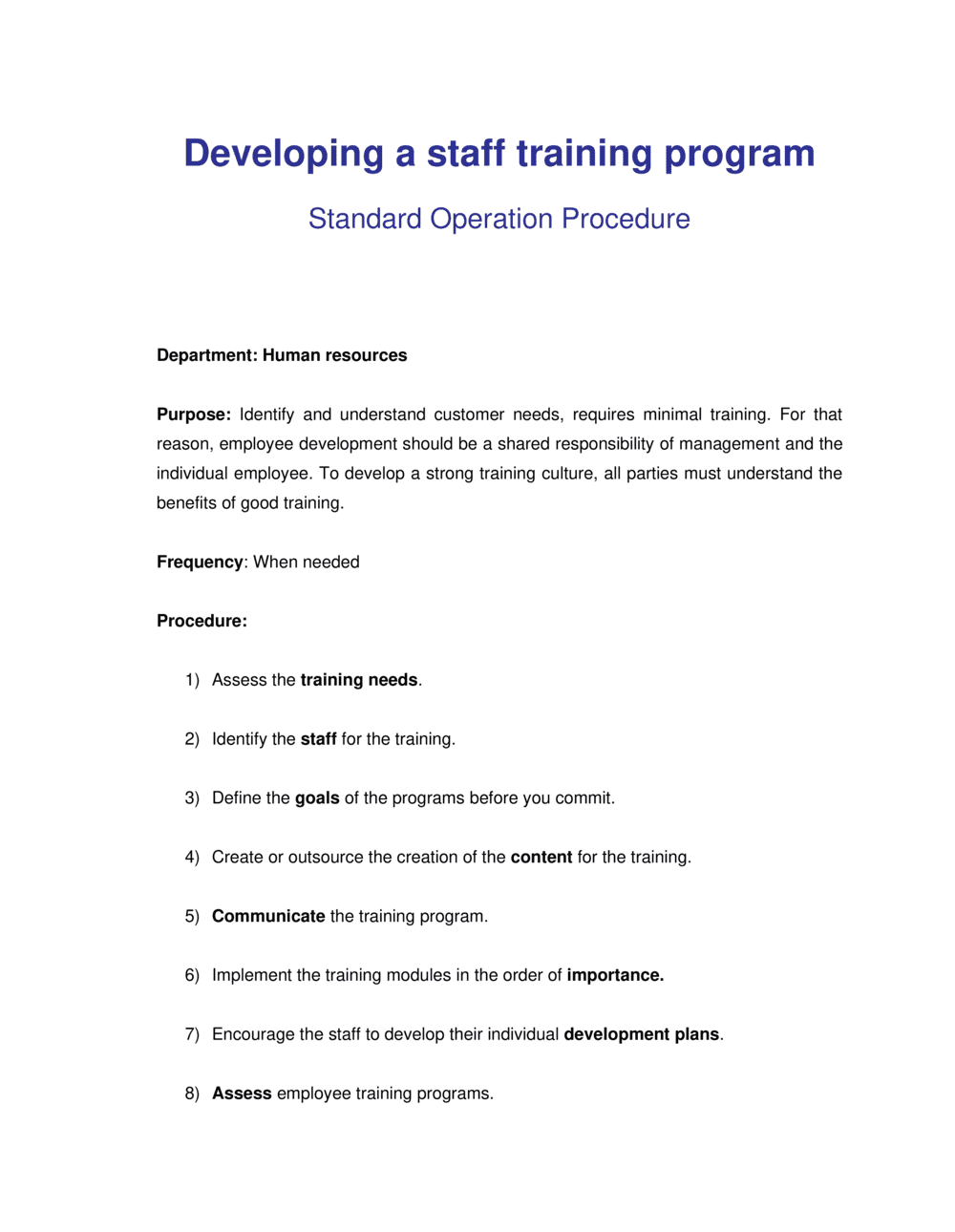
Conduct a training needs analysis before writing anything else
Survey managers and employees, review performance data, and identify the specific gap — skill, knowledge, or behavior — the program must close. Document the current state, desired state, and business consequence of the gap.
💡 A 5-minute manager survey asking 'what does your team struggle to do consistently?' generates more actionable data than a month of desk research.
2
Write learning objectives using action verbs
For each module, write one to three objectives stating what participants will be able to do, to what standard, and by when. Use Bloom's Taxonomy action verbs: apply, demonstrate, analyze, evaluate — not understand or appreciate.
💡 If you cannot write a test question that would confirm whether the objective was met, the objective is too vague.
3
Define the target audience in detail
Document role, experience level, team size, location, prior training, and any scheduling constraints. Use this profile to calibrate content depth, language, and format choices.
💡 Segmenting even slightly — separate tracks for new hires versus experienced staff — significantly improves relevance and completion rates.
4
Build the curriculum outline module by module
List each module in logical sequence, with topic, objective, duration, and delivery format. Alternate between content delivery and practice activities within each module.
💡 Cap each module at 45–60 minutes of instruction before inserting a knowledge check or applied exercise — cognitive load peaks drop sharply after 60 minutes.
5
Select delivery methods matched to each objective
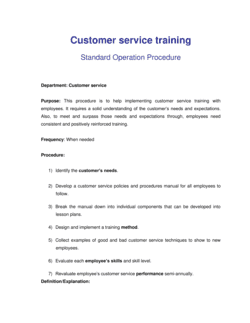
Choose instructor-led, e-learning, on-the-job coaching, or blended based on the type of skill being trained. Motor skills and judgment calls require practice; factual knowledge transfers well through self-paced digital formats.
💡 Reserve instructor-led time for the content that genuinely requires discussion, role-play, or real-time Q&A — it is your most expensive delivery channel.
6
Build a realistic schedule and line-item budget
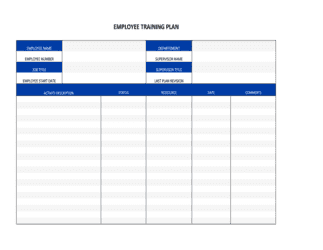
Map each module to a calendar date, assign a facilitator, and confirm logistics (room, platform, materials). Build a budget that includes facilitator time, platform costs, materials, and participant time away from their role.
💡 Add a 15% contingency to training budgets — facilitation overruns, last-minute reprints, and platform issues are the rule, not the exception.
7
Assign responsibilities to named individuals
Identify a program owner, lead facilitator, SME reviewers, and an HR or ops coordinator for logistics. Confirm each person's availability and time commitment before finalizing the plan.
💡 Send each named stakeholder a one-paragraph summary of their role and time commitment before the plan is finalized — surprises at launch derail timelines.
8
Define evaluation metrics at all four Kirkpatrick levels
Set specific targets for participant satisfaction scores, knowledge check pass rates, manager observation checklists at 30/60/90 days, and the business KPI the program is designed to move. Document the measurement method and timing for each.
💡 Book the 60-day and 90-day follow-up evaluations in managers' calendars at the program launch — behavioral observation data is almost never collected if it is not scheduled in advance.