- Leadership Competency
- A specific, observable skill or behavior — such as active listening or delegation — that contributes to effective leadership when consistently practiced.
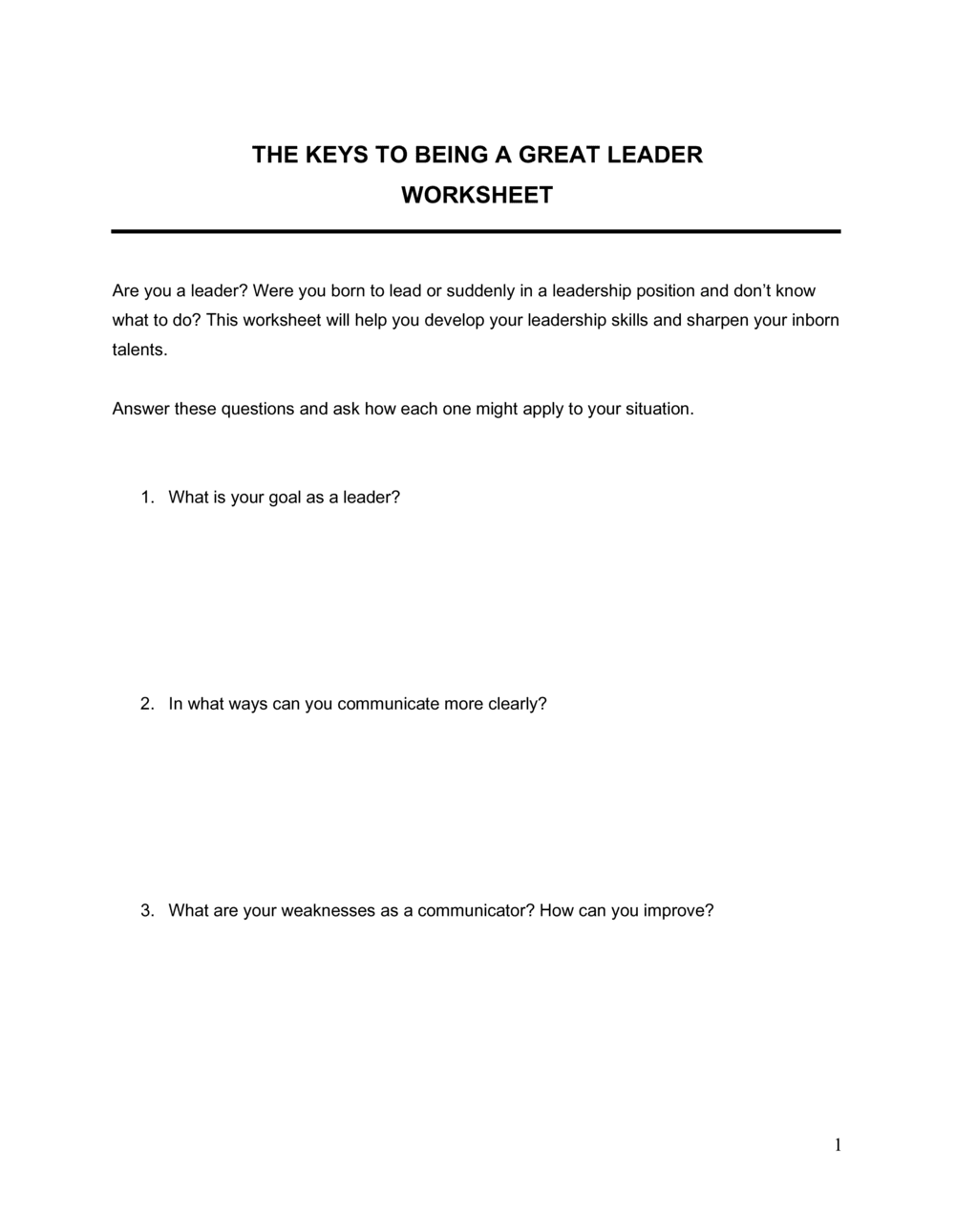
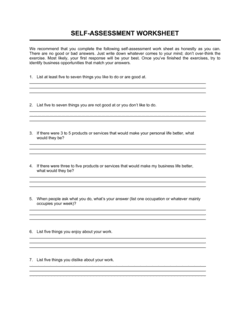
- Self-Assessment
- A structured process in which an individual rates their own performance or capability against defined criteria to identify strengths and development gaps.
- Vision-Setting
- The leader's ability to define a clear, compelling picture of a future state and communicate it in a way that aligns and motivates a team.
- Accountability
- The practice of holding oneself and others responsible for agreed outcomes, with transparent tracking and constructive follow-through on gaps.
- Active Listening
- Listening with full attention to what is said, asking clarifying questions, and reflecting understanding back — rather than waiting for a turn to speak.
- Psychological Safety
- A team climate in which members feel safe to speak up, ask questions, admit mistakes, and share ideas without fear of punishment or humiliation.
- Delegation
- The intentional transfer of a task or decision to a team member, paired with the authority, resources, and context needed to complete it.
- Growth Mindset
- The belief that intelligence, skills, and leadership ability can be developed through effort and feedback — contrasted with a fixed mindset.
- Emotional Intelligence (EQ)
- The ability to recognize, understand, and manage one's own emotions and to read and influence the emotions of others in a constructive way.
- Commitment Statement
- A written declaration within the worksheet in which the leader specifies a concrete behavior change they will implement by a defined date.
- Development Gap
- The measurable distance between a leader's current competency level and the target level required for their role or next career stage.