- Review Period
- The defined start and end dates covering the performance being assessed — typically a calendar year, fiscal year, or quarter.
- Competency
- A specific skill, behavior, or attribute — such as communication, problem-solving, or leadership — that the organization uses to measure performance.
- Rating Scale
- A standardized scoring system (e.g., 1–5 or Exceeds / Meets / Below Expectations) applied consistently across all employees and competencies.
- SMART Goals
- Goals that are Specific, Measurable, Achievable, Relevant, and Time-bound — the standard format for setting and evaluating individual performance objectives.
- Development Plan
- A documented set of learning objectives, training activities, and timelines designed to close a skill gap or prepare an employee for greater responsibility.
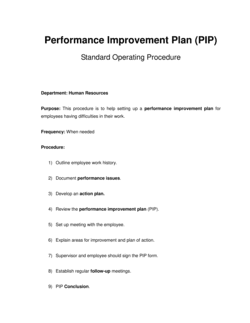
- Performance Improvement Plan (PIP)
- A formal documented process outlining specific performance deficiencies, required improvements, measurable targets, and consequences if targets are not met within a set timeframe.
- Acknowledgment Signature
- The employee's and manager's signatures confirming that the self assessment was completed, reviewed, and discussed — not necessarily indicating agreement with any ratings.
- Calibration
- A process in which managers collectively review and adjust employee ratings to ensure consistency and fairness across teams and departments.
- Self-Efficacy
- An employee's belief in their own ability to complete tasks and reach goals — a factor that affects the accuracy and candor of self-reported ratings.
- 360-Degree Feedback
- A performance input method that collects assessments from an employee's peers, direct reports, and manager in addition to the employee's own self evaluation.