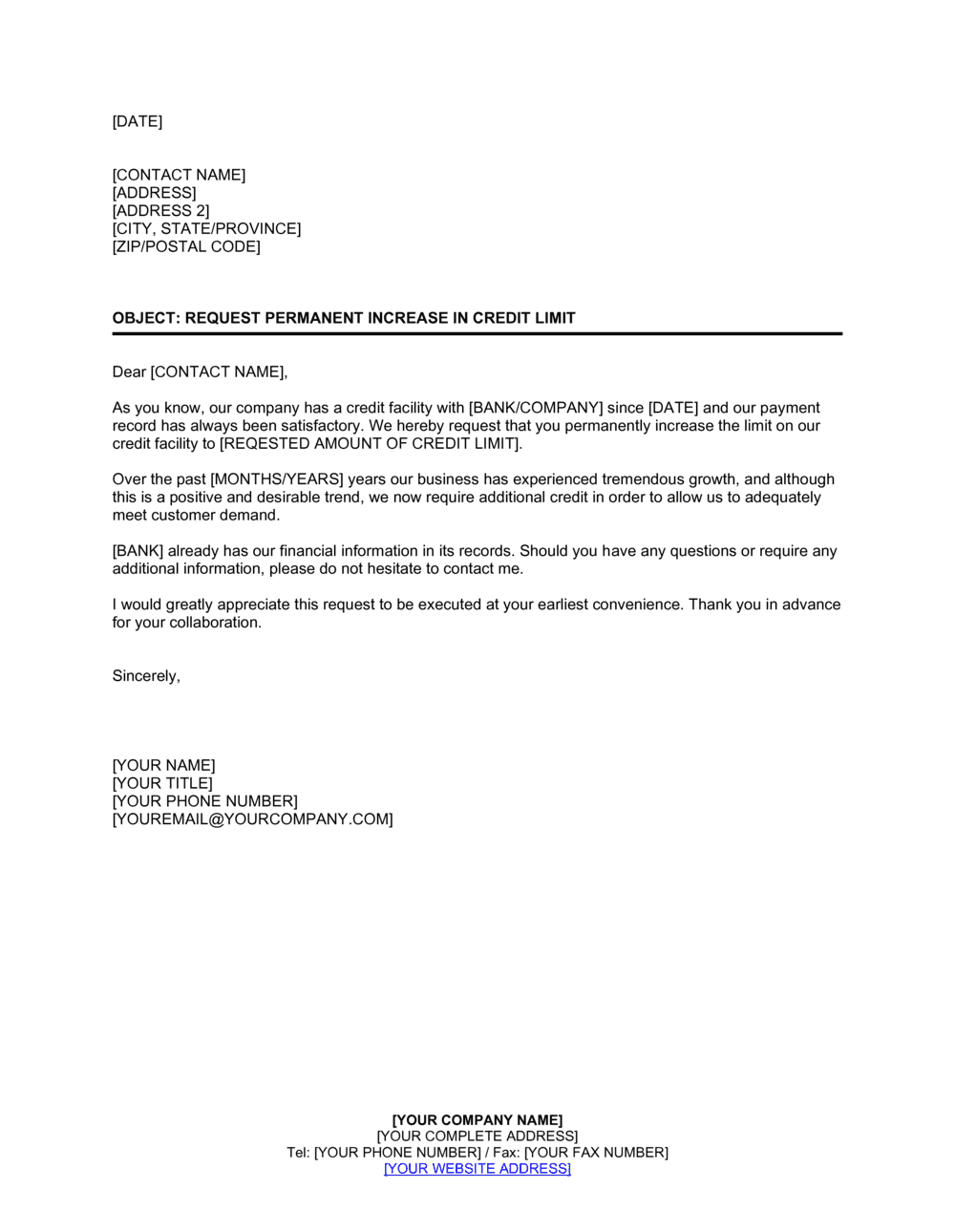
Request Increase of Credit Limit Template

Free Word download β€’ Edit online β€’ Save & share with Drive β€’ Export to PDF

1 pageβ€’15–25 min to fillβ€’Difficulty: Standard
Learn more ↓
FreeRequest Increase of Credit Limit Template

At a glance

What it is
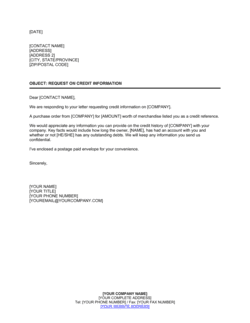
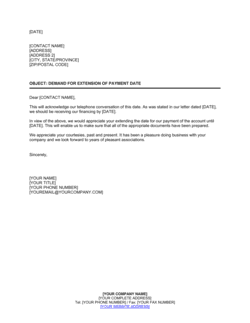
A Request to Increase Credit Limit is a formal business letter sent to a supplier or bank asking them to raise an existing credit line. This free Word download gives you a professionally structured letter you can edit online in minutes and send as a PDF or printed document.
When you need it
Use it when your current credit limit is constraining purchasing volume, cash flow management, or seasonal inventory needs β€” and you have a track record of on-time payments that supports the request.
What's inside
A structured opening citing your current limit and account standing, a clear statement of the new limit requested, supporting rationale tied to business growth and payment history, and a professional closing that invites a prompt response.

What is a Request to Increase Credit Limit?

A Request to Increase Credit Limit is a formal business letter sent by a company to a supplier or bank asking them to raise the maximum balance or purchasing capacity on an existing credit account. It references the current limit, summarizes the account's payment history, quantifies business growth, and states the specific new limit requested along with the operational rationale behind it. Unlike a new credit application, this letter assumes an established relationship and uses the track record of that relationship as the primary basis for the request.

Why You Need This Document

Reaching your credit ceiling with a key supplier or lender is not just an inconvenience β€” it can stall production, delay inventory replenishment, and force you to pay cash when you have receivables still outstanding. An informal request by phone or email rarely gets routed to the right decision-maker and leaves no paper trail if the conversation is disputed. A formal written request creates a clear, accountable record of what was asked and why, demonstrates financial professionalism, and gives the creditor's team exactly what they need to process the review without follow-up questions. This template gives you a structured, ready-to-send letter in under 15 minutes, so a credit constraint never becomes an operational one.

Which variant fits your situation?

If your situation is…Use this template
Requesting a higher credit line from a trade supplierRequest to Increase Credit Limit (Supplier)
Asking a bank to raise a business line of creditBusiness Line of Credit Request Letter
Requesting extended payment terms instead of a higher limitRequest for Extension of Credit Terms
Applying for new credit from a supplier for the first timeRequest for Credit Application
Following up after a credit increase request received no responseFollow-Up Letter for Credit Request
Responding to a supplier who reduced your credit limitLetter Disputing Credit Limit Reduction
Negotiating early payment discount terms alongside a credit increaseRequest for Early Payment Discount

Common mistakes to avoid

❌ Requesting an unspecified or vague amount

Why it matters: A letter that asks for 'a higher limit' or 'more flexibility' forces the creditor to respond with a question before they can act, adding days or weeks to the approval timeline.

Fix: Always state the exact dollar figure you are requesting. Tie it to a specific operational need β€” a purchase order size, a seasonal inventory requirement, or a new contract value.
❌ Omitting the account number

Why it matters: Without an account number, the credit department must search by name, which is slower and risks pulling up the wrong account if names are similar.

Fix: Include your account number in the opening paragraph. Find it on any recent invoice, statement, or account confirmation email from the creditor.

❌ Making payment history claims without timeframes

Why it matters: Saying 'we always pay on time' is unverifiable and unconvincing. A specific track record β€” '36 consecutive months of on-time payments' β€” gives the creditor a concrete fact to verify and rely on.

Fix: State the exact number of months or years of on-time payment history, and confirm there are no current disputes or past-due balances.

❌ Sending the letter to the wrong contact

Why it matters: A letter routed to a sales rep instead of the credit department can sit unanswered for weeks, creating a false impression that your request was reviewed and declined.

Fix: Call the supplier or bank before sending to confirm the correct recipient name, title, and email address for credit increase requests.

The 9 key clauses, explained

Date, recipient address, and salutation

In plain language: Opens the letter with the date, the creditor's name and mailing address, and a formal salutation addressed to the appropriate contact.

Sample language
[DATE] [CREDITOR NAME] [CREDITOR ADDRESS] [CITY, STATE, ZIP] Dear [CONTACT NAME / CREDIT DEPARTMENT],

Common mistake: Addressing the letter to a general department with no named contact. A named contact routes the request to the right decision-maker and avoids delays in the review queue.

Account identification

In plain language: States your company name, account number, and the length of the relationship so the creditor can pull up the account immediately.

Sample language
We are writing on behalf of [YOUR COMPANY NAME] (Account No. [ACCOUNT NUMBER]), a customer of [CREDITOR NAME] since [YEAR].

Common mistake: Omitting the account number. Without it, the credit department must search manually, adding days to the review process.

Statement of current credit limit

In plain language: Clearly states the existing credit limit so both parties are working from the same baseline.

Sample language
Our current credit limit with [CREDITOR NAME] is $[CURRENT LIMIT].

Common mistake: Not stating the current limit. If there is any discrepancy in records, the letter becomes the reference document β€” ambiguity slows approval.

Specific new limit requested

In plain language: Names the exact dollar amount you are requesting so the creditor can make a binary decision without guessing your intent.

Sample language
We respectfully request an increase in our credit limit to $[NEW LIMIT REQUESTED].

Common mistake: Asking for an unspecified 'significant increase' or 'higher limit.' A vague ask forces the creditor to respond with a clarifying question, adding a round-trip to the process.

Payment history and account standing

In plain language: Summarizes your on-time payment record over the account relationship as evidence of reliability.

Sample language
Over the past [X] years, [YOUR COMPANY NAME] has consistently paid all invoices on or before the due date, maintaining a clean payment record with no outstanding disputes or delinquencies.

Common mistake: Making payment history claims without specific timeframes. 'We always pay on time' is less persuasive than 'We have paid all invoices within terms for the past 36 consecutive months.'

Business growth rationale

In plain language: Explains the business reason for needing a higher limit β€” revenue growth, expanded operations, new product lines, or seasonal volume β€” so the creditor understands the request is need-driven, not speculative.

Sample language
Our business has grown by approximately [X]% over the past [PERIOD], and our monthly purchases with [CREDITOR NAME] have increased from an average of $[PREVIOUS AMOUNT] to $[CURRENT AMOUNT]. We anticipate continued growth of [X]% over the next [PERIOD] as we [DESCRIBE EXPANSION/NEW CONTRACT/SEASONAL DEMAND].

Common mistake: Citing vague growth without numbers. A percentage and a dollar figure are far more credible than 'our business has been growing rapidly.'

How the increased limit will be used

In plain language: Briefly describes how the additional credit capacity will be deployed β€” larger purchase orders, stocking seasonal inventory, or supporting a new client contract.

Sample language
The increased limit will allow us to place purchase orders of up to $[ORDER SIZE] to support [SPECIFIC PURPOSE β€” e.g., Q4 inventory build / new distribution contract with [CLIENT NAME]].

Common mistake: Skipping the use-of-funds explanation. Creditors are more comfortable approving increases when they understand the specific operational purpose rather than assuming general working capital needs.

Offer to provide supporting documentation

In plain language: Signals willingness to share financial statements, current receivables, or other supporting materials if the creditor requires them for their review.

Sample language
We are happy to provide current financial statements, recent bank statements, or any additional documentation required to support this request. Please do not hesitate to contact [YOUR NAME] at [PHONE] or [EMAIL].

Common mistake: Waiting to be asked before mentioning documentation. Proactively offering it signals financial confidence and speeds the review by reducing back-and-forth.

Closing and signature block

In plain language: Thanks the recipient for their consideration, states a preferred response timeline if relevant, and closes with the authorized signatory's name and title.

Sample language
We value our relationship with [CREDITOR NAME] and appreciate your prompt consideration of this request. We hope to hear from you within [X] business days. Sincerely, [AUTHORIZED SIGNATORY NAME] [TITLE] [COMPANY NAME] [PHONE] | [EMAIL]

Common mistake: Closing without a response timeline or contact details. A stated preferred timeline creates a soft deadline and makes it easy for the recipient to act.

How to fill it out

  1. 1

    Enter your company and account details

    Fill in your company's legal name, account number, and the year the account was opened. These identifiers let the credit department pull up your file immediately.

    πŸ’‘ Use the exact company name on file with the creditor β€” even a slight variation can cause a mismatch in their system.

  2. 2

    State your current credit limit accurately

    Enter the precise dollar amount of your existing credit limit. Check your most recent account statement or contact the creditor to confirm before writing the letter.

    πŸ’‘ If your limit varies by product category, specify the limit you are requesting to increase rather than quoting a blended total.

  3. 3

    Name the specific new limit you want

    State the exact dollar amount you are requesting β€” not a range or percentage. Tie the number to a specific operational need so it feels proportionate rather than arbitrary.

    πŸ’‘ Request 20–50% above your current limit if you have a clear near-term need. Requests for more than double the current limit typically require a formal financial review.

  4. 4

    Summarize your payment history with specifics

    Write in the number of months or years you have maintained on-time payments and confirm there are no outstanding disputes or delinquencies on the account.

    πŸ’‘ If your account history is shorter than 12 months, lead with the dollar volume of purchases made and paid rather than the time period.

  5. 5

    Quantify your business growth

    Enter the revenue growth percentage, the increase in monthly purchase volumes, or the specific contract or seasonal event driving the need. Use real numbers, not general statements.

    πŸ’‘ Comparing average monthly purchases from the prior year to the current year is the most persuasive single data point you can include.

  6. 6

    Describe the specific use of the additional credit

    Briefly explain what you will purchase with the higher limit β€” specific product categories, order sizes, or the contract or project requiring the capacity.

    πŸ’‘ Attaching a sample purchase order or a brief summary of the new contract as a supporting exhibit strengthens the rationale significantly.

  7. 7

    Sign with the correct authorized contact

    The letter should be signed by the owner, CFO, or whoever is the named account contact. Include phone and email so the creditor can respond without searching for your contact details.

    πŸ’‘ If the account was set up by someone who no longer works at the company, update the authorized contact with the creditor before sending this letter.

Frequently asked questions

What is a request to increase credit limit letter?

A request to increase credit limit letter is a formal written communication from a business to a supplier or bank asking them to raise the maximum outstanding balance the business is permitted to carry. It identifies the account, states the current and requested limit, and provides supporting rationale β€” typically payment history and business growth β€” to justify the increase.

When should I send a credit limit increase request?

Send it when your current limit is constraining your purchasing ability, when your monthly order volumes are consistently approaching the ceiling, or ahead of a seasonal period or new contract that will require larger purchases. Sending the request 4–6 weeks before you need the higher limit gives the creditor time to review without creating an operational gap.

What information should a credit limit increase request include?

At minimum: your company name and account number, your current credit limit, the specific new limit you are requesting, a summary of your payment history with timeframes, the business reason for the increase with supporting numbers, and an offer to provide financial documentation if needed. Missing any of these commonly delays the review.

How much of an increase should I request?

Request the amount you can justify with a specific operational need β€” a purchase order size, a seasonal inventory build, or a new client contract value. As a general guide, a 25–50% increase is typically approved quickly for accounts with strong payment histories. Requests for more than double the current limit usually require a full financial review and may take significantly longer.

Does a credit limit increase request need to be signed?

No signature is legally required for the letter to be valid, but it should be signed by an authorized representative of the business β€” typically the owner, CFO, or the named account contact on file with the creditor. A signed letter with a named signatory carries more weight than an unsigned one and clearly establishes who is making the request.

What documentation might the creditor request?

Creditors commonly ask for recent financial statements (P&L and balance sheet from the past 1–2 years), recent bank statements showing cash position, accounts receivable aging, or evidence of the contract or project driving the need. Proactively offering to provide these in the letter speeds up the process and signals financial confidence.

How long does a credit limit increase take to be approved?

Trade suppliers typically respond within 5–10 business days for straightforward requests from established customers. Banks reviewing a business line of credit increase may take 2–4 weeks if they require financial statements and a formal credit review. Submitting a complete, well-documented letter reduces review time by minimizing back-and-forth.

Can I use this letter for both supplier and bank credit requests?

Yes β€” the core structure works for both. For a supplier, emphasize purchase volume and payment history. For a bank business line of credit, include more financial detail such as revenue growth, current cash position, and the specific draw purpose. Banks may also require a formal credit application in addition to the letter.

How this compares to alternatives

vs Request for Credit Application

A credit application establishes a new credit account from scratch with a supplier or lender. A credit limit increase request applies only to an existing account in good standing. If you already have an account, the increase letter is the right document β€” submitting a new application for an existing account creates duplicate records and confusion.

vs Request for Extension of Credit Terms

A credit terms extension letter asks for more time to pay β€” moving from Net 30 to Net 60, for example β€” without changing the credit ceiling. A credit limit increase request raises the maximum balance allowed without changing the payment window. The two are often confused but address different constraints on working capital.

vs Payment Plan Proposal

A payment plan proposal is used when a business is behind on existing obligations and needs to restructure what it owes. A credit limit increase letter is used when the account is in good standing and the business needs more capacity to grow. Sending a limit increase request while carrying a past-due balance will almost always be declined.

vs Business Loan Request Letter

A business loan request letter asks a bank for a term loan β€” a fixed lump sum repaid over a scheduled period. A credit limit increase request applies to a revolving facility where the business draws and repays repeatedly. Use a loan request when you need a defined capital injection; use the credit limit letter when you need ongoing purchasing capacity.

Industry-specific considerations

Retail and wholesale

Seasonal inventory builds require credit limit increases weeks before peak periods to avoid stockouts when supplier order volumes spike.

Construction and trades

New project contracts often require larger material orders upfront, making a credit line increase a routine part of mobilizing for a new job.

Manufacturing

Raw material procurement tied to production schedules means credit limits must scale with order book growth to avoid production delays.

Professional services

Agencies and consultancies expanding vendor or contractor relationships may need higher trade credit to cover software subscriptions, media buys, or subcontractor costs.

Template vs pro β€” what fits your needs?

PathBest forCostTime
Use the templateAny business requesting a routine credit limit increase from a supplier or bankFree10–15 minutes
Template + professional reviewBusinesses requesting a large increase (more than double the current limit) that may require attached financial statements$50–$200 (accountant review of supporting financials)1–2 hours
Custom draftedFormal bank credit facility negotiations or regulated lending environments requiring legal review of terms$300–$8001–3 days

Glossary

Credit Limit
The maximum outstanding balance a buyer is permitted to carry with a supplier or lender at any given time.
Trade Credit
A payment arrangement in which a supplier ships goods or delivers services and allows the buyer to pay within an agreed period, typically 30 to 90 days.
Payment History
A record of how consistently and promptly a buyer has paid invoices over the duration of the account relationship.
Credit Line
A pre-approved borrowing or purchasing facility with a defined ceiling, within which the buyer may make purchases or draws as needed.
Days Sales Outstanding (DSO)
The average number of days a company takes to collect payment after a sale β€” used by creditors to assess how quickly the borrower converts receivables to cash.
Account Standing
The current status of a credit account, reflecting whether invoices are paid on time and no disputes or delinquencies are recorded.
Creditworthiness
A creditor's assessment of a borrower's ability and willingness to repay obligations, based on payment history, financial strength, and business stability.
Net 30 / Net 60
Payment terms stating the full invoice amount is due 30 or 60 days after the invoice date.
Purchase Order (PO)
A buyer-issued document authorizing a specific purchase at an agreed price β€” used by suppliers to approve and fulfill orders against an open credit line.
Credit Review
A formal evaluation by a supplier or lender of a customer's financial condition and payment behavior, typically triggered by a request to change credit terms.

Part of your Business Operating System

This document is one of 3,000+ business & legal templates included in Business in a Box.

  • Fill-in-the-blanks β€” ready in minutes
  • 100% customizable Word document
  • Compatible with all office suites
  • Export to PDF and share electronically

Create your document in 3 simple steps.

From template to signed document β€” all inside one Business Operating System.
1
Download or open template

Access over 3,000+ business and legal templates for any business task, project or initiative.

2
Edit and fill in the blanks with AI

Customize your ready-made business document template and save it in the cloud.

3
Save, Share, Send, Sign

Share your files and folders with your team. Create a space of seamless collaboration.

Save time, save money, and create top-quality documents.

β˜…β˜…β˜…β˜…β˜…

"Fantastic value! I'm not sure how I'd do without it. It's worth its weight in gold and paid back for itself many times."

Managing Director Β· Mall Farm
Robert Whalley
Managing Director, Mall Farm Proprietary Limited
β˜…β˜…β˜…β˜…β˜…

"I have been using Business in a Box for years. It has been the most useful source of templates I have encountered. I recommend it to anyone."

Business Owner Β· 4+ years
Dr Michael John Freestone
Business Owner
β˜…β˜…β˜…β˜…β˜…

"It has been a life saver so many times I have lost count. Business in a Box has saved me so much time and as you know, time is money."

Owner Β· Upstate Web
David G. Moore Jr.
Owner, Upstate Web

Run your business with a system β€” not scattered tools

Stop downloading documents. Start operating with clarity. Business in a Box gives you the Business Operating System used by over 250,000 companies worldwide to structure, run, and grow their business.

Free Forever PlanΒ Β·Β No credit card required