1
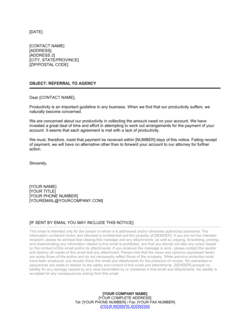
Enter the parties' full legal names and account details
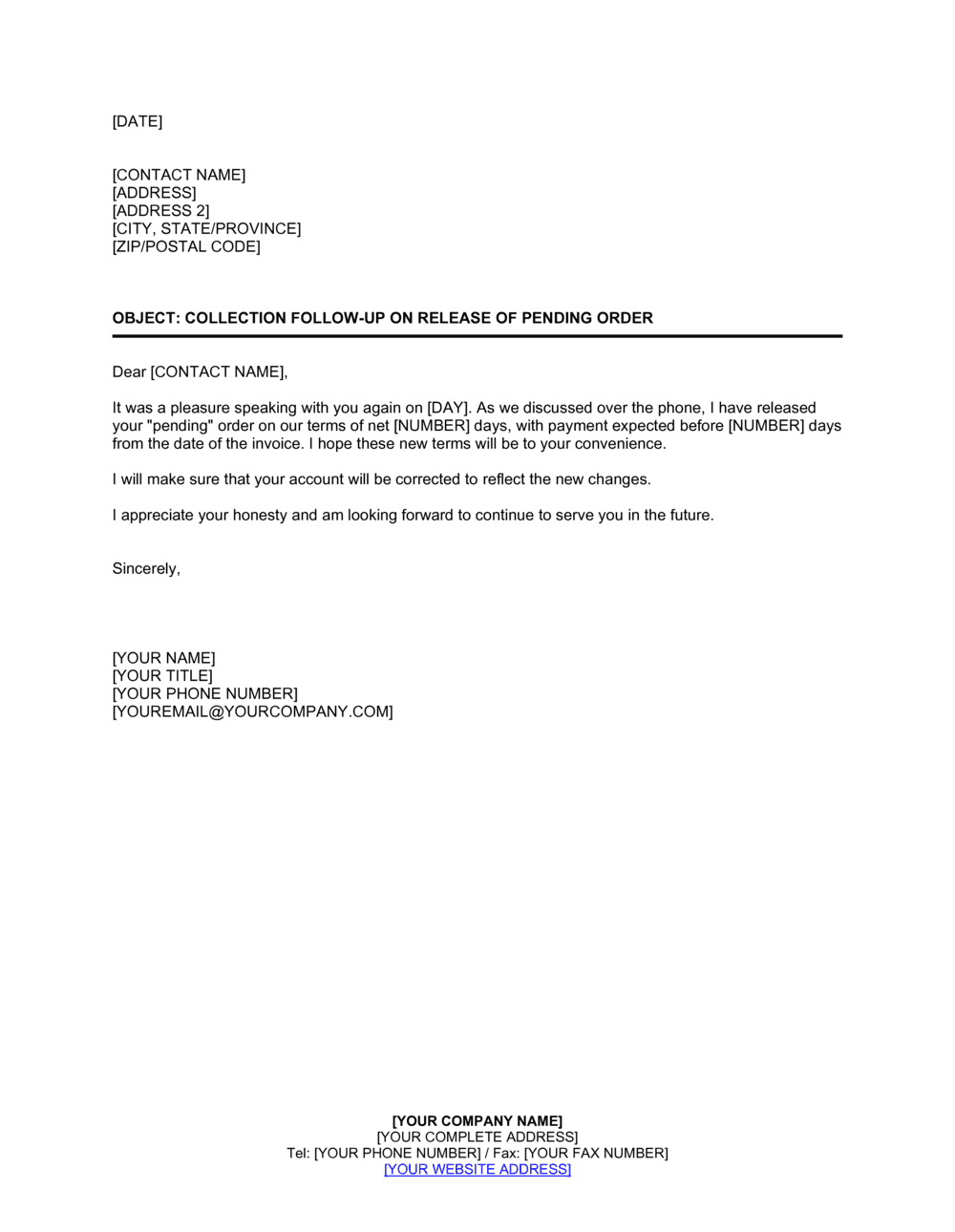
Insert both companies' registered legal names, addresses, and the buyer's account number at the top of the letter. Confirm the legal entity name against your accounts-receivable system.
💡 Cross-check the buyer's entity name against the original credit application or purchase agreement — trading names and legal names often differ in wholesale relationships.
2
Identify the pending order with precision
Insert the order number, order date, description of goods or services, and the dollar value of the held order. If multiple orders were held, list each separately or attach a schedule.
💡 Including the order value prevents ambiguity if the buyer disputes which order the letter covers — amounts make matching unequivocal.
3
Confirm the payment details and clearance
Enter the overdue invoice number, the amount paid, the payment date, and the bank or payment reference number. Only complete this step after the funds have cleared — not when payment is merely initiated.
💡 For wire transfers, wait for a same-day confirmation from your bank before issuing the release — same-day confirmation is not the same as cleared funds for all payment types.
4
Draft the release authorization with an effective date
State clearly that the hold is lifted as of a specific date. Specify whether release is immediate or takes effect on the next business day, and confirm the internal order-management team is notified simultaneously.
💡 Send a copy of the signed letter to your warehouse or fulfillment manager the same day you send it to the buyer — the release letter is not a substitute for an internal work order.
5
Set the reinstated account terms
Decide whether to restore the original trade credit terms, reduce the credit limit, or require prepayment for a defined period. Enter the specific terms — credit limit amount, net payment days — rather than a vague reference to 'standard terms.'
💡 If the buyer just cleared a significant overdue balance, a 90-day prepayment requirement before reverting to credit terms is a reasonable middle ground that protects cash flow.
6
Add conditions and reservation-of-rights language if a payment plan applies
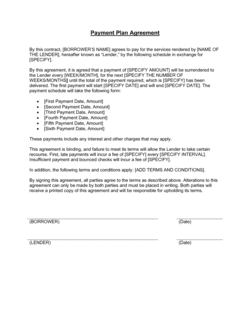
If the release is conditional on a continuing payment plan, reference the schedule by date and attach it as Schedule A. State explicitly that a missed instalment triggers an immediate new hold.
💡 A cross-reference to the payment plan agreement by date and title — not just 'the attached schedule' — ties the two documents together legally and makes enforcement cleaner.
7
State the revised delivery timeline
Calculate a realistic fulfillment date from the release date, accounting for any production, picking, or logistics lead time affected by the hold period. Enter the revised delivery date explicitly.
💡 Build in one extra business day of buffer — committing to a date and missing it after the collections process has already strained the relationship compounds the damage.
8
Obtain signatures from both parties before releasing the order
Have an authorized signatory on your side sign the letter and send two copies to the buyer for countersignature. Retain one fully executed copy for your records before instructing fulfillment.
💡 Use a documented delivery method — email with read receipt, courier, or an eSign platform — so you have proof the buyer received and countersigned the letter before goods are dispatched.